REVIEW · LAKE BRACCIANO
Civitavecchia Private Excursion to Ancient Rome & Vatican Museums
Book on Viator →Operated by AIM LIMO ROME · Bookable on Viator
A port-to-Rome day, with less stress.
This private excursion is built for cruise schedules: you get port pickup and drop-off and a planned route that hits major Rome landmarks plus the Vatican Museums without you having to juggle tickets or timing.
I like two things most. I love that the itinerary uses Colosseum reservation and entry so you’re not burning your morning stuck in the wrong lines. And I really appreciate the 3-hour art historian guidance in the Vatican Museums, which is where the details can make the difference between seeing art and actually understanding it.
One consideration: Vatican logistics are strict. You’ll need to follow the dress code (no shorts or sleeveless tops; shoulders and knees covered), and you may be required to pay for mandatory headphone sets inside the Vatican if your group size triggers that rule.
In This Review
- Key takeaways before you go
- From Civitavecchia Port to Rome: pacing that fits a cruise day
- Entering the Colosseum: reserved entry and a realistic one-hour visit
- Circo Massimo and the Vittoriano: quick stops with big payoff
- Trevi Fountain, the Pantheon, and Piazza Navona: the time-to-wonder ratio
- Trevi Fountain (15 minutes)
- The Pantheon (20 minutes)
- Piazza Navona (20 minutes)
- Vatican Museums: 3 hours where context actually matters
- Headphones and pacing inside the Vatican
- St Peter’s Basilica and access limits
- Guide setup: how you get explanations without adding chaos
- Port-to-Vatican value: what $1,128.86 buys you
- Who this cruise day suits best (and who might regret it)
- Should you book this Civitavecchia to Vatican day?
- FAQ
- Is pickup from Civitavecchia Port included?
- What time does the tour start?
- How long do you spend at the Vatican Museums?
- Are Colosseum tickets included?
- Do I need headphones inside the Vatican?
- Is St. Peter’s Basilica always included?
- Is the Vatican Museums visit available on Sundays?
Key takeaways before you go
- Port pickup and drop-off on a timed cruise day: you’re not left figuring out transit across a big city.
- Colosseum reservation included: shorter time lost hunting tickets and entry points.
- Short, smart stops between Rome icons: Circo Massimo, Trevi Fountain, Pantheon, and Piazza Navona fit into a single flow.
- Art historian guide for 3 hours at the Vatican: this is the part where context matters most.
- Driver explains from inside the vehicle only: you’ll get narration, but not full outdoor guiding like a licensed guide.
From Civitavecchia Port to Rome: pacing that fits a cruise day
If you’re working with cruise hours, the biggest win here is the structure. You’re scheduled for a Civitavecchia port pickup at 8:00 am, and the day is designed to move you from the docks into Rome in time to see the top sights before the crowds get too thick.
You also have a private-vehicle advantage. Your driver meets you right at the ship holding a sign with your name, and you ride in comfort through traffic and between neighborhoods. One detail that matters in Rome: your driver is not a licensed tour guide, so they can comment on sights only from inside the vehicle. When you’re on foot, you’ll rely on the formal guides for the deeper explanations.
Expect the day to feel like a “highlights tour,” not a slow walk. Each stop is timed so you can check off multiple city must-sees without micromanaging an itinerary. That’s exactly what you want when you only have one day and a ship that does not wait.
If you're still narrowing it down, here are other tours in Lake Bracciano we've reviewed.

Entering the Colosseum: reserved entry and a realistic one-hour visit
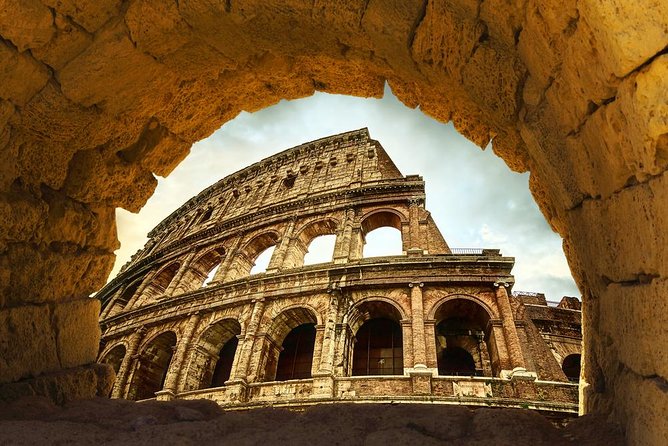
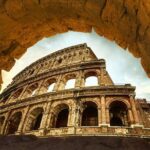
The Colosseum stop is built around a simple idea: you get reserved entry and about one hour on site. The ticket is included, and so is the reservation fee, which helps reduce the most common frustration—waiting. With one hour, you won’t see every corner like a serious study tour, but you can cover the essentials and still get meaningful context.
Here’s what you should plan for mentally. One hour is enough to understand the building shape, its scale, and what kind of events happened here, but you can’t linger for every archway and every angle. The Colosseum’s story is huge, including gladiatorial contests, animal hunts, mock sea battles for a short time, executions, and public spectacles. In a one-hour window, the best guides steer you toward the moments that make the place click.
I also like that the tour doesn’t treat the Colosseum like a single-photo stop. You’ll be given a route through the area that helps you connect it to the Roman Forum zone nearby, even if you don’t spend a full day in that archaeological maze.
Practical tip: wear comfortable shoes with traction. The ground around major sites is uneven in places, and Rome foot traffic outside the main entries can be surprisingly chaotic.
Circo Massimo and the Vittoriano: quick stops with big payoff
After the Colosseum, the itinerary adds a short visit to Circo Massimo (15 minutes, free admission). Even with limited time, this stop has value because Circo Massimo is the grand setting for ancient chariot racing and mass entertainment. It’s also a rare chance to see a huge Roman stadium-like space that now functions as a public park—so the scale lands differently than inside ruins.
Next comes the Vittorio Emanuele II Monument (the Vittoriano / Altare della Patria area). The day description doesn’t give you a long time budget here, so think of this as an “orientation and photo” stop rather than a museum-style visit. Still, it’s useful for two reasons:
- It helps you understand where the grand national monument sits between Piazza Venezia and the Capitoline Hill.
- It’s a good visual break before you shift from ancient Rome energy to the city’s center fountains and churches.
If you’re sensitive to fatigue, this is where the pacing makes the tour feel efficient. You’re not always walking at peak intensity. The short stops let you reset.
Trevi Fountain, the Pantheon, and Piazza Navona: the time-to-wonder ratio
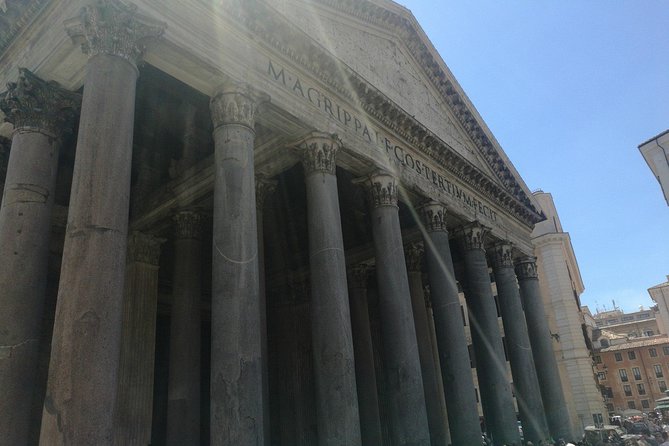
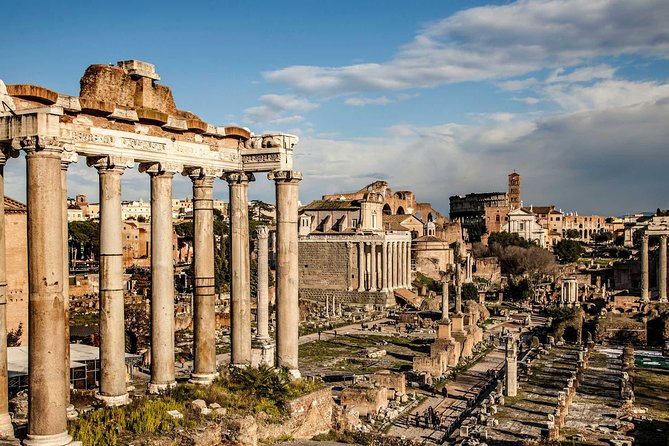
Rome in one day can become a photo race. The itinerary avoids that trap by keeping fountain and piazza stops to short, manageable visits: Trevi Fountain (15 minutes), Pantheon (20 minutes), and Piazza Navona (20 minutes). Admission to all of these is free as listed, so you’re not stacking cost on top of your sightseeing schedule.
Trevi Fountain (15 minutes)
The fountain is famous for a reason: it’s a Baroque showpiece and one of the most recognized fountains on earth. But in 15 minutes, your goal is simple. Get oriented, watch how people move around it, then step back enough to take in the full structure—not just one close angle.
Also, watch for the crowd crush around the perimeter. This is where being in a guided flow helps, because you’re less likely to get stuck waiting for your turn to move.
The Pantheon (20 minutes)
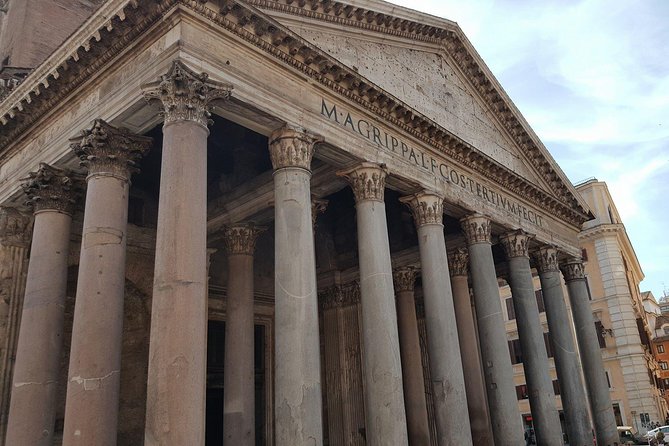
The Pantheon is one of the best-preserved Roman buildings, and it earns your time. The circular layout, the famous dome with its central oculus, and the fact that it has been used continuously for centuries all make it feel more “alive” than many other ruins. It’s also free admission on this part of the tour.
You’ll appreciate the dome more when you understand one key geometry point: the interior circle is designed so the height to the oculus matches the diameter of the space. In plain terms, it’s a room with built-in balance.
Piazza Navona (20 minutes)
Piazza Navona gives you Baroque Rome from the street level. You’ll see Bernini’s Fontana dei Quattro Fiumi in the center, plus the surrounding fountains and landmark church frontage. Even if you only spend 20 minutes, this piazza works because the buildings and sculptures frame your walk like a stage set.
One more thing: Navona often feels like a living social space. The tour keeps you moving, so you can enjoy the vibe without losing your whole afternoon in one corner.
Vatican Museums: 3 hours where context actually matters
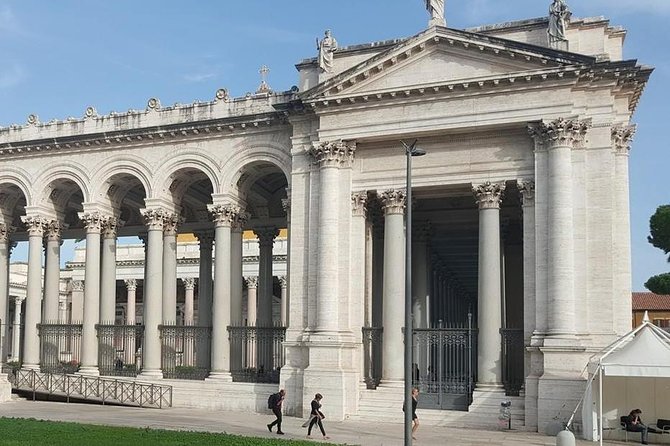
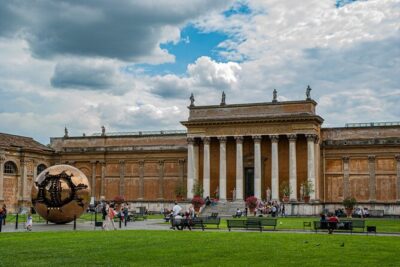
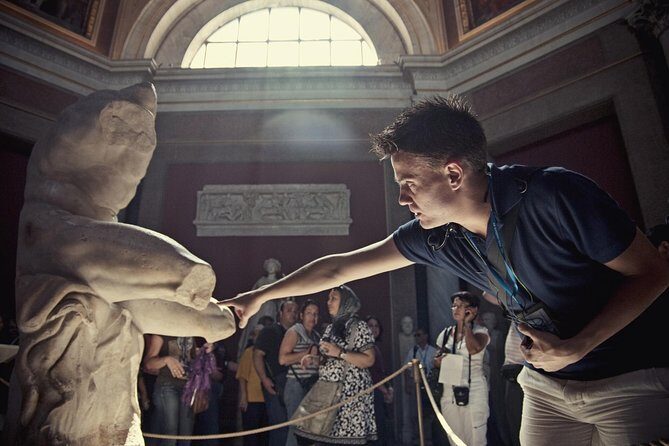
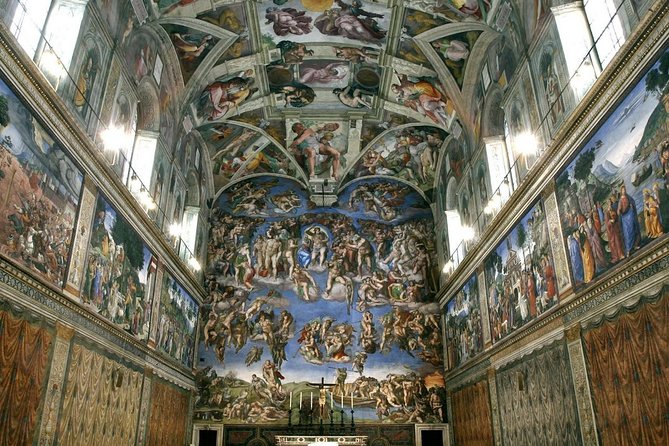
The biggest long block of the day is the Vatican Museums: 3 hours with admission included. This is the part where the tour’s value shows. Vatican Museums can feel like a stamp-collecting exercise if you’re left to wander. With an art historian guide, you’re more likely to connect what you’re seeing to what it meant and why it’s there.
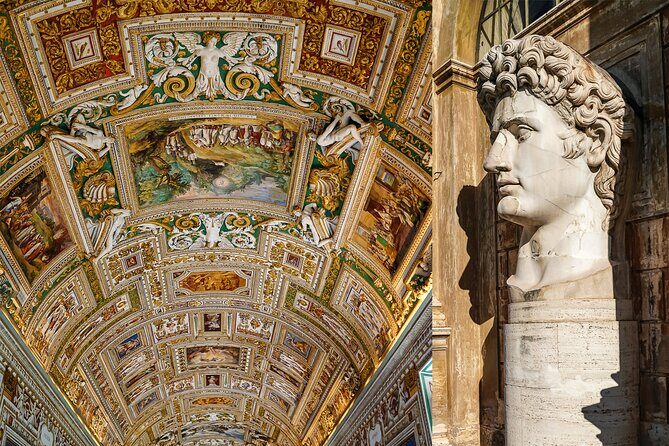
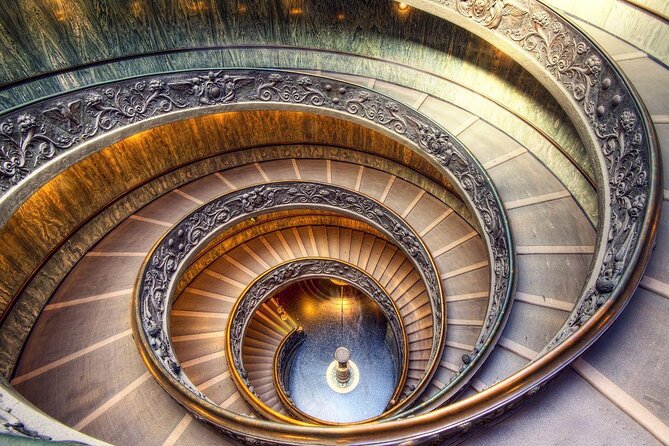
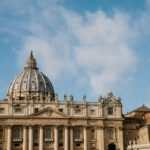
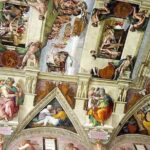
The route typically includes major highlights such as the Sistine Chapel ceiling by Michelangelo and the Stanze di Raffaello (Raphael Rooms). The museum complex contains roughly 70,000 works, with about 20,000 on display, so you need help choosing what matters in limited time.
Headphones and pacing inside the Vatican
One practical note from the tour details: party rules inside the Vatican can trigger a mandatory headphone setup. If your group size requires it, you may have to pay 1.50 euros per person directly at the Vatican. Bring small cash just in case you end up needing it on the spot.
Also, plan for lines and security checks, even if you have skip-the-line style entry included. Vatican rules can shift, so your best strategy is to accept that this is a controlled environment and move when the guide tells you to move.
St Peter’s Basilica and access limits
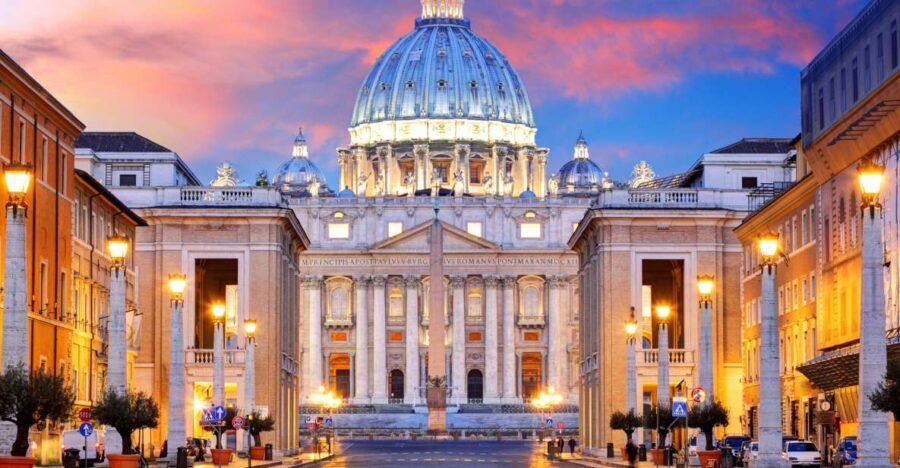
The day references St. Peter’s Basilica access as a possible part of the overall experience, and it comes with a caution: Basilica of St. Peter cannot be accessed in case of a Jubilee Mass or event. If you’re traveling during a time when Vatican events are likely, this is the key risk.
You’ll want to keep expectations flexible. You can still have an amazing Vatican visit even without basilica access, but it changes the payoff if you were planning to focus on that particular building.
Guide setup: how you get explanations without adding chaos
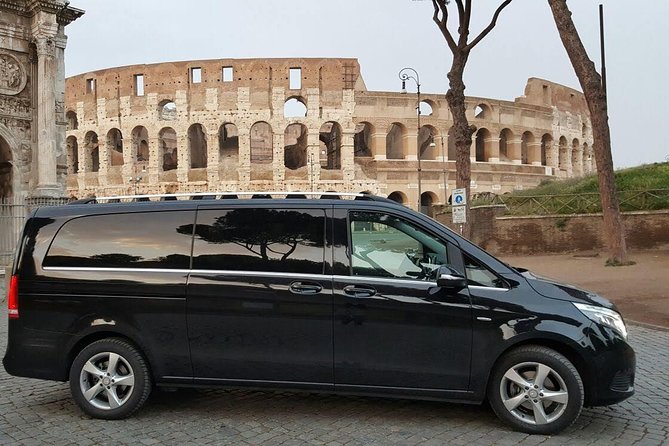
The tour’s structure uses multiple layers of guiding. In the museum portion, you’ll have a formally guided experience inside the Vatican. In Rome proper, you’ll have a driver who can explain from the vehicle, but you’ll likely rely on the guided portions for the deeper historical and art interpretation.
That approach is common in Italy because of licensing rules. It also explains why the day feels smooth: you’re not switching between outdoor narration and formal guiding every five minutes. Instead, you get focused guidance where it counts—especially at the Vatican.
In past private-day experiences connected to this itinerary, I’ve seen named guides such as Daniele and Anna Maria guide the Rome and Vatican segments, with Martina leading Vatican highlights and explanation. Other guides attached to this kind of service include Antonio, Manuel, Mateo, and Andre. The pattern is the same: when you’re inside the museum route, the explanation is the main event.
There’s one caution from experience with this tour style: if a guide is sick right before the Vatican start, it can affect how much of the guided portion you actually get. That doesn’t happen often, but it’s a reminder to treat a guided museum block as “high value,” so you may want to ask the provider, in advance, what their contingency process is if someone can’t work that day.
Port-to-Vatican value: what $1,128.86 buys you
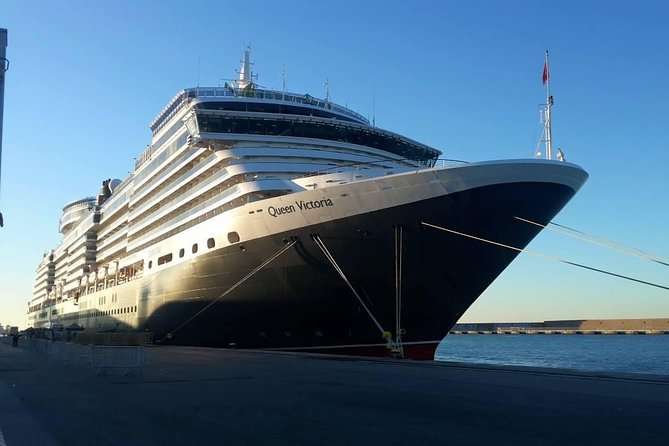
Yes, the price is high on paper: $1,128.86 per person for about 9 hours. But in a cruise context, this is usually paying for three big things that are hard to DIY:
- Private transport time from the port into Rome and back.
- Reserved entry value for the Colosseum (ticket plus reservation fee).
- Time with an art historian guide during a 3-hour museum block.
Add in the included items listed: bottled water, WiFi on board, and Vatican entrance (plus the Colosseum entry/fee details). If you were trying to replicate the same experience yourself, you’d spend time coordinating transport, tickets, and a guide—then still fight the clock.
Where the math gets shaky is when expectations become unrealistic. If you want a deep, slow study of Rome and the Vatican over a full day, this itinerary isn’t built for that. It’s built for coverage and smart flow. It will feel worth it if you’re the type who wants to see the highlights, learn enough to enjoy them, and still make your ship reboarding time.
Also remember the tour is private, meaning it’s only your group. That privacy can be the deciding factor if you’re traveling with family or friends who want shared pacing, not a big group scramble.
Who this cruise day suits best (and who might regret it)
This is a strong fit if:
- You’re doing a single day in Rome from Civitavecchia.
- You care more about efficient coverage than long wandering.
- You value having an art historian in the Vatican Museums rather than reading museum labels alone.
It’s less ideal if:
- You hate time limits and prefer hours in one place.
- You’re hoping for frequent stops for photos and snacks without moving forward.
- You’re traveling during a period with a likely Jubilee Mass or event, because it can affect basilica access.
If you want the Vatican experience but you’re also a serious basilica fan, consider whether you can accept the risk of not entering St. Peter’s Basilica due to event access rules.
Should you book this Civitavecchia to Vatican day?
If you’re on a cruise and you want to maximize Rome without spending your day on logistics, I think this tour is a solid choice. The combination of port transfers, Colosseum reserved entry, and a guided Vatican Museums block is where the value lives.
But be smart about expectations. This is a highlights plan, not a slow-study day. If basilica access is a must for you, double-check whether your travel dates overlap with Vatican events that could restrict entry.
If you like the idea of getting the big sights checked off with trained guidance and less stress than DIY, this is the kind of cruise excursion that makes Rome feel possible—even on a tight schedule.
FAQ
Is pickup from Civitavecchia Port included?
Yes. Port pickup is included, and your private driver meets you at the ship with your name sign. Port drop-off back after the tour is also included.
What time does the tour start?
The scheduled pickup time is 8:00 am from Civitavecchia Port.
How long do you spend at the Vatican Museums?
You have about 3 hours at the Vatican Museums, with admission included.
Are Colosseum tickets included?
Yes. The Colosseum admission ticket is included, along with the Colosseum reservation fee.
Do I need headphones inside the Vatican?
Headphones may be mandatory inside the Vatican for parties over 6 passengers. If required, you pay 1.50 euro per person directly at the Vatican.
Is St. Peter’s Basilica always included?
Access to St. Peter’s Basilica can be restricted if there is a Jubilee Mass or event.
Is the Vatican Museums visit available on Sundays?
No. Vatican Museums are closed on Sunday, as noted in the tour information.