REVIEW · VATICAN CITY
Skip the Line: Vatican & Sistine Chapel Ticket with Audio Guide
Book on Viator →Operated by City Wonders Ltd · Bookable on Viator
Vatican lines can crush your day. I like this for the timed skip-the-line entry and the handy map + audio app that helps you keep moving without getting lost. The one drawback: if you show up late and miss the entry window, your fast-track can fall apart fast.
This is set up for a mostly self-guided visit inside the Vatican Museums complex, which is huge. You’ll get what you need to hit the top sights in a sensible order, then continue on to the Sistine Chapel, where you’re looking at Michelangelo’s ceiling and wall frescoes. Do note that you still face security screening, so plan extra breathing room.
The price is $46.86 per person for about 3 hours, and it’s usually booked around 14 days ahead. It’s a solid choice when your schedule is tight, but I’d also compare against official Vatican/Museum ticketing if you’re trying to squeeze every last euro out of your Rome budget.
In This Review
- Key things to know before you go
- Skip-the-line in the Vatican: what you gain for your time
- Meeting and ticket redemption at Via Tunisi, 4
- The Vatican Museums route: how the map and app help you not get lost
- Città del Vaticano and the priority start: getting moving fast
- Cortile della Pigna: the courtyard moment you can breathe in
- Sphere within a Sphere: Pomodoro’s sculpture in the Vatican
- Gallery of the Maps: geography with real swagger
- Stanze di Raffaello (Raphael Rooms): where the museum gets loud
- Sistine Chapel: Michelangelo’s ceiling and wall, plus the practical constraints
- Audio guide app: useful if you use it before and during
- Timing, crowd control, and the security check reality
- Price and value: is $46.86 worth it?
- Breakfast option: nice if it works for your morning, not if you expect a big deal
- Who this tour suits best (and who should be careful)
- Should you book this Vatican Museums and Sistine Chapel ticket with audio guide?
- FAQ
- Where do I redeem my voucher for the Vatican ticket?
- Does this include skip-the-line access?
- Is this a guided tour?
- How long is the visit?
- Can I choose a morning or afternoon entry time?
- Do I need earphones and phone battery for the audio?
- Is there security screening even with skip-the-line access?
- What languages are available for the self-guided app?
- Is breakfast included?
- Will I be able to enter the Sistine Chapel?
Key things to know before you go
- Timed entry helps most on peak days, when normal lines can take forever
- You get a map and self-guided app, so you can move at your own pace
- You’ll still go through security checks, so skip-the-line is not instant magic
- Sistine Chapel is the finish line, not a separate ticketed add-on
- The app relies on your phone, so earphones and battery matter
- Arrival time is non-negotiable, and late arrival can break the plan
Skip-the-line in the Vatican: what you gain for your time

Let’s be honest: the Vatican can eat an entire morning if you’re stuck waiting. This ticket’s whole purpose is to get you past the worst of the queue with a reserved, scheduled entry into the Vatican Museums. That’s the big win.
Once inside, you’re not trapped in a rigid group tour. You’ll have the freedom to wander, then stop at the highlights that make it worth going at all. The Vatican Museums have about 9 miles (14–15 km) of galleries and halls, and you could spend days there. With a map and audio support, you don’t need days—you just need focus.
The other major value is clarity. Even when you’re self-guided, you still get the bones of a route: what to see, and where to go next. That matters because the Vatican is a maze. And if you’ve ever lost your way in a massive museum, you already know what that does to your mood.
Other Sistine Chapel tours at the Vatican & Rome
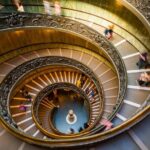
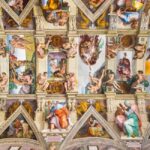
Meeting and ticket redemption at Via Tunisi, 4
This experience uses a voucher system. Your job is to redeem your booking voucher for the actual ticket at Via Tunisi, 4, 00192 Roma. It’s close to the Vatican Museums area, and it’s set up to keep you from hunting all over the neighborhood for the right counter.
Here’s the practical tip that keeps people from turning their visit into a stressful scramble: arrive early enough to handle the voucher redemption and get positioned before your entry time. One of the clearest themes from real feedback is that showing up late can cause the entry window to expire, and then you lose the fast-track benefits.
Also, remember that the Vatican controls security timing. Even with skip-the-line access, you must pass through screening, and delays can happen. The provider can’t promise a zero-wait entry once you reach the security area.
The Vatican Museums route: how the map and app help you not get lost
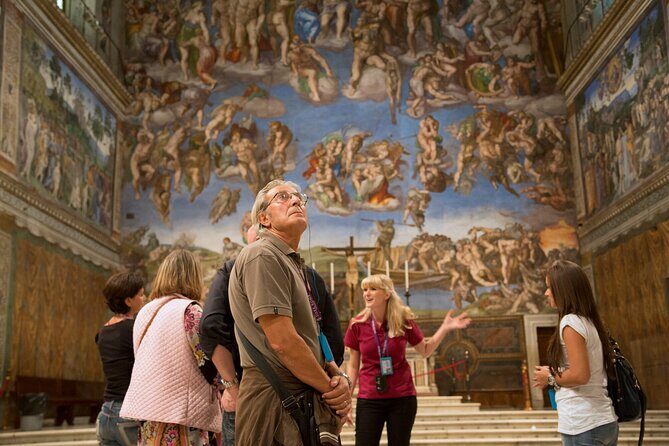
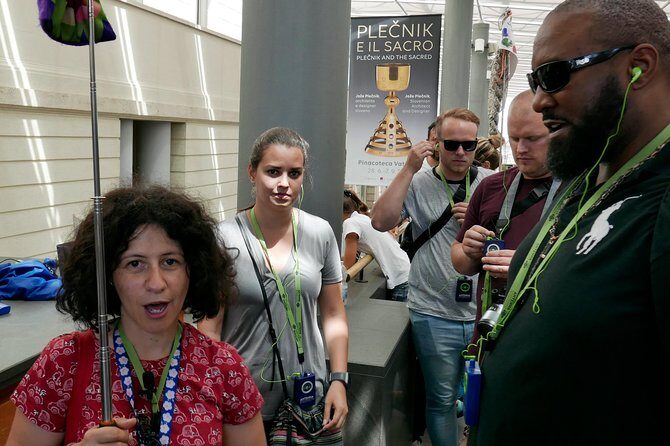
Inside the Vatican Museums, you’re stepping into a multi-stop experience built around the top works people come for. You start with an escorted-style entry to the skip-the-line entrance and a quick orientation. Then you shift into self-guided mode using a map and a digital audio guide.
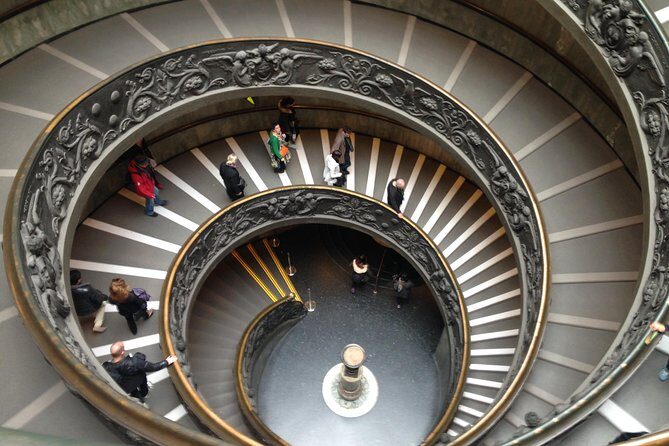
The map is especially useful because the route is not just a straight line. The Museums complex is a network of corridors, stairways, and rooms, and people often end up drifting because it’s all so visually intense. Having the route helps you keep your energy for the stops that matter.
You also get the self-guided app (available on your phone) with content in multiple languages: Chinese, German, English, French, Italian, Polish, and Spanish. That’s convenient if you’re traveling with someone who doesn’t want to fight over one headset. Just make sure you’re not relying on spotty Wi‑Fi because you’ll want the phone ready before you enter.
A quick note on the audio: it’s an external digital guide tied to your device. It’s not the official museum audio headset you can buy on-site. That can be fine, but if you love museum narration that’s ultra-detailed per painting and room, you might find the app a bit more limited than the paid options you see inside.
Città del Vaticano and the priority start: getting moving fast

Stop 1 is your entry into Città del Vaticano, with your skip-the-line ticket and audio support. This is where the experience earns its keep. Instead of spending time in a sales queue, you redeem your voucher, then move through the reserved entrance.
If you like planning your day, this is also where you benefit from choosing a morning or afternoon entrance time. Morning can feel calmer, but it’s also when crowds swell fast because everyone wants the first wave. Afternoon can mean longer queues at certain chokepoints, especially around the Sistine Chapel. The key is that you can align your entry with the rest of your itinerary.
This part of the process tends to run best when you treat it like check-in for a flight: be there early, don’t improvise, and keep your phone charged.
Cortile della Pigna: the courtyard moment you can breathe in
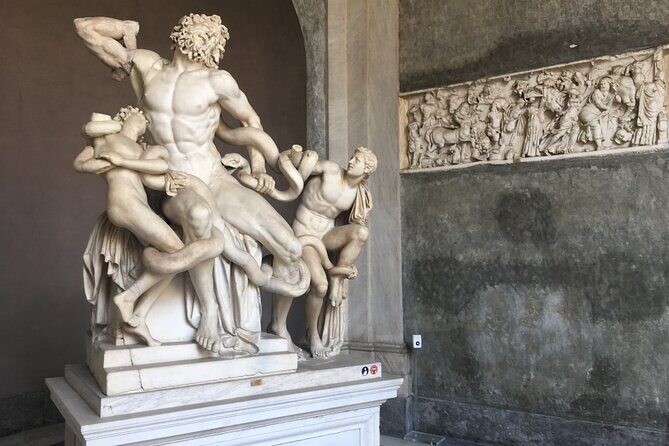
One of the best pauses in the Vatican Museums is Cortile della Pigna, the Pinecone Courtyard. It’s quieter than the interior rooms, and it gives your eyes a reset. You’re dealing with a lot of marble and wall art inside, so a greenery-and-architecture moment can be a real relief.
There’s also a centerpiece you won’t want to miss: Donato Bramante’s Pigna statue (the bronze pinecone). It’s not just decorative. It’s a strong visual anchor in a space that otherwise can feel like endless hallways. When you’ve been weaving through rooms, an open courtyard like this helps you regain orientation.
If you’re traveling with kids or you’re with older relatives who need breaks, the courtyard is a good spot to slow down for a few minutes. You can take photos here without feeling like you’re holding up a tour group.
Other skip-the-line Vatican tickets at the Vatican & Rome



Sphere within a Sphere: Pomodoro’s sculpture in the Vatican
Next comes a striking detour that feels almost modern in a museum of ancient everything. In the same courtyard area stands Sfera con sfera (Sphere Within a Sphere) by Arnaldo Pomodoro.
What I like about stopping here is the mental contrast. You’re surrounded by Renaissance and classical art, then you get a sculpture that looks like it’s been engineered. It’s visually complex, and it fits the Vatican Museums idea that the collection isn’t only about one era.
The theme of the sculpture—fractured spheres, complex machinery-like forms—adds another layer to your visit. You’re not just collecting images of frescoes and statues. You’re noticing how art and ideas evolve over time.
Gallery of the Maps: geography with real swagger
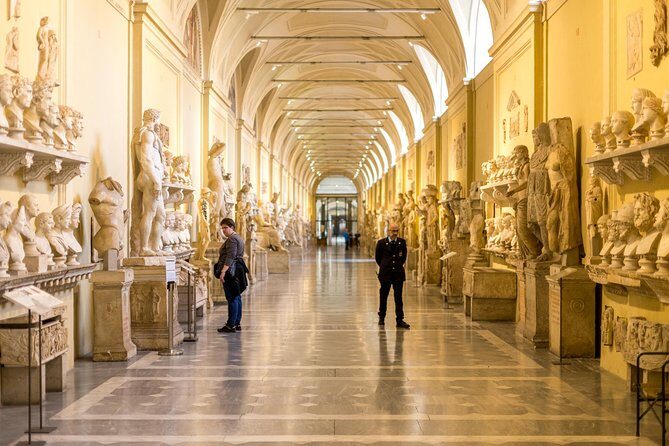
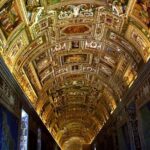
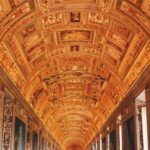
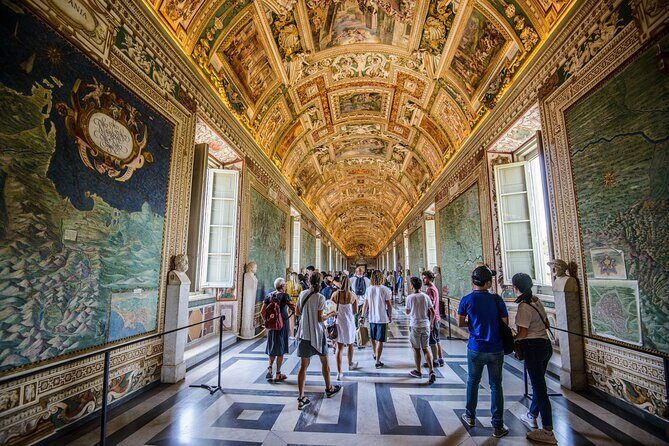
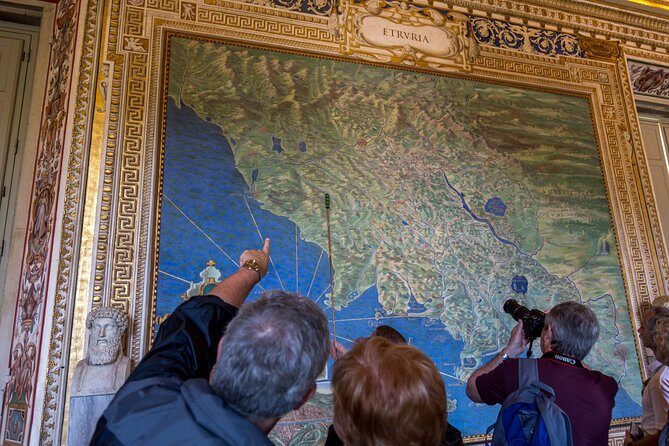
Stop 5 is the Gallery of Maps, one of the Vatican Museums spaces that feels tailor-made for people who love history and design. The room showcases detailed cartography across centuries, so it’s both art and information.
This is a strong stop if you enjoy seeing how people once understood the world: borders, regions, and map-making styles before the modern age of satellites. It’s not just a wall of text. It’s visual design—color, scale, and structure—turned into a museum room.
Drawback: if you’re short on time or you’re traveling with someone who doesn’t like maps, you might skim it. But even a quick look is worth it because it breaks the rhythm of galleries filled with religious scenes and portraits.
Stanze di Raffaello (Raphael Rooms): where the museum gets loud
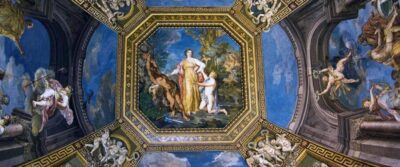
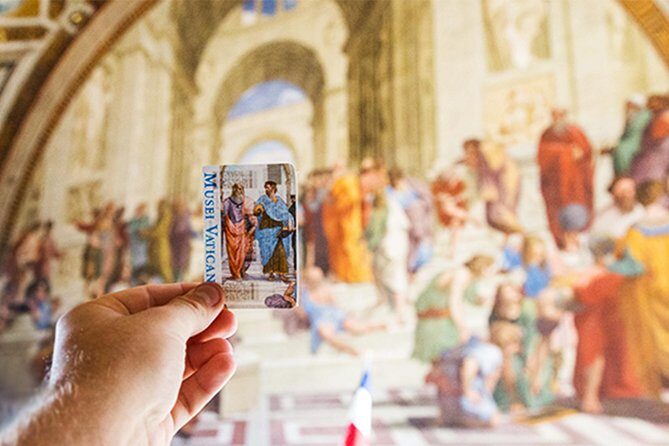
Stop 6 moves you into Raphael’s Rooms. This is where Renaissance art becomes the main event. You’ll see famous fresco work attributed to Raphael, including the iconic School of Athens.
The Raphael Rooms are also a good example of why a self-guided tour still needs structure. These rooms can overwhelm you if you’re drifting randomly. If you follow the intended sequence using the map, you’ll spend your limited time in the rooms that provide the biggest payoff.
Practical tip: when crowds thicken, spend a moment stepping to the side to get a clearer view. Don’t fight the front-of-room crowd. In fresco rooms, being slightly off-center often gives you a better shot and a clearer look at details.
Sistine Chapel: Michelangelo’s ceiling and wall, plus the practical constraints
Stop 7 is the finish: the Sistine Chapel. This is the site most people imagine before they ever arrive. It’s also where the Vatican’s rules meet real-world logistics.
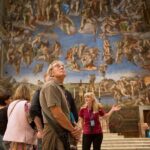
You’re there for Michelangelo’s ceiling fresco (including Creation of Adam) and the Last Judgment on the wall. You’re also in a chapel that functions as the pope’s personal place of worship and is where new popes are elected, which is why access and scheduling can feel strict.
One caution worth taking seriously: the Sistine Chapel can close for special events or workings. Your ticket is planned for the experience, but you should expect that Vatican schedules can change day to day. If you’ve paid specifically for Sistine Chapel time, you’ll want to arrive with enough flexibility to handle surprises.
Also, crowds. Even with a timed entry ticket, the Sistine Chapel area can become packed. That’s normal here. If your goal is calm viewing, you may need to shift your expectations from quiet gallery stroll to respectful crowd viewing.
Audio guide app: useful if you use it before and during
This experience includes a self-guided app with audio content. In theory, it’s perfect: headphones on, phone in hand, and you go at your pace.
In practice, the app works best when you do three things:
- Bring earphones (the data explicitly asks you to).
- Make sure your phone has enough battery.
- Download or prepare content ahead of time if needed, since relying on museum Wi‑Fi is risky.
Some reviews mention the audio being sparse, short, or hard to connect to the exact exhibits. That’s the biggest reason people end up wishing they had bought the official Vatican audio guide inside. Another issue: a few visitors found the app lacked clear entrance and direction instructions, making it easier to miss areas.
My advice: use the app for context, not as a strict navigation system. Let the map tell you where to go, and use the audio to help you understand what you’re looking at once you’re there.
If you’re a solo traveler, the audio can also make the visit feel less overwhelming. You’re not alone with your thoughts in a sea of crowds—you’ve got a running guide in your ear.
Timing, crowd control, and the security check reality
Skip-the-line tickets are helpful, but they’re not a free pass. Every passenger must go through a security check, and you can’t control the delay. If you plan your Rome day tightly, leave buffer time.
Timing also matters for the voucher entry window. Your voucher is valid only for the entry time you selected. Once you’re inside, you can usually stay longer depending on opening hours, but entry is the gate that must be respected.
Arrival advice I’d follow: treat the meeting and redemption point like an appointment. Give yourself time to find the exact location, get the ticket sorted, and then get into the stream before your entry window.
And yes, the Vatican can still feel extremely crowded. That’s not a tour operator issue—it’s simply demand plus limited space. Your best defense is entering at the time you chose, following the route you’re given, and not trying to spend 40 minutes in every single room.
Price and value: is $46.86 worth it?
At $46.86 per person for a 3-hour visit, this ticket price is mostly buying you time and certainty. You’re paying to avoid the worst lines and to get an organized route through the top sights.
That said, there are two cost-value checks you should do:
- Compare against buying directly when you’re comfortable with the process. Some feedback suggests direct museum options can be cheaper.
- Consider what you value more: saving minutes in line or saving euros by booking the simplest option you can.
If you’re visiting in peak season or your itinerary is tight, the skip-the-line value often wins. If you’re traveling with plenty of time and you don’t mind lines, you might be able to spend less elsewhere. For most people, though, saving hours at the Vatican is one of the best uses of money in Rome.
Also: the difference between an actually useful audio guide and a disappointing one can shape your sense of value. If you love structured narration, be ready that the app may feel limited compared to official offerings.
Breakfast option: nice if it works for your morning, not if you expect a big deal
Some ticket options include a buffet breakfast inside the Vatican’s Courtyard. That’s a convenient perk when you’re doing a morning entrance because it reduces decision fatigue—you’re eating before the museum drains your energy.
But it’s not automatically a must-do. One review calls the breakfast not really worth it, so I’d treat it as a bonus, not the main reason to book. If you’re picky about food or expect a full restaurant-style experience, don’t build your trip around it.
Who this tour suits best (and who should be careful)
This is a good fit if you:
- Want timed access and a smoother path through the Vatican Museums.
- Prefer to explore at your own pace instead of being led room to room.
- Like a map and short audio context rather than a full guided lecture.
Be careful if you:
- Expect the audio app to function like a highly detailed exhibit-by-exhibit docent.
- Get easily frustrated if a phone app is slow to load or uses lots of storage.
- Are very sensitive to crowding. The Vatican is still crowded even with reserved entry.
If you’re the type who wants step-by-step directions and constant interpretation, a guided tour might feel more satisfying. But if you’re more of a wander-smart-with-a-plan person, this format can be a win.
Should you book this Vatican Museums and Sistine Chapel ticket with audio guide?
Book it if your priority is straightforward entry and a route that hits the big names: the Raphael Rooms, the Gallery of Maps, the Pinecone Courtyard, and finally Michelangelo in the Sistine Chapel. The skip-the-line element is the core reason most people are happy, and the map plus audio support helps you use your time wisely.
Skip it or shop around if:
- You’re trying to minimize costs and you’re comfortable booking through official channels.
- You know you dislike audio apps and would rather buy an on-site official audio guide.
- You plan to arrive late or you’re depending on unpredictable timing from elsewhere in Rome.
If you do book, do one thing that pays off immediately: arrive early, redeem your voucher smoothly, bring earphones, and keep your phone charged. That’s how you get the best version of the experience—more looking, less hunting.
FAQ
Where do I redeem my voucher for the Vatican ticket?
You redeem your booking voucher at Via Tunisi, 4, 00192 Roma RM, Italy near the Vatican Museums.
Does this include skip-the-line access?
Yes. You get reserved skip-the-line access to the Vatican Museums and escorted access through the skip-the-line entrance.
Is this a guided tour?
No. The experience includes audio and self-guided support, but a guided tour is not included.
How long is the visit?
The duration is about 3 hours.
Can I choose a morning or afternoon entry time?
Yes. You can choose an entrance time in either the morning or afternoon.
Do I need earphones and phone battery for the audio?
Yes. You should bring earphones and make sure you have enough phone battery to use the self-guided app content.
Is there security screening even with skip-the-line access?
Yes. You must go through a security check, and delays from screening are outside the operator’s control.
What languages are available for the self-guided app?
The app is available in Chinese, German, English, French, Italian, Polish, and Spanish.
Is breakfast included?
It’s included only if you select the option. The buffet breakfast is served inside the Vatican’s Courtyard.
Will I be able to enter the Sistine Chapel?
The plan includes entry to the Sistine Chapel, but it can be subject to possible closures for workings or special visits, so it’s smart to stay flexible on the day.