REVIEW · VATICAN CITY
Vatican: Gardens, Museums and Sistine Chapel Guided Tour
Book on GetYourGuide →Operated by TOURISTATION · Bookable on GetYourGuide
The Vatican feels different on foot. This guided, skip-the-line route is interesting because it ties together the quiet Vatican Gardens, major Vatican Museums rooms, and the Sistine Chapel with an expert telling you what you’re really looking at. I love the walk through the Gardens, especially the offbeat stops like the original Berlin Wall piece. I also love how the guide helps you read Michelangelo’s ceiling instead of just staring at it. One possible drawback: it’s a lot of standing and walking, so your legs need to be game.
In about three hours, you’ll move from garden paths to museum galleries to the Chapel, with a behind-the-scenes-style look at St. Peter’s Basilica along the way. You’ll get the tour in Italian or English, and the timing matters—show up early, dress correctly, and you’ll get the smooth experience this tour is built for.
In This Review
- Key Highlights You’ll Actually Feel
- Why This Vatican Combo Tour Works in 3 Hours
- The Meeting Point and the Timing Rule (Read This Part)
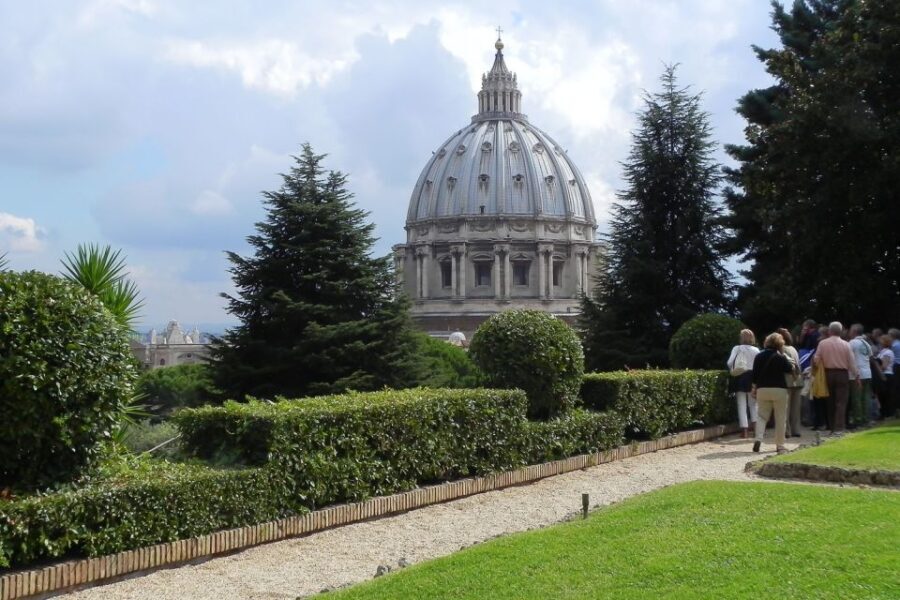
- Vatican Gardens on Foot: Quiet Paths With Real Landmarks
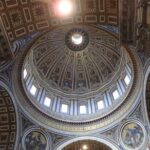
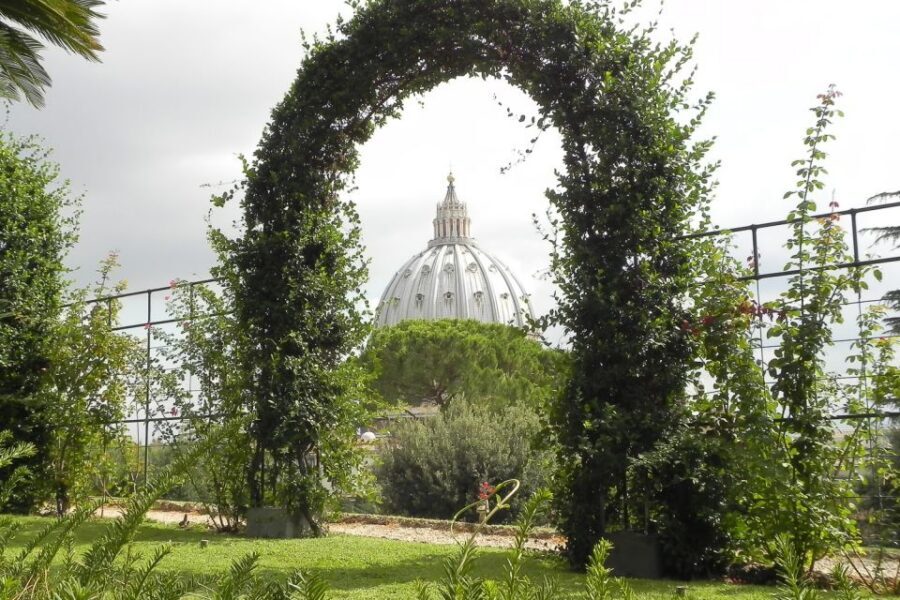
- The Cupola Angle at St. Peter’s Basilica
- Vatican Museums: Maps, Famous Rooms, and the Pio V Chapel
- Gallery of Maps: a fast way to understand how the Vatican collected knowledge
- Raphael Rooms: where you see a master plan, not random paintings
- Wall Hangings and Candelabras: the kind of art you appreciate up close
- Chapel of Pio V: a quieter pause before the main event
- Sistine Chapel: How to Look So You Don’t Waste the Moment
- The Guide Factor: What Makes the Experience Feel Worth It
- What to Wear, What Not to Bring, and What to Do With Your Feet
- Accessibility Reality Check (So You Can Decide Fast)
- Should You Book This Vatican Museums and Sistine Chapel Tour?
- FAQ
- How long is the Vatican Gardens, Museums and Sistine Chapel guided tour?
- Do I get skip-the-line access?
- What’s the meeting point?
- What time should I arrive?
- Is the tour offered in English?
- What should I wear and bring?
- Is this tour suitable for wheelchair users?
- Are there restrictions on mobility?
- What happens if the Sistine Chapel is closed?
Key Highlights You’ll Actually Feel
- Skip-the-line start in the Vatican Gardens so you’re not stuck in the same slow entry crush
- Vatican Gardens landmarks on foot including Pope Emeritus’ House, Vatican Radio Station, the Academy of Sciences, and a former summer residence
- Unexpected history spots like a piece of the original Berlin Wall and the Fontana dell’Aquilone
- A special St. Peter’s Basilica perspective with a look toward the Cupola from a different angle
- Top museum stops at a smart pace: Gallery of Maps, the wall hangings and candelabras gallery, Raphael Rooms, and the Chapel of Pio V
- Sistine Chapel guidance that changes how you see it so the frescoes land fast
Why This Vatican Combo Tour Works in 3 Hours
The Vatican can be a one-day stress test: huge crowds, confusing layout, and a timing system that doesn’t care about your plans. This tour is built to cut through that chaos. The big win is that you’re not just checking boxes. You’re guided through three major zones—Gardens, Museums, and the Sistine Chapel—in a logical order, with stops chosen to keep momentum.
I like how the experience starts outdoors. The Vatican Gardens give you a palate cleanser before you’re hit with the indoor scale of the Museums and the Sistine Chapel ceiling. And because you’re with a live guide, the time feels purposeful. You’re not wandering, trying to figure out why a corridor matters.
The other reason I’d consider this tour is that it focuses on what you’ll remember. The Gardens aren’t just a stroll—they include very specific landmarks. The Museums aren’t a random list—they’re built around major highlights like the Gallery of Maps and the Raphael Rooms. And the Sistine Chapel visit isn’t treated like a photo stop. It’s structured so you know what you’re seeing before you reach the ceiling.
Other Sistine Chapel tours at the Vatican & Rome


The Meeting Point and the Timing Rule (Read This Part)
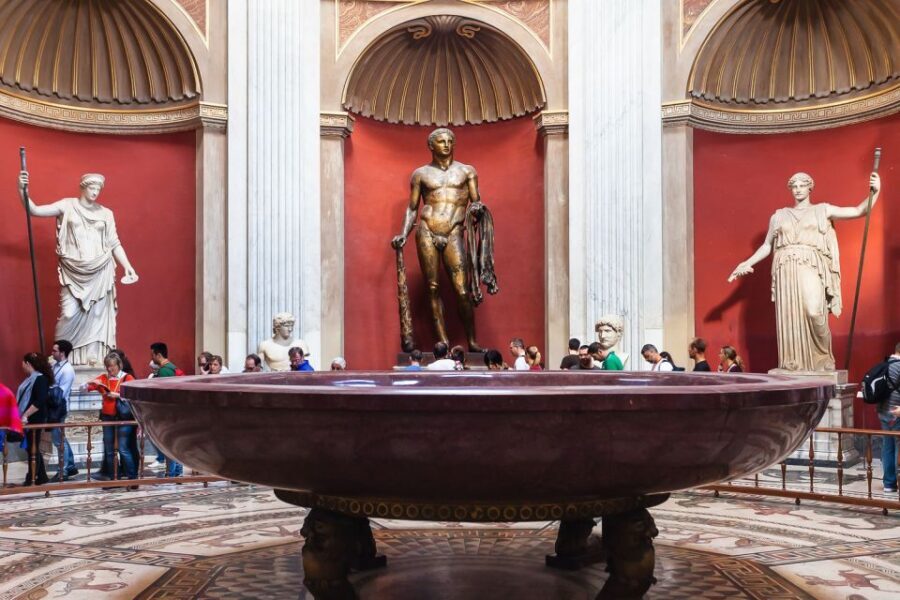
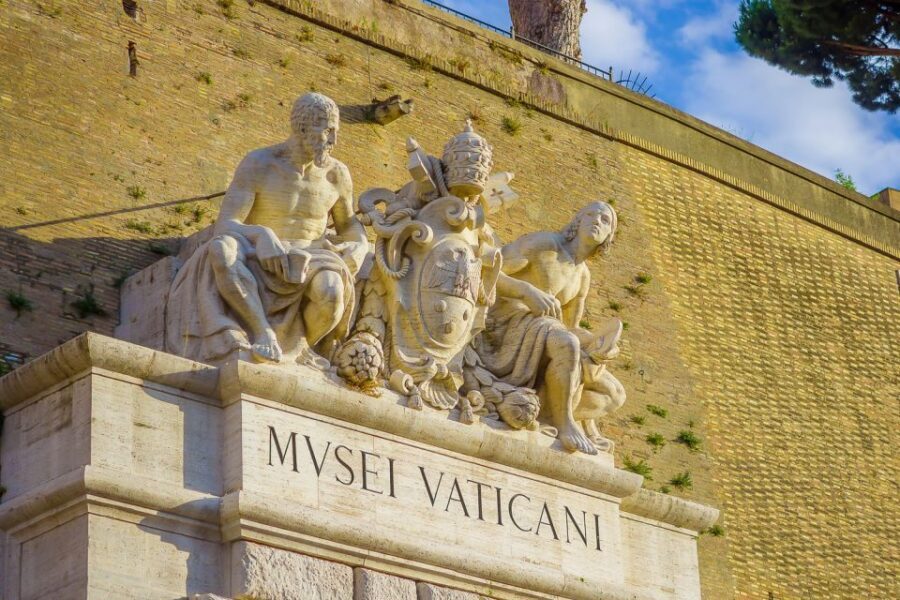
You’ll meet at the Touristation Office in Viale Vaticano 95, and you should report 20 minutes before your selected time. The meeting point can vary depending on the option booked, so go by what you’re given for your exact time slot—and don’t gamble with late arrivals.
Here’s the practical detail that can trip people up: you may need to stop at a counter to have your ticket checked or activated before you head into the Vatican areas with the group. Plan for this. Don’t assume you can just walk straight through without a quick counter step. This is one of those small moments that can make your whole morning feel rushed if you ignore it.
Also, be realistic about travel time. You’re responsible for getting yourself to the meeting point; the tour won’t transport you from your hotel. If you’re coming from central Rome, build in buffer time for getting around Vatican traffic and crowds.
Finally, the tour is strict about lateness. The selected time must be respected, and latecomers won’t be accommodated. So if you’re the type who likes to wander for 10 minutes with coffee before a timed ticket, this is your sign to tighten the plan.
Vatican Gardens on Foot: Quiet Paths With Real Landmarks
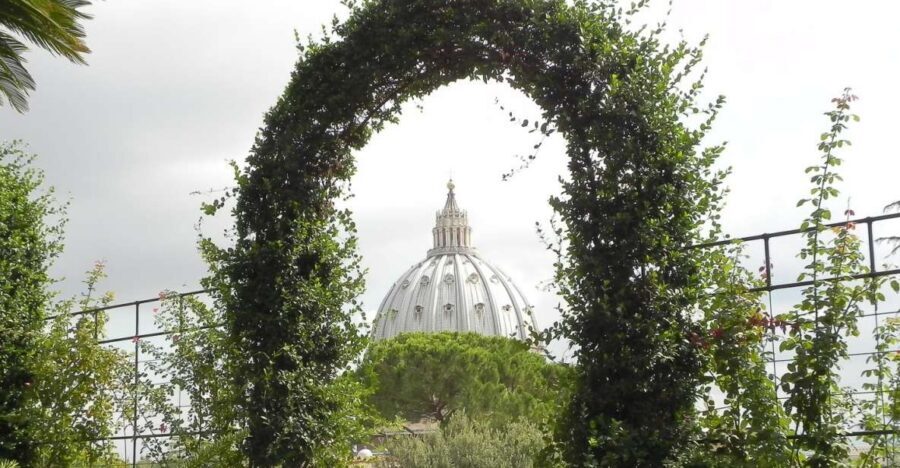
The tour’s pace starts outdoors, in the Vatican Gardens, where you’re walking with an expert guide rather than simply sightseeing from a distance. The best part of this section is that it feels like you’re moving through a living campus, not a museum courtyard.
You’ll cover several recognizable landmarks, including:
- Pope Emeritus’ House
- Vatican Radio Station
- Academy of Sciences
- The Pope’s former summer residence
- A piece of the original Berlin Wall
- Fontana dell’Aquilone
That last list matters, because it gives the Gardens personality. The Vatican Gardens can sound like a generic “pretty grounds” stop. But with these specific markers, you get a sense of how the Vatican functions beyond the postcard image of marble and saints.
You’ll also get a behind-the-scenes vibe as you move through the garden areas on foot. Not every Vatican tour offers this kind of perspective, and that’s why this morning feels different. It’s calmer than the Museums, but still active—you’re learning while you walk.
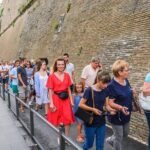
Comfort note: you’ll be standing and walking for extended periods during the full tour. In the Gardens, that walking is slower and more scenic, but it still counts. Wear shoes you can trust on uneven outdoor surfaces.
The Cupola Angle at St. Peter’s Basilica
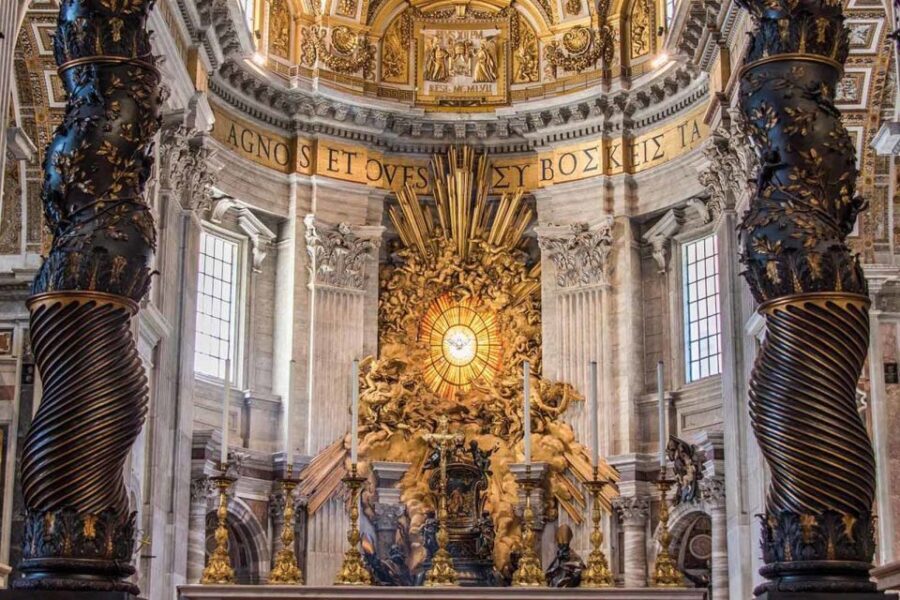
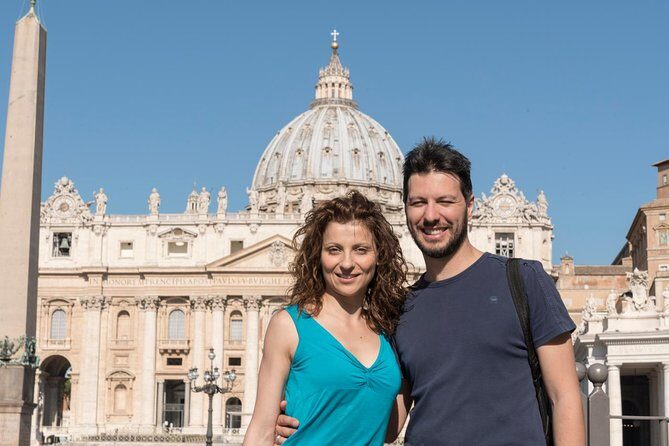
One of the sneakiest thrills in this tour is the behind-the-scenes view of St. Peter’s Basilica, including a special perspective of the Cupola. Even if you’ve seen photos of St. Peter’s Basilica, a different vantage point can make it feel new.
This isn’t presented like a full basilica tour with every chapel and door. It’s more like a strategic preview: you see the Cupola from an angle that helps you understand the building’s scale and geometry. For many first-timers, that’s what turns a photo into real architecture.
If your brain works visually, this stop helps you. You can start connecting what you learn in the Museums—periods, artists, symbols—to what you see in the basilica context.
Vatican Museums: Maps, Famous Rooms, and the Pio V Chapel
After the Gardens, you shift into the museum world where everything is bigger than your expectations. The key here is that you don’t get lost in the museum maze.
The tour includes major highlights such as:
- Gallery of Maps
- Raphael Rooms
- A gallery known for wall hangings and candelabras
- Chapel of Pio V
Other guided Vatican tours at the Vatican & Rome






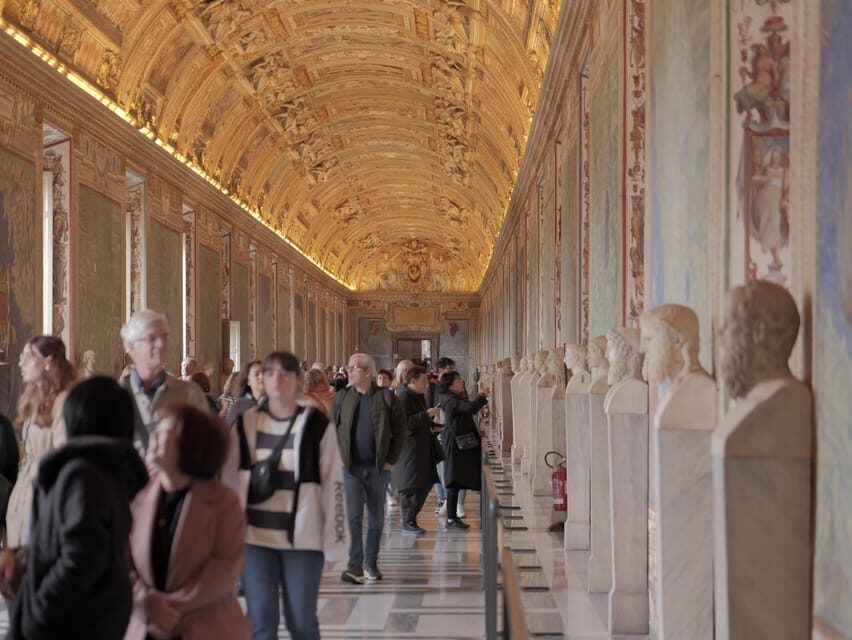
Gallery of Maps: a fast way to understand how the Vatican collected knowledge
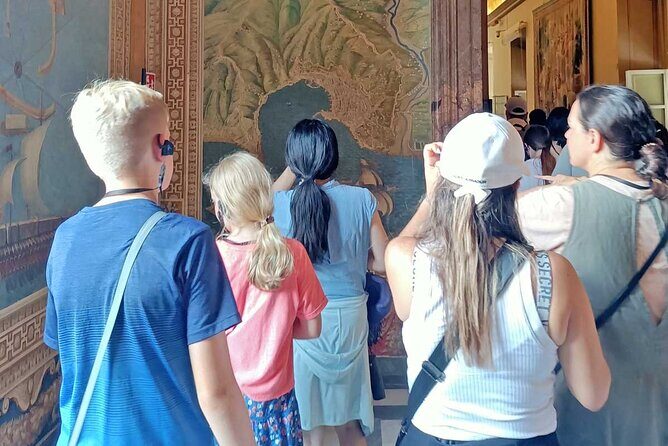
The Gallery of Maps is a great stop for visitors who like ideas as much as art. You’re looking at geography treated as something curated and important. With a guide, this section becomes less about staring at images and more about learning what the maps represented and how they fit the Vatican’s worldview.
Raphael Rooms: where you see a master plan, not random paintings
The Raphael Rooms are often described as “must-see,” but the real value is pacing and context. When you’re in these rooms with a guide, you’re less likely to treat each fresco as an isolated masterpiece. You can see themes, relationships, and why these rooms earned their reputation.
Wall Hangings and Candelabras: the kind of art you appreciate up close
The gallery with wall hangings and candelabras can be hard to process if you’re trying to read it like a comic book. A good guide slows you down just enough to notice details you’d miss alone—compositions, themes, and the way these pieces create atmosphere.
Chapel of Pio V: a quieter pause before the main event
Chapel of Pio V gives you a change of tone right before the Sistine Chapel. It helps to think of it as a transition moment. You’re moving from museum spectacle into a space where the focus gets sharper and more intense.
Sistine Chapel: How to Look So You Don’t Waste the Moment
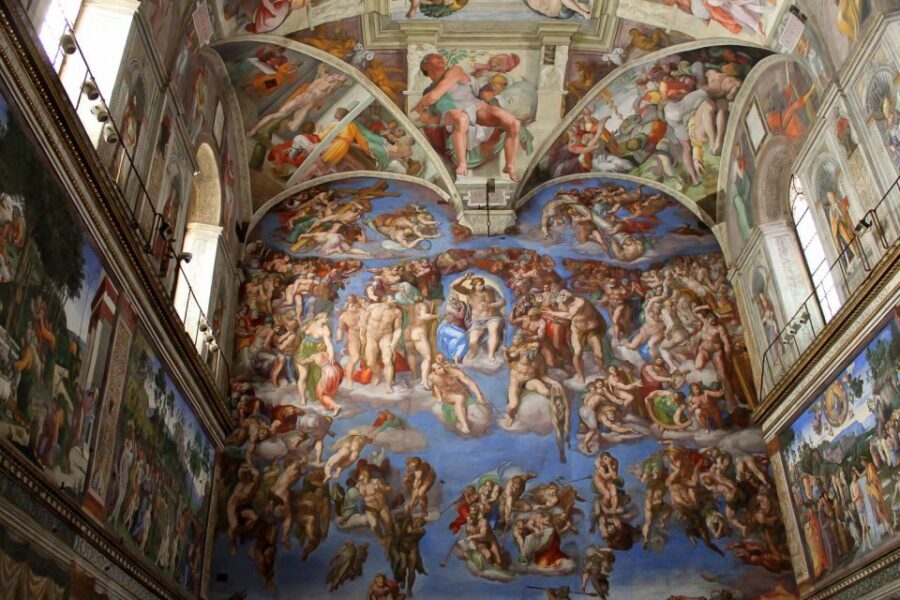
The Sistine Chapel is the part everyone talks about, and for good reason. But the tour’s structure matters. You’re not just walking into a crowd and hoping you’ll figure it out on your own.
Michelangelo’s frescoes are the headline, and your guide’s job is to help you see them in a way that clicks. Without guidance, the chapel can feel like sensory overload. With guidance, it becomes more like a guided reading of images—figures, relationships, symbolism, and the sense of scale that makes the ceiling feel almost impossible.
Here’s my practical advice: when you first look up, don’t try to take it all in at once. Instead, follow the guide’s cues. Let them point you to what to notice first. Once you spot the initial anchors, the rest becomes easier to process.
Also keep in mind a strict reality: the Vatican Museums reserve the right to close any section, including the Sistine Chapel, due to unforeseen circumstances. If that happens, closures do not entitle visitors to a refund. It’s rare, but you should know it as part of planning.
The Guide Factor: What Makes the Experience Feel Worth It
This tour succeeds or fails based on the guide. And the strongest feedback patterns here are about explanation quality: guides don’t just point; they explain in a way that makes the art and history feel connected.
I like that the tour is led as a live guided experience in Italian or English. That matters because Vatican art can be loaded with context—who made what, why the themes mattered, and what viewers were expected to take away. In a group setting, strong guiding is what turns a crowded room into an organized learning moment.
If you’re the kind of traveler who gets restless in long museum lines, this is the antidote. A good guide gives your eyes something to do. You’re always moving with a reason.
And one more small but important value point: skip-the-line access is most valuable when it saves time you’d otherwise waste waiting without direction. Here, the time you gain doesn’t just evaporate—it gets used, which helps overall value.
What to Wear, What Not to Bring, and What to Do With Your Feet
The Vatican has a clear dress and access rule set, and this tour enforces it. You cannot wear:
- Shorts
- Short skirts
- Sleeveless shirts
You also shouldn’t bring luggage or large bags. Keep your kit minimal.
This matters for two reasons. First, it prevents delays at entry. Second, it keeps you comfortable while standing and walking. If you’re trying to win a fashion contest, the Vatican will not be interested.
Also plan for physical effort. This tour involves long periods of standing and a lot of walking, and it’s not recommended for people with limited mobility. It’s not suitable for wheelchair users either.
Accessibility Reality Check (So You Can Decide Fast)
This is not the tour to choose if mobility is a challenge. With the amount of standing and walking, plus the Vatican’s general layout, it can be difficult even for people who are generally okay walking short distances. If you need step-free access or frequent breaks, you’ll want a different plan.
Even if you can physically make it to the major rooms, the pacing and time constraints can make it stressful. For this experience, comfort and mobility should lead the decision.
Should You Book This Vatican Museums and Sistine Chapel Tour?
Book it if you want:
- Skip-the-line access and a guided route that keeps the day organized
- A mix of outdoor calm in the Vatican Gardens and big indoor highlights in the Museums
- Expert explanations that help you understand what you’re seeing in the Sistine Chapel (especially Michelangelo)
Skip it if:
- You can’t handle long standing and walking
- You’re hoping for a slow, relaxed Vatican stroll with lots of free time to wander
If you’re a first-timer, this tour is a strong way to see more of the Vatican’s best-known areas without spending your morning fighting lines and figuring out where to go next. Just be strict about the meeting time, keep your outfit Vatican-friendly, and arrive with the expectation that you’ll be on your feet for a solid chunk of your visit.
FAQ
How long is the Vatican Gardens, Museums and Sistine Chapel guided tour?
The tour lasts 3 hours.
Do I get skip-the-line access?
Yes. The tour includes skip-the-line ticket access.
What’s the meeting point?
Meeting point may vary depending on the option booked. The provided instruction is to report to the Touristation Office at Viale Vaticano 95, 20 minutes before the selected time.
What time should I arrive?
Arrive 20 minutes before your selected time. The chosen time must be respected, and latecomers will not be accommodated.
Is the tour offered in English?
Yes. The live tour guide is available in Italian and English.
What should I wear and bring?
Shorts, short skirts, and sleeveless shirts are not allowed. Luggage or large bags are not allowed.
Is this tour suitable for wheelchair users?
No. The tour is not suitable for people with mobility impairments or wheelchair users.
Are there restrictions on mobility?
Yes. The tour involves long periods of standing with a lot of walking and is not recommended for people with limited mobility.
What happens if the Sistine Chapel is closed?
The Vatican Museums may close sections, including the Sistine Chapel, due to unforeseen circumstances. Closures do not entitle visitors to any refund.