REVIEW · VATICAN MUSEUMS
Vatican: Museums & Sistine Chapel Entrance Ticket
Book on GetYourGuide →Operated by Distributor: GetYourGuide Tours & Tickets GmbH · Bookable on GetYourGuide
Few places test your patience like the Vatican. This ticket keeps the focus on art by using a dedicated GetYourGuide entrance and letting you walk at your own pace through the Vatican Museums into the Sistine Chapel.
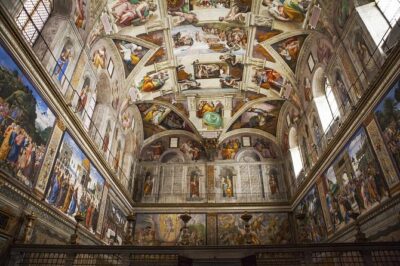
What I like most is how clearly it sets you up for the big moments. You’ll see Michelangelo’s The Creation of Adam in the Sistine Chapel, and you can use the optional audio guide pickup inside the museums to help you connect the dots as you go.
The main catch? The Vatican is still a security-and-crowd machine, and the museum route is basically one-way. Also, note that restoration work at the Sistine Chapel is scheduled to begin in February 2026 for three months, even though the chapel stays open.
In This Review
- Key things to know before you go
- Skip-The-Line Entry That Actually Matters in Vatican Chaos
- Timed Tickets: Why Your Arrival Time Changes Everything
- Vatican Museums in Human Terms: The Route and What Each Area Gives You
- Greek Cross Gallery and the feeling of scale
- Cabinet of the Masks and Sala degli Animali: the fun side
- Upper Galleries and the Gallery of Maps
- Raphael Rooms: Renaissance storytelling in rooms
- Borgia Apartments: a break that still feels like drama
- A note on modern art stops
- Raphael Rooms to Borgia Apartments: Fast Changes, Big Payoffs
- Sistine Chapel Finale: Creation of Adam, Crowds, and Feb 2026 Restoration
- The main moment: The Creation of Adam
- Where to sit so you can actually enjoy it
- Restoration works starting February 2026
- Audio Guide Setup: Making the Art Click Without a Guide
- Dress Code and Security: The Stuff That Wastes Time If You Ignore It
- What the $38 Includes (and What It Doesn’t)
- Who Should Book This Vatican Museums and Sistine Chapel Ticket?
- Should You Book It? My Practical Verdict
- FAQ
- What does this ticket cover?
- Can I visit St. Peter’s Basilica with this?
- Do I need to arrive at a specific time slot?
- Where do I go to enter?
- Is an audio guide included?
- Which audio guide languages are available?
- What dress code should I follow?
- Will the Sistine Chapel be closed for restoration?
Key things to know before you go
- Dedicated GetYourGuide entrance on Viale Vaticano: show your voucher and get scanned after security.
- Self-paced, time-slot entry: go in at your chosen moment, then wander as long as you like.
- Audio guide pickup at a GetYourGuide desk: useful for understanding what you’re looking at.
- Sistine Chapel is the far finish line: plan for a long walk and big crowds.
- One-way navigation and wayfinding can be tricky: bring patience and simple tactics to avoid backtracking.
- Sistine Chapel restoration starting Feb 2026: the chapel remains open, but the experience may not look exactly like in photos.
Skip-The-Line Entry That Actually Matters in Vatican Chaos
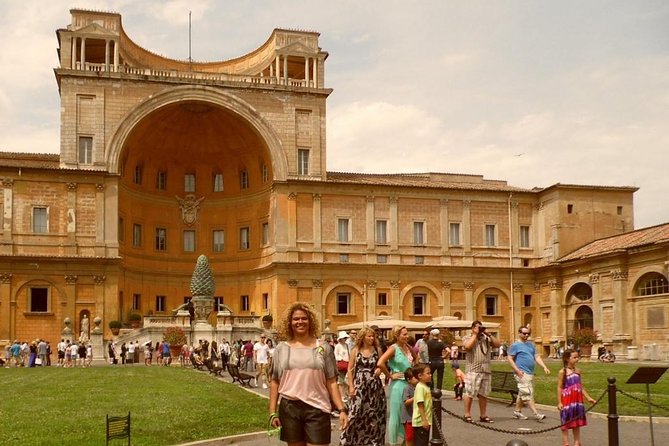
Let’s be honest: the Vatican Museums can turn into a waiting contest. This ticket is built for that reality. Instead of joining the long, slow queue for standard entry, you go through a GetYourGuide dedicated entrance and enter after the security checks.
That difference matters because you’re not just buying time. You’re buying freedom. The museums are enormous, and if you lose an hour to waiting at the start, you lose it later where it’s harder to replace—like when you finally reach the Raphael Rooms or the Sistine Chapel.
I also like that the experience is set up as a straightforward “arrive, enter, go” plan. You don’t need to keep matching a guide’s pace. You can slow down for the parts that grab you and speed through the ones that don’t.
If you're still narrowing it down, here are other tours in Vatican Museums we've reviewed.
Timed Tickets: Why Your Arrival Time Changes Everything
This is a valid-for-a-date-and-time-slot ticket. That means you shouldn’t show up early in a hope-and-a-prayer way. The instructions are clear: do not arrive outside your assigned time slot.
Here’s the practical effect: you’ll still do the standard airport-style security process, and in peak season that can take 30+ minutes. But once you’re past that point, timed entry helps you avoid the longest crush at the door.
My advice: pick your time slot like you’re planning for energy, not just for convenience. More than one person noted that earlier entry gives you breathing room, because later slots can feel rushed once you realize how far the Sistine Chapel is into the route.
Vatican Museums in Human Terms: The Route and What Each Area Gives You
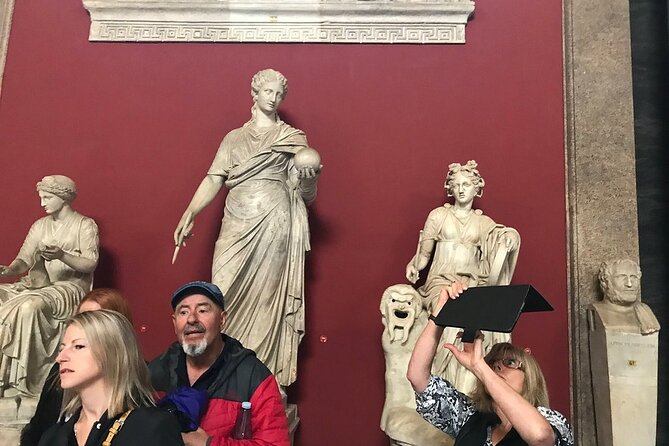
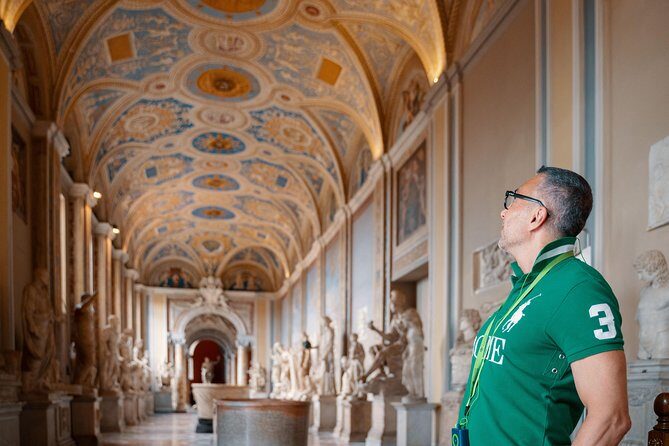
The Vatican Museums feel like walking through centuries in a straight line. The catch is that the route is very hard to backtrack once you commit. So I recommend you think of the visit as a sequence of “acts,” not a checklist.
Greek Cross Gallery and the feeling of scale
One of the earliest surprises is the Greek Cross Gallery, known for elaborately carved sarcophagi. Even if you don’t read every label, the atmosphere hits fast: you start to understand that you’re not looking at a couple of famous pieces. You’re walking through a whole machine of art collecting and display.
This section is also a good moment to set your pace. If you’re the type who likes absorbing without rushing, slow down here because later you’ll be pushed forward by the crowd flow.
Cabinet of the Masks and Sala degli Animali: the fun side
If you like details, the Cabinet of the Masks and the Sala degli Animali can feel like a palate cleanser. You’re not just seeing religious art. You’re seeing imagination on display—masks, symbols, and a virtual menagerie of fantastic beasts.
The value here isn’t just the objects. It’s how the Vatican Museums show different moods of creativity: ceremonial, theatrical, and story-driven.
Upper Galleries and the Gallery of Maps
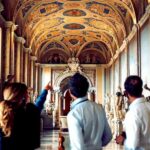
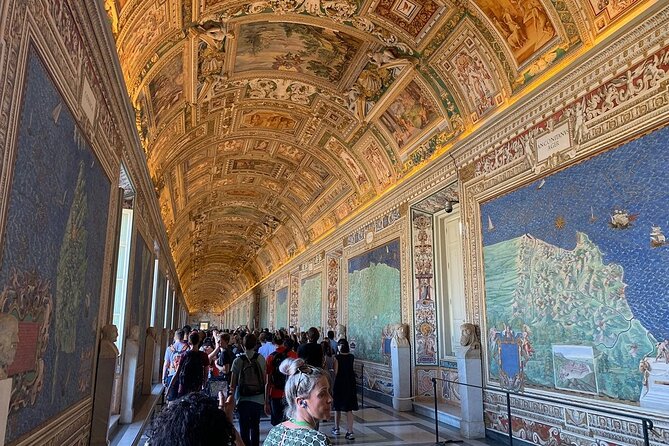
Next come the Upper Galleries, including the Gallery of Maps. Cartography sounds dry until you see it in the Vatican context. The room makes the point that art here includes how people understood the world—how they framed distance, power, and knowledge.
If you’ve been rushing through museums lately, this is a good place to pause. The maps give you a visual structure you can mentally reference later when you’re tired.
Raphael Rooms: Renaissance storytelling in rooms
Then you reach the Raphael Rooms, where the Renaissance masters do what they do best: make ideas feel human and dramatic. This is one of those stops where the audio guide (if you choose it) can turn you from a casual observer into someone who understands why certain scenes were painted that way.
You can’t “skim” the Raphael Rooms without losing something. Even walking slower for just one room helps.
Borgia Apartments: a break that still feels like drama
The Borgia Apartments can feel like a tonal shift, but not a detour. They’re a reminder that art at the Vatican isn’t only about devotion. It also reflects ambition, politics, and image-making.
If you like art that explains the real-world mess beneath the beauty, you’ll likely enjoy this area more than you expect.
A note on modern art stops
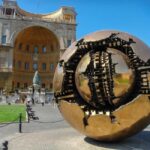
Some people find certain parts of the museums—like modern art areas—feel out of place compared with the older masterpieces. If you’re focused on Renaissance and classical works, you might treat modern art as optional rather than mandatory.
Raphael Rooms to Borgia Apartments: Fast Changes, Big Payoffs
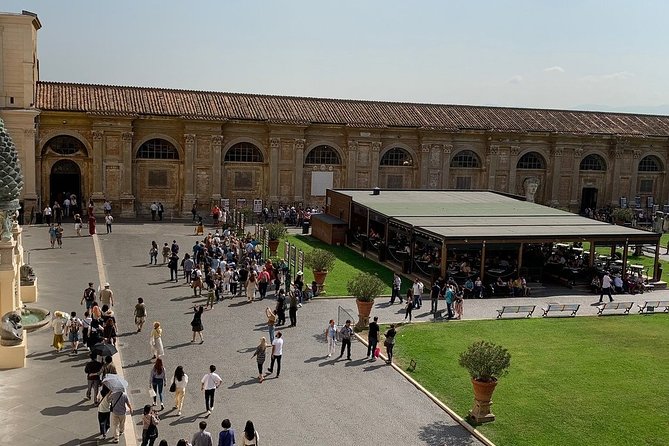
One thing that surprises people is how quickly the visual style can change. The Vatican Museums don’t hold your hand with a single theme. They throw you into new subjects and new methods constantly.
That’s why pacing matters. I’d rather spend longer in fewer rooms than sprint through everything and end up standing still in the Sistine Chapel with no mental energy left.
Also, signage and navigation aren’t always friendly. More than one experience noted that getting where you need to go—like toward the Sistine Chapel finish—can be confusing in practice. My fix is simple: when you find a key point in the route, take a quick mental note of landmarks and direction. Don’t assume you’ll easily backtrack.
Sistine Chapel Finale: Creation of Adam, Crowds, and Feb 2026 Restoration
The Sistine Chapel is the crown jewel moment, and you will feel it when you arrive. But it’s also the part that can catch you off guard: it’s a long walk from the rest of the museums, and it tends to be very busy.
The main moment: The Creation of Adam
Michelangelo’s The Creation of Adam is the obvious headline. Still, what you’ll notice when you stand there is how the ceiling storytelling holds together like one large composition. Even if you’re not a religious art expert, the craftsmanship hits.
Where to sit so you can actually enjoy it
Crowds make it hard to take your time. One useful tip from feedback: aim for the small seats toward the side and sit to listen to your audio guide about the paintings. That turns the chapel from a quick glance into a structured experience.
Also do what you can to plan for comfort. People consistently mention that this section is loud and crowded at peak times, and your enjoyment depends on how you manage your expectations.
Restoration works starting February 2026
Here’s the timing detail you should take seriously: from February 1, 2026, restoration works at the Sistine Chapel will start for three months. The chapel remains open and visitable.
Some people expected the Sistine Chapel to look like the famous photos and left disappointed when scaffolding was visible. Translation: if you’re trying to recreate a perfect postcard moment, go in knowing that the chapel may look different during that restoration window.
Audio Guide Setup: Making the Art Click Without a Guide
This activity can include an audio guide for the Vatican Museums if you select that option. Pickup is at the GetYourGuide desk inside the Museums.
You’ll likely feel the audio guide value immediately because the Vatican has layers: artists, workshops, symbols, and political context that you don’t naturally know from looking. With the audio guide, the rooms start to feel like they have captions you can hear.
Language options include Chinese, English, French, German, Italian, Japanese, Korean, Portuguese, Russian, and Spanish. One person noted the audio guide is priced around €8 in some languages, which matches the general idea that it’s a low-cost upgrade for comprehension.
If you want the best payoff, don’t let the audio guide become background noise. Listen for the parts that describe what to look for, then look. It helps you slow down without feeling like you’re stuck.
Dress Code and Security: The Stuff That Wastes Time If You Ignore It
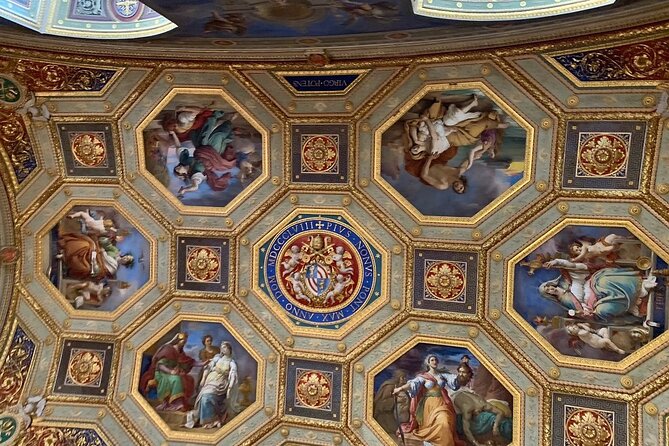
The Vatican enforces a clear dress rule. No shorts, no short skirts, and no sleeveless shirts. It’s not a style suggestion. If your outfit fails, you can end up losing time at the entrance while you figure out a workaround.
Plan for security too. This is airport-style security, and during high season the wait can be 30+ minutes. If you’re arriving from a morning tour or have a tight schedule, build in extra buffer.
Small but real help:
- Use the restroom before you go in. People specifically recommended this, since the visit is long and you don’t want to start hunting.
- Wear comfortable shoes. The museums involve serious walking and stairs.
- If you’re carrying stuff, some visitors mentioned a coat check option, which can save you from lugging a bag all day.
What the $38 Includes (and What It Doesn’t)
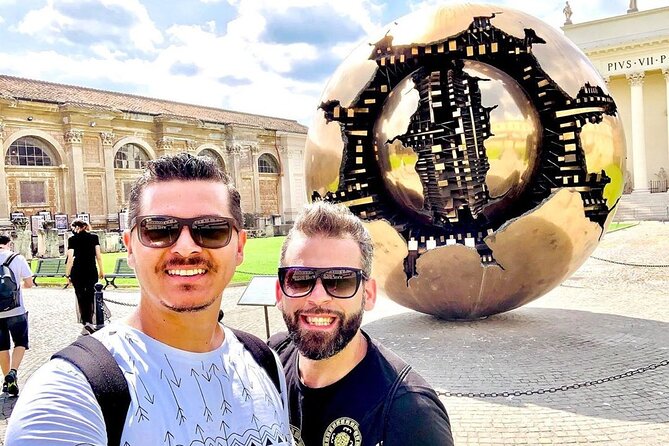
At $38 per person, this isn’t just a ticket. It’s a way to buy time through skip-the-ticket-line entry, plus a booking fee is included in the price. If you add the optional audio guide, that’s also covered.
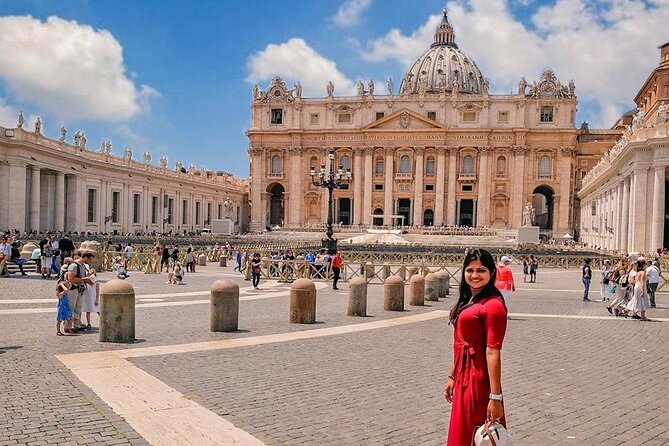
What’s not included is important for planning: St. Peter’s Basilica ticket is not included. Access is free in theory, but entry is not guaranteed and can vary because of crowd control. Access to the dome is not included.
So the realistic expectation is: your “must-do win” here is the Vatican Museums and the Sistine Chapel. St. Peter’s Basilica is a bonus you might get if conditions allow. If you’re trying to tick off the dome specifically, you’ll want to plan separately.
Also note: this is a non-refundable activity. That means you should book only when your dates and time slot are truly solid.
Who Should Book This Vatican Museums and Sistine Chapel Ticket?
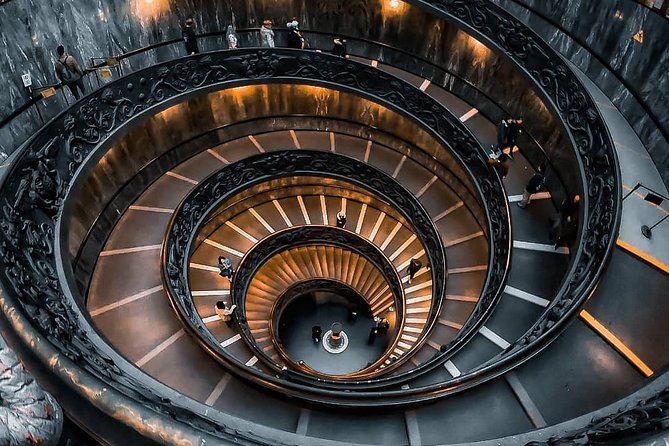
This ticket suits you if you want self-paced museum time. You can go at your own speed, stop to re-watch details, and spend extra minutes in the rooms you love without worrying about keeping up.
It’s also a good choice if you’re trying to get in despite not being able to easily purchase the official site tickets. One feedback thread even highlighted that it saved a trip when official booking was hard.
It’s less ideal if you need a family-friendly experience for very young kids, since it’s not suitable for children under 7.
If you’re the type who enjoys structure, the audio guide option helps a lot. If you don’t want audio, you can still do it, but you’ll likely miss more of the symbolism and storytelling.
Should You Book It? My Practical Verdict
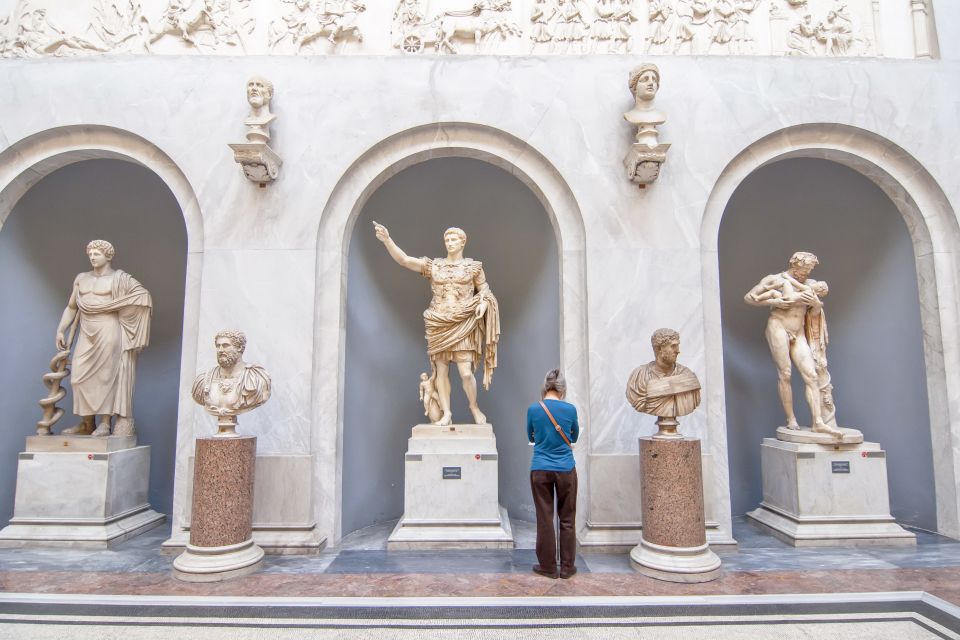
Yes, I’d book it if your top goal is the Vatican Museums plus the Sistine Chapel and you care about reducing the worst waiting.
Pick an earlier time slot if you can. You’ll be happier later when the Sistine Chapel is ahead and you’re not drained. Add the audio guide if you want the art to make more sense fast. And go in with a clear plan for crowds: sit where you can, expect a lot of walking, and remember that restoration starting February 2026 may affect the Sistine Chapel look.
If you’re trying to minimize time inside the Vatican, or if you only care about one tiny slice of the museums, then this might feel like a lot of space to cover. But for most first-time Rome visits, this is a smart way to get the biggest masterpieces with less friction.
FAQ
What does this ticket cover?
This ticket covers Vatican Museums and the Sistine Chapel. A ticket to St. Peter’s Basilica is not included.
Can I visit St. Peter’s Basilica with this?
St. Peter’s Basilica access is not included. Entry is described as free of charge, but access is not guaranteed and may change due to crowd control. Dome access is not included.
Do I need to arrive at a specific time slot?
Yes. Tickets are valid for the date and time slot chosen, and you should not arrive outside your assigned time slot.
Where do I go to enter?
Go directly to the Vatican Museum entrance on Viale Vaticano using the preferred GetYourGuide entrance. After security, you scan your ticket at CASSA ONLINE E GRUPPI.
Is an audio guide included?
An audio guide for the Vatican Museums is included only if you select that option. You’ll pick it up at the GetYourGuide desk inside the Museums.
Which audio guide languages are available?
Audio guide languages listed include Chinese, English, French, German, Italian, Japanese, Korean, Portuguese, Russian, and Spanish.
What dress code should I follow?
You must not wear shorts, short skirts, or sleeveless shirts.
Will the Sistine Chapel be closed for restoration?
No. From February 1, 2026 restoration works start for three months, but the Sistine Chapel remains open and visitable.