REVIEW · VATICAN MUSEUMS
Rome: Vatican Museum and Sistine Chapel Group Tour in German
Book on GetYourGuide →Operated by Römerin · Bookable on GetYourGuide
Three hours in the Vatican can fly. This German-led group tour gets you into the Vatican Museums and the Sistine Chapel with skip-the-line tickets, then points you at the big-name rooms: Raphael, Michelangelo, Bernini, plus the Gallery of Maps. I like the skip-the-line access and the way a German guide keeps the stories clear. One catch: it’s German only, so non-German speakers will feel shut out.
The Sistine Chapel ceiling is framed as the largest fresco in world history, and the route is built so the art connects to the Vatican’s architecture and politics, not just dates and names. If you end up with guide Mira, her pace and moderation have been praised for turning three hours into a smooth, varied visit instead of a museum sprint.
Caffe Vaticano is the meeting point, across the street from the Vatican Museums entrance near the stairs, and the guide holds a Deutsche Römerin sign. Plan for rain or shine, bring a long-sleeved shirt, and note this tour is not recommended for people with limited mobility.
In This Review
- Quick hits for a German Vatican Museums and Sistine Chapel tour
- Why this 3-hour Vatican tour feels doable (not rushed panic)
- Meeting at Caffe Vaticano: the simplest way to avoid first-day confusion
- Vatican Museums highlight route: Raphael, Bernini, and the art you came for
- Gallery of Maps: where Vatican politics turns into something you can picture
- Gallery of Tapestries and the Raphaelian Rooms: why the pacing matters
- The Sistine Chapel and Michelangelo: the largest fresco moment
- How the 3-hour group format changes what you should aim for
- Price and value: what $134.81 gets you in real terms
- Dress code and rules: the quick checklist that prevents last-minute denial
- Rain or shine: plan for weather without planning for stress
- Should you book this German Vatican Museums and Sistine Chapel tour?
- FAQ
- What language is the tour conducted in?
- Where do I meet the guide for the Vatican Museums and Sistine Chapel tour?
- How long is the tour?
- Are tickets included and is the ticket line skipped?
- What should I bring with me?
- Do students get a reduced price?
- Are shorts or sleeveless tops allowed?
- Is this tour suitable for people with limited mobility?
- Can I cancel for a full refund?
Quick hits for a German Vatican Museums and Sistine Chapel tour
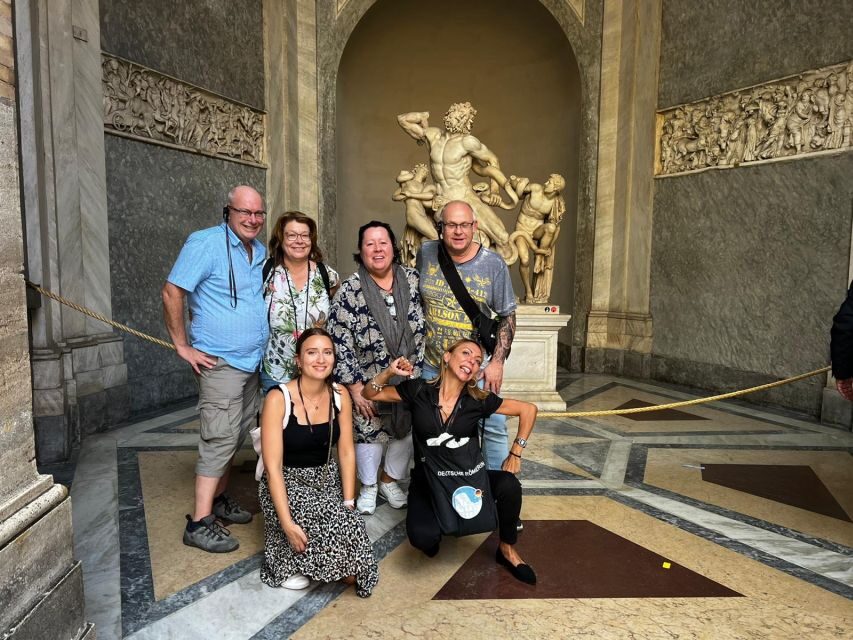
- German-only live guide with explanations aimed at real understanding, not just pointing
- Three-hour highlight route that includes Michelangelo frescoes, Raphaelian Rooms, and the Gallery of Tapestries
- Gallery of Maps as a practical, story-driven stop (so the Vatican makes more sense)
- Skip-the-ticket line with tickets included in the price
- Meeting point is easy to spot: Caffe Vaticano, Deutsche Römerin sign in hand
- Dress rules are strict: long-sleeved shirt required; no shorts and no sleeveless tops
Why this 3-hour Vatican tour feels doable (not rushed panic)
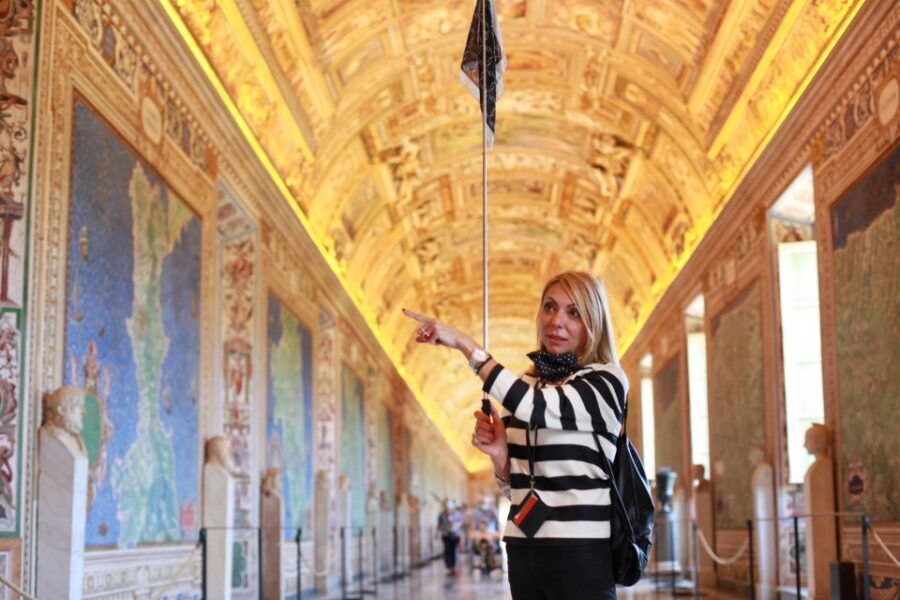
The Vatican Museums are huge. Left to your own devices, you can end up walking circles while the must-sees stay stubbornly far away. This tour is built for control: a 3-hour group route that focuses on the rooms most people come for, with a guide shaping the order so it clicks.
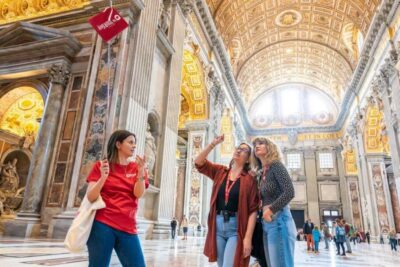
Two things make this format work. First, it saves you time at the entrance with tickets included and skip-the-ticket line. Second, the guide’s job is to connect what you’re seeing. You get stories about the Vatican’s architecture and the way power and image travel together here. In a place full of ceilings, corridors, and crests, that kind of framing helps you remember more than you’d expect from a short visit.
The main drawback is also simple: it’s German only. If you can follow a conversation in German, great. If not, you’ll still see art, but you’ll miss the threads that tie the galleries together.
Other Vatican Museums tours we've reviewed at the Vatican & Rome
Meeting at Caffe Vaticano: the simplest way to avoid first-day confusion
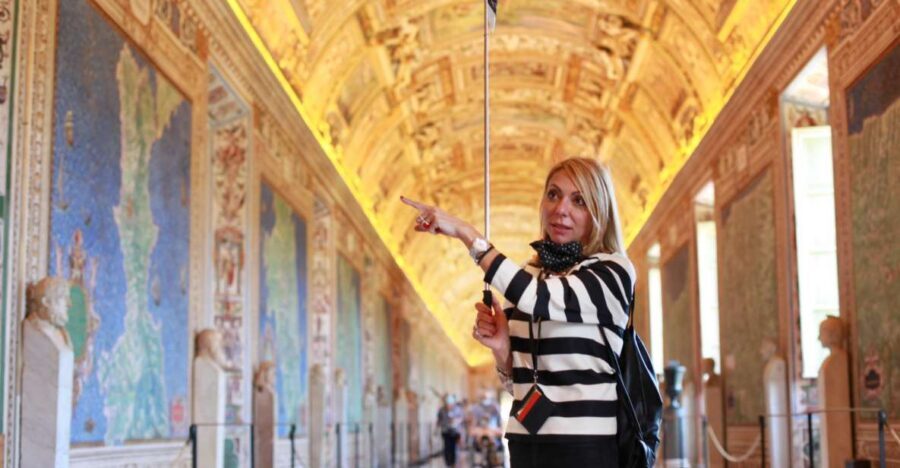
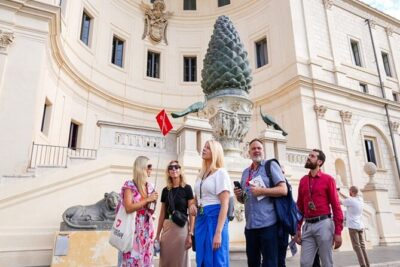
You meet at Caffe Vaticano, across the street from the Vatican Museums entrance, near the stairs. The guide is easy to identify: they’ll be holding a sign that says Deutsche Römerin.
Why I like this setup: it reduces the chances of you arriving and wandering around while everyone else departs. The Vatican area is busy, and those first minutes can be stressful if you’re searching for a guide in the wrong spot.
Practical tip: show up a little early, especially if you’re coming from another part of central Rome. You need time to get your bearings, handle the line situation before the group forms, and confirm you’ve got the right meeting point.
Vatican Museums highlight route: Raphael, Bernini, and the art you came for
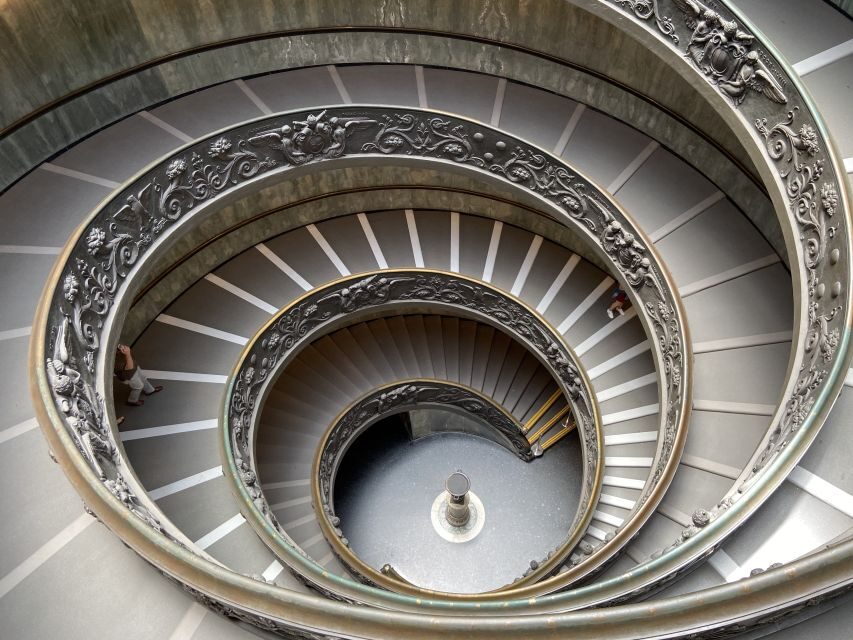
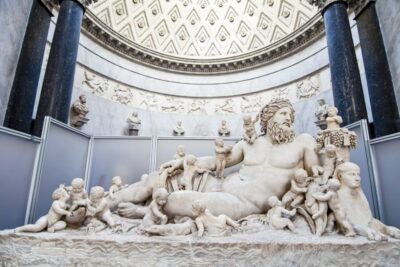
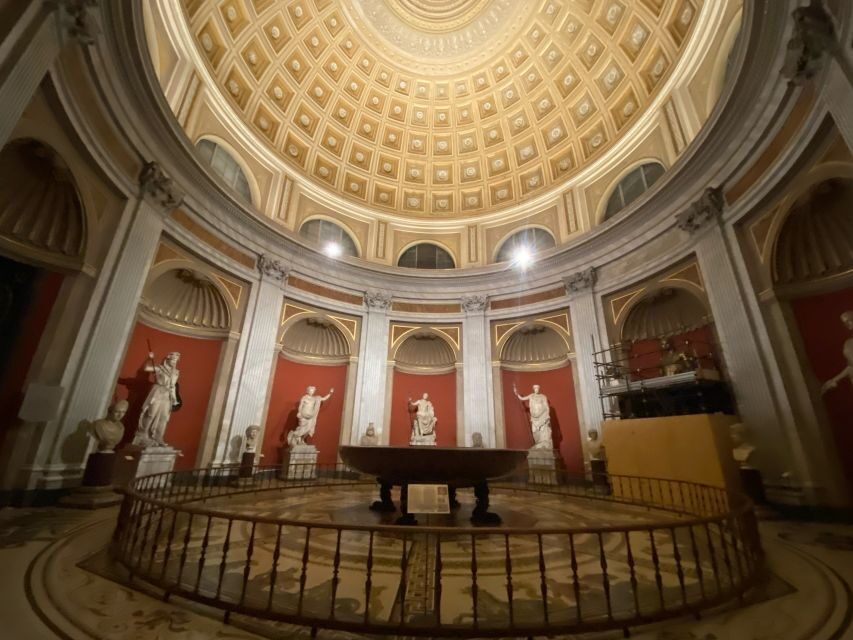
Inside the Vatican Museums, this is a “greatest hits” route without pretending you can see everything in three hours. You’ll move through major collections with the guide pointing out the works that people associate with the Vatican’s artistic identity.
You can expect emphasis on famous names:
- Raphael (often represented through the rooms tied to his style and influence)
- Michelangelo (with the visit building toward the Chapel)
- Bernini (included as part of the stop list and major artistic focus)
What makes this valuable is the sequencing. When you see these artists in a guided flow, their differences become easier to spot. You start noticing how the Vatican uses art to project authority: scale, drama, and symbolism all work together. Without that framing, you can walk past masterpieces and still feel like you saw a series of rooms. With the guide’s stories, those rooms start to feel like parts of one argument.
One more benefit: the guide isn’t just narrating. They’re keeping the pace and moderating the tour so the group can actually move from one highlight to the next. The best tours feel like a plan, not a long queue with commentary.
Gallery of Maps: where Vatican politics turns into something you can picture
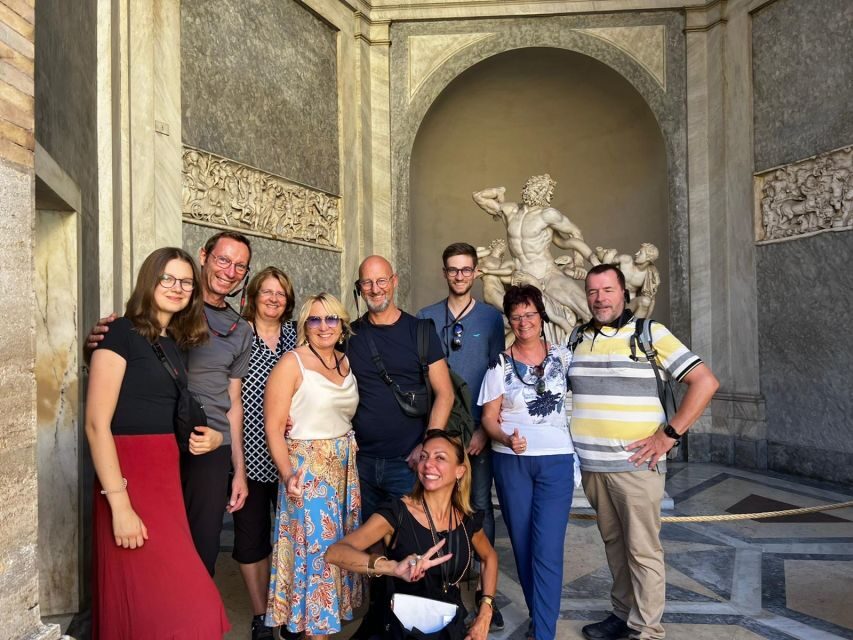
One highlight you should look forward to is the Gallery of Maps. It’s not listed as a side stop—it’s a core part of the experience.
Here’s the advantage: maps are a clever way to understand how the Vatican thought about the world. Even if you’re not a cartography person, a room of maps turns abstract influence into something concrete. You can connect the Vatican’s image-making to real territory, real boundaries, and the way power wants to look orderly on paper.
With a German-speaking guide, you’ll also get the context in the moment—so you can connect what you see to the bigger story about the institution. If you’ve ever struggled to make sense of museum rooms that feel disconnected, this is exactly the kind of stop that helps you build a mental picture.
Gallery of Tapestries and the Raphaelian Rooms: why the pacing matters
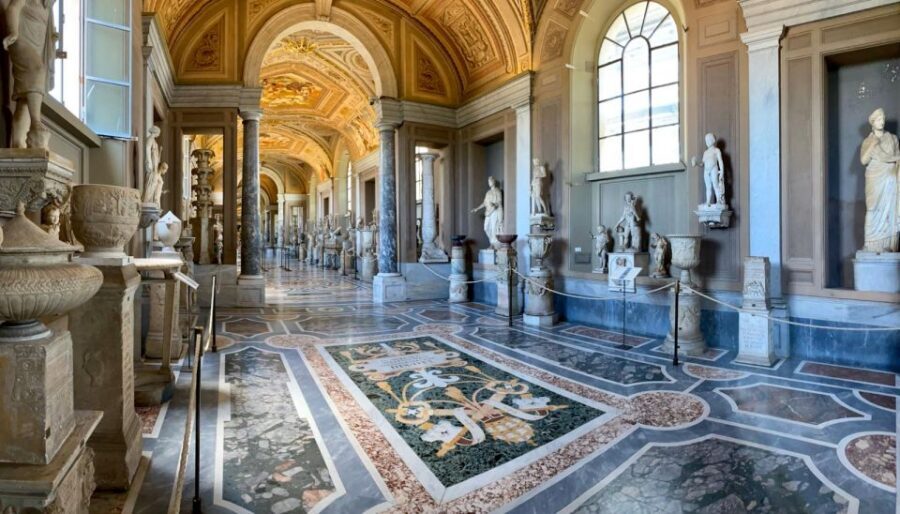
The route also includes the Gallery of Tapestries and the Raphaelian Rooms. These stops are important because they break up the experience. You don’t spend three straight hours staring at ceilings.
The tapestries gallery helps because it shifts what your eyes are doing. Instead of only reading frescoes and mural scenes, you’re looking at textiles and the way images can be displayed with grandeur. It’s a change in texture and perspective, and that matters after you’ve been in museum lighting and marble corridors.
Then comes the rhythm of the Raphaelian Rooms. This is where guided context helps the most. When you understand how these rooms are meant to function—how they were created for meaning, display, and status—you stop seeing paintings as isolated art and start seeing them as part of a designed statement.
Timing note: because the tour is only three hours, you won’t get slow, museum-lounge time in every room. But that limitation is part of the value. It keeps the experience moving toward the Sistine Chapel instead of scattering your attention.
Other Sistine Chapel tours at the Vatican & Rome

The Sistine Chapel and Michelangelo: the largest fresco moment
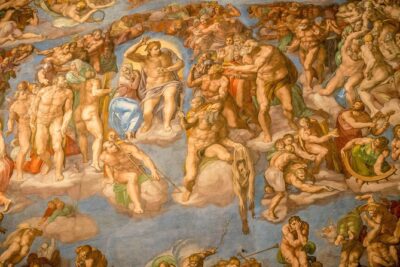
The tour culminates in the Sistine Chapel area, built around the route’s biggest art hit: Michelangelo’s ceiling frescoes. The experience is explicitly tied to the idea of the largest fresco in world history, and that matters because your expectations will be right-sized.
In practice, here’s what a guided approach helps with:
- You notice more details because someone is pointing out what to look for.
- You understand the art as a coherent program rather than a random set of panels.
- The guide connects what you’re seeing to the Vatican’s broader story about image, authority, and meaning.
This is also where the German-only limitation becomes most noticeable. If you can follow the guide’s language, the Sistine Chapel doesn’t just feel impressive—it becomes explainable. If you can’t, you’ll still see something extraordinary, but you’ll have fewer anchors to remember it by.
How the 3-hour group format changes what you should aim for
This isn’t a marathon tour. It’s a tight highlight route, and that affects how you should plan your expectations.
You’ll get:
- Key Vatican Museums stops
- The route needed to reach major works without wasting time
- A guide-led narrative tying together rooms, artworks, and architecture
You won’t get:
- Full, slow museum coverage
- Enough time for every single side room and every chapel-like corner
So I recommend treating it like the “best first pass” if this is your first time in Vatican Museums or your first time seeing the Sistine Chapel. If you already know you want a second, deeper Vatican day, this tour can still be a smart starting point because it trains your eye for what matters.
Group tours can also bring noise and movement. The upside is structure. If you’re patient and ready to follow instructions, you’ll spend less time searching and more time looking.
Price and value: what $134.81 gets you in real terms
At $134.81 per person for a 3-hour guided visit, you’re paying for three things:
1) Tickets included
2) Skip-the-ticket line
3) A live German guide who shapes what you see
That combination is where the value sits. In the Vatican, time is a cost. Skipping the ticket line can be the difference between seeing your highlight with energy and seeing it while mentally drained.
The price also works best if German is your working language. Since the tour is conducted in German only, you’re not just buying entry. You’re buying comprehension. For German speakers, that boosts perceived value a lot.
If you don’t speak German, the math changes. You might still pay for entry, but you’re not paying for full value of the guide portion. In that case, I’d strongly consider an English tour instead.
Dress code and rules: the quick checklist that prevents last-minute denial
This tour has a clear set of visitor rules. You should treat them as non-negotiable if you want your day to stay smooth.
You should bring:
- Passport or ID card
- Long-sleeved shirt
- For students: student card (a valid ID is required for the student reduced price)
Clothing rules include:
- No shorts
- No sleeveless shirts
And there are also general restrictions:
- No weapons or sharp objects
- No alcohol and drugs
Why this matters: Vatican entry can become a time sink if you arrive underdressed and need to fix it on the street. Your easiest win is to dress correctly before you leave your hotel.
Rain or shine: plan for weather without planning for stress
This tour happens rain or shine. That sounds basic, but in Rome it matters because Vatican area streets can get slick, and you’ll be outside before you’re inside the galleries.
Bring what you need to stay comfortable in damp weather, and keep your schedule tight so you’re not hunting umbrellas in the wrong place. The guide can’t slow down your start time just because it’s raining.
Should you book this German Vatican Museums and Sistine Chapel tour?
Book it if:
- You speak German well enough to enjoy explanations in real time
- You want a short, focused way to hit the Vatican Museums highlights and reach the Sistine Chapel
- You value structure and hate wasting time searching for the right rooms
- You want a guide-led path through Gallery of Maps, Raphaelian Rooms, and Gallery of Tapestries
Skip it if:
- German-only tours are a dealbreaker
- You have limited mobility, since it’s not recommended for people with mobility impairments
If you’re on the fence, here’s my practical rule: if you can follow the language and you want a first-pass plan you can trust, this tour is a strong way to spend a few hours in the Vatican. If language access is an issue, you’ll likely enjoy the building less than you could.
FAQ
What language is the tour conducted in?
The tour is conducted in German only with a live tour guide.
Where do I meet the guide for the Vatican Museums and Sistine Chapel tour?
Meet at Caffe Vaticano, across the street from the Vatican Museum entrance near the stairs. The guide will be holding a sign that says Deutsche Römerin.
How long is the tour?
The duration is 3 hours. Starting times vary, so you’ll need to check availability for the exact time slot.
Are tickets included and is the ticket line skipped?
Yes. Tickets are included, and the tour includes skip-the-ticket line entry.
What should I bring with me?
Bring passport or an ID card. A long-sleeved shirt is required. If you’re a student, bring your student card as well.
Do students get a reduced price?
Yes, students only pay reduced price if they bring a valid student ID.
Are shorts or sleeveless tops allowed?
No. Shorts are not allowed, and sleeveless shirts are also not allowed.
Is this tour suitable for people with limited mobility?
No. It is not recommended for people with limited mobility.
Can I cancel for a full refund?
Yes. You can cancel up to 24 hours in advance for a full refund.