REVIEW · VATICAN CITY
Vatican Museum and Sistine Chapel Skip-the-Line Guided Group Tour and tickets
Book on Viator →Operated by Tour In Rome by Tour in the City · Bookable on Viator
Vatican crowds can make or break your day. This guided tour strings together the Vatican Museums, the Sistine Chapel, and the Stanze di Raffaello with skip-the-line entry and a professional art historian guide. You also get practical flexibility with morning or afternoon start times, so you’re not stuck timing your whole trip around just one clock.
The trade-off: skip-the-line can still feel unpredictable when security lines, meeting delays, or group size run hot. In a few departures, the tour has reportedly started late, groups have felt larger than advertised, and the pace can get rushed—so plan to go with a flexible mindset and dress appropriately from the start.
In This Review
- Key Things to Know Before You Go
- Entering the Vatican Without Losing Your Whole Day
- From Via Sebastiano Veniero to the Spiral Staircase
- Vatican Museums Highlights: The “Big Hits” Route in 90 Minutes
- Laocoön to Chandelier Gallery: When You Need a Guide
- Raphael’s World and the Stanza di Raffaello Quick Stop
- Sistine Chapel: The Main Event, With Real Silence Rules
- How the Vatican Gardens Break Helps (and When It Gets Skipped)
- Price and Value: What $153.77 Buys You
- Logistics That Actually Matter (and the Common Pain Points)
- Who This Tour Fits Best
- Should You Book This Vatican Museums and Sistine Chapel Tour?
Key Things to Know Before You Go
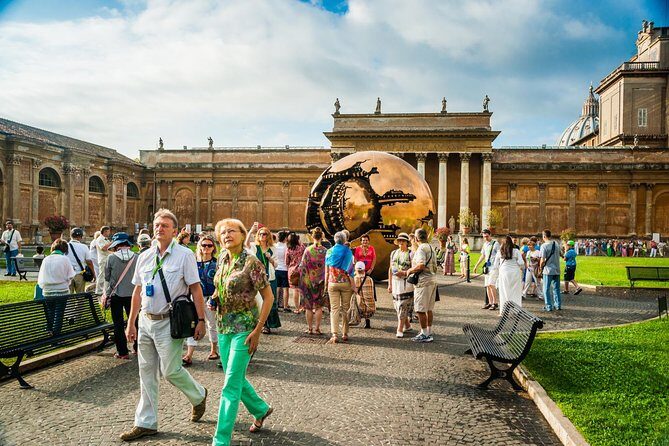
- Skip-the-line access is the point, but real-world timing still depends on security checks and group flow
- Spiral staircase entry sets the tone fast, before you even reach the main galleries
- You’ll see headline masterpieces like Laocoön and His Sons, Raphael-related rooms, and Michelangelo’s Last Judgment
- Group size can affect hearing and viewing time, even if the tour is marketed as small
- Dress code is strict: knees and shoulders covered, no shorts or sleeveless tops
- Sistine Chapel rules matter, including quiet behavior once you’re inside
Entering the Vatican Without Losing Your Whole Day
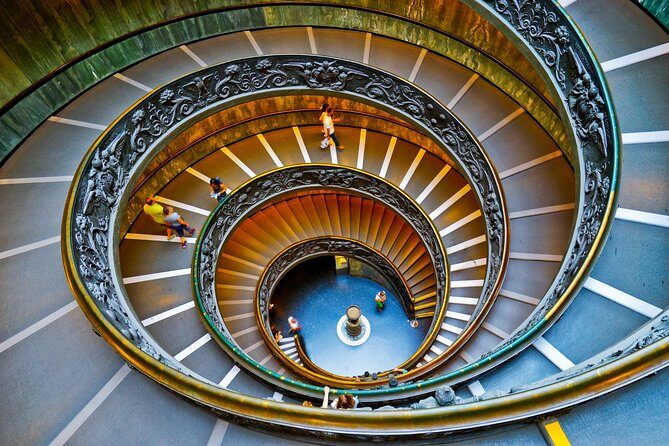
The Vatican is popular in the most literal way: people come early, stay late, and create lines everywhere. The value of this tour is that it tries to protect your time with guaranteed skip-the-line entry, then wraps that savings into a guided route through the biggest, most famous rooms.
In practice, what you’re paying for is not just access—it’s direction. You won’t be wandering through museum rooms trying to connect the dots between Greek sculpture, Renaissance painting, and the way papal patronage shaped what you see. The guide framing also matters when you’re only there for a limited chunk of time.
One more thing: the tour meets at Via Sebastiano Veniero, then you head toward the Vatican area and meet your group. Even with skip-the-line, the tour notes that the estimated entry into the museum is about 45 minutes after tour departure, due to security checks. So your day plan should assume you’re “on the way in” for a while, not at full speed immediately.
Other Vatican Museums tours we've reviewed at the Vatican & Rome



From Via Sebastiano Veniero to the Spiral Staircase
Your tour starts near the Vatican City area at Via Sebastiano Veniero, 21. Expect to walk from the meeting point to the museum approach area. Departure times can shift by 20 to 30 minutes, so give yourself buffer time and don’t schedule anything tight right before or after.
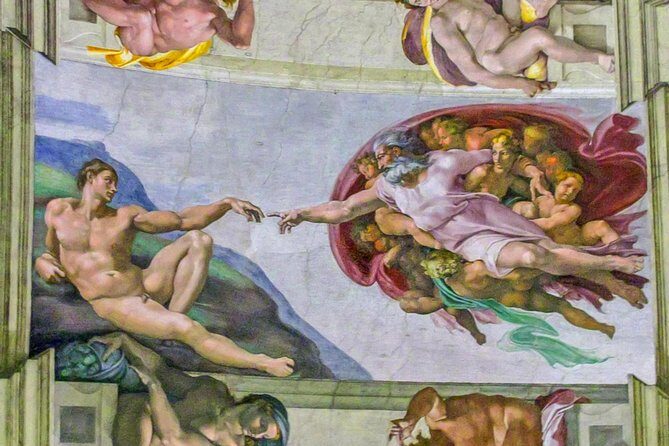
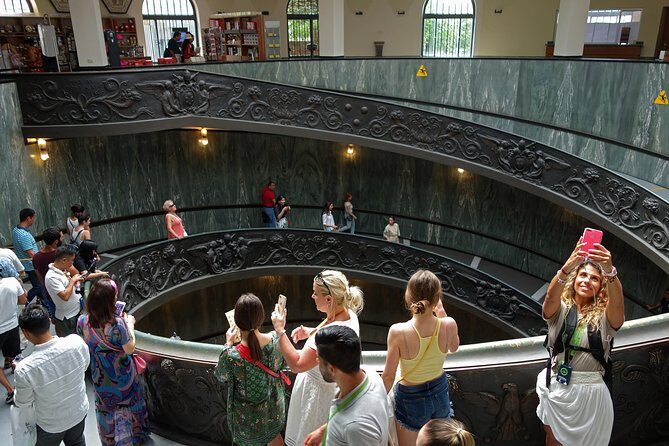
A fun early moment is the eye-catching spiral staircase that you take as part of the entry experience. It’s a quick visual hit that makes the Vatican Museums feel like more than just a queue of rooms. It also cues you into the route: you’re being guided through a structured flow, not dropped in a labyrinth.
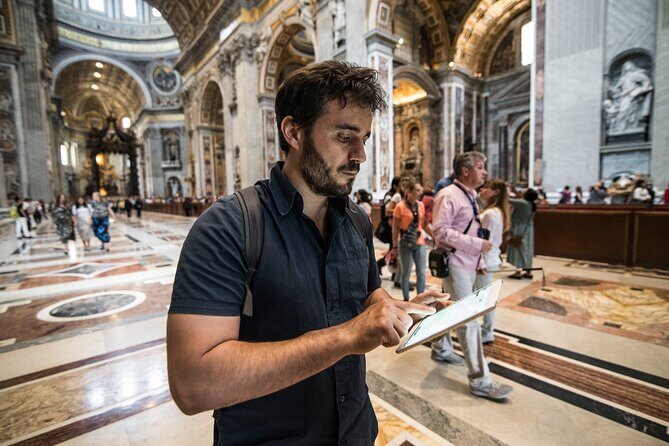
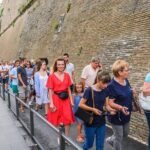
Also keep in mind that you’re dealing with a building that was made for art tourism long before modern crowds. That means lots of moving bodies, narrow sightlines, and bottlenecks. Your guide’s job is to keep you moving while explaining what you’re looking at. If you’re sensitive to crowd noise, be ready for that.
Vatican Museums Highlights: The “Big Hits” Route in 90 Minutes
This portion runs about 1 hour 30 minutes, and it’s clearly designed for first-timers. You’re not seeing every gallery in the Vatican Museums. You’re seeing the works and rooms that most people come for, plus a handful of smart connections between art styles and eras.
Here’s what stands out in the route you’ll likely follow:
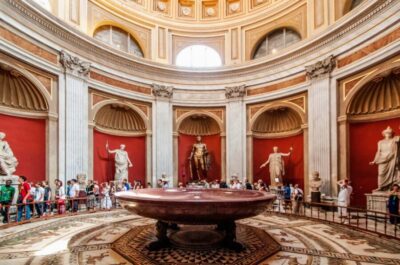
- Greek and Roman sculpture section, where you can get oriented fast with classical forms and famous group works
- Laocoön and His Sons, one of the most recognizable ancient sculptures in the museum
- Chandelier Gallery, known for marble chandeliers that give the room a strong theatrical feel
- Raphael-related tapestries, including a tapestry gallery credited to Raphael’s disciples
- Maps Gallery, with maps of Italy as seen by cartographers in 1581
- A panoramic view of the Vatican Gardens, which is one of the nicer breaks from the indoor galleries
A key value here is pacing. The guide’s explanations help you notice what you might otherwise skip: why a sculpture group matters, what cartography is doing in a museum space, and how Renaissance artists and their workshop systems connect to what you’re seeing.
The drawback is time. If you’ve got deep curiosity for one niche—say, only Raphael or only ancient sculpture—you may wish you had longer. This is a greatest-hits visit, not a slow art seminar.
Laocoön to Chandelier Gallery: When You Need a Guide
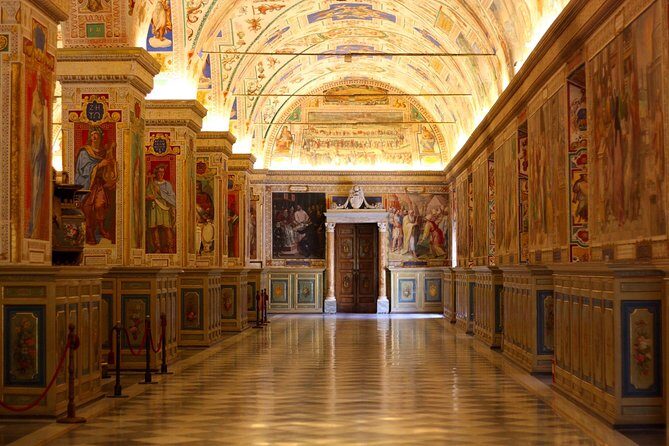
Two of the most memorable stops in this style of tour are the ones that look impressive even before you read the label—and become even better once someone puts them in context.
Laocoön and His Sons is a good example. Without explanation, it’s easy to see a famous statue and move on. With a guide, you’re more likely to understand why it became a touchstone for later artists: the drama, the movement, and the way the figures communicate tension. It’s the kind of work that rewards attention.
Then you roll from sculpture to the more ornamental side of the Vatican Museums in the Chandelier Gallery. Marble chandeliers can feel like decoration at first glance, but in this setting they also signal wealth, power, and the way the Vatican used display as part of its message.
If you care about “reading” the spaces, not just the artworks, this is where a solid guide makes the tour worth it. If the group is large or hard to hear, these stops can turn into a visual scan instead of a meaningful experience. That’s one reason group size really matters.
Raphael’s World and the Stanza di Raffaello Quick Stop
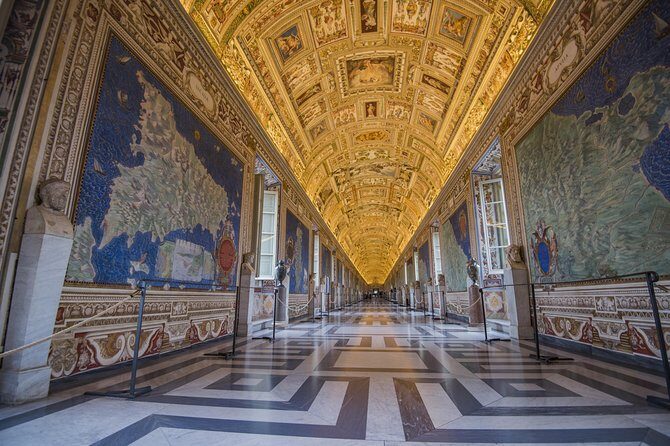
After the core museum route, you’ll get a brief visit to Stanze di Raffaello (about 15 minutes). These fresco rooms are famous for the work associated with Raphael and his workshop, and they sit right at the heart of High Renaissance art in Rome.
Fifteen minutes is fast. But it can be useful if your priority is to see the right rooms and leave with a sense of what you should read about later. Think of it like a guided “starter chapter” that points you to what matters.
One thing I’d watch for: if your group is behind schedule, this stop can shrink further in the real world. In a few reported experiences, people ended up feeling that the tour run-time was shorter than advertised. So if you’re chasing specific rooms, treat this as a guided overview rather than a guaranteed deep time-in-place.
Other Sistine Chapel tours at the Vatican & Rome


Sistine Chapel: The Main Event, With Real Silence Rules
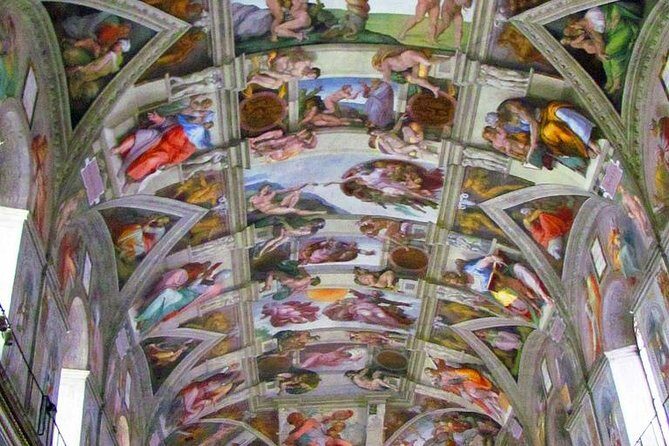
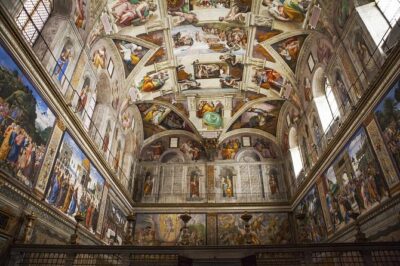
This is the piece most people remember: Michelangelo’s The Last Judgment in the Sistine Chapel. The tour allocates about 1 hour here, after you’ve already spent time in the museums.
What makes the Sistine Chapel different is that it’s both an art space and a controlled environment. You should plan on obeying the silence expectations once you’re inside. Even if you’re excited, you’re going to feel that the room runs on rules—security staff do enforce quiet.
Also, your viewing experience is affected by how quickly the group gets placed and how well you can see from where you stand. If the tour pace is rushed, you may not get the slow look you want. If it’s well-run, you get a guided framework that helps you see the bigger story across the chapel’s surfaces, not just the one famous scene you’re hunting.
If you’re lucky and you get a guide like Irina (a name that shows up in feedback), you may get art context with a light, tasteful tone that doesn’t fight the rules of the space. If you get someone more rushed, you might feel like you’re being moved along rather than taught.
How the Vatican Gardens Break Helps (and When It Gets Skipped)
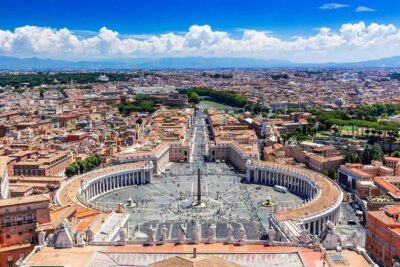
In this route, you’re also promised a chance to admire the Vatican Gardens panoramic view. Views like this work because they give you a mental reset. After dense museum rooms, an outdoor glance helps your brain organize the day: now you can picture the Vatican complex as a living place, not just a building full of paintings.
Still, this kind of “bonus moment” can be the first to get shortened if timing gets tight. If you’re trying to see every scheduled stop, you’ll want to stay close to the group, not drift for photos. The route depends on you being where you’re supposed to be, when you’re supposed to be there.
Price and Value: What $153.77 Buys You
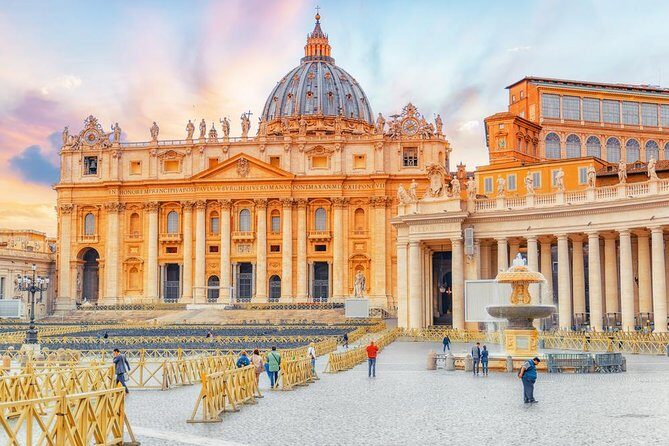
At around $153.77 per person for a ~3-hour guided experience, you’re paying for three things:
- Access and time savings through skip-the-line entry
- A professional art historian guide, not just a casual walk-through
- A curated route that hits the rooms most first-timers want
The value is strongest if you’re short on time, want a coherent art storyline, and don’t want to fight your way into the Vatican alone. If you’re the type who loves museum freedom—lingering, skipping, and returning to one favorite room—then a guided whirlwind can feel like paying for structure you don’t need.
It also matters that security checks still exist. Some accounts describe long waits even with skip-the-line, and others describe a smooth experience that felt like money well spent. So the best way to look at the price is: you’re buying a system that’s designed to reduce friction, not a guarantee that your day will run perfectly minute-by-minute.
Logistics That Actually Matter (and the Common Pain Points)
This is where you can protect your day from the most common frustrations at the Vatican:
1) Group size and hearing
Even though the tour is marketed with a maximum group size of 20, some experiences describe much larger groups (and the results are predictable): it gets harder to hear the guide, and it becomes more of a shuffle through rooms. If you rely on explanations, consider bringing your expectation down from classroom-level detail to “high-impact highlights.”
2) Timing drift
The tour is listed as about 3 hours, but there are reports of significantly shorter time on-site and late starts. That usually comes from security pacing or group management. If your schedule is strict, build buffer time and don’t plan a tight next stop.
3) Meeting point accuracy
The meeting point is Via Sebastiano Veniero, 21. If your confirmation includes any last-minute changes to time or location, double-check before you go. One reported problem was an unclear address change that caused extra wandering.
4) Dress code
This is non-negotiable. The requirement is knees and shoulders covered—no shorts, no sleeveless tops. If you’re dressed wrong, you risk being refused entry. It’s not a moment for improvising.
Who This Tour Fits Best
This tour is a strong match if:
- You’re seeing the Vatican for the first time and want the biggest hits in a reasonable window
- You value a guide who can connect classical sculpture, Raphael-related rooms, and Michelangelo’s fresco work
- You’d rather pay for direction than spend your limited time figuring out routes
It’s a weaker match if:
- You want long, quiet time in one or two rooms
- You dislike crowds and struggle to hear in group settings
- You have mobility concerns; the tour is not recommended for participants with mobility problems or serious medical conditions
- You’re traveling with pets (pets are not allowed)
If your ideal day is museum-by-museum freedom, you might prefer a self-guided approach with timed tickets. But if your priority is efficiency plus informed stops, this one usually makes sense.
Should You Book This Vatican Museums and Sistine Chapel Tour?
I’d book it if you want a guided “greatest hits” route and you’re willing to accept that crowd flow can still affect pacing. The best-case scenario here is exactly what you want: skip-the-line entry, a professional guide, and enough time to see the core rooms—especially Laocoön, the Chandelier Gallery, Raphael-related tapestries, Maps Gallery, and The Last Judgment.
I’d think twice if you’re extremely schedule-sensitive or you’re expecting a small-group experience that feels like a private class. Some departures have sounded disorganized or oversized, which can shrink the value of the guide and turn the visit into a visual sprint.
If you do book, do these two things: pack a dress-code-safe outfit, and give yourself buffer time around the “45 minutes after departure” security reality. That alone can protect your day from most surprises.