REVIEW · ROME
Vatican Museums and Sistine Chapel Guided Experience
Book on Viator →Operated by Gyash Tours · Bookable on Viator
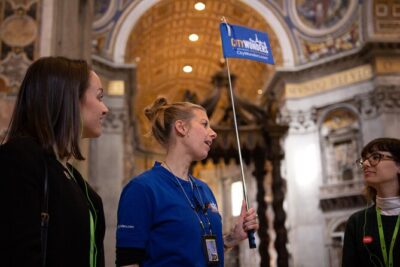
Vatican art moves fast—so does your tour. This guided Vatican Museums and Sistine Chapel experience packs major masterpieces into a tight 2–3 hour window, with an expert leading the way and official headsets so you don’t miss the story. I especially like that you’re not just wandering: you get a route built for the highlights, with a small group size (max 20) keeping it feeling human, not cattle.
Two things I really like: the official headset system helps you follow the commentary even when crowds crush your focus, and the lineup of stops covers Egyptian, classical, and Renaissance art in one go. The other big plus is that you can end in the Sistine Chapel with your head full of context, including what you’re actually looking at on the ceiling.
One drawback to consider: the timing isn’t a guaranteed no-wait “skip-the-line.” The ticket is described as from the queue, and real-world security and crowd control can stretch your timeline (sometimes a lot). So if you’re the type who plans their whole day down to the minute, build in buffer time.
In This Review
- Key highlights to know before you go
- Vatican Museums and Sistine Chapel: what you’re really buying for $50.46
- Entering the Vatican Museums when this isn’t a true skip-the-line
- Guided pace inside the Museums: how the headsets help you keep up
- Vatican Museums stop: Egyptian mummies, Greek/Roman sculpture, and Renaissance highlights
- Ancient Egypt: mummies and sarcophagi
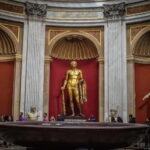
- Classical sculptures: Roman and Greek masterpieces
- Renaissance rooms: religious and myth scenes with emotion
- Gallery of Maps: geography made monumental
- Pinacoteca and the Renaissance painting experience you may not expect
- Sistine Chapel stop: Creation scenes and Last Judgment (with an important maintenance note)
- What you’ll focus on on the ceiling
- Last Judgment wall: scaffolding may cover it (Jan 12–Mar 31)
- Timing, group size, and why your start time can change the whole day
- Dress code and chapel rules: the fastest way to avoid a bad surprise
- Language and guide experience: English is the default
- Who this Vatican tour is for (and who should choose something else)
- Should you book this Vatican Museums and Sistine Chapel guided experience?
- FAQ
- How long is the Vatican Museums and Sistine Chapel guided tour?
- What is the price per person?
- Is this tour skip the line?
- What languages is the tour offered in?
- Are Vatican Museums official headsets included?
- What is the Sistine Chapel maintenance schedule?
- What dress code do I need to enter?
- Where do I meet the tour?
- Is St. Peter’s Basilica included?
Key highlights to know before you go
- Official headsets help you stay locked in with the guide’s commentary across busy rooms
- Max 20 travelers keeps the pace manageable compared with large group tours
- Egyptian mummies to Renaissance painting: you see multiple art worlds in one route
- Gallery of Maps and classical sculpture are often where the tour momentum pays off
- Sistine Chapel ceiling focus covers the Creation scenes most visitors remember
- Jan 12–Mar 31 scaffolding may cover Michelangelo’s Last Judgment wall entirely
Vatican Museums and Sistine Chapel: what you’re really buying for $50.46
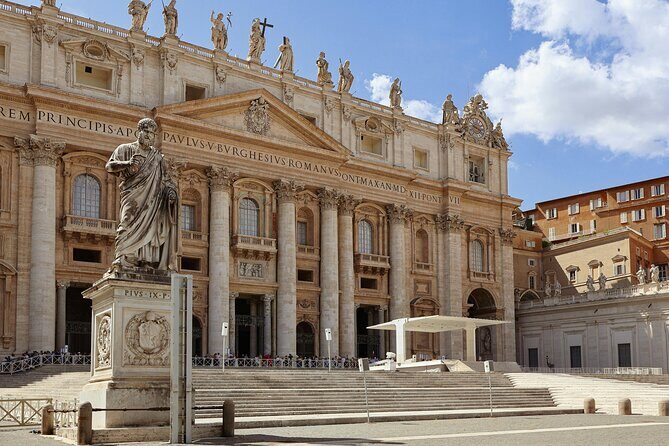
At $50.46 per person, this tour is priced like a “high-demand, high-value” add-on: you’re paying for access to the Vatican Museums and Sistine Chapel plus a guide and official headsets. The biggest value isn’t just the ticket. It’s the way the tour is structured to save you from making 10 decisions inside a complex that can feel like a giant maze.
I also like that the duration is listed as 2 to 3 hours. In theory, that’s long enough to feel like you actually did something, but short enough that you’re not wasting your best energy stuck in rooms you don’t care about. And the small group limit (max 20) matters. It’s easier to hear the guide when people aren’t shoulder-to-shoulder for every turn.
Still, don’t let the “guided” part make you forget the Vatican reality: entry involves security and crowd management set by the Vatican authorities. This is where the experience can break expectations if you assume perfect timing.
Other Vatican Museums tours we've reviewed at the Vatican & Rome

Entering the Vatican Museums when this isn’t a true skip-the-line
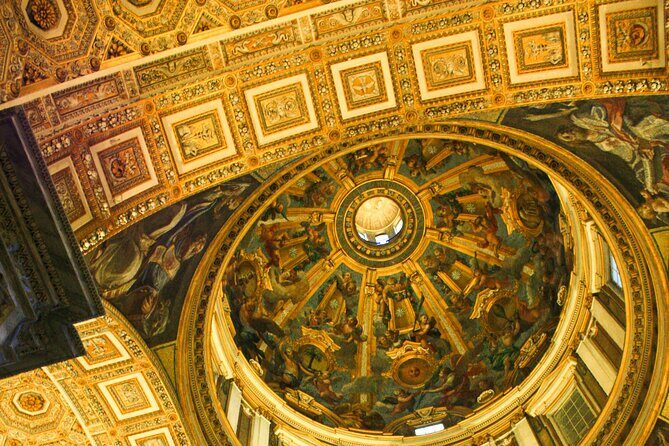
Here’s the practical truth: this tour description notes the tickets are from the queue, not full skip-the-line. That means you may still face a long wait for security and entrance processing.
In plain terms, you should plan like this:
- You may lose a big chunk of your “tour time” before you even start moving through the Museums.
- Once inside, your tour pace depends on how crowded it is that day.
- If your day is tight (a next reservation, dinner, or a timed event), you’ll want slack.
Some people described situations like waiting for hours before reaching security, then finding that the guided time felt compressed. Others reported that the radios/headsets didn’t work perfectly. None of that is a reason not to go. It’s a reason to set expectations correctly.
My advice: treat this as a guide-led highlight tour, not a miracle ticket. If you arrive ready to wait (mentally and practically), the experience becomes a lot more enjoyable.
Guided pace inside the Museums: how the headsets help you keep up
The Vatican Museums are huge. Even with a guide, the rooms stack up quickly, and crowds make it hard to hear. That’s why I’m glad this includes Vatican Museums official headsets.
How to make the headsets work for you:
- Listen for the guide’s landmarks, not just facts. When someone points out a specific scene or artist, you’re better able to find it even if you drift.
- If the audio cuts out, flag it immediately. One reported issue was intermittent radio performance in heavy crowd conditions.
- Keep your expectations realistic: the headset helps you follow, but it can’t change the fact that you may be moving briskly.
A good headset setup turns the tour from “I saw some cool things” into “I understood why those things matter.”
Vatican Museums stop: Egyptian mummies, Greek/Roman sculpture, and Renaissance highlights
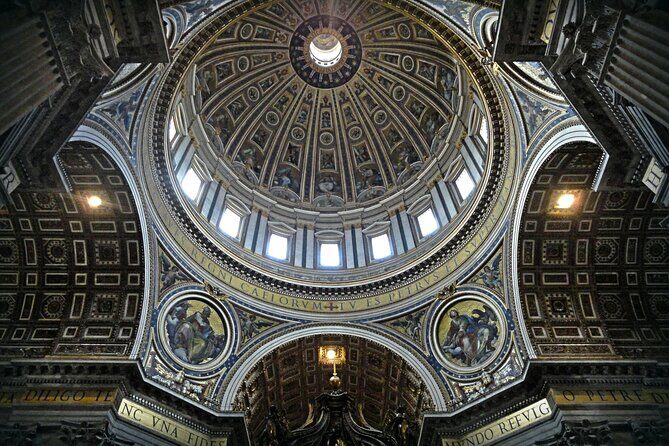
Your first big phase is the Vatican Museums, where the guide leads you through a sequence of themed galleries. The goal is efficiency: you hit key works across periods without getting lost.
Here’s what that usually means in practice for your eyes and your brain.
Ancient Egypt: mummies and sarcophagi
Egyptian artifacts can feel like a plot twist in the middle of Roman grandeur. The experience is about atmosphere as much as it is about objects—mummies and sarcophagi bring a sense of mystery and ritual that’s totally different from the human drama of later European painting and sculpture.
What to watch for: the scale and craftsmanship. Even if you’re not an Egypt expert, the detail and symbolism help you understand why these collections were so prized.
Other Sistine Chapel tours at the Vatican & Rome
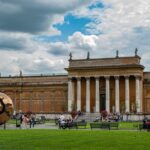
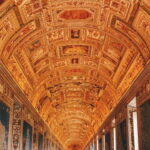

Classical sculptures: Roman and Greek masterpieces
Then you swing into classical art: statues built to show ideal form, movement, and expression. If you like “art history as a timeline,” this part is a satisfying pivot.
What to watch for: posture and expression. These are sculptures meant to be read like characters, not just decorative objects.
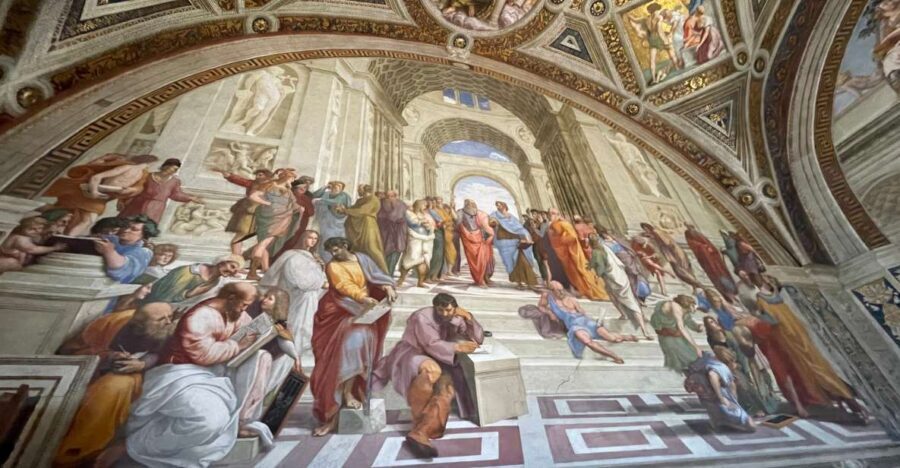
Renaissance rooms: religious and myth scenes with emotion
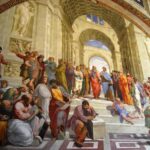
Renaissance sections are where the guide’s commentary often becomes your best tool. This is the period where technique and storytelling feel close together—religious and mythological narratives designed to grab you with expression and detail.
What to watch for: faces and gestures. When you see them through guided context, it’s easier to spot what the artist is emphasizing.
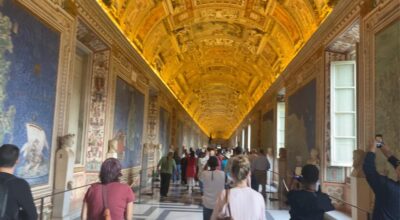
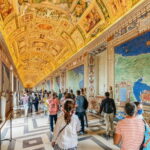
Gallery of Maps: geography made monumental
The Gallery of Maps is one of those “only at the Vatican” moments. It turns cartography into a grand spectacle, and it’s a fun contrast with the religious and mythological works around it.
If you like human ambition—people building big ideas into big walls—this room can be a highlight even if you’re not a hardcore art person.
Pinacoteca and the Renaissance painting experience you may not expect
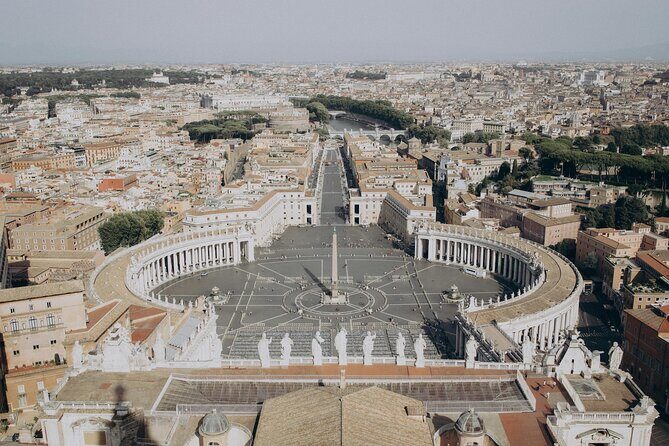
The tour route also includes the Pinacoteca, described as a dazzling collection of Renaissance paintings.
Even if you don’t usually stop for paintings, this part can be worth your attention because it changes the pace: sculpture is 3D and immediate; painting takes a little more time to read. With a guide’s timing, you’re less likely to wander past the moments that matter.
Reality check: you might be moving through quickly. That’s not automatically bad—just don’t expect a slow museum stroll. This tour is about hitting the best targets, not taking your time in every room.
Sistine Chapel stop: Creation scenes and Last Judgment (with an important maintenance note)
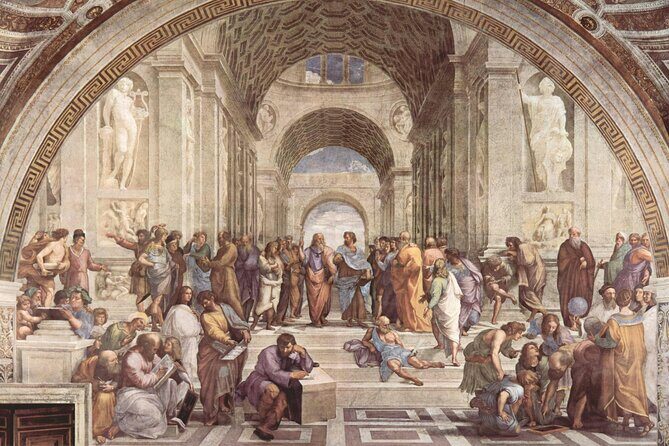
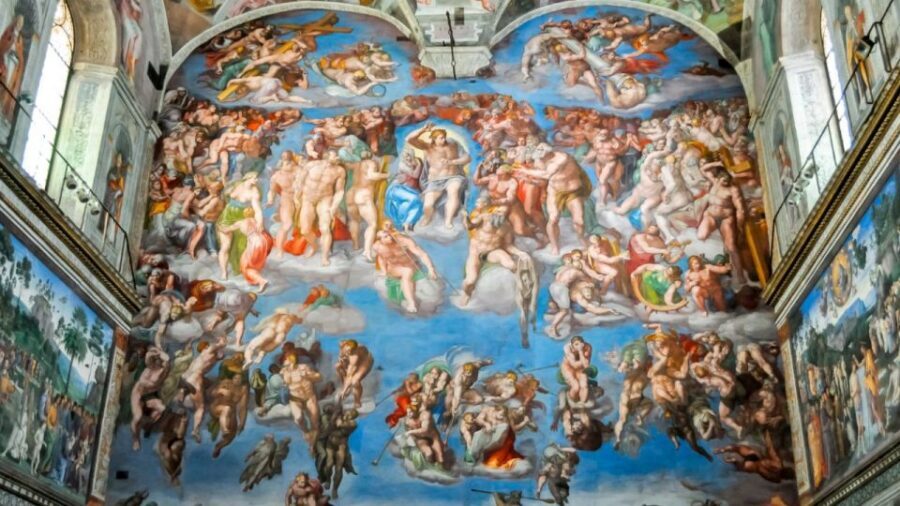
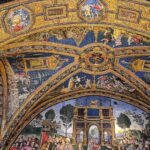
After the Museums phase, your finale is the Sistine Chapel—built in the 15th century, famous for Michelangelo’s ceiling. This is the moment most people are really buying the tour for.
What you’ll focus on on the ceiling
You’ll look up and get guided context for the Creation story, including major scenes like:
- the separation of light from darkness
- the iconic Creation of Adam
The best way to enjoy this section is to listen for the guide’s framing before you reach your viewing angle. When you understand the narrative order, the ceiling stops being a random ceiling and becomes a structured story.
Last Judgment wall: scaffolding may cover it (Jan 12–Mar 31)
Here’s the big practical caveat: from January 12 to March 31, extraordinary maintenance work takes place on Michelangelo’s Last Judgment. Scaffolding will be installed and will cover the entire wall during this period.
That means your view of that altar wall will be affected, and the experience may feel different than what you imagined. If this is your main reason for booking, check the calendar before you commit.
Also: the tour time allocation for the Sistine Chapel is listed as about 30 minutes. That’s enough to see the key ceiling narrative and absorb a guided explanation, but it’s not enough to study every detail like you’re writing a thesis.
Timing, group size, and why your start time can change the whole day
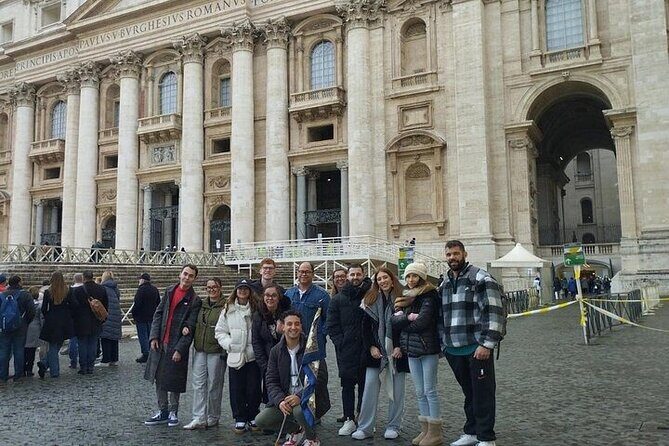
This tour caps at 20 travelers, which is a big advantage. Smaller groups are easier to manage, and you’re more likely to hear the guide clearly, especially with headsets.
But your start time and the day’s crowd levels can swing your experience. Some people described longer waits for security than expected, then finding that the guided time felt shorter than advertised. That can happen when security lines and crowd control tighten.
How to protect your enjoyment:
- Plan a flexible morning. If you have a tight schedule, you’ll feel the stress.
- Bring patience. This is a “Rome timing” experience, not a “perfect factory line” experience.
- Dress properly so you don’t get delayed. Which brings us to the dress code.
Dress code and chapel rules: the fastest way to avoid a bad surprise
This is not a minor detail. A dress code is required for places of worship and selected museums.
Rules given here:
- No shorts
- No sleeveless tops
- Knees and shoulders must be covered for both men and women
- You may risk being refused entry if you don’t comply
So if you’re traveling light, pack a thin layer or something that covers your shoulders. It’s Rome. You’ll be glad you did, even outside the Vatican.
Language and guide experience: English is the default
The experience is offered in English and the tour includes a guide. Some people also reported a language mismatch when they booked another language but ended up with an English tour, and they were not able to change it on the day.
So treat this booking as an English tour unless you see a specific language option clearly stated for your time slot.
On the guide side, there was at least one standout mention of Alessandra as an amazing guide who shared facts about Ancient Rome, the Vatican, and the artworks. That’s the best-case scenario: the guide helps you see what matters and explains it in a way your brain can hold onto while you’re walking.
Who this Vatican tour is for (and who should choose something else)
This works best if:
- you want a guided highlights route through both the Museums and the Sistine Chapel
- you like art history presented as a story, not a pile of names
- you’d benefit from headsets because crowds usually make you miss details
- you’re okay with moving at a brisk pace to fit the key masterpieces
You might want a different approach if:
- you need a guaranteed fixed timeline with minimal waiting
- you’re visiting during Jan 12–Mar 31 and Michelangelo’s Last Judgment wall is the one thing you can’t compromise on
- you’re sensitive to brief viewing times (Sistine Chapel time is around 30 minutes)
Should you book this Vatican Museums and Sistine Chapel guided experience?
If you want one practical plan that hits the big targets—Egyptian artifacts, classical sculpture, Renaissance art, then Michelangelo’s ceiling—this is a solid option at $50.46 with admission and official headsets included.
I’d book it if you go in with the right mindset: expect security lines, don’t assume “skip-the-line” means no wait, and wear the right clothing. The payoff is real when the guide is on and the headsets are working, because you’ll leave knowing what you saw.
I’d skip or rethink it if you’re visiting in the Jan 12–Mar 31 window and Last Judgment is your top priority, or if your schedule can’t tolerate delays.
FAQ
How long is the Vatican Museums and Sistine Chapel guided tour?
It’s approximately 2 to 3 hours.
What is the price per person?
The price is $50.46 per person.
Is this tour skip the line?
The tour includes entry to the Vatican Museums and Sistine Chapel, but the tickets are described as being from the queue rather than skip-the-line.
What languages is the tour offered in?
The tour is offered in English.
Are Vatican Museums official headsets included?
Yes. Vatican Museums official headsets are included.
What is the Sistine Chapel maintenance schedule?
From January 12 to March 31, extraordinary maintenance work will take place on Michelangelo’s Last Judgment. Scaffolding will be installed and will cover the entire wall during this period.
What dress code do I need to enter?
You need to cover your knees and shoulders. No shorts or sleeveless tops are allowed, and you may be refused entry if you don’t comply.
Where do I meet the tour?
The start meeting point is Vatican tour – Gyash Tours, Vicolo del Farinone, 23, 00193 Roma RM, Italy.
Is St. Peter’s Basilica included?
No. St. Peter’s Basilica is closed on Sundays, and the tour described here does not include St. Peter’s Basilica.