REVIEW · ROME
Vatican Museums & Sistine Chapel Skip-the-Ticket-Line Tour
Book on GetYourGuide →Operated by Gray Line I Love Rome · Bookable on GetYourGuide
The Vatican feels massive when lines are gone. This Vatican Museums skip-the-ticket-line tour gets you into the art fast, then lands you in the Sistine Chapel for Michelangelo’s ceiling with expert guidance. The best part is that you’re not just wandering through rooms that blur together—you’re moving with purpose, guided to the places that actually make the Vatican feel human and alive.
I love two things most: first, the small group (max 20) helps the guide keep an easy pace and answer questions without shouting over the crowd. Second, the included official headsets make the commentary clear even when you’re packed shoulder-to-shoulder in the galleries. One possible drawback: it’s efficient and somewhat fast, so if you want a slow, stop-and-stare museum day, this format might feel a bit like a well-run sprint.
In This Review
- Key highlights you’ll feel right away
- Why this Vatican Museums and Sistine Chapel tour can be great value
- Partner entrance and timed flow: how you avoid the worst of it
- Cortile del Belvedere: the “you’re really here” moment
- Gallery of Maps: the clever history lesson in miniature
- Vatican Museums highlights: sculptures, Renaissance art, and the pace tradeoff
- Raphael Rooms and the School of Athens: where it gets really smart
- Sistine Chapel: Creation of Adam and the meaning behind what you see
- Bonus stop: St. Peter’s Basilica finish and what to do next
- Small-group tour size: why max 20 really changes the experience
- Languages and guide style: what works if you want to ask questions
- Price and logistics: deciding if $130 is worth your time
- Before you go: what to bring and how to avoid entry-day headaches
- Who should book this Vatican Museums and Sistine Chapel tour
- Should you book this tour?
- FAQ
- FAQ
- How long is the Vatican Museums and Sistine Chapel skip-the-line tour?
- Does this tour include skip-the-line entry?
- Is the group size small?
- Are headsets included?
- What languages are offered for the guided tour?
- Do I need to bring ID?
- What clothing is not allowed?
- What happens if the Sistine Chapel is inaccessible?
Key highlights you’ll feel right away
- Skip-the-line partner entrance that can save you hours of standing
- Guided “greatest hits” route through the Vatican Museums toward the chapel
- Raphael Rooms + School of Athens explained in plain language
- Sistine Chapel focus on Michelangelo’s big moments, including Creation of Adam
- Small group cap (20 people) that keeps the experience personal
- Official headsets so you don’t miss the story while you’re craning your neck
Why this Vatican Museums and Sistine Chapel tour can be great value
At around $130.05 per person for a 3 to 3.5 hour guided run, the price isn’t “cheap.” But it often works out to good value because the Vatican is one of those places where time costs real money. When queues outside are long, the difference between waiting 2–3 hours and walking in with a timed group is huge.
This tour is built around that idea: you get an exclusive partner entrance into the Vatican Museums area, and you also get priority access for the Sistine Chapel. That matters because the Sistine Chapel is where your visit either feels magical—or feels like you’re being herded. Here, you’re aiming to reach the chapel with your brain still working.
Another value point is the structure. You’re not doing a random museum stroll. You’re being taken through the highlights that connect together: papal collecting → Renaissance art → the Sistine Chapel’s meaning. That “connections” approach is why the day feels like it adds up instead of just checking boxes.
Other Vatican Museums tours we've reviewed at the Vatican & Rome


Partner entrance and timed flow: how you avoid the worst of it
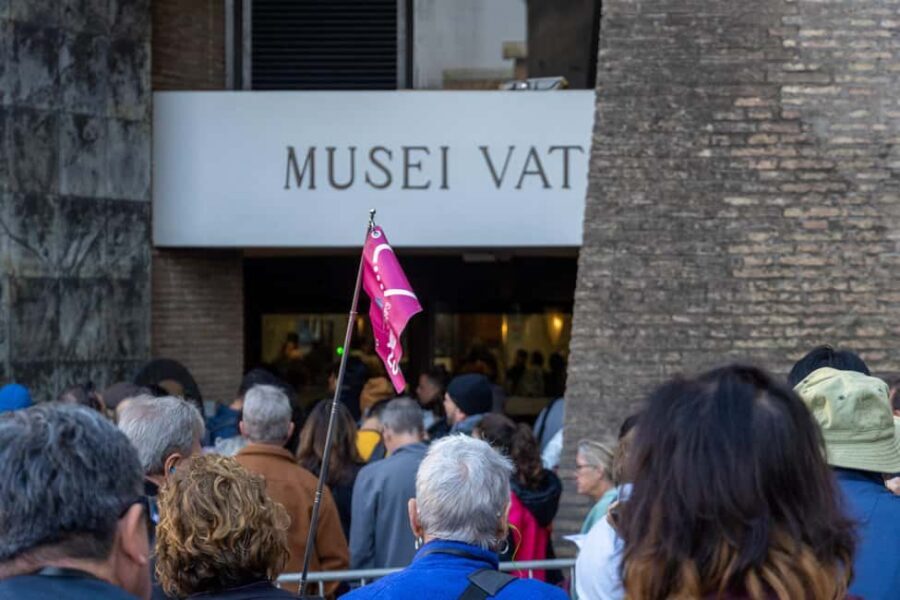
Here’s what you should expect from the logistics style. Vatican Museums is famous for long lines, and even when you have tickets, the experience can still feel stuck. This tour uses a separate entrance reserved for Vatican Museums partners, so you start your day already ahead of most people.
Once you’re inside, the group moves like a unit. You’re not sprinting wildly, but you’re also not stopping every two minutes. The idea is to get through the crowded corridors and important rooms without losing the thread of the guide’s narrative.
One practical note: dress code rules apply. You can’t wear shorts, hats, short skirts, or sleeveless shirts. Baby strollers also aren’t allowed. If you’re traveling in warmer months, plan clothing that meets the Vatican rules even when it’s hot outside. You’ll save yourself stress at the entrance.
Cortile del Belvedere: the “you’re really here” moment
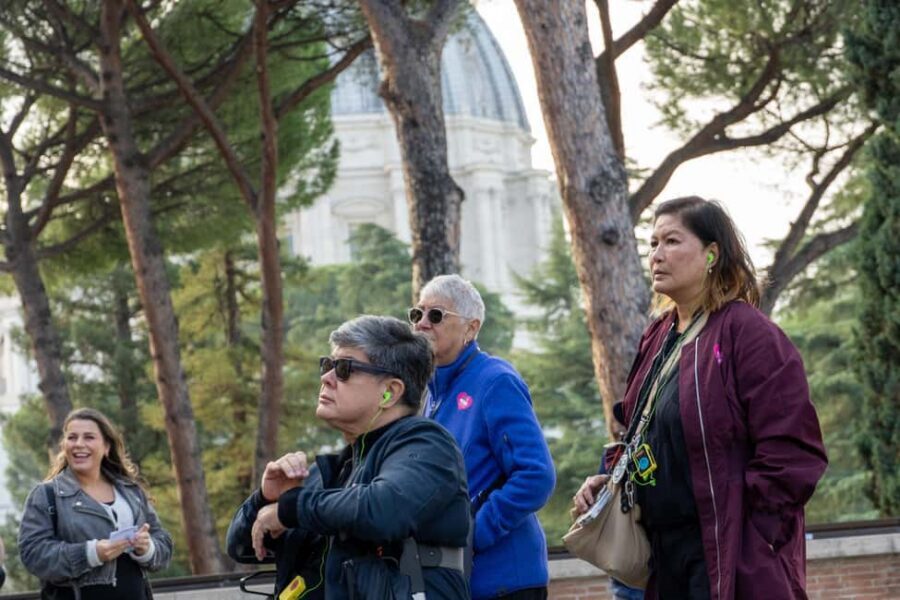
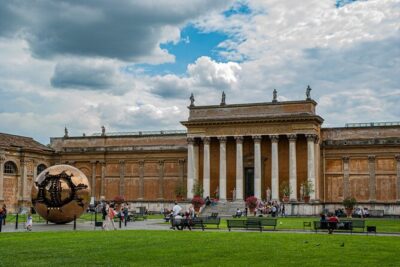
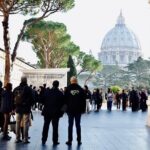
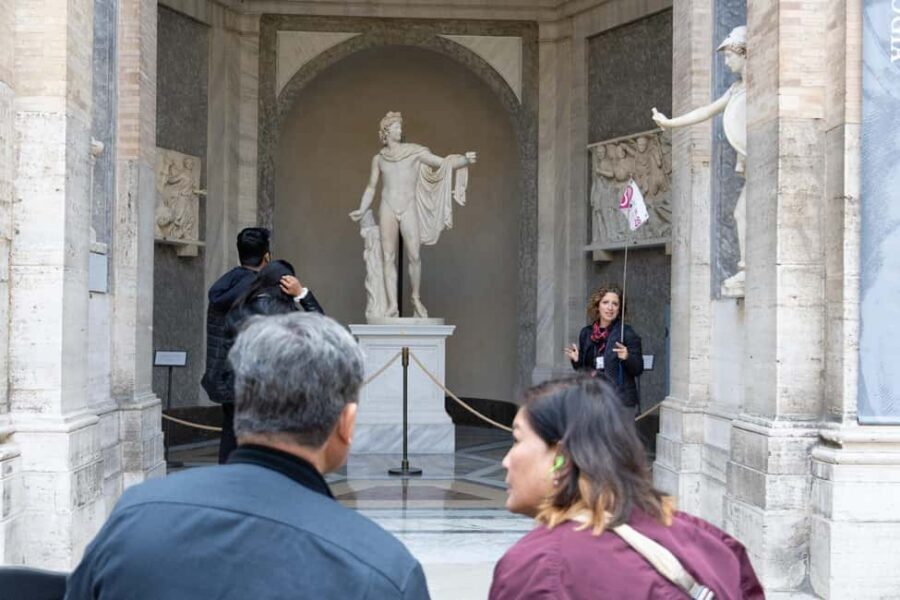
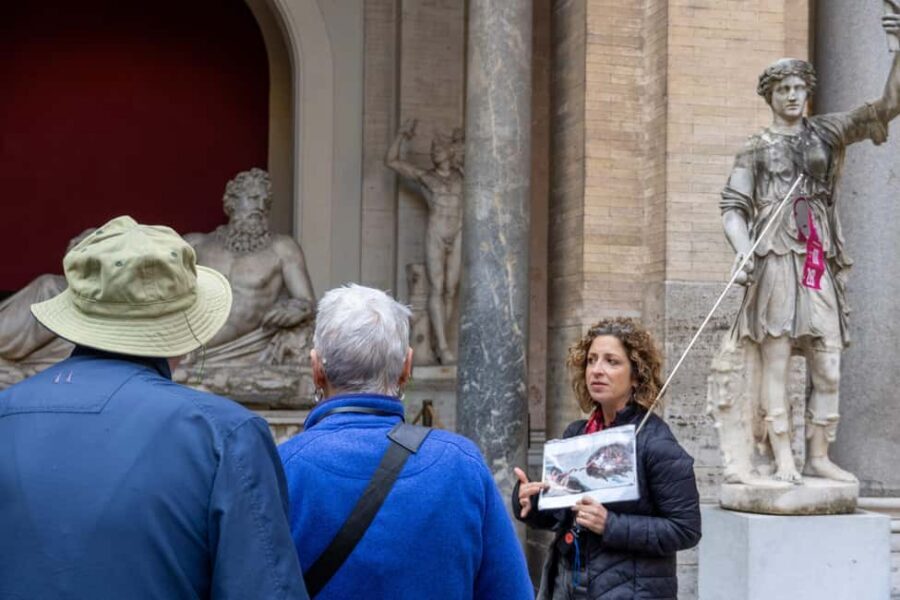
Your tour starts with a guided entry into the Cortile del Belvedere, a courtyard space that gives you a quick sense of scale and layout. This isn’t just a pretty break. It’s the kind of place where the Vatican’s architecture starts to explain the art you’ll see next.
Guides use this early moment to set expectations: what you’re looking at, how the Museums were built over time, and why popes cared so much about collecting sculptures and paintings. If the guide is strong (names that often come up include Luisa, Mara, and Roberta), you’ll get a clear sense of the Vatican as a cultural machine—not just a single chapel.
If you like context, this stop is a win. Even if you only remember a few details later, you’ll remember the feeling of walking into a place that runs on centuries of intention.
Gallery of Maps: the clever history lesson in miniature
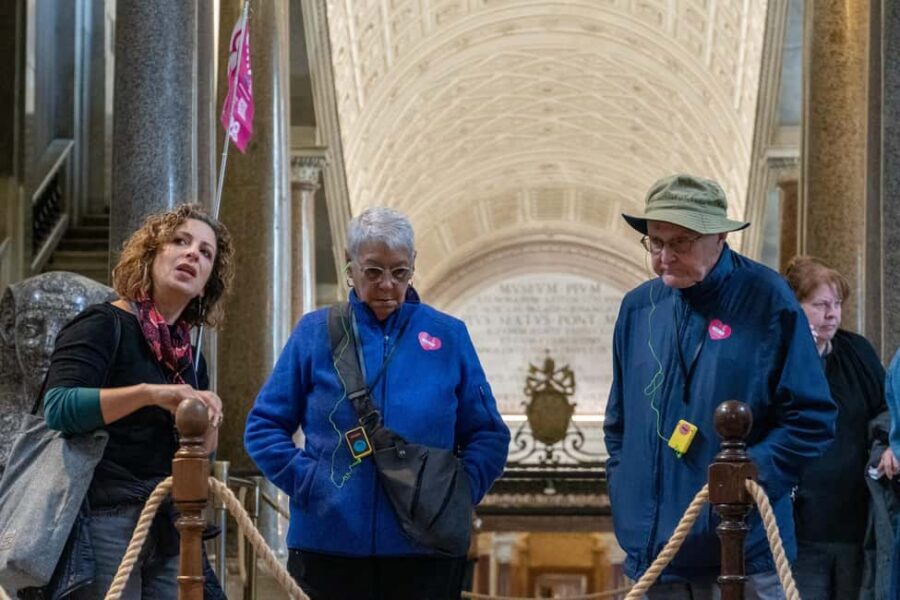
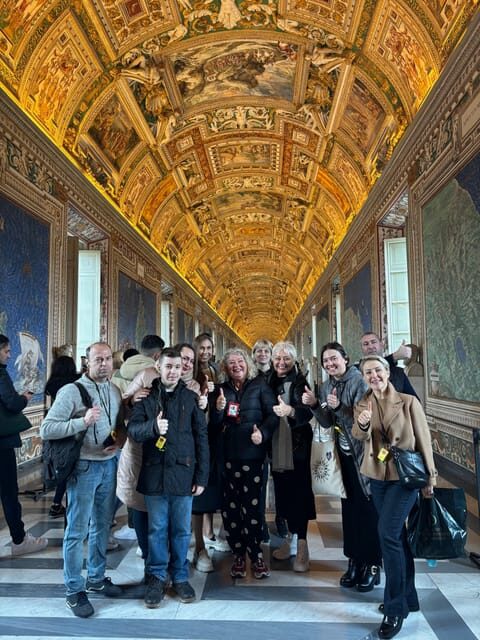
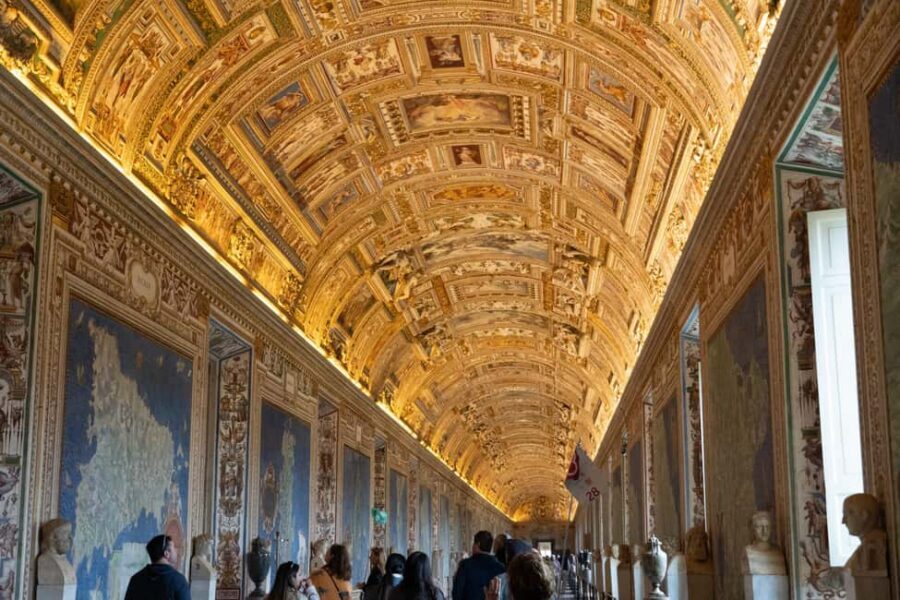
After the courtyard, you move into the Gallery of Maps. This room can surprise people because it doesn’t look like “holy art” at first glance. It’s not about saints and halos. It’s about geography—how the world was understood and framed by scholarship and power.
This is the kind of stop where a good guide makes the room click. The Maps Gallery works best when you treat it like a visual argument: the Vatican wasn’t only preserving faith, it was also collecting knowledge and shaping how Europe viewed itself.
The practical benefit is timing. Doing this kind of space earlier helps you acclimate. It’s easier to settle in and start paying attention before the Museums get more sensory overload.
Vatican Museums highlights: sculptures, Renaissance art, and the pace tradeoff
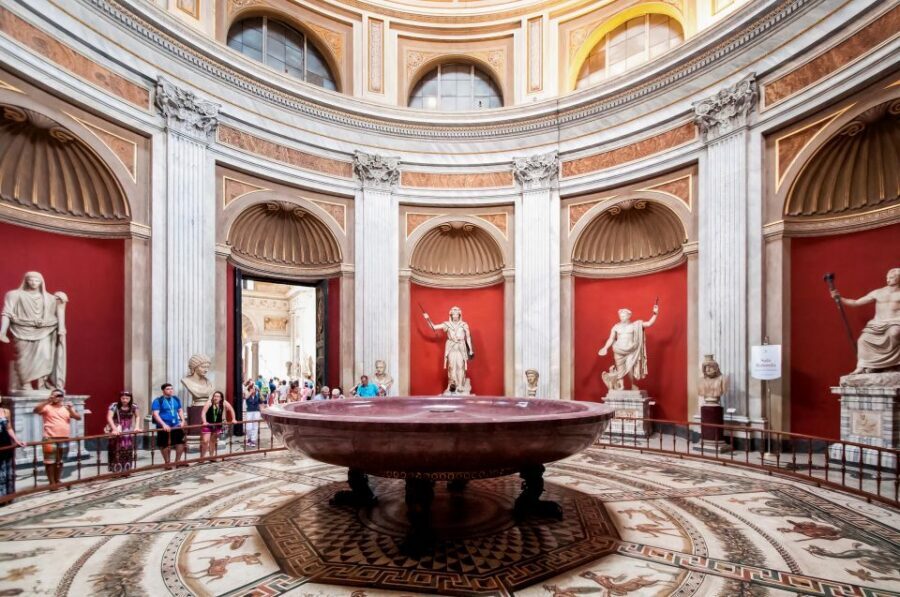
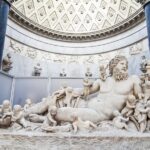
From there you’re in the main Vatican Museums flow. You’ll see renowned sculptures and Renaissance art that connect to the Vatican’s role as a patron and collector.
A big part of what makes this tour feel satisfying is that it’s guided walking. You’re not just passing rooms; you’re being pointed to specific masterpieces and given the “why.” When you hear stories about how artists worked, how themes were chosen, and what certain symbols meant, the rooms stop being identical.
You’ll likely get commentary that references major artists and styles you’ll recognize, including work tied to the Renaissance tradition and the Vatican’s famous artistic patronage. The tour is designed for people who want to understand the big picture without doing hours of independent reading.
Now for the drawback: because it’s efficient, you’re trading depth for range. The Vatican Museums are vast. This tour is built to show you key rooms and move you along. If you want to linger in front of one sculpture for 30 minutes, you may find this route too structured.
Other Sistine Chapel tours at the Vatican & Rome




Raphael Rooms and the School of Athens: where it gets really smart
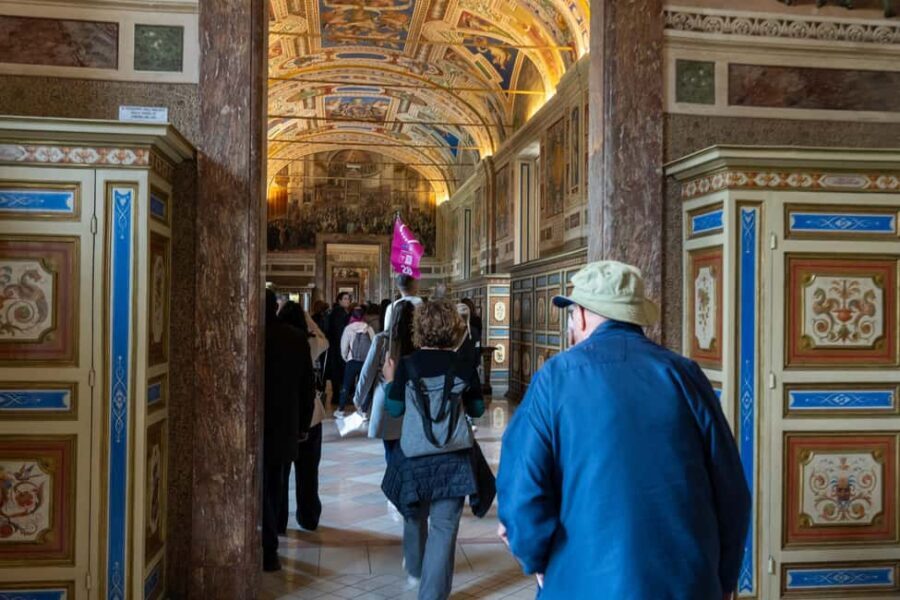
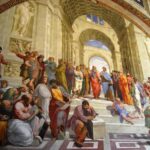
One of the best parts of the day is the visit to the Raphael Rooms, including the School of Athens. This is where a guided tour earns its ticket price.
Raphael’s work can feel intimidating when you’re just looking at it in passing. Guided context turns it into something you can actually track: composition, symbolism, and how Renaissance thinkers used art to communicate ideas about philosophy, science, and human nature.
The School of Athens is the standout for most people because it’s both intellectual and visual. You get the sense of a “classroom” painted in fresco form, full of figures arranged to communicate relationships and themes. If your guide asks you to look for details, you’ll start seeing patterns quickly—and that makes the room feel alive instead of flat.
If you care about art history but don’t want to read a textbook, this stop is a sweet spot.
Sistine Chapel: Creation of Adam and the meaning behind what you see
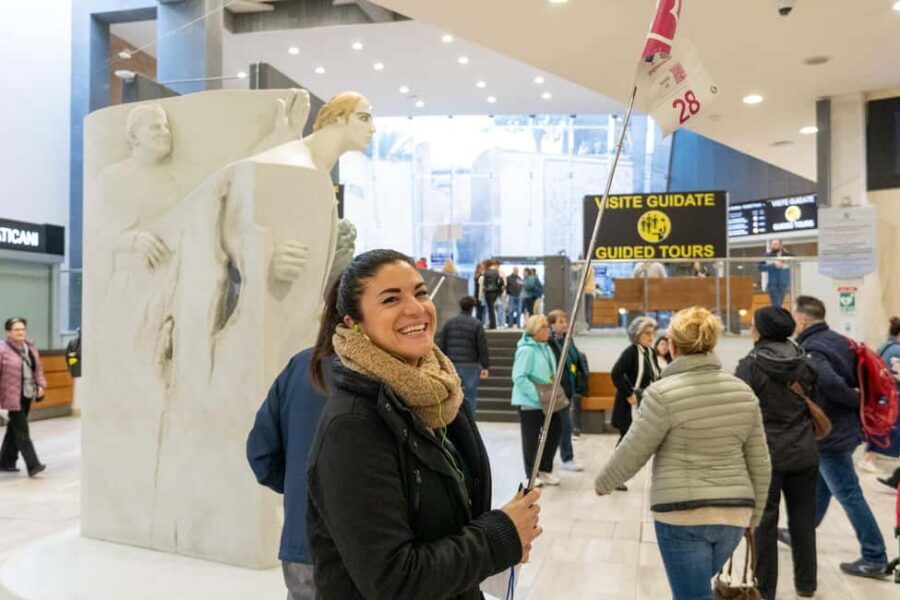
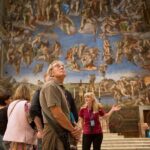
Eventually you reach the Sistine Chapel, and this is the moment people come for. The tour is set up so you reach the chapel as part of the guided flow, with priority entry for the Sistine Chapel. That reduces the “lost in the crowd” feeling.
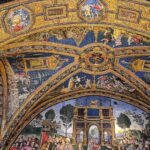
Inside, your guide connects what you’re seeing to what it’s doing. You’ll look at the iconic ceiling scenes, including Michelangelo’s Creation of Adam. The ceiling is technically astonishing, but it can still feel like a blur if no one gives you a way to read it.
A strong guide makes you slow down without forcing you to stop. You’ll learn what to look for in key scenes and why the arrangement matters. That’s the difference between standing there impressed and standing there understanding.
One important reality check: the Sistine Chapel may be inaccessible during certain religious ceremonies, and that can happen in Jubilee years due to religious events. If the Sistine Chapel isn’t accessible for reasons beyond control, the tour information you’re given notes that there’s no partial refund. It’s worth keeping flexibility in your plans, especially if your travel overlaps with major church events.
Bonus stop: St. Peter’s Basilica finish and what to do next
The tour ends at Basilica di San Pietro. This matters because many Vatican visits feel incomplete unless you get into St. Peter’s. Even if you’ve seen photos, seeing the scale in person is a different category.
Also, when you’re already in the area, you can decide how to finish your day. If you want more art, linger. If you want views, head toward viewpoints where permitted. If you want quiet, you can find corners away from the busiest foot traffic.
One thing I like about this tour format is that it doesn’t dump you at the far end of the Museums with no plan. You leave with your legs tired, your head full, and a cathedral-level finish.
Small-group tour size: why max 20 really changes the experience
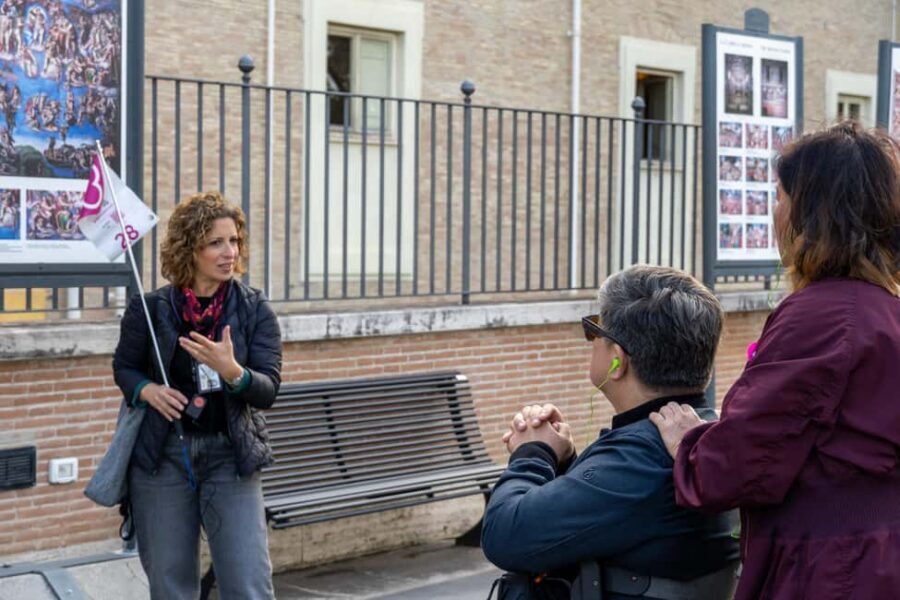
Group size sounds like a detail until you feel it. With up to 20 people, you’re more likely to have a guide who can keep track of faces, adjust pacing, and answer questions without the group dissolving into random drifting.
It also helps with sound. Vatican Museums is loud in crowds. This tour includes official Vatican Museums headsets, which means the guide’s voice stays clear. You don’t have to compete with noise or guess what you missed.
In practice, that combination—small group plus headsets—helps the tour feel like a guided walk, not a school bus with a voice-over.
Languages and guide style: what works if you want to ask questions
Tours run in English, Portuguese, and Spanish, so it’s easier to find a session that matches you. Beyond language, the guide matters. The names that show up strongly include Rita, Alexandra, Litzia, Alicia, Luisa, Mara, and Sylvia S—people noted for staying attentive, explaining thoroughly, and keeping the group moving efficiently.
That guide style matters because Vatican Museums can feel like sensory overload. You’re looking at art, reading captions you can’t zoom in on, and absorbing history while crowds press in. When a guide uses good pacing and a clear storyline, you don’t just see more—you understand more.
If you enjoy interaction, you’ll likely appreciate that the guides are described as passionate and responsive, including taking questions when possible.
Price and logistics: deciding if $130 is worth your time
Let’s do the honest math in plain terms. The tour cost is $130.05 per person, and you get:
- a guided route through the Vatican Museums
- Sistine Chapel priority access
- entrance tickets included
- official headsets
- Raphael Rooms time
- a group cap that supports better guidance
If you buy tickets on your own, you might spend less on paper. But the Vatican lines are the hidden cost. If you end up waiting hours outside, your day becomes less enjoyable and less flexible. With this tour, you’re paying to buy time and reduce uncertainty.
Also, because it’s a guided tour, you’re paying for a story. That story is what turns “I saw the Sistine Chapel” into “I understand why it matters.”
So for most people—especially first-timers—this is one of the better ways to spend money in Rome if your schedule is tight.
Before you go: what to bring and how to avoid entry-day headaches
Bring a passport or ID card. That’s required. It’s easy to forget until you’re standing at the entrance, sweating through your best shirt.
Wear clothing that fits the Vatican rules: no shorts, no hats, no short skirts, and no sleeveless shirts. If you’re traveling with family, this is the kind of day where a slightly stricter dress rehearsal saves everyone from last-minute stress.
Also, note the tour is not suitable for wheelchair users. If you need mobility access, this particular format might not work.
Finally, keep in mind the possibility of Jubilee Year religious ceremonies affecting access to certain areas. That’s outside anyone’s control, but knowing it exists helps you plan with calm expectations.
Who should book this Vatican Museums and Sistine Chapel tour
This tour is a great fit if you:
- want the Vatican highlights without spending half your day stuck in lines
- like art history explained in a guided, practical way
- prefer a small group over mass tours
- want to see the Raphael Rooms and the Sistine Chapel as connected parts of the same story
It might not be your best match if you:
- hate structured itineraries and want maximum freedom
- need fully accessible routes for mobility needs
- plan to spend long, uninterrupted time in one room only
If you’re somewhere in the middle, this is a very workable balance: guided, focused, and efficient.
Should you book this tour?
I’d book it if your priority is seeing the Vatican Museums, Raphael Rooms, and Sistine Chapel with the least wasted time and a guide who keeps the day coherent. For most first-timers, paying for skip-the-line access is the difference between enjoying the Vatican and just surviving it.
If you’re the type who wants to read every label and linger for ages, consider whether a slower self-guided approach suits you better. But if you want a smart first visit with time to still appreciate St. Peter’s Basilica afterward, this tour is one of the more practical ways to do it.
FAQ
FAQ
How long is the Vatican Museums and Sistine Chapel skip-the-line tour?
The tour lasts about 3 to 3.5 hours.
Does this tour include skip-the-line entry?
Yes. You use an exclusive partner entrance for the Vatican Museums and priority entrance for the Sistine Chapel.
Is the group size small?
Yes. The tour is capped at a group of 20 people maximum.
Are headsets included?
Yes. Official Vatican Museums headsets are included.
What languages are offered for the guided tour?
The tour is available in English, Portuguese, and Spanish.
Do I need to bring ID?
Yes. You should bring a passport or ID card.
What clothing is not allowed?
Shorts, hats, baby strollers, short skirts, and sleeveless shirts are not allowed.
What happens if the Sistine Chapel is inaccessible?
If the Sistine Chapel is not accessible for reasons beyond control, no partial refund is provided.