REVIEW · ROME
Rome: Vatican Museums and Colosseum Private Tour with Transfers
Book on Viator →Operated by Eyes of Rome · Bookable on Viator
Two ancient worlds, one tight schedule. This private tour connects the Colosseum/Forum to Vatican Museums and St. Peter’s with hotel pickup and fast-track entry, plus a Blue Badge guide who turns big ruins and famous art into something you can actually picture. I especially like how each stop is time-boxed so you see more than just checkmarks, and how guides (from Gianluca to Marina and Benjamin) keep the pacing engaging for both history fans and families. The one drawback: it’s a long day with moderate walking, dress-code rules, and some uneven steps.
You’ll start at 8:45am with pickup from your hotel in Rome city center (within the Aurelian Walls), ride in a private vehicle, and meet your guide for a smooth flow between sites. I like that your transport is handled end to end, so you’re not burning time figuring out buses, taxi lines, or where to stand.
Expect a front-loaded hit of ancient Rome—views from the piazza toward the Colosseum, then inside the arena—followed by Vatican highlights that move through big-ticket rooms like the Gallery of Maps and the Sistine Chapel. If you’re the type who loves details, you’ll appreciate the focus on things like the Lapis Niger in the Forum and Bernini’s Baldachin in St. Peter’s.
In This Review
- Key things to know before you go
- From 8:45am to St. Peter’s: how the day stays doable
- The walk toward the Colosseum: getting your bearings fast
- Inside the Colosseum: design, spectacle, and real context
- Roman Forum: where stories connect like a timeline
- Constantine’s arch and the art-politics shift you’ll feel
- Vatican Museums: private flow with fast-track entry
- Cortile della Pigna and the museum rooms that actually teach
- Sistine Chapel: enough time for the big art, not enough for daydreaming
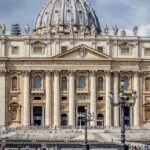
- St. Peter’s Basilica: Bernini’s Baldachin, Michelangelo’s Pietà, and the square
- What to wear and bring: dress code and shoe rules you cannot ignore
- Price and value: what you’re really paying for
- Who this private day fits best (and who should pick another option)
- Quick booking checklist so entry doesn’t get messy
- Should you book this Rome: Vatican Museums and Colosseum Private Tour?
- FAQ
- How long is the tour?
- Is this a private tour?
- What time does the tour start, and where do you meet?
- Is hotel pickup and transportation included?
- Are entrance fees included?
- Is food or lunch included?
- Do I need a dress code for Vatican sites?
- What ID do I need for entry?
- What should I wear for walking?
- What if the Vatican or monuments are closed during Jubilee events?
Key things to know before you go
- Private, Blue Badge guiding means you get a real narrative instead of a quick walk-through.
- Fast-track access at the Vatican saves real time when ticket lines are thick.
- Short, focused museum segments help you hit multiple galleries without feeling lost.
- Colosseum + Roman Forum admissions are included, including the reservation fee.
- Dress code and ID matching names matter, or entry can be refused.
- Bring practical comfort items like closed-toe shoes; in summer, an umbrella or fan can help.
From 8:45am to St. Peter’s: how the day stays doable
This is built as a full-day “Rome highlights, but guided” plan. You’re looking at roughly 8 hours, which sounds like a lot until you see how much you’re packing in: the Colosseum, the Roman Forum, the Vatican Museums, and then St. Peter’s Basilica and Piazza San Pietro.
The big value here is the handoff between places. You don’t have to solve the logistics puzzle, because pickup and drop-off are included and the transfers happen by private vehicle. I like this setup for first-timers, because your energy stays on sights instead of navigation.
The pacing matters, too. Many of the stops are around 20 to 30 minutes in the Vatican, which is not enough time to wander on your own—but it is enough time to learn what you’re looking at and still move toward the next must-see. If you hate crowds, start by accepting that even with skip-the-line access, Vatican time still feels busy. The fix is your guide’s timing and the fact you’re not doing it blind.
Other Vatican Museums tours we've reviewed at the Vatican & Rome

The walk toward the Colosseum: getting your bearings fast
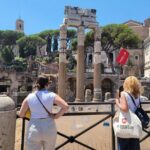
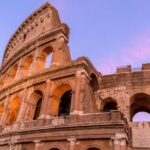
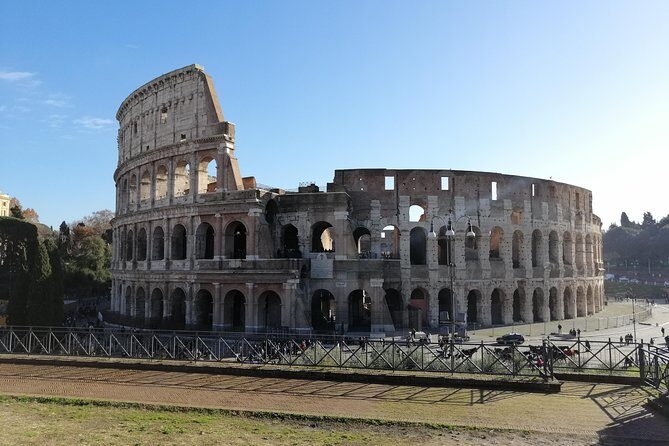
Before you even hit the Colosseum entrances, the tour starts with a walk along a piazza route that lines you up with what you came for. This matters more than it sounds. The Colosseum looks different once you see where the viewpoints line up and how the Forum sits nearby.
I also like that the guide frames what you’re seeing as a direct continuation of what Romans would have recognized. From outside and from the surrounding areas, the scale hits first. Then your guide gives you the design and construction context so the building stops being just an impressive rock and becomes an engineering and political machine.
Practical note: you’ll be walking at an archaeological site with uneven surfaces. Plan for that from the start.
Inside the Colosseum: design, spectacle, and real context
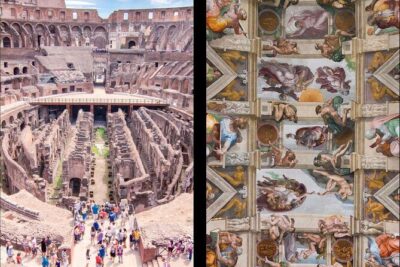
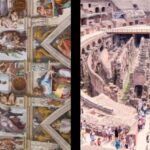
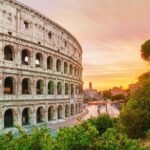
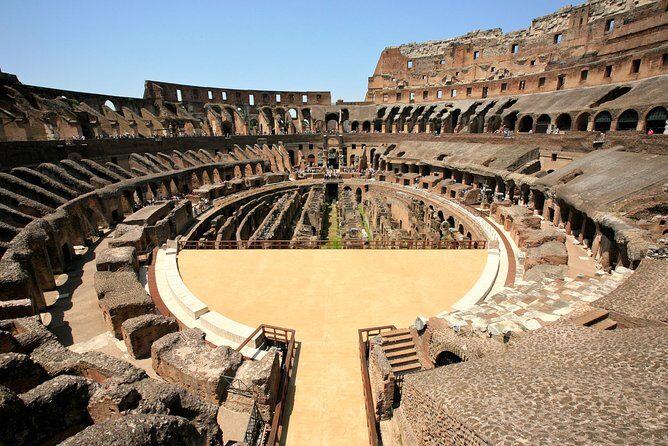
Your Colosseum time is about 1 hour 30 minutes, and admission is included. That’s a sweet spot for an anchored visit: long enough for real stories, not so long that you melt into the crowd.
The focus here is what made the Colosseum work—how a huge amphitheater could seat an estimated 60,000 people, and how construction was completed in only eight years. That speed gets your attention because it wasn’t just about entertainment. It was about power, public messaging, and civic identity.
Your guide also connects the games to the building’s design. Gladiator battles, animal fights, and even legendary sea-battle references show up as part of how Romans imagined spectacle. If you’re the type who likes cause-and-effect, this is a good fit: you learn why the arena looked the way it did and what it did socially.
One consideration: shoes matter. The tour requires closed-toe, non-slip footwear, and access to the Colosseum may be refused without proper shoes. Treat that as non-negotiable, not a suggestion.
Roman Forum: where stories connect like a timeline
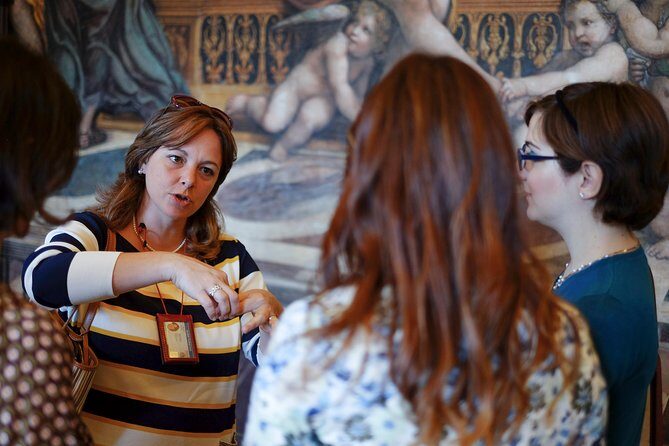
Right after the Colosseum comes the Roman Forum, again with about 1 hour 30 minutes. This is where many people feel torn: it’s big, it’s broken, and it can be hard to place what you’re seeing. A strong guide fixes that by naming key sites and tying them to myth, politics, and daily Roman life.
You’ll hear mythology and how public celebrations and gods showed up in the Roman worldview. You’ll also get specific stops, not just general sweeping commentary. Highlights include:
- The Lapis Niger, described as the most ancient Latin text ever discovered, shown in the foundation area of a column in the Forum.
- The Temple of the Vestal Virgins, where Vestal Virgins served for long periods under different emperors and were regarded with near-divine status. The sacred fire of Vesta is explained as tied to Rome’s endurance and victory.
- A connection to Saturnalia and the way later traditions adopted the December 25 date we know today.
Then there’s a view stop for the Triumphal Arch of Constantine. The tour frames it as a turning point—art and politics shifting as Christianity rose and the old empire structure declined. Seeing the arch in context helps the Forum feel like more than ruins; it feels like a living record of change.
Constantine’s arch and the art-politics shift you’ll feel
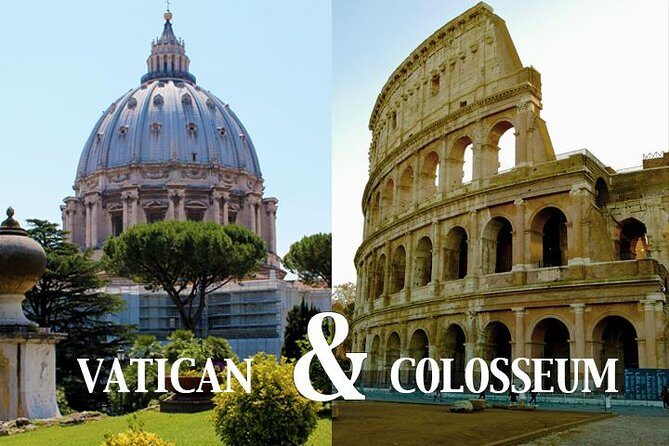
That Constantine arch stop is short, but useful. It gives you a visual hinge between eras. Even if you don’t memorize every sculpture detail, you’ll understand why the guide is pointing at it: it’s a dividing line you can point to in space.
If you’re a visual learner, this type of stop is a win. You get a mental map of the Roman world transitioning, rather than treating Rome as one long, uniform “ancient” blur.
The main drawback at this stage is fatigue. By the Forum portion, you may be hot and your legs may be reminding you that today started early. I recommend building in small pacing breaks—your guide typically knows where to pause and how to time stops.
Other private Vatican tours at the Vatican & Rome
Vatican Museums: private flow with fast-track entry
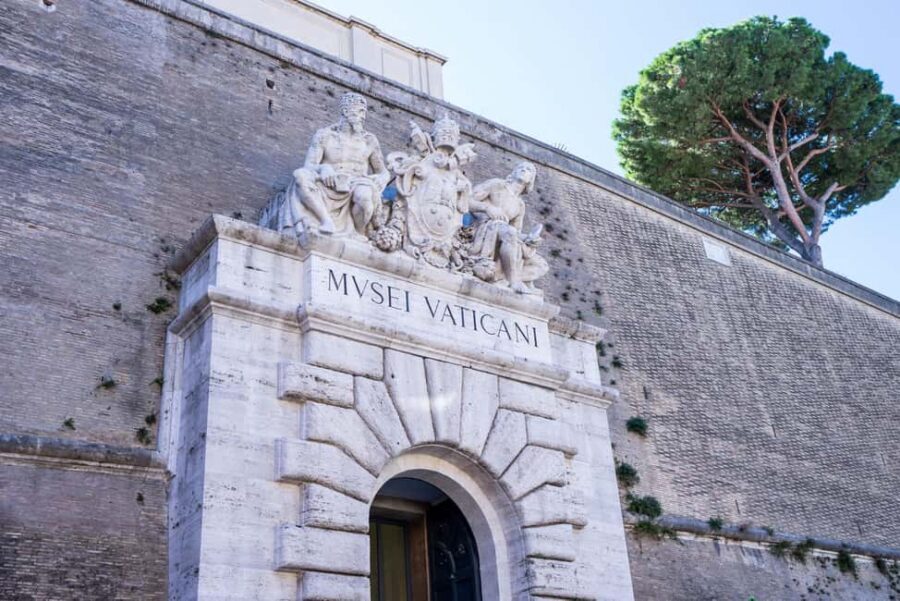
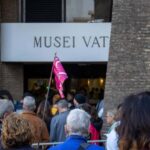
Next comes the Vatican Museums, where the tour uses fast-track entry to help you bypass long lines. You also get a customized private tour approach, with time set aside for areas that are not part of the standard general route.
I like the way this changes the Vatican experience from frantic to readable. Instead of feeling like you’re sprinting through hall after hall, the guide keeps the story tight: sculptures, frescoes, and famous works are named and then placed into context.
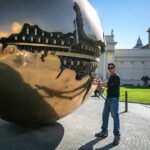
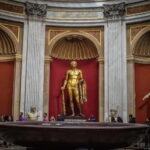
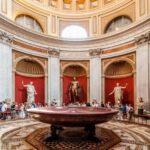
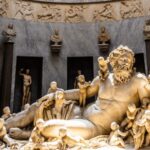
You get time in the Belvedere Courtyard, then a run through major sculpture highlights. The Lacoon and the Belvedere Torso are called out explicitly—artists like Michelangelo treated these classical forms as reference points. That’s the type of moment where the guide’s framing helps you see why these pieces mattered historically.
One practical detail: museum segments here are short (20 to 30 minutes for several rooms). That’s not a flaw—it’s a design choice. You’re not paying for hours of wandering. You’re paying for a guided route that gets you to the rooms that people most often regret missing.
Cortile della Pigna and the museum rooms that actually teach
After the first big Vatican hits, you move into a sequence of spaces that feel calmer and more specific.
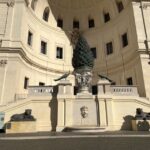
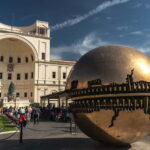
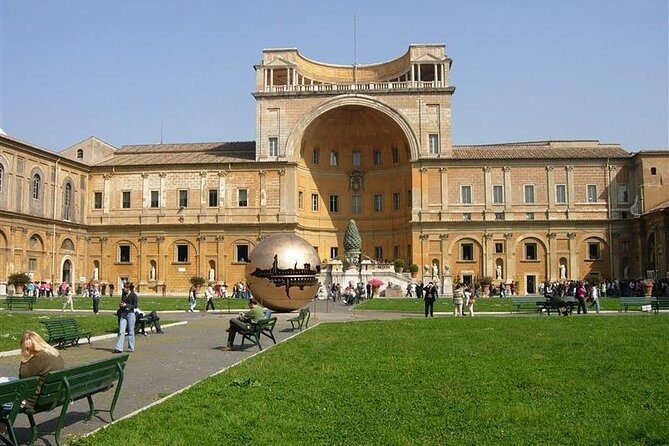
- Cortile della Pigna (Court of the Pine Cone): A tranquil courtyard with a colossal bronze pine cone that dates to ancient Rome. The tour explains it as once a fountain and now the courtyard centerpiece, linked to ideas of enlightenment and eternal life.
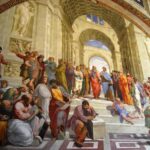
- Gallery of Tapestries: 15th and 16th-century tapestries woven with biblical and historical scenes, inspired by Raphael’s school.
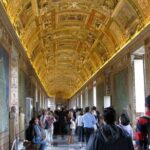
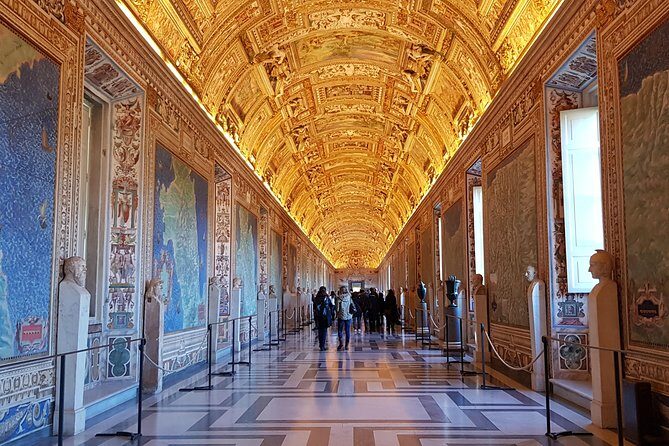
- Gallery of Maps: Painted topographical maps of Italy, created in the 16th century under Pope Gregory XIII, stretching about 120 meters.
- Gallery of the Candelabras: A room decorated with grand marble candelabras and filled with Greek and Roman statues, sarcophagi, and reliefs.
I find this middle section valuable because it balances your brain. You go from large-name sculpture moments to rooms that teach you how Renaissance artists used display—tapestries as storytelling, maps as power and knowledge, and sculpture galleries as thematic classification.
Sistine Chapel: enough time for the big art, not enough for daydreaming
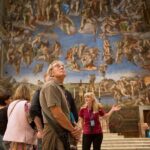
Your Sistine Chapel time is about 30 minutes, with admission included. That sounds brief until you remember the reality: this is a room you can’t treat like a museum lab where you study every square inch.
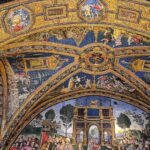
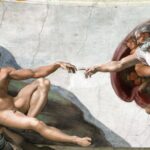
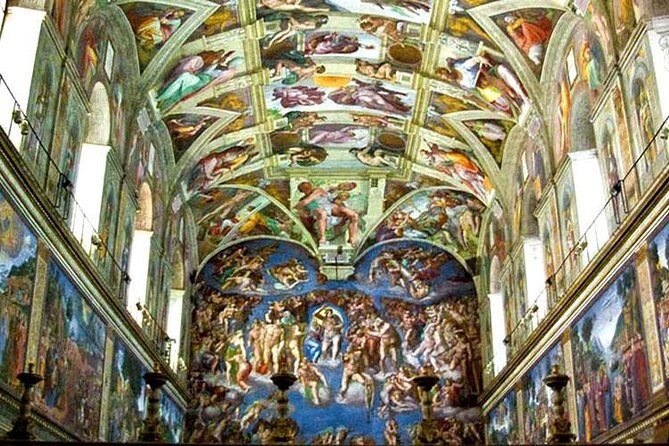
So what works here is having a guide who tells you where to look and what you’re seeing. Even with limited time, you can still get the key idea: Michelangelo’s frescoes are why the Sistine Chapel is famous, and it’s also a ceremonial space tied to papal conclaves.
If the chapel is your top priority, prioritize it mentally. Don’t plan to linger in other galleries longer “just because.” The flow is built around reaching the chapel with your eyes ready.
St. Peter’s Basilica: Bernini’s Baldachin, Michelangelo’s Pietà, and the square
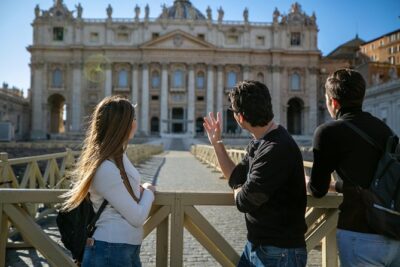
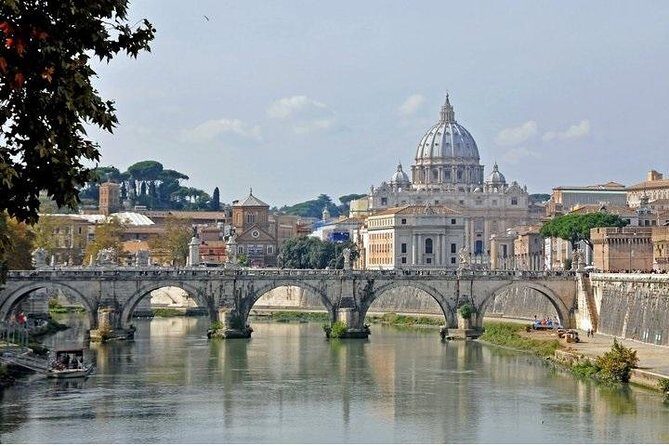
After the Museums, the tour heads into St. Peter’s Basilica, with entry included. Your time here is about 20 minutes, but the guide doesn’t waste it.
You’ll be pointed toward three major moments:
- Bernini’s Baldachin, a bronze canopy over the high altar that towers over 90 feet tall and signals Baroque theatrical scale.
- Michelangelo’s Pietà (1498–1499), highlighted as a major Renaissance sculpture inside the Basilica.
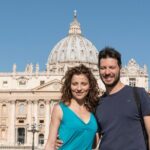
- Piazza San Pietro, designed by Bernini with a double colonnade and a central obelisk flanked by fountains.
This is where the tour wins for people who feel overwhelmed by Vatican scale. The Basilica can swallow you up. With a tight set of targets, you still leave with a clear memory of what matters: the altar centerpiece concept, the Pietà’s emotional impact, and how the square frames crowds during papal addresses.
What to wear and bring: dress code and shoe rules you cannot ignore
Two things can ruin the day if you wing it: clothing and footwear.
The dress code requires covered knees and shoulders for both men and women. That means no shorts and no sleeveless tops. If you show up wrong-dressed, the risk is refused entry.
Then there’s footwear. The tour requires closed-toe, non-slip shoes for safety, and access to the Colosseum may be denied without proper shoes. Also, expect uneven steps and archaeological surfaces.
Bring comfort too:
- A small bottle of water if allowed by the site rules.
- In summer, an umbrella or fan can make a difference, especially with long waits and sun exposure.
- If you wear thin soles, consider thicker cushioning—your feet will notice the difference by noon.
Price and value: what you’re really paying for
At $1,078.44 per person, this isn’t a budget tour. But it also isn’t just someone walking beside you and telling you a few facts.
Here’s what the price buys:
- Private vehicle transfers with hotel pickup and drop-off.
- A Blue Badge guide for the full day.
- Entrance fees for the Colosseum and Roman Forum, including the Colosseum reservation fee.
- Vatican Museums tickets.
- Fast-track handling in the Vatican.
The Colosseum-related admission value is called out (around €18 plus a €2 reservation fee). The rest of what you pay goes to guide time, private transport, and the ticket-and-entry service. That is where value shows up if you hate lines, you want a cleaner pace, or you’re short on time.
The best “value” scenario is when the day matters. If you have just one full day in Rome, you’re comparing this against paying for timed entries, chasing directions, and stitching together multiple guide services. A private, guided, all-in-one day can cost more up front, but it often feels cheaper in stress.
Who this private day fits best (and who should pick another option)
This tour is ideal if:
- You want two of Rome’s biggest priorities in one day: Colosseum/Forum plus the Vatican.
- You like structure and guidance, especially when sites are spread out and timing matters.
- Your group includes different ages, since the experience has been handled well for families (including a report of strong engagement with two 12-year-olds).
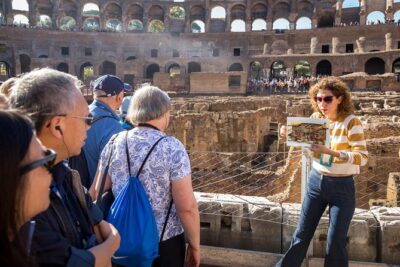
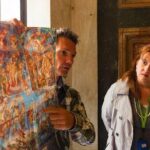
- You appreciate guides who tailor the route and explain things in clear, human terms. People highlight guides like Gianluca (including using a picture book to show what used to be where) and Marina (storytelling and information).
It may be less ideal if:
- You want long unstructured time at every stop. The schedule is tight by design.
- You can’t manage moderate walking and uneven steps.
- Your group needs lots of downtime or slow museum browsing.
Quick booking checklist so entry doesn’t get messy
Before you go, do three things:
- Make sure every traveler’s full name is correct for vouchers.
- Bring a passport or photo ID that matches the name used for entry.
- Dress in the required way—covered knees and shoulders—so you don’t lose time at security or ticket checks.
Also keep an eye out for potential changes due to Jubilee-related closures or restorations. If something is under restoration or closed, the timing may shift.
Should you book this Rome: Vatican Museums and Colosseum Private Tour?
If you’re trying to compress Rome’s top Roman and Vatican sights into one day, I’d lean yes. The combination of private transfers, included admissions, and fast-track entry at the Vatican solves the hardest parts of planning: getting there, managing queues, and staying oriented.
I’d book it especially if you value a guide who can turn ruins and famous art into a clear story—whether you’re coming from a basic-interest level or you want more detail. The day is busy, so pack for comfort and respect the dress-code rules. If you do that, the schedule works.
FAQ
How long is the tour?
The experience runs about 8 hours.
Is this a private tour?
Yes. Only your group participates.
What time does the tour start, and where do you meet?
The start time is 8:45am, with pickup from your hotel/accommodation in Rome city center within the Aurelian Walls.
Is hotel pickup and transportation included?
Yes. Hotel pickup and drop-off are included, along with private transportation between sites.
Are entrance fees included?
Yes. Colosseum and Roman Forum entrance fees are included, including the Colosseum reservation fee, and Vatican Museums tickets are included.
Is food or lunch included?
No. Food, drinks, and lunch are not included.
Do I need a dress code for Vatican sites?
Yes. Knees and shoulders must be covered for both men and women. Shorts and sleeveless tops are not allowed.
What ID do I need for entry?
You must present a valid passport or photo ID document that matches the names provided at booking.
What should I wear for walking?
Comfortable shoes are recommended, and closed-toe, non-slip shoes are required for safety. Colosseum access may be denied without proper footwear.
What if the Vatican or monuments are closed during Jubilee events?
Some monuments may be under restoration or closed due to extraordinary celebrations. Pay attention to any messages with potential changes.