REVIEW · ROME
VIP Tour of Rome (3/5/8hrs) Colosseum & Vatican Museums
Book on Viator →Operated by Limousine Service in Italy · Bookable on Viator
Rome’s crowd chaos, handled for you.
This VIP setup is interesting because you get a dedicated guide plus luxury Mercedes transfers, not the usual herd-on-a-bus feeling. I like the flexible, interest-based plan and the way your driver helps you stay close to the action. The only real drawback to plan for up front: major attraction entrance fees are not included (and Vatican rules are strict).
For museum-heavy days, the format matters. You’re not just standing in lines—you’re moving through big-ticket sights with someone steering the pace and priorities, then shifting gears to fit your questions and energy.
You also need to choose the right length. Vatican Museums and the Sistine Chapel only appear on the 8-hour option, while the Colosseum/Forum/Palatine area shows up on the 5- or 8-hour versions. Shorter options exist, but you’ll trade time for coverage.
In This Review
- Key Things I’d Pay Attention To
- The VIP Format: Less Time Guessing, More Time Seeing
- How the 3, 5, and 8-Hour Options Change Your Day
- Vatican Museums and the Sistine Chapel: What Two Hours Really Means
- St. Peter’s Square, and the Basilica Entry Question
- Colosseum and Roman Forum: Ancient Rome in Full Scale
- Pantheon to Trevi: When Rome Becomes a Walkable Series
- Capitoline Views, Piazza Navona, and Camp-to-People-Watching Stops
- Transportation and Comfort: Mercedes Van Beats Most Stress
- Price and Real Total Cost: The Entrance Fees Change the Math
- Guides and Drivers That Make It Feel Like a Team
- Who Should Book This VIP Tour
- Should You Book It?
- FAQ
- Which tour lengths include Vatican Museums and the Sistine Chapel?
- Which tour lengths include the Colosseum?
- Are entrance tickets included in the price?
- Is St. Peter’s Basilica included with the tour?
- Do you offer pickup in Rome?
- Is pickup available from the airport?
- What about dress code?
- Are earphones needed in the Vatican?
- Do I need to provide my name exactly for entry?
Key Things I’d Pay Attention To
- Private, no-mixed-group tour: It’s just your group, so you can ask questions without everyone else overhearing.
- Luxury van or golf cart transfers included: The driver gets you through narrow streets and drops you near sights.
- 8-hour option is the Vatican day: Vatican Museums plus the Sistine Chapel are only included there.
- Colosseum coverage needs extra hours: You’ll only hit the Colosseum on the 5- or 8-hour tours.
- Dress code is enforced at worship sites and museums: Knees and shoulders must be covered.
- St. Peter’s Basilica is tricky: The tour may not include entry with your guide, even though it’s discussed in the plan.
The VIP Format: Less Time Guessing, More Time Seeing
Rome rewards people who travel with a plan. Otherwise you end up doing what most first-timers do: staring at street maps, losing minutes in bottlenecks, and then realizing you still have the big sights left. This VIP tour is built to avoid that spiral.
Your tour runs with a licensed guide and a private chauffeur using a luxury Mercedes sedan/van or a golf cart, depending on the option and logistics. That means you’re not solving Rome transportation on the fly. You’re simply showing up, following the guide’s cues, and getting where you need to be.
The other big win is how flexible the day can be. You’re not locked into a museum-by-museum checklist. If you care more about art than ruins, or you’d rather slow down for photos in a piazza, you can steer the timing. That flexibility showed up again and again in the reviews too—people consistently praised the guides’ pacing and the sense that the day actually fit their group.
One more practical note: the tour includes mobile tickets (so you’re not scrambling with paper). And because it’s private, you’re not waiting for stragglers in a giant group line—your schedule is built around your group.
If you're still narrowing it down, here are other tours in Rome we've reviewed.

How the 3, 5, and 8-Hour Options Change Your Day
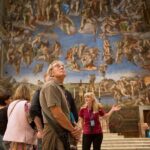
This is the part that can make or break the experience for you. The tour isn’t one fixed route; it’s a set of modules, and you pick the length that matches your must-sees.
- 8-hour tour: This is the Vatican-heavy day. It can include Vatican Museums and the Sistine Chapel, plus Vatican-area landmarks like St. Peter’s Square.
- 5-hour tour: This is the Colosseum/ancient Rome focus. You can include the Colosseum and the Roman monuments nearby.
- 3-hour tour: This is the best fit if you want a smaller highlights hit, but you’ll miss the bigger blocks like the Vatican Museums/Sistine Chapel combination.
If Vatican is your priority, don’t underbook yourself. Vatican Museums take time, even with timed entry. And the Sistine Chapel is not just a quick stop—you need a bit of quiet for it to land.
If the Colosseum and Roman Forum are your priority, plan around the “ancient Rome bowl” effect: once you’re there, you’ll want time in the Forum and on the surrounding viewpoints. A shorter day can feel like checking boxes.
Vatican Museums and the Sistine Chapel: What Two Hours Really Means
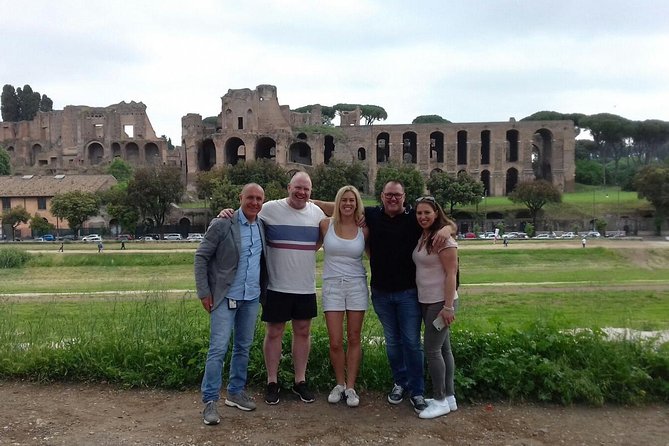
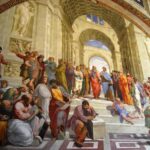
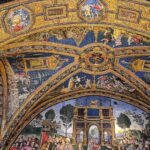
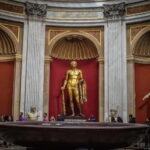
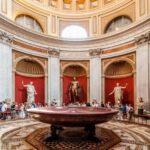
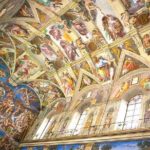
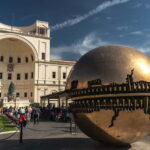
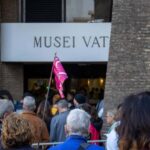
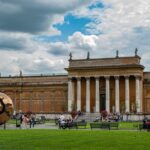
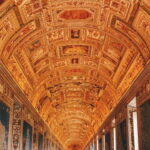
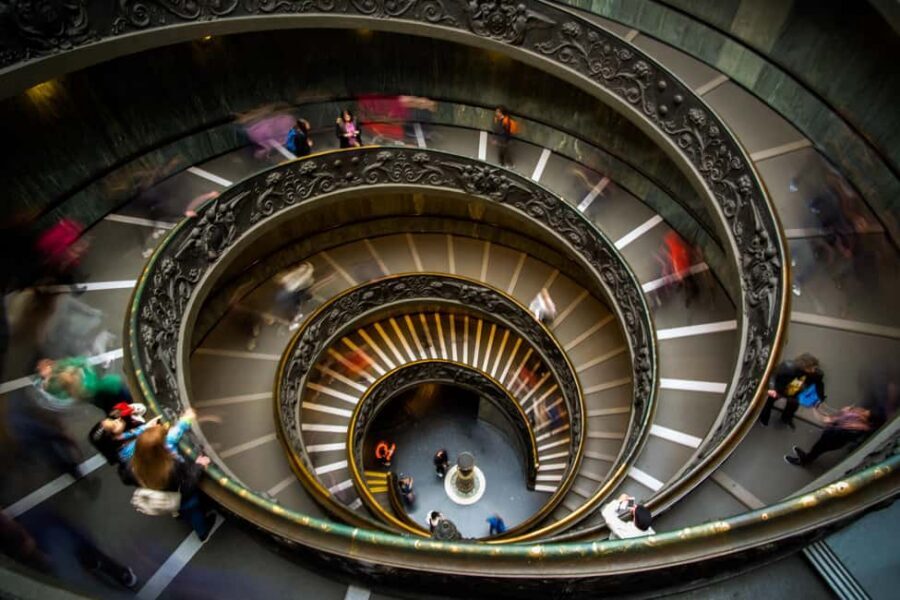
When the Vatican is included, your visit starts in the Vatican Museums. This is one of the most packed collections in the world, and the tour plan aims to help you choose what matters most. You’re walking through major galleries with a guide who helps you decide which collections you want to prioritize before you move into the corridor that leads you toward the Sistine Chapel entrance.
Here’s the real value of having a guide for this portion: you don’t treat the Vatican like a single museum hall. You treat it like sections. That changes the experience from overwhelmed to oriented.
The highlight is the Sistine Chapel, where the rules are strict: no talking, and no photos or videos inside. Your guide gives you time to appreciate what you’re seeing, and then you move onward.
This portion is also where the “VIP” matters most. Vatican entry involves layers of waiting and rules. The guide and ticket handling help you avoid the worst delays, so your time goes toward seeing rather than standing.
One important caution: your day may include audio equipment needs if your group has more than 4 people. Inside the Vatican Museums and Sistine Chapel, earphones are mandatory when the group is over 4, and rental is not included (Eur 5 per person, per the tour info). For smaller groups, you may not deal with this.
St. Peter’s Square, and the Basilica Entry Question
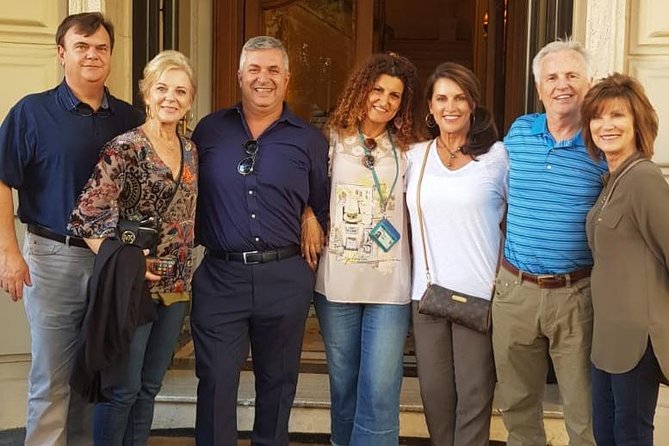
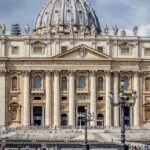
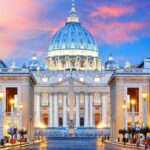
St. Peter’s Square is the kind of place where history feels physical. The tour plan highlights Bernini’s colonnade as a kind of embracing frame, and it also points out the ancient Egyptian obelisk in the center.
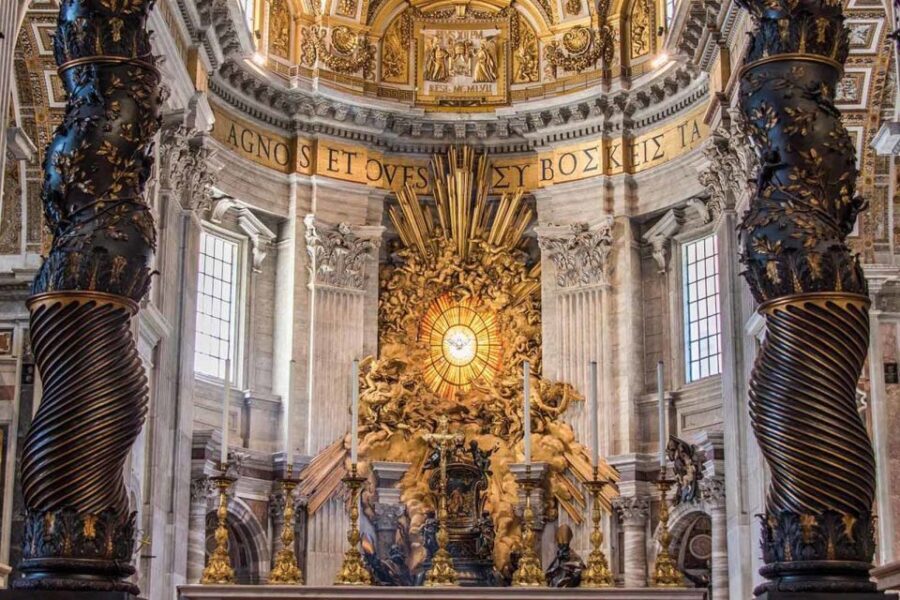
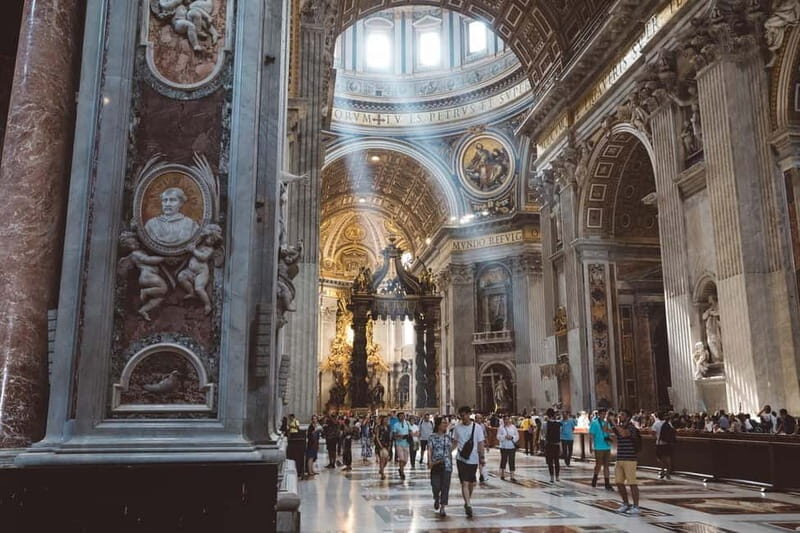
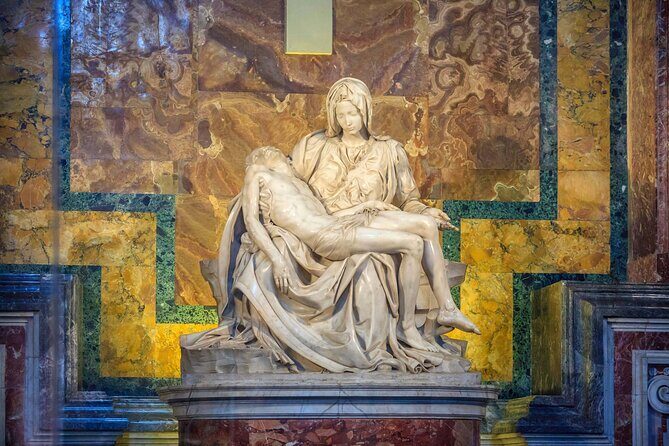
But St. Peter’s Basilica is a separate issue. The tour information says the Basilica will not be included with your guide entry, and that you’d need to buy your own ticket if you want to go in. The guidance also strongly suggests not entering due to the complexity of the new ticket rules and the difficulty of securing times.
So here’s how to handle this: plan your Vatican day to experience the museums and Sistine Chapel as your main interior moments. If Basilica entry is a must for you, treat it as a separate decision you handle in advance rather than assuming it’s guaranteed as part of the guide program.
If you’re visiting in good weather, the square alone can still be worth your time. You’ll get the icon view, the scale, and the sense of place without the extra ticket friction.
Colosseum and Roman Forum: Ancient Rome in Full Scale
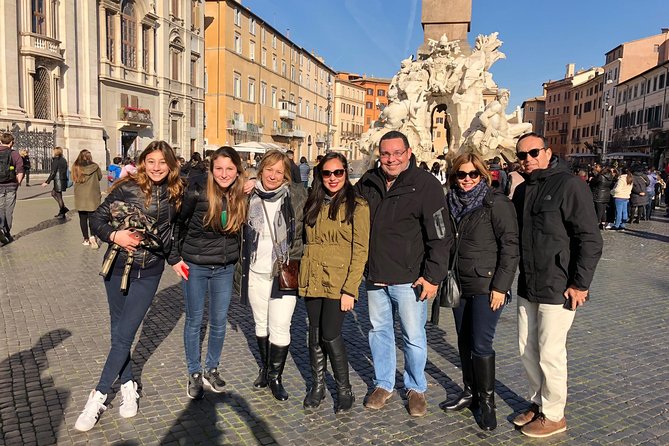
If your schedule includes the Colosseum, the tour typically focuses on the biggest crowd magnet first—then connects it to the surrounding power landscape.
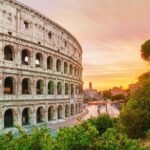
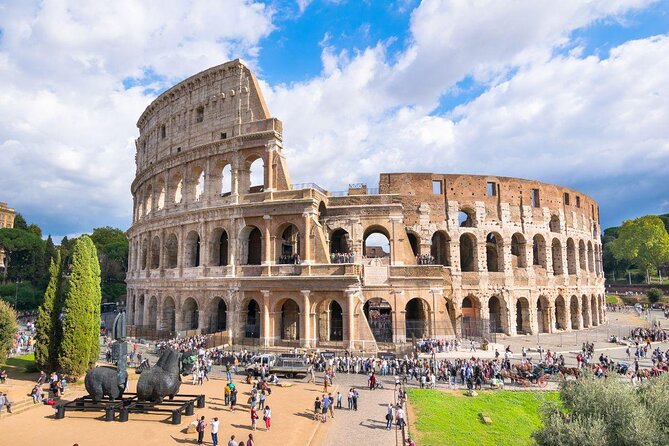
The Colosseum is described as the large amphitheater built under Vespasian (A.D. 70–72). It’s the symbol that most people recognize instantly, but the guide helps you see it as a functioning machine for spectacles—gladiatorial and hunting events.
Then you go into the broader story with the Roman Forum and nearby areas. The Forum is the political center of ancient Rome, and your guide frames it as the place where the city’s expansion story took shape. Even a short visit can make the monuments feel less like random ruins and more like a once-alive civic network.
From there, the Palatine Hill often rounds out the “what’s behind Rome’s top tier” perspective. Palatine is described as the most central of the Seven Hills and often called an early nucleus of the Roman Empire. It’s an open-air museum area tied to imperial residences, starting with Augustus—so you’re literally standing above the places emperors made normal life impossible.
Practical tip: this area is walking-heavy and the surfaces can be uneven. You’ll want sturdy shoes. One of the strongest pieces of advice in the reviews was basically the same thing: wear comfortable shoes because the day adds up fast.
- Skip-the-Line Group Tour of the Vatican, Sistine Chapel & St. Peter’s Basilica
★ 4.5 · 12,779 reviews

Pantheon to Trevi: When Rome Becomes a Walkable Series
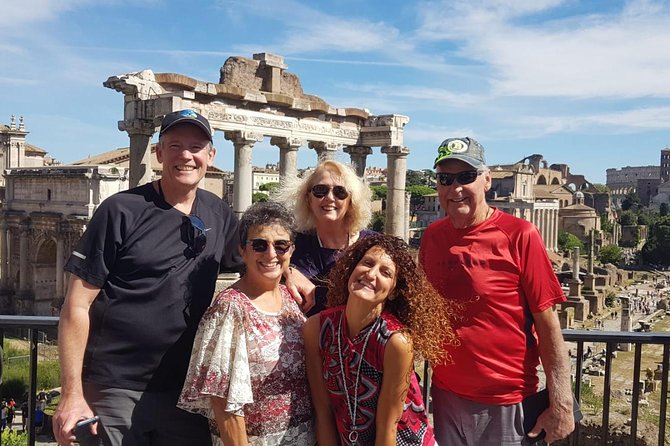
Some days feel like a sprint from building to building. This one is structured to help you chain the key stops without leaving your brain behind.
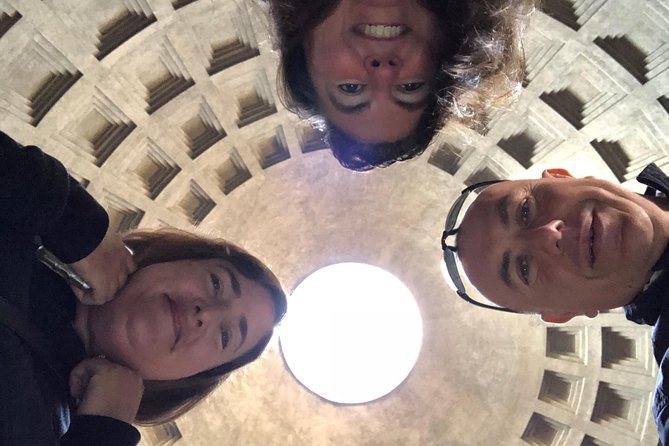
The Pantheon is a standout stop because it’s still functional and still stunning: built first around 25BC by Marco Agrippa, then rebuilt by Hadrian centuries later. The tour plan calls out the dome and the later transformation into a church, which is the sort of detail that helps you understand why the Pantheon has stayed in use while so much else faded.
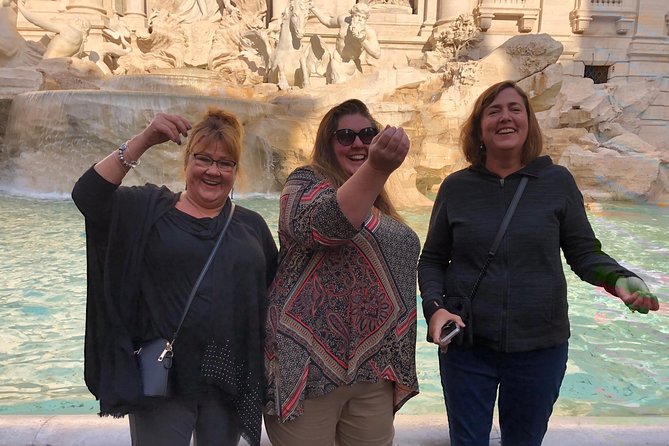
From the Pantheon, the pacing shifts to Rome’s famous “photo stops,” like Trevi Fountain. You’ll be able to pause, see the fountain’s setting at the junction of three roads, and take the classic coin-throw moment (this tour lists the common tradition tied to returning to Rome).
After that, there are additional classic scenes if the day includes more time, such as Circus Maximus for a look at the ancient chariot-racing stadium area. It doesn’t always feel dramatic until you realize it was the first and largest stadium in ancient Rome. Context is everything.
Capitoline Views, Piazza Navona, and Camp-to-People-Watching Stops
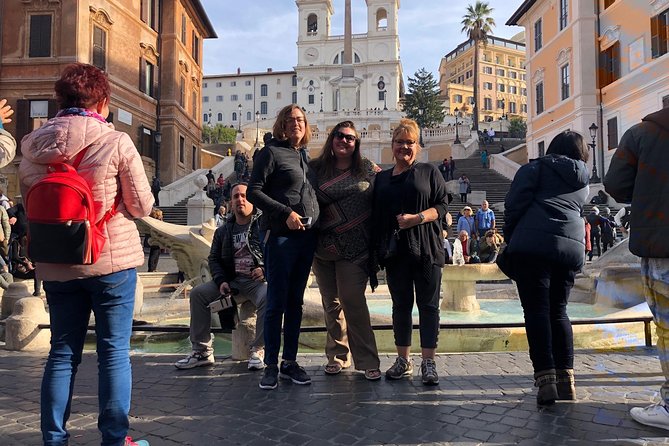
As your day moves into the central neighborhoods, the tour leans into piazza life—places where Rome gives you both views and atmosphere.
The plan includes Piazza del Campidoglio and Capitoline Hill. The big idea here is a vantage point: your guide shows wonders of ancient Rome represented by the Roman Forum ruins, plus a sweeping look at temples, basilicas, and triumphal arches.
Then you may hit Piazza Venezia and nearby central streets like Via del Corso, which is described as a main straight thoroughfare in the historical center. This is less about monuments and more about understanding Rome’s layout—how you move through the city’s spine.
If time allows, Spanish Steps and Piazza Navona come next. The Spanish Steps are the dramatic 135-step link between Piazza di Spagna and Piazza Trinità dei Monti, funded by a French diplomat’s bequest. Piazza Navona, meanwhile, is built over the stadium of Domitian, and it’s anchored by Bernini’s Four Rivers fountain—so it’s a modern square on ancient ground.
Finally, Campo de’ Fiori is included as a short stop. It’s described as a square south of Piazza Navona, tied to the old meaning of field of flowers, and it sits where the area was once a medieval meadow and later an open space in ancient Rome.
These stops are the payoff for many people: you’ve done the big history blocks, and now you get the human-scale Rome—the Rome where you can sit for a minute, notice street life, and turn your photos into real memories.
Transportation and Comfort: Mercedes Van Beats Most Stress
I’m a fan of tours that get serious about comfort. This one includes private transfers in a luxury Mercedes van or sedan—or a golf cart when that makes sense for the area and route.
Here’s what matters for real life: Rome streets can be narrow, busy, and loud. In the reviews, people specifically compared golf cart experiences versus vans and highlighted that the van setup can be easier for hearing your guide over traffic noise. They also called out that being in a van helps with hot weather because you’re more likely to have climate control than in a golf cart.
A private driver also means you don’t have to play parking roulette or worry about how to get the whole group from one stop to the next. Your chauffeur handles it.
Price and Real Total Cost: The Entrance Fees Change the Math
The published tour price is $580.72 per person. That’s the headline number, but for Rome it’s smarter to think in two layers:
1) what you’re paying for the VIP service
2) what you pay separately for entry tickets
The tour info lists entrance fees as not included:
- Vatican Museums and Sistine Chapel: €60 per person
- Colosseum: €40 per person
- St. Peter’s Basilica: €10 per person (though entry with your guide may not be included)
- Pantheon: €10 per person
- Lunch: not included
So if you’re doing the full “big ticket” day with Vatican + Colosseum + Pantheon, your separate ticket costs can add up quickly. The good news is that the VIP price isn’t just for access—it’s for the guide and the private logistics that save you time and frustration.
There’s also an option related to skip-the-line tickets: on request, the office can purchase skip-the-line access for specific sites if available, and you pay cash directly to the guide. That’s not guaranteed in every case, because demand is high and tickets can sell out by the time you book.
Bottom line: if you’re the type who hates waiting in lines, this can still be good value even with extra fees. If you’re totally fine with self-guided chaos, a cheaper approach might feel better. For most first-time Rome visits, the time savings tilt the scale.
Guides and Drivers That Make It Feel Like a Team
One of the most consistent strengths in the reviews is the guide-driver combo. People repeatedly praised how the pairing worked together: the guide handled explanation and crowd flow, while the driver handled the tricky streets and timing.
Names that show up include Nicola, Patricia, Michele, Nadia, Laura, Mickey, Francesca, Sylvia, Andrea, and Stefano (plus drivers like Maximo / Max). I’m using these as a signal: you’re not relying on a random speakerphone situation. You’re getting real people, and they’re aiming to keep the day moving.
If your guide is good, your day feels effortless even though you’re covering a lot. If your guide is off, the day can feel rushed. That’s why it’s worth booking a service where the guide plays an active role in pacing and ticket timing, not just reciting facts while you wait.
Who Should Book This VIP Tour
This tour fits best if you:
- want to see major sights in one day without spending your time fighting crowd flow
- like the idea of a private guide who can answer questions and adjust timing
- care about comfort, since you’re moving by luxury van or sedan (with golf cart as an alternative)
- are visiting for a first Rome trip and want the “best of Rome” coverage
It might not be the best match if you:
- hate walking and want a slower pace with long sit-down breaks
- want St. Peter’s Basilica entry handled automatically with your guide (the tour info says it may not be included and suggests you purchase separately)
- prefer to fully self-plan and manage timed entry yourself
If you’re traveling as a family or small group, the private format helps. One review even mentioned planning for kids (ages around 10–15) with a schedule that didn’t feel like constant rushing.
Should You Book It?
Yes, if your goal is simple: see the big Roman and Vatican landmarks with less hassle. The VIP structure—private guide, licensed expertise, and professional drivers—helps you spend your energy looking at art and ruins instead of solving logistics.
Before you book, do two things:
- Pick the duration based on what you truly want. If Vatican is a must, choose the 8-hour option. If Colosseum is the anchor, choose 5 or 8 hours.
- Budget the separate entrance fees and follow the dress code rules. Also treat Basilica entry as a separate decision, since the tour info warns about the new ticket process and guide entry.
If that sounds like your kind of day, this is the sort of tour that turns Rome from a stressful to-do list into a story you can actually remember.
FAQ
Which tour lengths include Vatican Museums and the Sistine Chapel?
Vatican Museums and the Sistine Chapel can be included only in the 8-hour tour.
Which tour lengths include the Colosseum?
The Colosseum can be included only in the 5-hour or 8-hour tour.
Are entrance tickets included in the price?
No. Entrance fees are not included, including Vatican Museums and Sistine Chapel (€60), Colosseum (€40), St. Peter’s Basilica (€10), and the Pantheon (€10).
Is St. Peter’s Basilica included with the tour?
The tour information says St. Peter’s Basilica will not be included with your guide entry. If you want to enter, you are directed to purchase tickets yourself, and the guide will not enter with you.
Do you offer pickup in Rome?
Yes. Pickup is included from your hotel, Airbnb, or nearby points within Rome such as train stations (inside Rome).
Is pickup available from the airport?
For a one-way airport pickup from FCO or CIA, there is an extra charge of Eur 120 cash per van.
What about dress code?
A dress code is required for places of worship and selected museums: no shorts or sleeveless tops, and knees and shoulders must be covered for both men and women.
Are earphones needed in the Vatican?
Earphones are mandatory inside the Vatican Museums and Sistine Chapel for groups larger than 4 guests. Earphone rental costs Eur 5.00 per person and is not included.
Do I need to provide my name exactly for entry?
Yes. You must provide full names when booking, and each traveler must present a valid passport or ID document matching the name provided for successful entry to the Colosseum and Roman Forum.
You Might Also Enjoy
More Tour Reviews in Rome
- Skip-the-Line Group Tour of the Vatican, Sistine Chapel & St. Peter’s Basilica
★ 4.5 · 12,779 reviews