REVIEW · ROME
Audio guide in Vatican Museums and Sistine Chapel
Book on Viator →Operated by Rome Tour · Bookable on Viator
Vatican Museums without the time tax. This audio-led visit pairs skip-the-line entry with a self-paced route so you can set your own pace through major galleries. You’ll end at the Sistine Chapel, where Michelangelo’s ceiling and the Last Judgment take center stage.
What I like most is the freedom: you don’t have to “keep up,” because the audio guide lets you stop and listen when something grabs you. I also like the value of getting admission into both the Vatican Museums and the Sistine Chapel while paying for audio support (not a full guided lecture).
One thing to consider: the Vatican route is essentially one way, so you can’t exit early or easily pause for breaks. At a steady walking pace, expect the whole museum section to feel like a commitment.
In This Review
- Key Things to Know Before You Go
- Skip-The-Line Starts at a Neighborhood Café
- The Vatican Museums: Major Art, One-Way Walking, No Shortcutting
- Where the route takes you inside the Museums
- What to Prioritize: Raphael, Maps, and the Galleries That Pay Off
- Ticket Handoff: What You Should Expect Before You Enter
- Sistine Chapel: Short Time, Big Impact
- Audio Guide Reality Check: Make the Radios Work for You
- Timing and Footwear: When 3–4 Hours Feels Like More
- Price and Value: Is $78.27 a Smart Deal?
- Should You Book This Vatican Museums and Sistine Chapel Audio Visit?
- FAQ
- What is the duration of the experience?
- Do I get skip-the-line access?
- Is the Sistine Chapel included?
- Is this a guided tour with a person walking you through everything?
- What language is the audio guide in?
- Where do I meet the host?
- Does the activity end back where it starts?
- What’s included in the price?
- What is not included?
- Is cancellation refundable?
- Is there a group size limit?
Key Things to Know Before You Go
- Skip-the-line entry cuts the biggest chunk of waiting before you even start walking
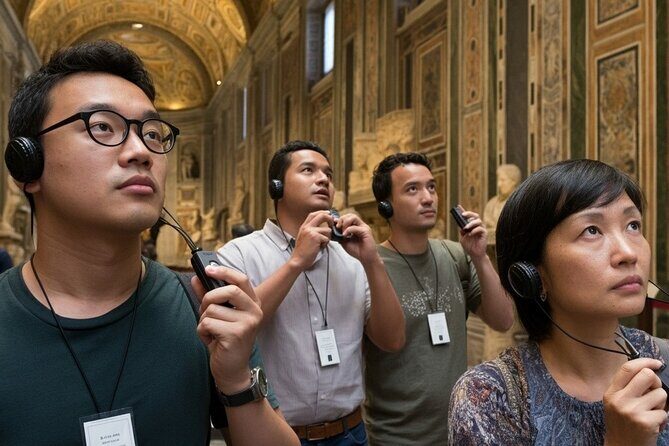
- Self-paced audio guide means you choose what to linger on (and what to pass quickly)
- One-way museum flow limits how quickly you can change plans mid-visit
- Sistine Chapel is short once you’re inside, so you’ll want to focus on the ceiling fast
- Small group handoff (max 10) keeps the ticket start simple and low-stress
- Some reports mention audio glitches, so don’t treat the radios as guaranteed perfect
Skip-The-Line Starts at a Neighborhood Café
You meet at Bar L’Ottagonocentro, Piazza del Risorgimento, in Rome. It’s a convenient starting point near public transportation, and it also makes sense practically: a café is where you can grab a drink and a pastry before you enter the Vatican machine.
Here’s the workflow that matters for your expectations. A host is there to meet you and provide your tickets, then you move on on your own through the Vatican Museums with an audio guide in hand. That’s why this feels less like a tour with a person leading you step-by-step, and more like a guided experience where the guidance is coming from your English audio.
Also, pay attention to timing. This sort of visit is booked a fair bit in advance, which usually means you’ll want to lock in your slot early rather than playing it by ear. In busy seasons, the difference between arriving on schedule vs. late can be noticeable.
One more heads-up: because of the Jubilee, some monuments may be under restoration. If anything changes, you’ll get messages from the provider—so check your email before you go.
Other Vatican Museums tours we've reviewed at the Vatican & Rome


The Vatican Museums: Major Art, One-Way Walking, No Shortcutting
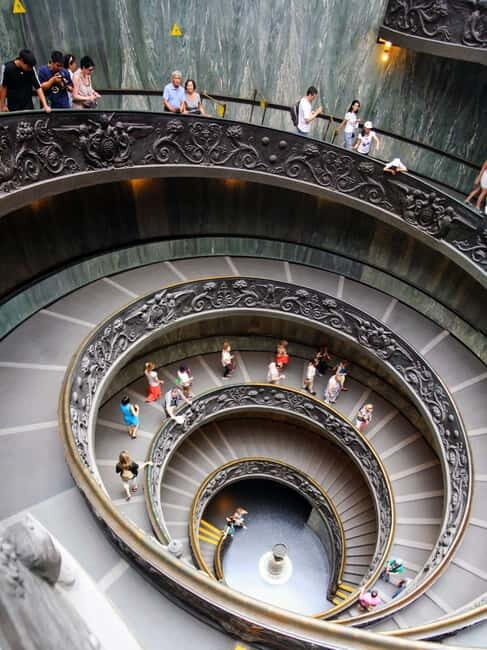
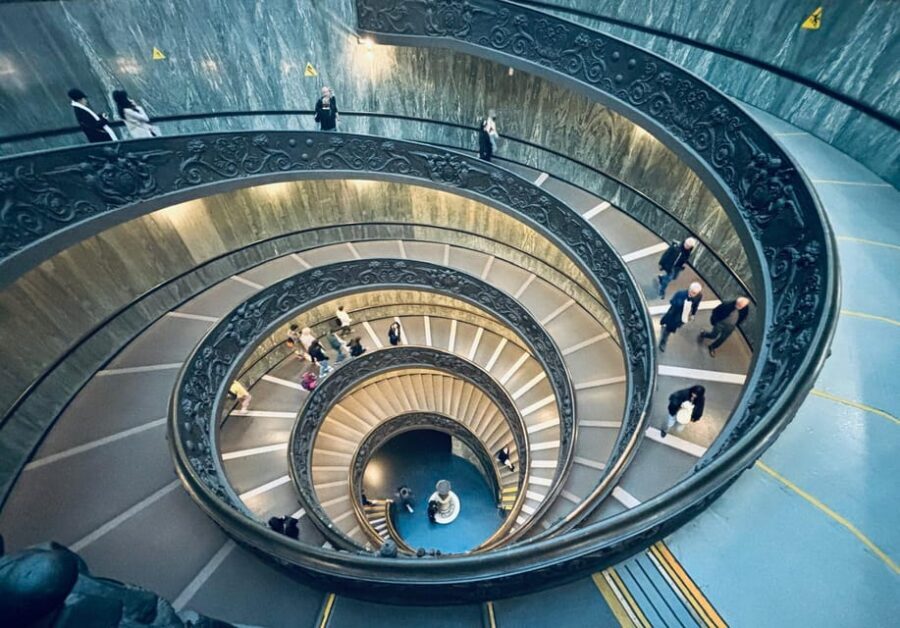
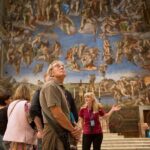
The Vatican Museums portion is about 2 hours, and admission is included. The big deal isn’t just the art—it’s the logistics of how the museum is set up. Once you enter, the route is determined by the building’s layout, so you can’t “duck out” early or change direction the way you could in a smaller museum.
That structure can be great if you enjoy a steady flow through classic spaces. It can be tough if you prefer frequent breaks, or if you know you’ll get museum fatigue once you’ve seen enough sculptures and rooms in a row. In one experience, the walking felt long enough that a guest stopped using the audio partway through and just followed the crowd.
So how do you make it work for you?
- Decide what you want most before you start (examples below help).
- Use the audio early when you’re fresh and curious, then switch to “spot-check listening” later.
- Bring a simple strategy: if you start zoning out, pick one or two galleries to focus on instead of trying to consume everything.
Where the route takes you inside the Museums
The visit routes you through several key stops, including spaces tied to classic artists and major collections. You should expect to encounter highlights such as:
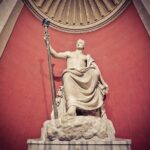
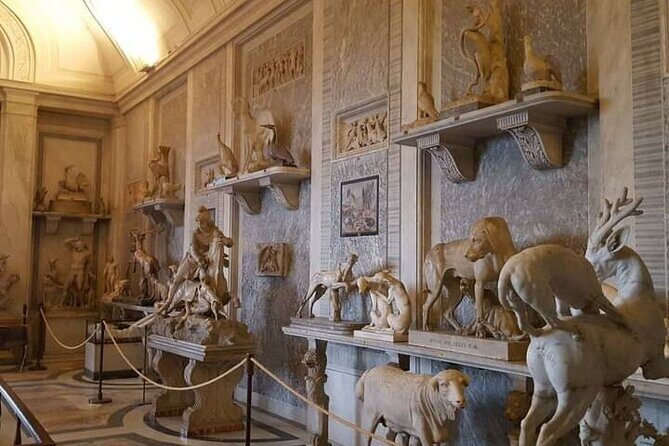
- Pio Clement Museum for sculptures and famous museum pieces
- Gallery of the Candelabras with a striking visual theme and grand scale
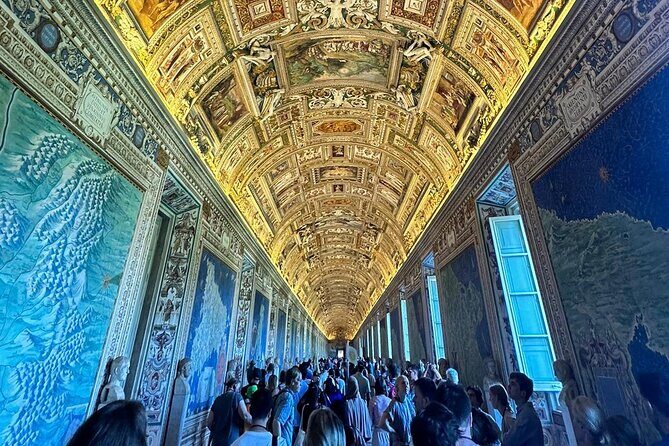
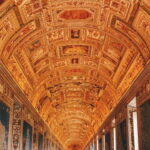
- Gallery of the Geographical Maps (great for people who like design and detail)
- Gallery of the Tapestries featuring Renaissance art through woven works
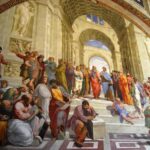
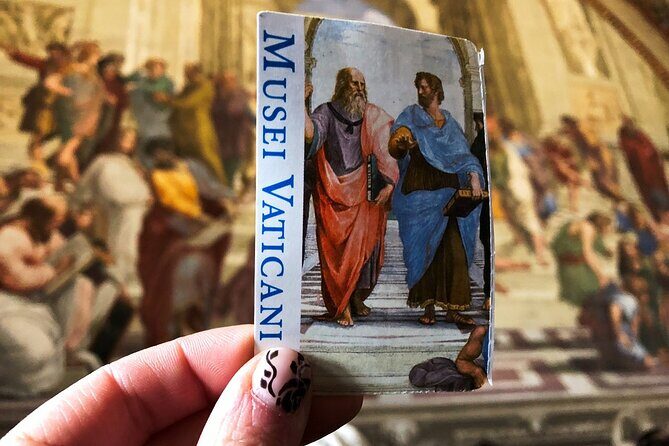
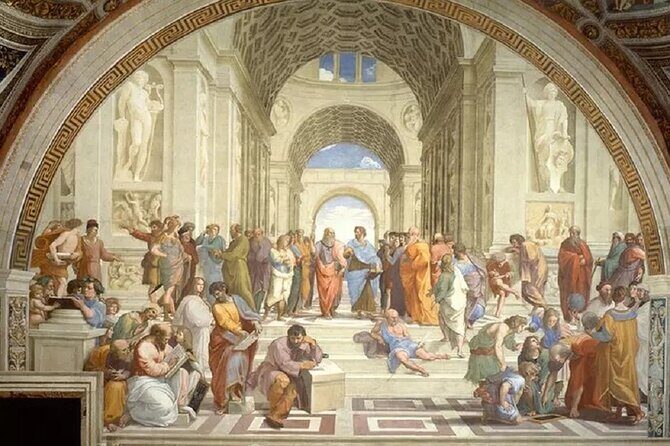
- Raphael Rooms, which are central to any Vatican art “greatest hits” plan
This is one of those places where a top tip is to not treat it like a checklist. Instead, think of it like a guided route where the audio helps you decide what each room is and why it matters.
What to Prioritize: Raphael, Maps, and the Galleries That Pay Off
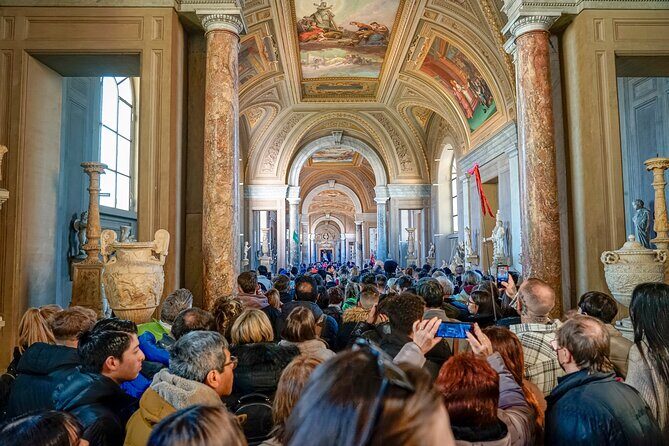
If you want your time to feel smarter, your best move is to identify your top two or three interests before you enter. The Vatican Museums are vast, and an audio guide can’t prevent overwhelm if you try to take in everything at once.
Here’s a simple way to decide what to prioritize based on the rooms you’ll pass:
If you love Raphael and “room-scale” masterpieces:
Focus on the Raphael Rooms early. These are the kind of spaces where you’ll get the most out of slowing down and letting the story and visual elements land.
If you like visual ideas and clever displays:
Spend extra attention in the Gallery of the Geographical Maps. Even if you aren’t a map person, the scale and concept can pull you in quickly.
If you want art that feels decorative but serious:
The Gallery of the Tapestries is a strong choice. It’s not just background beauty; it gives you another angle on Renaissance artistry and craftsmanship.
If you prefer sculpture and classic forms:
Keep your eyes open in the Pio Clement Museum and around the broader sculpture-focused areas.
The practical upside of this experience is that you can do that without waiting for a group. You’ll have the freedom to linger in the rooms that click for you, then move on when you feel your attention slipping.
One caution from real-world experience: if you’re feeling antsy or bored, don’t keep marching just because you feel you should. Pick one more “must-see” room, then head onward. You’ll still reach the Sistine Chapel, and that’s the true payoff for most people.
Ticket Handoff: What You Should Expect Before You Enter
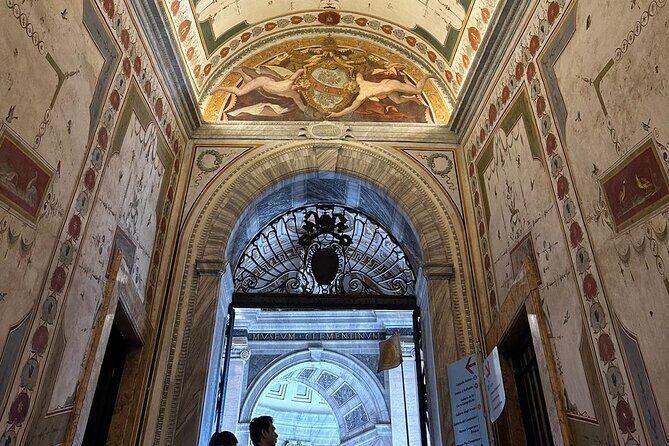
A few details make the start smoother:
- The meeting point is Bar L’Ottagonocentro in Piazza del Risorgimento.
- The ticket handoff is close enough that you won’t be hanging around long, and some guests note it’s about 10 minutes from the museum entrance.
- Instructions from the host are typically clear, including how to get into the Vatican.
This is the part where confusion can happen if you expect a fully guided group tour. The host gives tickets and you go from there. The audio guide supports you inside, not the other way around.
If you’re the type who likes a leader to tell you exactly what to look at, this may feel too independent. But if you like choice—like spending more time where your eyes land—this self-led structure is a plus.
Other Sistine Chapel tours at the Vatican & Rome



Sistine Chapel: Short Time, Big Impact
The Sistine Chapel visit is only about 10 minutes, with admission included. That time limit is exactly why you should treat this moment like a focused sprint, not a stroll.
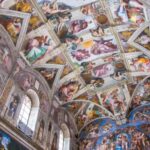
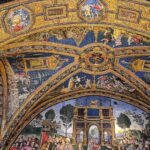
Michelangelo’s ceiling is the centerpiece you’ll immediately notice. It’s famous for scenes from Genesis, including the iconic Creation of Adam—the reach of God toward Adam is the visual that has shaped how generations imagine that biblical moment.
The walls also matter. You’ll see fresco scenes linked to stories from the lives of Moses and Jesus, created by Renaissance masters including Botticelli, Perugino, and Ghirlandaio. And behind it all, at the altar wall, Michelangelo’s Last Judgment commands attention with sheer drama.
Given how short the slot is, your best approach is to choose what you’re going to look for in advance. If you want the ceiling moment most, spend your early seconds looking up and letting your eyes adjust. If you want the wall scenes too, try to split your time between ceiling and front wall rather than trying to read everything at once.
Also note the atmosphere is serious and quiet. You’ll want to move respectfully and keep your pace steady so you don’t lose time.
Audio Guide Reality Check: Make the Radios Work for You
This experience includes an audioguide, offered in English. The big benefit is that it supports independent viewing without leaving you lost in a giant building.
That said, you should go in with eyes open. One issue that came up is that the audio didn’t work consistently for at least one guest. So I’d plan like this:
- Use the audio at the beginning when you’ll benefit most from context.
- If one segment fails, don’t panic—just rely on signs and your own instincts to keep moving toward the rooms you came for.
- If you’re the kind of person who needs constant commentary to enjoy museums, this “audio support only” format may feel less satisfying than a live guide.
Still, when it works, the audio does exactly what you’d want: it helps you connect what you’re seeing to why it matters.
Timing and Footwear: When 3–4 Hours Feels Like More
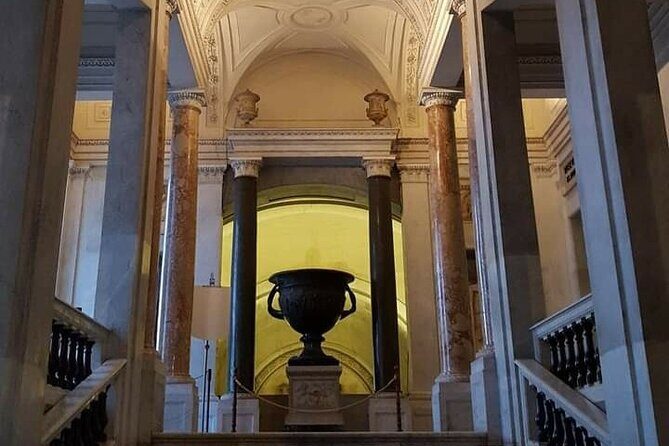
This visit runs about 3 to 4 hours total, which is realistic given the museum size plus the short Sistine Chapel window. The biggest factor isn’t just the clock—it’s the pace of walking in a crowded complex.
The more you treat it as a “wander slowly” day, the more the time will swell in your mind. If you take breaks, you’ll feel it too—though there aren’t obvious, easy, museum-wide pauses built into the route.
One guest described walking solidly for about 2.5 hours with no easy chance to get a drink. Another said that once they reached the early rooms, they mostly left the audio aside and just walked with the flow of other visitors.
So here’s practical advice that helps:
- Start hydrated. If you can grab something at the café beforehand, do it.
- Wear comfortable shoes. You’ll be on your feet for a long stretch.
- Keep a mental “two-room rule”: if you’re starting to tire, commit to just two more rooms you care about, then move ahead.
Moderate physical fitness is suggested, which makes sense here. The Vatican Museums aren’t stairs-only, but they’re long-walking.
Price and Value: Is $78.27 a Smart Deal?
At $78.27 per person, you’re paying for a few key things at once:
- skip-the-line entry (the time savings can be worth a lot in Rome)
- admission to both the Vatican Museums and the Sistine Chapel
- an English audio guide
- a host at the meeting point plus all fees and taxes
What you’re not paying for is a live guided tour, private transportation, or tips. If you already know you want to explore on your own, that’s fine. If you want a lecturer with extra background and a strict structure, you may find this format less fulfilling.
So is it worth it? For many people, yes—especially if:
- you value flexibility over constant commentary
- you can handle walking without frequent breaks
- you want to control how much time you spend in each room
The price isn’t low, but you’re not just buying audio. You’re buying entry plus the friction-reduction of skip-the-line access.
Should You Book This Vatican Museums and Sistine Chapel Audio Visit?
Book it if you:
- want skip-the-line entry and hate waiting with the rest of the crowd
- like choosing your own stops inside a huge museum
- can enjoy the Sistine Chapel without needing a live guide narrating every detail
- prefer a small, straightforward start with a ticket handoff at a café
Skip it (or at least rethink the fit) if you:
- need frequent opportunities to stop, sit, and reset
- strongly prefer a fully guided, person-led tour format
- depend on audio working perfectly end-to-end (some reports note radio issues)
If you’re on the fence, this is the deciding question: do you want control, or do you want a guide to manage the pacing for you? This experience leans toward control—and when you use that freedom well, it’s a very satisfying way to see two of Rome’s biggest art moments.
FAQ
What is the duration of the experience?
It’s approximately 3 to 4 hours total, with about 2 hours in the Vatican Museums and about 10 minutes in the Sistine Chapel.
Do I get skip-the-line access?
Yes. The experience is designed to skip the line to enter the Vatican Museums.
Is the Sistine Chapel included?
Yes. Sistine Chapel entry is included as part of the visit.
Is this a guided tour with a person walking you through everything?
No. You get a host at the meeting point and then explore on your own with an audioguide. A guided tour is not included.
What language is the audio guide in?
The audioguide is offered in English.
Where do I meet the host?
You meet at Bar L’Ottagonocentro, Piazza del Risorgimento, 00193 Rome, Italy.
Does the activity end back where it starts?
Yes. It ends back at the meeting point.
What’s included in the price?
Tickets, audioguide, a host at the meeting point, and all fees and taxes are included.
What is not included?
A guided tour, private transportation, and tips are not included.
Is cancellation refundable?
No. The experience is non-refundable and cannot be changed for any reason.
Is there a group size limit?
Yes. The maximum group size is 10 travelers.