REVIEW · ROME
Vatican Museums, Sistine Chapel & Basilica
Book on GetYourGuide →Operated by Groupstudio srl · Bookable on GetYourGuide
Early morning is the move in Vatican City. This semi-private tour bundles Vatican Museums highlights with guided time in the Sistine Chapel, then routes you to St. Peter’s Basilica through a less-familiar exit.
I really like two parts: the museum sweep focused on the Pio-Clementine Museums (including the Laocoon group and the Belvedere torso), and the way the tour gets you into St. Peter’s Basilica with skip-the-line access instead of sitting in the usual bottleneck.
One consideration: you’re in a tight 2.5-hour window, and Vatican security has strict rules. If your outfit is off-limits, you’ll feel it fast.
In This Review
- Key highlights to know before you go
- Early morning Vatican Museums: why this timing changes everything
- Pio-Clementine Museums: Laocoon and Belvedere torso, explained the right way
- The museum galleries you actually want to see: tapestries and maps
- Raphael Rooms and Borgia Apartments: former papal spaces with political punch
- Sistine Chapel: short time, big impact if you focus
- Skip-the-line access into St. Peter’s Basilica: getting there without the crush
- What the headsets do for you (and why they matter here)
- Price and value: is $101.96 per person worth it?
- Group size, pace, and who this tour fits best
- What to bring and what to avoid for Vatican security
- Should you book this Vatican Museums, Sistine Chapel, and Basilica tour?
- FAQ
- How long is the tour?
- What language is the tour guide?
- Is this tour a small group or semi-private experience?
- What’s included in the price?
- What is not included?
- What do I need to bring, and what is not allowed?
- Can I cancel?
Key highlights to know before you go
- Early morning pacing: Fewer crowds and an efficient start helps you see more without feeling rushed.
- Pio-Clementine power stops: You’ll hit major sculpture sights like the Laocoon group and the Belvedere torso.
- Sistine Chapel with context: A short, guided window aimed at Michelangelo’s ceiling and Last Judgment.
- Raphael Rooms and Borgia Apartments: You’ll work through the former papal apartments before the chapel.
- Skip-the-line into St. Peter’s Basilica: Access is handled through a guided route that bypasses general lines.
- Headsets included: Clear audio matters when you’re moving through dense crowds and big halls.
Early morning Vatican Museums: why this timing changes everything
Vatican Museums can feel like a marathon of art, stairs, and crowd flow. An early start is not just a convenience—it’s a strategy. You’ll begin when the day is still fresh, which makes it easier to focus on the art instead of your place in the line.
This tour keeps things semi-private and small-group, which usually means a more human pace. You’re not being shuffled along like part of a conveyor belt. The guide’s job is to point out what to look for and explain how the pieces connect, especially in the museum sections that can feel overwhelming if you walk them solo.
You’re also doing a smart combo. You see key museum wings, then you move into the Sistine Chapel, and finally you continue into St. Peter’s Basilica via a guided exit route. That “museum-to-basilica” flow saves you from doing the same day twice and wrestling with the logistics.
Other Vatican Museums tours we've reviewed at the Vatican & Rome
Pio-Clementine Museums: Laocoon and Belvedere torso, explained the right way
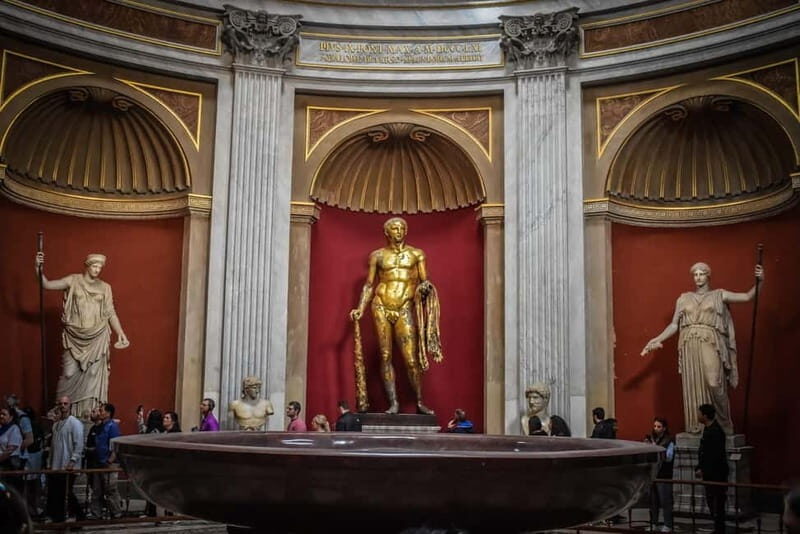
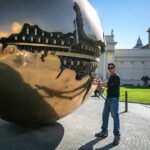
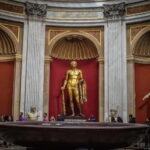
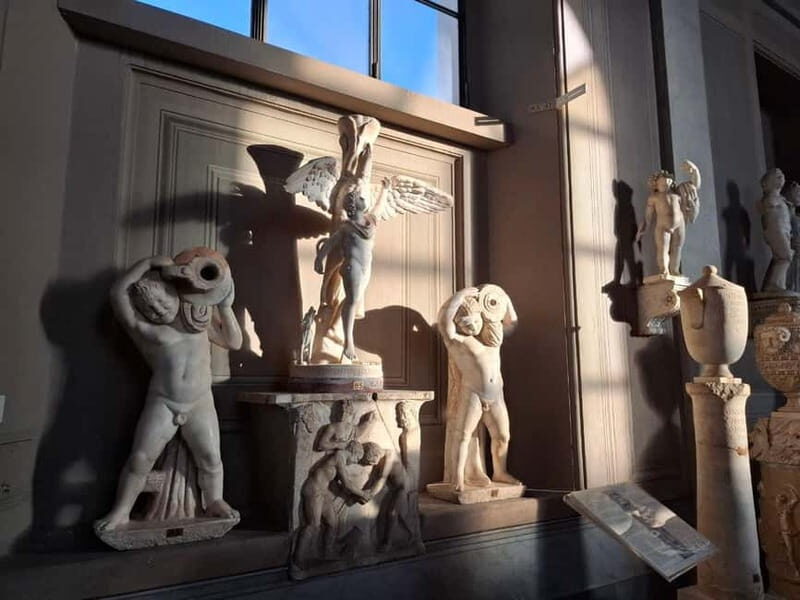
The Pio-Clementine Museums are one of those places where art history suddenly feels physical. You’re not just looking at polished marble—you’re seeing masterpieces that shaped later ideas of beauty and storytelling in Western art.
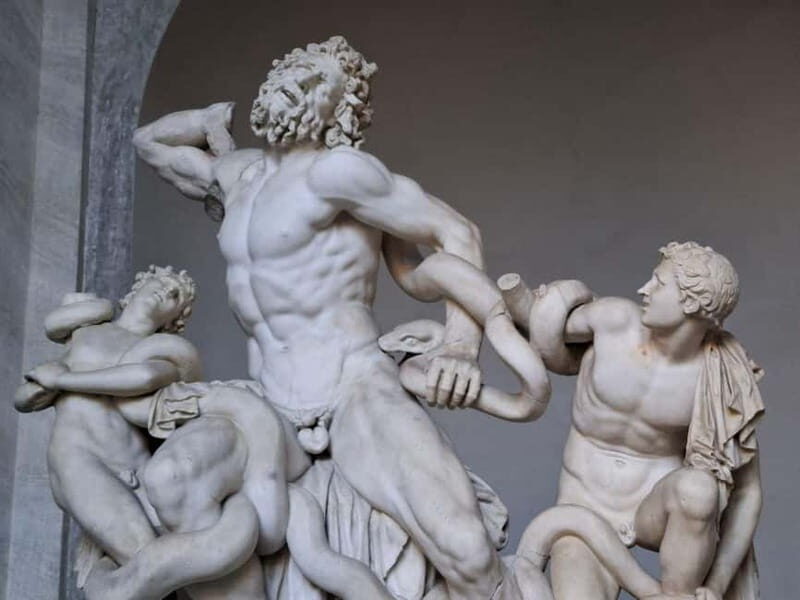
On this tour, you’ll focus on standout sculpture highlights:
- The Laocoon group, famous for its emotional intensity and dramatic composition.
- The Belvedere torso, a study in form—especially how classical fragments can still teach you anatomy and proportion.
What I like about this stop is that it’s not treated like a random gallery drop. A licensed guide can help you read the work instead of just admiring it. When you know what you’re looking at—where the drama is, what the artist is emphasizing—you feel the sculpture more than you would from a quick glance.
A practical note: sculpture halls are big. Even with a small group, you’ll want to stay close to the front of the group so you don’t lose the guide’s framing.
The museum galleries you actually want to see: tapestries and maps
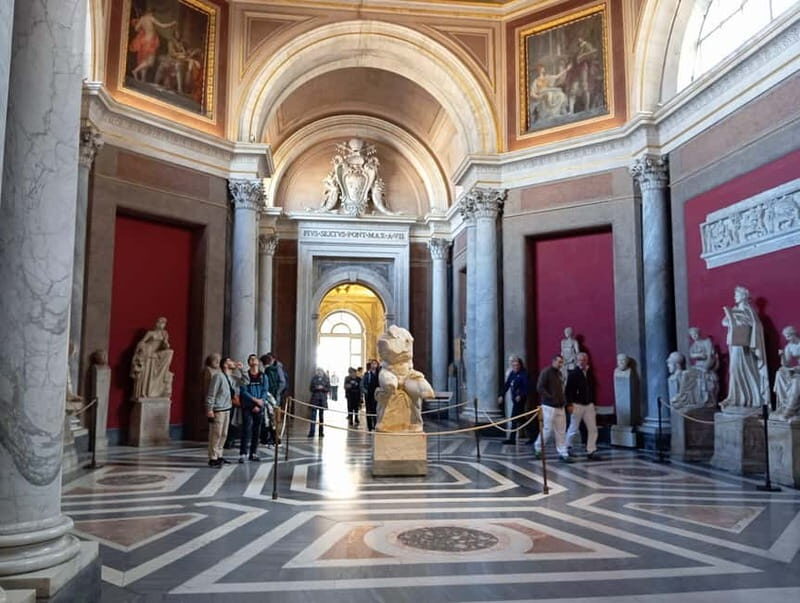
After the sculpture core, you move through major gallery experiences that people often hear about but don’t know how to interpret.
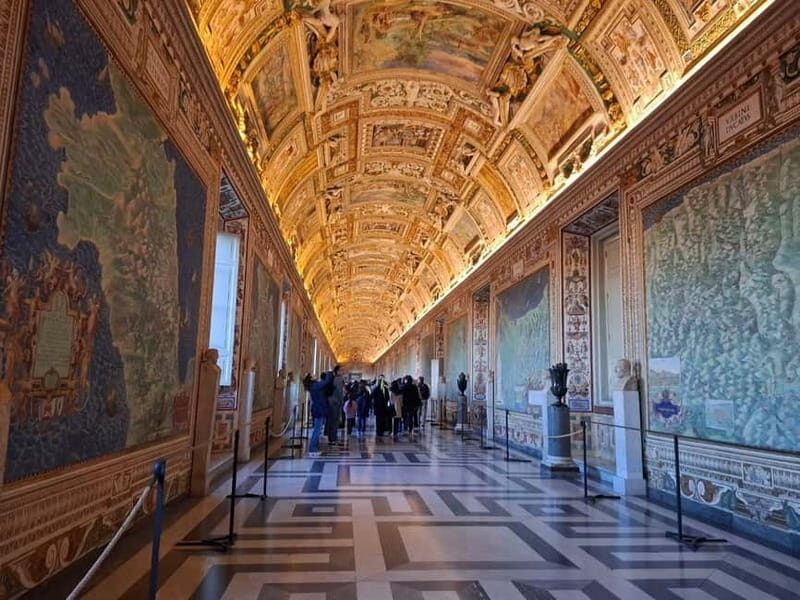
You’ll visit the Gallery of Tapestries, where the point isn’t just the craft. It’s how large-scale decoration turns stories into something you can walk beside—very different from paintings behind glass at other museums.
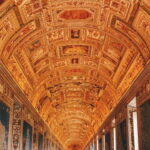
Then comes the Gallery of Maps, painted in the 16th century. These aren’t casual decorations. They reflect how people in that era understood geography, power, and the world around them. Even if you’re not a map person, it’s the kind of room where a guide can help you notice patterns and details you’d otherwise skip.
The practical win here is that these stops give variety. You go from sculpture to textile work to a room built around cartography. That keeps the tour from feeling like one long “same-looking-hall” problem.
Raphael Rooms and Borgia Apartments: former papal spaces with political punch
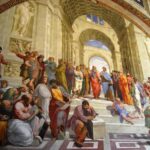
Next you’ll enter the former papal apartments: the Raphael Rooms and the Borgia apartments. This is where Vatican Museums stop being only “art viewing” and start feeling like living history.
In rooms tied to the papacy, you’re looking at art that had an audience, a purpose, and a message. A guide helps you connect the themes to the context of who commissioned the work and what they were trying to communicate.
What’s useful for you is how this tour structures the day. You don’t wander. You progress. You finish these apartment stops before the Sistine Chapel, so your brain is primed to focus on major artwork and symbolism when you reach the ceiling and Last Judgment.
The main drawback of rooms like these: they’re visually packed. If you’re someone who hates being told what to look for, you might feel slightly guided. But if you like direction, this is where a good guide turns confusion into clarity.
Sistine Chapel: short time, big impact if you focus
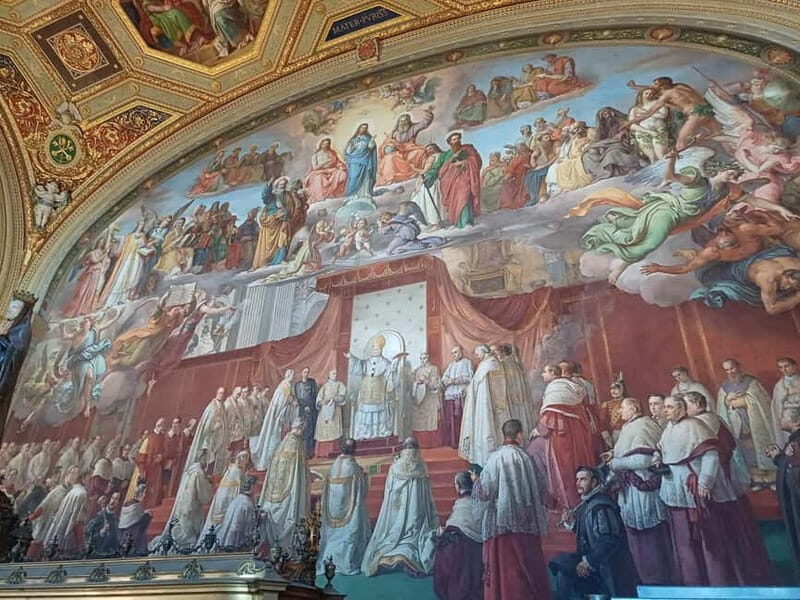
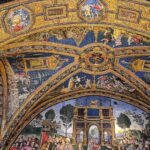
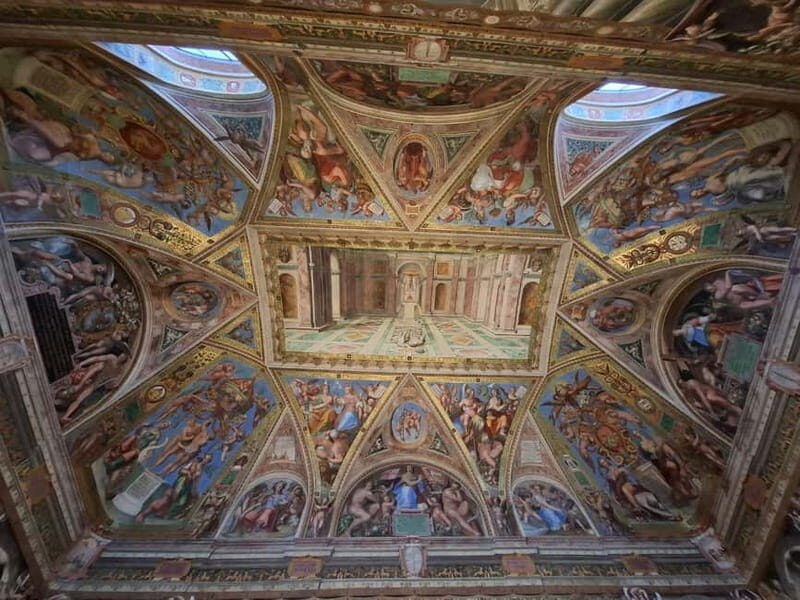
The Sistine Chapel is the big headline, but it works best when you treat it like a focused visit, not a full-day detour. This tour gives you a little time inside so you can take in the frescoes made by Michelangelo Buonarotti—including the ceiling and the Last Judgment.
Two things I recommend you do to get your money’s worth from that limited time:
- Look up first, then look across. Ceiling frescoes reward scanning patterns, not just staring at one section.
- Use the guide’s cues. The Sistine Chapel can be dizzying because your eyes keep wanting to chase details.
Also, the chapel is where pacing matters. You’ll be moving through a controlled route, and you don’t want to spend your whole visit trying to find the perfect angle. Instead, pick a direction that lets you see large sections clearly, then let the guide’s explanation fill in what you’re noticing.
Even if you’ve seen photos, seeing the ceiling at human scale changes the experience. The brushwork and composition feel more intentional when you’re standing where the original audience stood—or at least close to that reality.
Other Sistine Chapel tours at the Vatican & Rome
Skip-the-line access into St. Peter’s Basilica: getting there without the crush
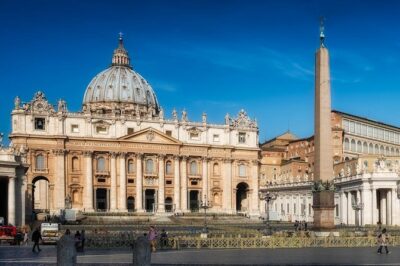
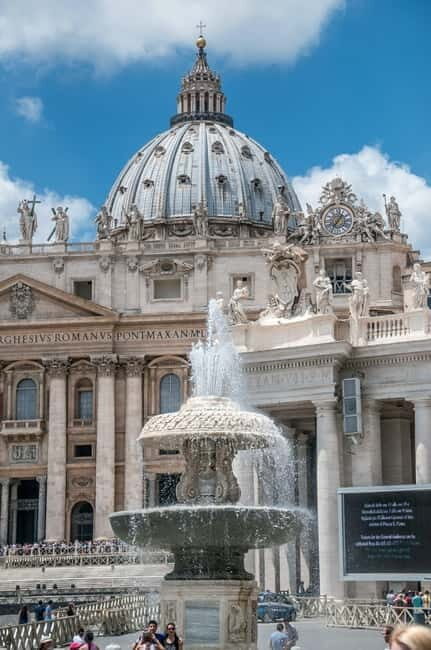
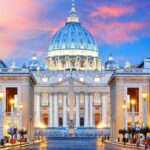
After the Sistine Chapel, the tour takes you out via a guided tour exit that’s not open for general public, toward St. Peter’s Basilica. This is one of the biggest practical advantages of the whole experience.
St. Peter’s Basilica is where you want time and focus, not waiting around in long queues. Skip-the-line access through a separate entrance helps you keep your energy. You’re already in a “Vatican flow” mindset by the time you arrive, so you can start soaking in the interior right away.
Inside, the scale can feel unreal. You’ll likely find yourself looking up, then stepping back to take in the whole space. A guide’s job here is to help you orient quickly—so you understand what you’re seeing and where to look without guessing.
One consideration: basilica visits tend to involve a lot of walking and standing. This tour is only 2.5 hours total, so it’s not meant to be a slow wander with unlimited breaks. If you need frequent pauses, plan for that.
What the headsets do for you (and why they matter here)
This tour includes headsets so you can hear the licensed guide clearly. That sounds like a small detail, but in places like Vatican Museums, it’s a big quality-of-life upgrade.
The Vatican has thick crowds and loud echoing halls. Without headsets, you end up straining to catch words while also trying to look up at ceilings or scan across galleries. With headsets, you can actually follow explanations without losing your bearings.
If you’ve ever joined a group where you can’t hear the guide and you start giving up on the commentary, this is the fix.
Price and value: is $101.96 per person worth it?
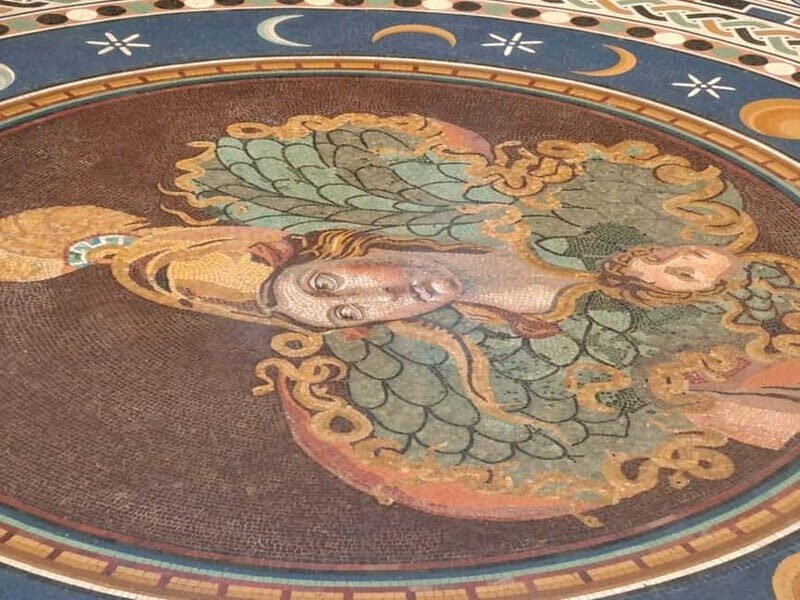
At $101.96 per person, this isn’t a bargain-basement ticket, but it also isn’t “only if you have money to burn.”
Here’s what you’re paying for in real terms:
- Museum entry ticket included
- Licensed tour guide (meaning you’re not left with vague signs)
- Headsets included, which improves the experience in crowded spaces
- Skip-the-line access into St. Peter’s Basilica through a separate guided route
The real value is how the experience is packaged. If you tried to assemble this yourself—museum entry, finding the right route, arranging a guide who can handle the Vatican flow, and then dealing with basilica lines—you’d spend extra time and probably hit more friction than you expect.
Also, early morning semi-private service tends to mean you’re not paying just for “a checklist of sights.” You’re paying for efficiency and context: the kind that helps you look at famous works and actually understand what you’re seeing.
Price also becomes easier to justify if you’re traveling with anyone who wants guidance. The comments from past participants point to attentive guidance and that the lack of waiting lines made it feel worth every penny.
Group size, pace, and who this tour fits best
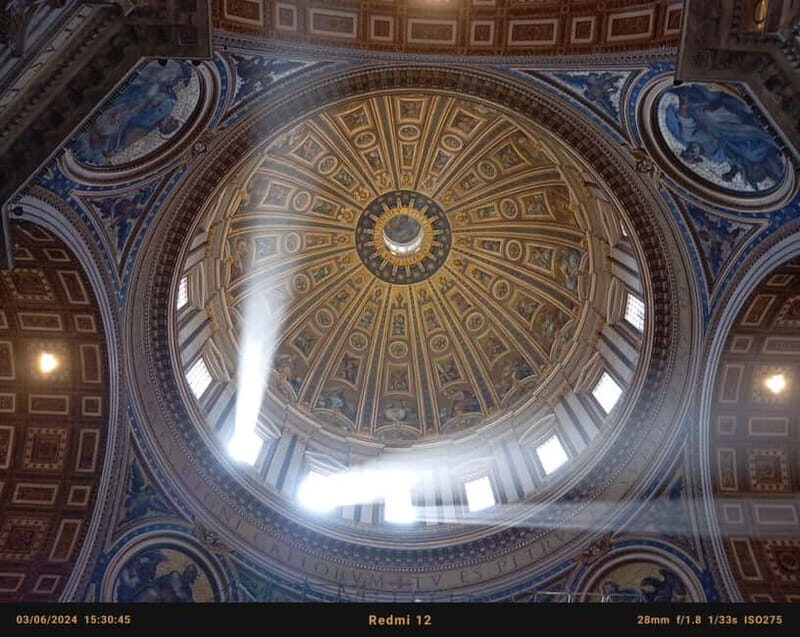
This is designed for people who want a guided Vatican day without the huge tour chaos. The “small group” and semi-private style matters because it gives the guide room to explain and adjust.
I think this tour fits best if you:
- Want to hit the must-sees (museums, Sistine Chapel, basilica) in one go
- Prefer a plan over wandering
- Like hearing what to look for instead of trying to decode everything by yourself
- Value skip-the-line access enough to plan around it
It may not be the perfect choice if you hate group settings or if you want lots of silent time. This tour is about moving and learning, not about stretching your visit over hours of personal wandering.
What to bring and what to avoid for Vatican security
Vatican entry rules can trip people up, and you’ll feel it more with a timed early tour. Here’s what to keep straight.
Bring:
- Your passport or ID card
- The full names of all participants are needed for the booking
Not allowed (and items can be refused at security):
- Weapons or sharp objects
- Drones
- Tripods
- Touching the exhibits
- Alcohol and drugs
- Short skirts and sleeveless shirts
- Loose clothing and bare feet
Practical tip: if you’re traveling in warmer weather, pick something that covers shoulders and avoids short skirts. This isn’t a style test—it’s a security and entry rule issue.
Should you book this Vatican Museums, Sistine Chapel, and Basilica tour?
Book it if you want the smartest, most guided version of a classic Vatican day: museums with major art focus, a practical Sistine Chapel visit, and basilica access that avoids the usual line problems.
Skip it if you want a slow, unstructured Vatican day or if you’re sensitive to rules about dress and what you can carry. Also skip if 2.5 hours feels too short for your pace, because this experience is built to be efficient.
If you’re aiming for value, this tour is strongest when you care about three things: early morning timing, a licensed guide with headsets, and skip-the-line basilica access.
FAQ
How long is the tour?
The duration is 2.5 hours.
What language is the tour guide?
The live tour guide provides English.
Is this tour a small group or semi-private experience?
Yes. It’s described as an early morning semi-private Vatican tour with a small group.
What’s included in the price?
Included are the museum entry ticket, headsets, a licensed tour guide, and skip-the-line access to St. Peter’s Basilica.
What is not included?
Transfer and food and drinks are not included.
What do I need to bring, and what is not allowed?
Bring your passport or ID card. Not allowed are weapons or sharp objects, short skirts, drones, sleeveless shirts, tripods, alcohol and drugs, touching exhibits, loose clothing, and bare feet.
Can I cancel?
Yes—free cancellation is available up to 24 hours in advance for a full refund.