REVIEW · ROME
Semi-private Tour of the Vatican Museums
Book on GetYourGuide →Operated by Trajan Tours · Bookable on GetYourGuide
One ticket, two icons, and a lot less waiting. I like the skip-the-line start and the small-group pace that keeps the tour from turning into a sprint, plus you get real guidance through the big masterpieces. One thing to consider: the tour is only 2.5 hours, so you won’t have unlimited time to linger in every room.
Your guide brings the Vatican into focus with clear explanations and a smart route through the Pio-Clementine Museums, Raphael Rooms, and the Sistine Chapel. It ends with a guided route exit that brings you straight toward St. Peter’s Basilica, which is a nice bonus when you’re short on time.
In This Review
- Key Things I’d Highlight Before You Go
- Skip the Line, Then Get Your Bearings Fast
- Pio-Clementine Museums: Laocoön and the Belvedere Torso
- Gallery of Maps and Gallery of Tapestries: Vatican Art with a Purpose
- Raphael Rooms and Borgia Apartments: Papal Interiors with Real Storytelling
- Sistine Chapel Timing: Michelangelo Ceiling and the Last Judgment
- The Guided Exit Toward St. Peter’s Basilica
- Price and Group Size: Does $123.48 Per Person Make Sense?
- Practical Tips for Getting More Out of Every Room
- Who This Vatican Tour Works Best For
- Should You Book This Semi-Private Vatican Museums Tour?
- FAQ
- How long is the Semi-private Vatican Museums tour?
- Does this tour skip the ticket line?
- What are the main sights included?
- Is the Sistine Chapel included?
- Does the tour include St. Peter’s Basilica?
- What languages are the tours offered in?
- What’s the group size?
Key Things I’d Highlight Before You Go
- Skip-the-line access so you can spend your energy looking, not standing.
- Semi-private group size (up to 14, often around 12) for more direct attention.
- Pio-Clementine Museums focus with stops like the Laocoön group and the Belvedere torso.
- Raphael Rooms and Borgia Apartments included, not just the famous hallway art.
- Sistine Chapel visit with guided timing to take in the ceiling and the Last Judgment.
- Guided exit toward St. Peter’s Basilica, so the day keeps moving.
Skip the Line, Then Get Your Bearings Fast
The first payoff is simple: you’re not stuck in the long ticket line. You go in and start absorbing the Vatican Museums sooner, which matters because this place is huge and easy to lose your rhythm in.
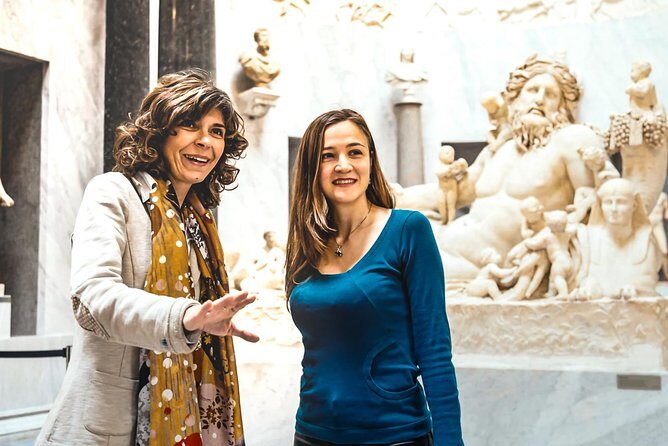
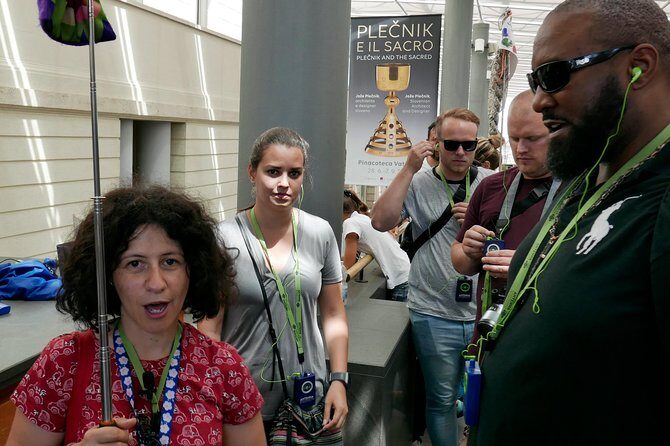
This tour is built for a comfortable pace in a semi-private group. That means fewer people blocking your view, more time for questions, and a flow that helps you connect rooms instead of just collecting photos. If you’re the type who likes to understand what you’re looking at, the guide-led structure helps a lot.
The biggest practical note is duration. At 2.5 hours, you’ll see major highlights, but you’ll still want a flexible mindset: think “best route with guided context,” not “I’ll wander forever.”
Other Vatican Museums tours we've reviewed at the Vatican & Rome

Pio-Clementine Museums: Laocoön and the Belvedere Torso
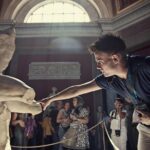
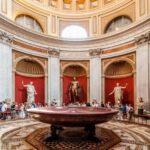
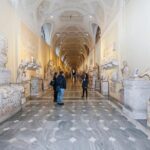
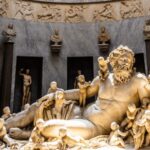
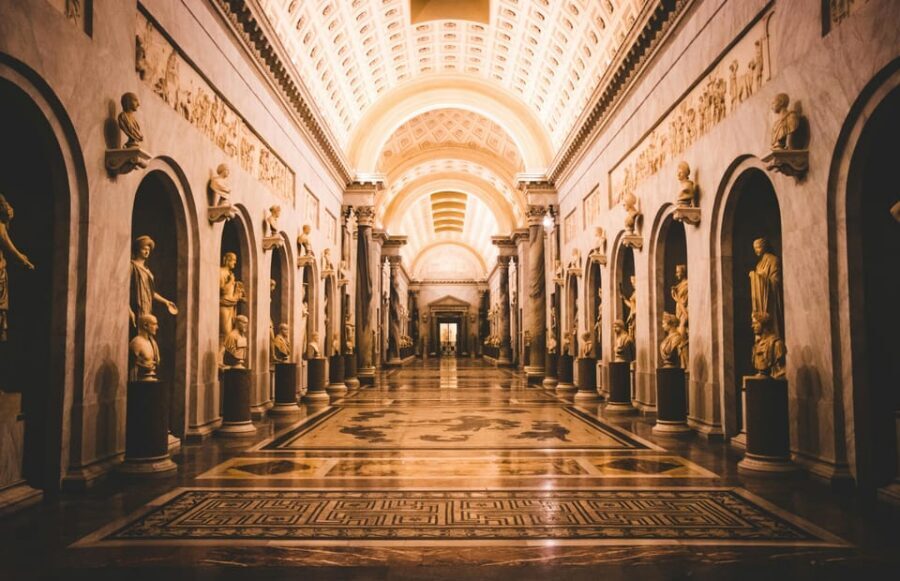
You start with the Pio-Clementine Museums, where classical sculpture does the heavy lifting. This is where the Vatican flexes its collection in a way that’s easy to appreciate even if you’re not a museum expert.
Two of the most famous stops are the Laocoön group and the Belvedere torso. What I like about these early sculpture moments is how they set your expectations for what’s coming next. The physical drama of the Laocoön group helps you see how artists use movement and emotion, and the Belvedere torso shows how form and proportion were prized so intensely in the classical world.
A possible downside of focusing on iconic works first: you may feel like you’re “in the highlights” immediately, before you’ve had time to acclimate. That’s not bad, though—just go in knowing the tour’s strategy is to give you recognizable anchors early.
Gallery of Maps and Gallery of Tapestries: Vatican Art with a Purpose

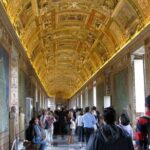
From sculpture, you move into the galleries where art becomes information and power. The Gallery of Maps is painted cartography, tied to a 16th-century perspective, and it changes the way you’ll look at the Vatican’s role in the world. Instead of art for art’s sake, you’re seeing how visuals were used to project knowledge and authority.
Then you step into the Gallery of Tapestries, which shifts the feeling from flat walls and ceiling perspectives to something more immersive in texture and storytelling. Tapestries are the kind of medium that can be hard to appreciate from distant museum crowds. With a smaller group and guide direction, you’re more likely to notice details and themes that get lost when everyone is rushing for the next room.
If you tend to love “why this was made” as much as “what it looks like,” these two galleries are a strong pairing. They show that the Vatican is not only about masterpieces—it’s also about messaging.
Raphael Rooms and Borgia Apartments: Papal Interiors with Real Storytelling
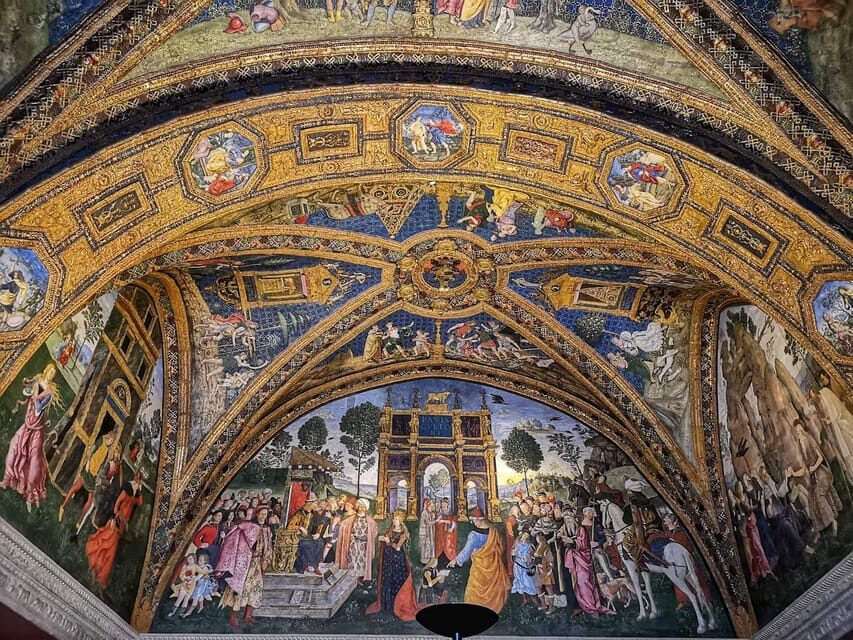
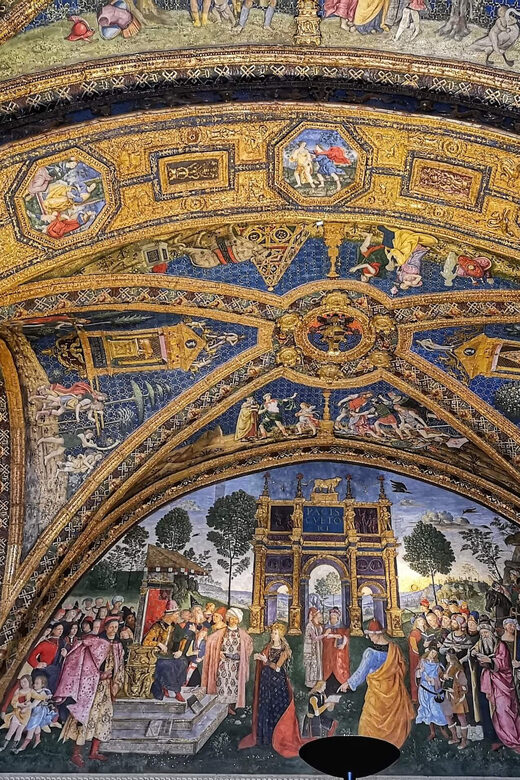
This is where the tour becomes more than a list of famous names. You enter the former papal apartments: the Raphael Rooms and the Borgia apartments.
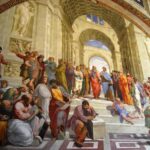
The Raphael Rooms are known for frescoes tied to major moments in Church history and belief. The guide’s job here is key: with so many scenes packed into a limited time, you need someone to help you connect symbolism to context. That’s also why a small-group format matters. You can ask questions instead of just nodding and moving along.
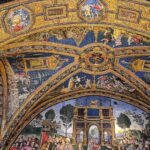
The Borgia apartments add a different tone and theme—often darker, more politically loaded, and not as straightforward as the most famous Vatican images. The value of including both sets of rooms is that it prevents the tour from feeling one-note. You get variety in style, mood, and intent while the guide keeps the route coherent.
If you only visit the headline sites, you might miss how the papal apartments functioned as living spaces with carefully staged messages. Here, you’re seeing those messages in sequence, with the guide pointing out what to pay attention to while you’re standing there.
Sistine Chapel Timing: Michelangelo Ceiling and the Last Judgment
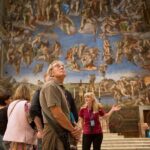
The highlight many people plan for is the Sistine Chapel, named after Pope Sixtus IV. This is also the part where timing and expectations matter most.
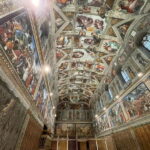
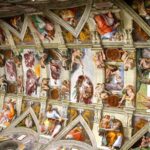
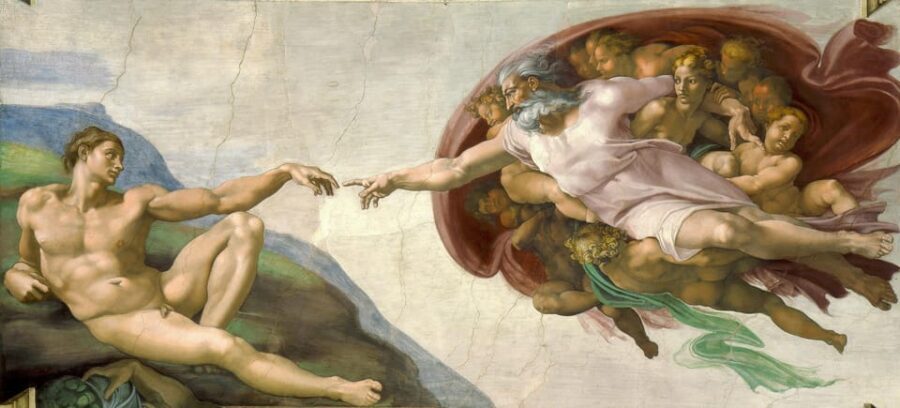
In this tour, you spend a little time in the chapel so you can take in the frescoes by Michelangelo Buonarotti, including the ceiling and the Last Judgment. Even with “limited time,” the guided approach helps. Instead of spending your minutes trying to figure out where to look first, you’re led to the main elements so your eyes know what to catch.
One consideration: the Sistine Chapel experience can feel intense because everyone is there at once. A small-group tour helps you keep your footing, but it won’t turn the chapel into a quiet studio. If you want total stillness, you might not find it on a scheduled slot.
Still, for most people, this format is exactly right: you get guided orientation, you look at the key fresco areas, and you move on without letting the visit swallow the rest of your day.
Other private Vatican tours at the Vatican & Rome

The Guided Exit Toward St. Peter’s Basilica
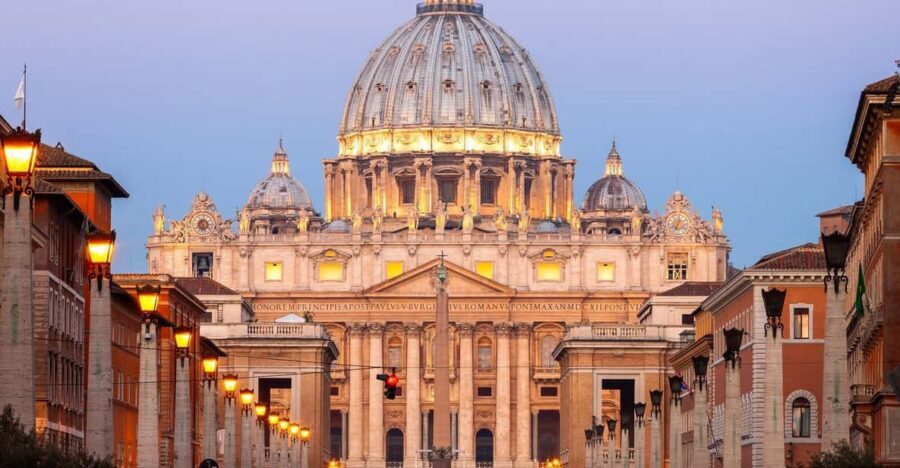
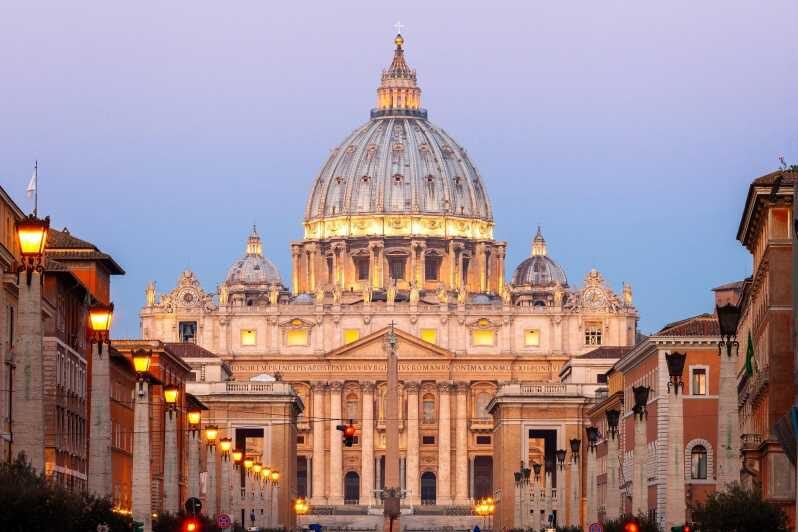
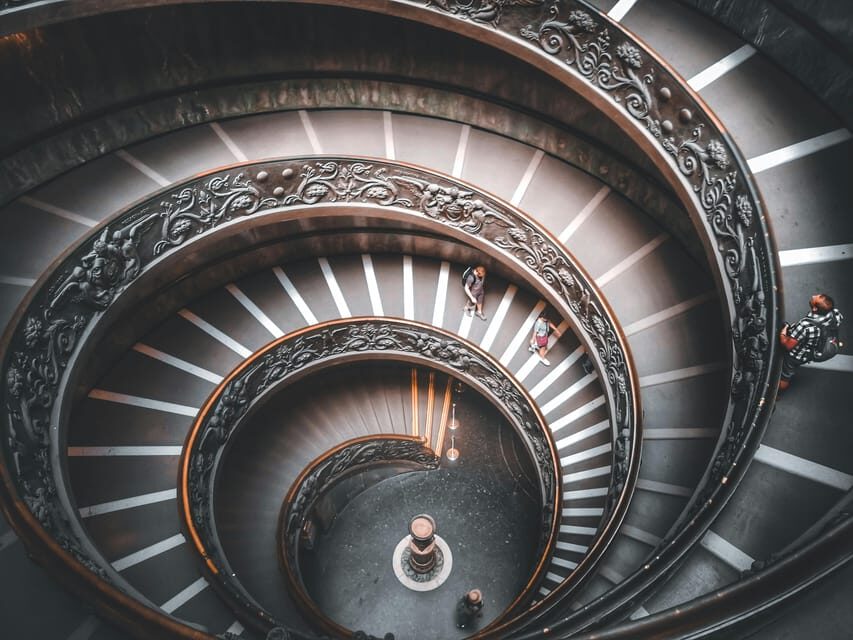
After the Sistine Chapel, the tour ends in a clever way. You exit via a guided tour exit that’s not open to the general public, and you continue toward St. Peter’s Basilica.
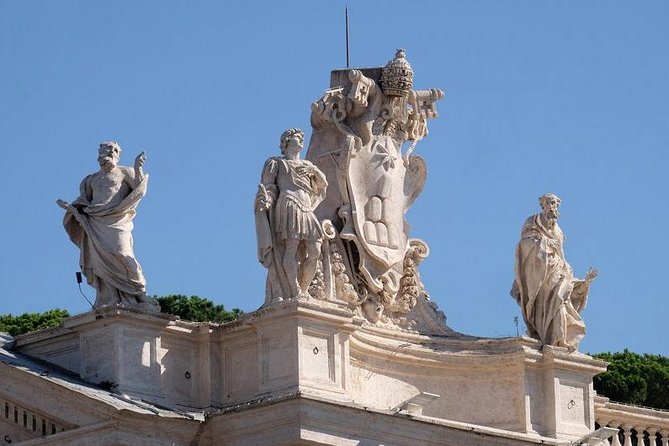
This matters more than it sounds. St. Peter’s can be a separate time sink if you’re doing it on your own right after Vatican Museums. Here, you’re released in the right direction with help from the tour structure, so your day feels connected instead of chopped into two unrelated stops.
Inside the Basilica, the guide highlights key artworks and features so you’re not just walking through a famous building without knowing what you’re seeing. Even if you’ve already seen photos, the scale hits different when you’re standing there.
If you’re planning a Rome day with multiple stops, this “end with Basilica momentum” is one of the best reasons to choose a guided package rather than buying museum tickets and hoping your timing lines up.
Price and Group Size: Does $123.48 Per Person Make Sense?
At $123.48 per person for about 2.5 hours, you’re paying for three things that are hard to replicate on your own: skip-the-line entry, a licensed guide, and a semi-private group size capped at 14 (often around 12).
If you’ve ever tried to do the Vatican Museums independently, you know the time cost of queues and the mental cost of figuring out a route. This tour’s value is that you’re buying time efficiency plus interpretation. You’re not paying for someone to point at statues—you’re paying for someone to help you understand what you’re looking at as you move.
The small group piece is where the price starts to feel more “fair.” Fewer people means more chances to hear answers, and it keeps the experience from turning into a conveyor belt. That’s also why the tour includes a wide range of major rooms: it’s trying to fit the top beats into a short visit without turning everything into one blur.
If your top goal is maximum free time to wander, you might feel limited by the schedule. But if your goal is to leave knowing what you saw, this pricing can be a smart use of your day.
Practical Tips for Getting More Out of Every Room
You’ll get the best results if you treat the tour like a guided map, not a fast slideshow. When the guide points something out, pause and look. Even famous works can feel flat if you’re only scanning.
Since the tour is English and Hungarian, you’ll want to confirm you’re booked into English if you prefer that for the explanations. The guide’s spoken guidance is the main ingredient that turns “big sights” into “I actually understand why this matters.”
Also, pack a little patience for crowd flow. Even with skip-the-line entry, you still share spaces with other visitors in iconic rooms. The semi-private setup helps, but it doesn’t make the Vatican empty.
Who This Vatican Tour Works Best For
This tour fits best if you want a structured route that still keeps things human-sized. It’s a strong choice for first-timers who don’t want to guess their way through major areas like the Pio-Clementine Museums, Raphael Rooms, Borgia apartments, and the Sistine Chapel.
It also works well for people who like expert commentary but don’t want a large group experience. The tour’s design—small numbers, skip the line, guide-led pacing—targets exactly that.
If you’re the type who wants to spend half a day in one gallery taking your time, you might prefer a longer, more flexible visit. But if you want your Vatican day to feel complete without burning the whole day in museums, this route is built for you.
Should You Book This Semi-Private Vatican Museums Tour?
I’d book it if your priorities are skip-the-line entry, a licensed guide, and seeing the big anchor rooms in about 2.5 hours—especially with the bonus flow toward St. Peter’s Basilica at the end.
Skip it if your ideal Vatican day is mostly unstructured wandering. In that case, you might prefer more time on your own so you can linger where your eyes keep pulling you back.
The decision comes down to one question: do you want the Vatican Museums to feel like a guided story you can follow, or a freeform browsing marathon? If you want the story, this is a solid value for your time.
FAQ
How long is the Semi-private Vatican Museums tour?
The tour duration is 2.5 hours.
Does this tour skip the ticket line?
Yes, it includes skip-the-line access.
What are the main sights included?
You’ll visit the Pio-Clementine Museums (including the Laocoön group and the Belvedere torso), the Gallery of Tapestries, the Gallery of Maps, the Raphael Rooms, the Borgia apartments, and the Sistine Chapel.
Is the Sistine Chapel included?
Yes. The tour ends at the Sistine Chapel, with a short time there to take in Michelangelo’s ceiling frescoes and the Last Judgment.
Does the tour include St. Peter’s Basilica?
Yes. You exit the museums via the guided tour exit and continue toward St. Peter’s Basilica, where the guide highlights key features and artworks.
What languages are the tours offered in?
The live tour guide is available in English and Hungarian.
What’s the group size?
It’s a semi-private experience with no more than 14 spaces available, and it’s typically around twelve guests.