REVIEW · VATICAN CITY
Dome Climb & St. Peter’s Basilica Private Tour
Book on Viator →Operated by Tours of the Vatican with Francesco & his team · Bookable on Viator
Climb into Rome’s sky above St. Peter’s. This private tour is built to help you beat the crowds at St. Peter’s, with skip-the-line access and a guide who explains what you’re actually looking at. You’ll also work your way from the Cupola to Porta Santa and finish with St. Peter’s Basilica and the papal crypt, so you get more than the usual photo stops.
What I like most is the mix of big views and precise details. You start close up inside the vault level, then climb to the top of the Dome with a real sense of scale, mosaics, and craftsmanship. And then the Basilica route focuses on the side chapels, Michelangelo’s Pietà (and why it’s the only one he signed), plus the Bernini altarpiece and how the dome work was awarded.
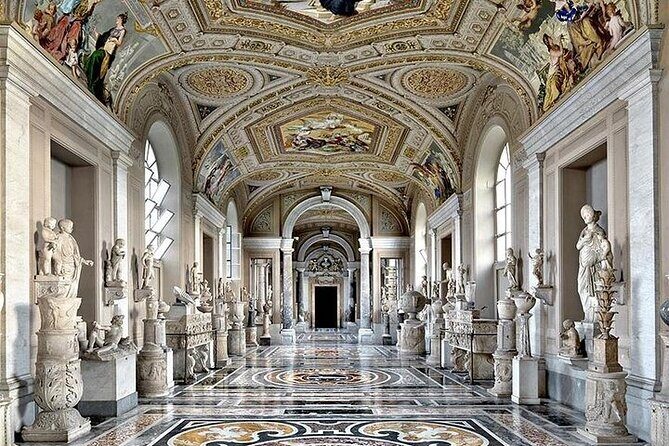
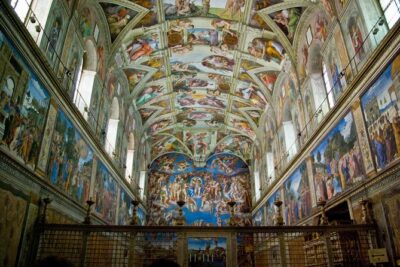
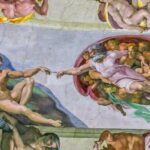
One important consideration: Papal events can close areas at short notice, and the Sistine Chapel and/or St. Peter’s Basilica may not be accessible. If that happens, the guide will adjust and shift focus toward Vatican museums instead.
In This Review
- Key highlights at a glance
- Why this St. Peter’s Dome tour feels worth paying for
- Meeting at St. Peter Square and setting expectations
- Cupola di San Pietro: the lift up, then the 281-step payoff
- Porta Santa: seeing the Jubilee door tradition up close
- St. Peter’s Basilica: side chapels, Pietà details, and the Bernini moment
- Going below: the papal crypt and the quiet kind of power
- Dress code, day-of closures, and how to stay sane
- Private pacing and guide storytelling: what makes it feel different
- Cost and value: what you’re buying with $367.25
- Who this tour suits best (and who should rethink it)
- Should you book the Dome Climb & St. Peter’s Basilica Private Tour?
- FAQ
- How long is the Dome Climb & St. Peter’s Basilica private tour?
- What does the tour cost?
- Is the tour private and does it include entrance fees?
- Do you climb stairs, and how many steps are involved?
- What is Porta Santa?
- What will I see inside St. Peter’s Basilica and the papal crypt?
- What dress code is required?
- What if parts of the Vatican close due to Papal events, and can I get a refund if I cancel?
Key highlights at a glance
- Lift first, then 281 steps for Cupola di San Pietro views you can’t get from the floor
- Private, skip-the-line entrance so your time stays focused on the sights
- Porta Santa access with Jubilee-door context and an included admission ticket
- Pietà and Bernini explained with the stories behind the art choices
- Papal crypt visit with guidance on where key papal burials are located
Why this St. Peter’s Dome tour feels worth paying for
St. Peter’s is one of those places where the building is so famous that you might expect it to feel “simple” once you arrive. It’s not. The crowds are heavy, the signage is confusing, and if you go in alone, you can end up seeing a lot of marble without understanding why it’s there.
This private tour changes the math. The goal is to get you moving with a guide’s structure so you don’t waste time threading through groups. It’s also art-led, not just logistics-led. An art historian guide helps you slow down at the right moments—so you notice the things that make St. Peter’s feel different from every other church in Italy.
The price—$367.25 per person—sounds steep until you think about what you’re buying. You’re paying for private pacing (not waiting in line), included admission, and a professional guide who can turn what would be random sightseeing into a clear “see-this-then-understand-that” route. If you’re the kind of traveler who hates rushing, this tour is priced to reduce the rush.
Guides for this company’s Vatican tours have included Francesco, and past groups have also been led by people like Claudia, Anna, and Thomas. The names matter because you’re not just buying an audio guide—you’re buying someone who can explain what you’re standing in front of.
Other St Peter's Basilica tours at the Vatican & Rome
Meeting at St. Peter Square and setting expectations
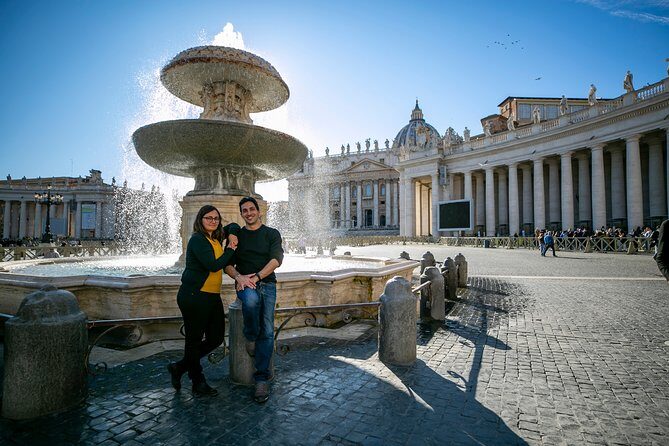
Your tour starts back at St. Peter Square Obelisk. That’s a smart meeting point because it’s a visual anchor you can find without getting lost in the bigger plaza maze.
From there, your time is organized around a tight sequence of major “layers” of St. Peter’s: the Dome climb, Porta Santa, then the Basilica and papal crypt. The whole experience runs about 2 hours. In other words, you’re not getting a slow museum crawl—you’re getting focused priorities.
One practical note: you’ll need to dress for worship spaces. The tour requires covered knees and shoulders for both men and women. This isn’t a “nice to have.” If your outfit doesn’t meet the standard, entry can be refused.
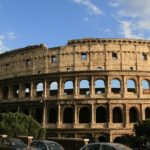
If you’re thinking about pairing this day with another huge stop (like the Colosseum), be careful. St. Peter’s alone can take it out of you. A private guide helps the route feel efficient, but two major sites in one day still means a lot of walking and waiting in other lines.
Cupola di San Pietro: the lift up, then the 281-step payoff
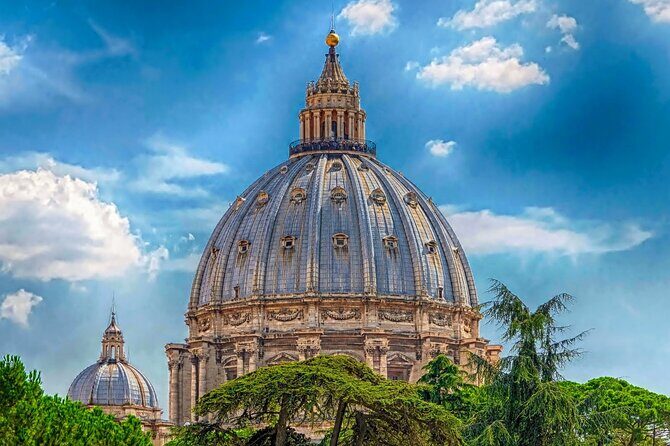
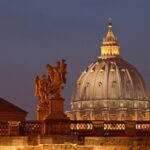
The Cupola di San Pietro is the main event for many first-timers, and this tour treats it like one. You go up by lift to the main level inside the vault area, so you get the dramatic interior view without starting from street level.
Then comes the part that makes the Dome climb feel like a real accomplishment: the 281 steps up to the highest point. It’s a climb, not a stroll, so if you’re sensitive to stairs or steep angles, plan around it. But if you’re comfortable with steps, this is where the tour earns its keep.
At the main level, you get the best perspective for appreciating the mosaics and the elaborate surface work. From below, the detailing is easy to miss. From inside, the Dome feels like a workshop—layers of ornament and artisanship that you can actually understand in context.
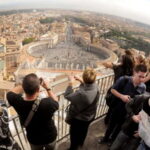
At the top, your guide points out landmarks and points of interest from the bird’s-eye view. That’s a key difference versus climbing alone. When you’re up high, Rome is a map you can read better than you can on the ground. A good guide helps you connect the view to the city’s geography so you leave with bearings.
The stop length is about 30 minutes, which is perfect for a climb experience without turning it into a half-day project.
Porta Santa: seeing the Jubilee door tradition up close
After the climb, you’ll head to Porta Santa. This door is special because it’s traditionally sealed during normal years. The doors are normally sealed from the inside with mortar and cement, so they can’t be opened.
During Jubilee years, the Pope ceremonially opens these doors for pilgrims entering through them. The Jubilee tradition ties the door to indulgences attached to the Jubilee celebrations, which is why this spot isn’t just architectural—it’s ritual.
This tour includes an admission ticket for Porta Santa, which matters for two reasons. First, it simplifies the visit. Second, it signals that your route is designed to include this stop rather than leaving it optional.
The time here is also about 30 minutes. You won’t be stuck in a long queue for this ceremonial doorway, and you get the context that helps the whole thing feel meaningful instead of random.
One thing to keep in mind: Porta Santa’s open/closed status is tied to Jubilee practice. Your ticket inclusion helps on access, but it’s still smart to check what’s available during your exact travel dates—especially if your trip lines up with any Vatican schedule changes.
St. Peter’s Basilica: side chapels, Pietà details, and the Bernini moment
Next is St. Peter’s Basilica. If you only do St. Peter’s from the main nave, you’re missing the way the building is designed to pull you inward. This tour focuses on the side chapels and the details that many visitors skip.
You’ll see Michelangelo’s Pietà, and your guide explains why it’s the only work he signed. That detail isn’t trivia—it helps you understand Michelangelo’s relationship to this commission and how the artist wanted the work recognized. When a guide points to small clues like that, the Pietà stops being a postcard image and becomes a story you can read.
The tour also addresses the mastery behind Bernini’s altarpiece. You’ll learn why it’s viewed as such a major achievement, and your guide connects the drama of the art to how power and prestige worked in this era. You’ll also hear about how Michelangelo triumphed for the honor to work on St. Peter’s great dome project. Even if you’ve read about Michelangelo before, hearing the explanation while standing in the building makes it stick.
This stop is about 1 hour, which is enough time to feel like you saw the Basilica rather than merely walked through it.
A practical note: St. Peter’s can feel overwhelming because you’re surrounded by high-impact art in every direction. The guide’s job is to choose the right sequence of “look here first, then here” moments. That’s why a private art historian style guide is such a big part of the value.
Other St Peter's Dome climb tours at the Vatican & Rome
Going below: the papal crypt and the quiet kind of power
One reason I like this specific version of the tour is the final segment: you go below ground to the papal crypt. Many visitors don’t realize you can move into this underground level during a typical visit, and the feeling is different from the bright main basilica spaces.
The crypt is where many of the Popes have been interred over the centuries. It’s also described as a site of pilgrimage for many Catholics, which adds a solemn layer to what you’re doing.
Talking is allowed, but before you enter, your guide tells you where the most important popes are laid to rest. You won’t just wander. You’ll know what to look for before you reach the key points, which makes the crypt visit feel intentional.
This stop is part of the same Basilica time window, so you still keep the overall pace of the tour.
Dress code, day-of closures, and how to stay sane
The Vatican is famous for rules, and St. Peter’s follows them closely. You must cover knees and shoulders to enter places of worship. That means no shorts and no sleeveless tops. If you break the dress code, you risk refused entry.
Then there’s the second reality check: Papal events. Some areas might get closed last minute without notice. That can include the Sistine Chapel and/or the Basilica of Saint Peter. When that happens, your guide provides an alternative route focusing on the Vatican museums.
This matters because it can change what you expect to see. If you’re planning the rest of your Vatican day around this tour, keep some flexibility. If you’re the kind of traveler who gets frustrated when a plan changes, build in backup time and accept that the Vatican can shift the route quickly.
Private pacing and guide storytelling: what makes it feel different
A lot of tours claim you’ll learn “history.” The difference here is the way the guide connects details to your physical location in the building. When your guide points out why Michelangelo signed the Pietà, you start looking for meaning in the art instead of just admiring it.
The same goes for the Dome climb. At the top, you’ll get a view of Rome that feels like a puzzle. The guide helps you identify landmarks and points of interest so you can orient yourself and make sense of the scale.
You’ll also benefit from the private nature of the group. This isn’t a mixed crowd tour where you constantly lose your spot. Only your group participates, and that helps the guide keep your momentum.
A couple of guides connected to this provider have stood out in past experiences: Francesco has been praised for strong historical context, Claudia is described as warm and highly engaging with broad knowledge, and Anna and Thomas have been singled out for clear explanations. The common theme is that you’re getting a human explanation at the right moments.
Cost and value: what you’re buying with $367.25
Let’s talk money without pretending it’s cheap. At $367.25 per person, you’re not paying “a little extra.” You’re paying for several things that are hard to do well on your own:
- Guaranteed line-skipping for the included areas
- Professional art historian guidance during the key visual moments
- Entrance fees included for the Dome, Porta Santa, and Basilica/crypt segments
- A route that fits into roughly 2 hours without dragging
If you’re traveling with others and can split the cost via group discounts (the tour lists group discounts as a feature), the value can improve. Even if you’re solo, the key question is whether you want to spend your time wrestling with crowds or interpreting what you see.
One extra value point: a private guide can help keep you from overextending your day. One note from past experiences is that the guided structure helped the visit feel closer to 90 minutes than a longer “wander and wait” session. That doesn’t mean you’ll always see it that fast, but it shows the real advantage of focused pacing.
Who this tour suits best (and who should rethink it)
This is a great fit if you:
- Want Vatican City highlights without the stress of doing it alone
- Enjoy art and appreciate explanations tied to what you’re seeing
- Are willing to climb stairs after a short lift ride
- Prefer private pacing in busy places
It may be less ideal if you:
- Have mobility challenges that make 281 steps tough
- Get extremely upset when access changes due to Papal events
- Are looking for Vatican Museums and Sistine Chapel as a guaranteed part of the plan (those are listed as not included, and access can vary)
Because this is a private tour, it also suits small parties who want a calmer, guided rhythm rather than moving in a big herd.
Should you book the Dome Climb & St. Peter’s Basilica Private Tour?
Book it if you care about getting more meaning out of St. Peter’s than a few quick photos. The combination of the Cupola climb, Porta Santa stop, Basilica side chapels, and the papal crypt makes this feel like a complete “core Vatican” experience in about two hours. You’re also paying for a guide to cut through confusion and crowd friction, which is where private tours often earn their keep.
Skip it or consider another option if you specifically want Vatican Museums and the Sistine Chapel as the main goal. This tour lists museums and Sistine Chapel as not included. It can shift if access closes, but you shouldn’t rely on it as your primary plan for those spaces.
If you do book, come dressed correctly, wear comfortable shoes, and bring realistic expectations about how the Vatican can change on the day. With that mindset, this is the kind of private St. Peter’s experience that leaves you feeling oriented, informed, and honestly impressed by the details you would have missed alone.
FAQ
How long is the Dome Climb & St. Peter’s Basilica private tour?
The tour runs about 2 hours (approximately).
What does the tour cost?
The price is listed at $367.25 per person.
Is the tour private and does it include entrance fees?
Yes, it is private, and it includes admission ticket access for the Dome, Porta Santa, and St. Peter’s Basilica/crypt areas. It is also described as guaranteed to skip the long lines.
Do you climb stairs, and how many steps are involved?
Yes. After a short lift ride to the main level inside the vault, the tour includes climbing 281 steps to reach the highest point of the Dome.
What is Porta Santa?
Porta Santa is traditionally an entrance portal within major papal basilicas in Rome. The doors are normally sealed, and they are ceremoniously opened during Jubilee years designated by the Pope for pilgrims.
What will I see inside St. Peter’s Basilica and the papal crypt?
You will tour St. Peter’s Basilica, explore side chapels and hidden crypt areas, see Michelangelo’s Pietà (with an explanation about the signature), and learn about Bernini’s altarpiece. You will also go below ground to the papal crypt where many Popes are interred.
What dress code is required?
You must follow a dress code for places of worship and selected museums: no shorts and no sleeveless tops. Knees and shoulders MUST be covered for both men and women, or you may risk being refused entry.
What if parts of the Vatican close due to Papal events, and can I get a refund if I cancel?
Some areas might close last minute due to Papal events, and the Sistine Chapel and/or St. Peter’s Basilica might not be accessible. In that case, the guide will provide an alternative focusing on Vatican museums. The experience is non-refundable and cannot be changed for any reason.