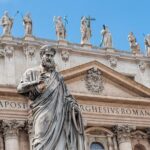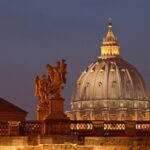
A few hours can feel like a lifetime at the Vatican. This private, skip-the-line plan gets you into the Vatican Museums, Sistine Chapel, and St. Peter’s Basilica with a guide who knows how to point your eyes in the right direction, like Francisco’s calm, patient style.
I especially like that it’s private, so a guide such as Romina (praised for tailoring the route to your interests) can slow down where you want it and speed up where you don’t.
The main drawback to keep in mind is that last-minute Vatican closures can happen during busy papal events, and you may end up with an alternative route focused inside the museums if parts of the plan are shut.
In This Review
- Key highlights at a glance
- Why this skip-the-line Vatican plan feels different
- Vatican Museums: from Momo’s staircase to the bronze pinecone
- A quick reality check
- The Sistine Chapel: how to get meaning in 15 minutes
- Timing tip that actually helps
- St. Peter’s Basilica: Pietà, side chapels, and the dome story
- What you should watch for
- A note on closures
- St. Peter’s Square: the grand finish
- Dress code and practical details that can make or break entry
- Price: what $429 buys you (and when it’s worth it)
- Who should book this tour
- Should you book this private skip-the-line Vatican tour?
- FAQ
- What is the duration of this Vatican tour?
- Which major Vatican sights are included?
- Are admission tickets included?
- Is this tour private?
- Does it include skip-the-line entry?
- What language is the tour offered in?
- What dress code do I need for entry?
- What happens if the Vatican closes areas last minute?
Key highlights at a glance
- Guaranteed skip-the-line entry so you spend time looking, not waiting
- Private guide with art-history focus that helps you understand what you’re seeing
- A smart sweep of must-sees across museums, chapel, and basilica
- Hands-on guidance inside the Sistine Chapel area including what to notice once you’re inside
- St. Peter’s Square finale to cap the experience with a big, open view
Why this skip-the-line Vatican plan feels different
The Vatican can punish your schedule. Even with tickets, lines and slowdowns can eat your visit before you ever reach the good stuff. This tour is built around getting you through the hardest bottlenecks quickly, so you start seeing real masterpieces early—rather than spending your best energy shuffling forward.
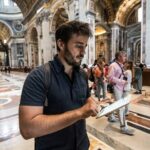
I also like the “private” part. You’re not fighting for space at the railings while strangers try to take selfies. With your own guide, you can ask questions in real time and get explanations timed to the exact artwork in front of you. People often mention guides who work with energy and patience; names like Francisco and Sara come up again and again for keeping the experience smooth and understandable.
One practical consideration: the Vatican sometimes changes access at the last minute when major events ramp up. If areas close suddenly, your guide should shift you to a museum-focused alternative. That’s not ideal, but it’s better than getting stranded outside.
Other Vatican Museums tours we've reviewed at the Vatican & Rome

Vatican Museums: from Momo’s staircase to the bronze pinecone
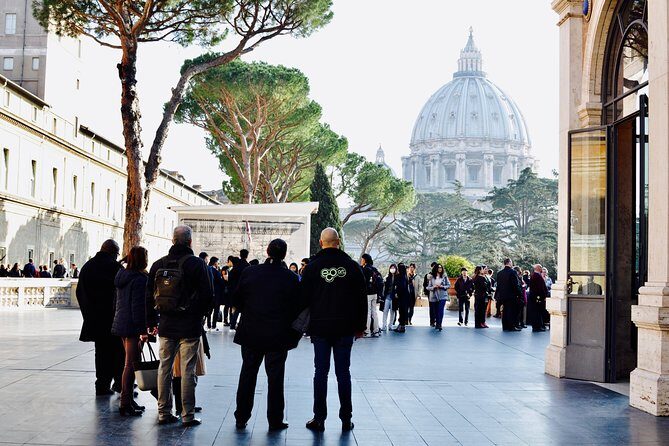
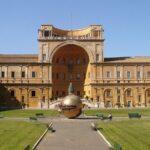
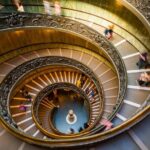
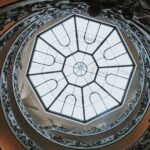
Your visit starts at the Vatican Museums entrance, and the whole point is that you dodge the long queue. After entry, you head up from Momo’s spiral staircase, then move toward the Belvedere courtyard—a classic visual hit right away because the huge bronze pinecone dominates the space.
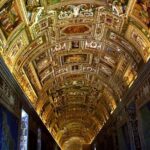
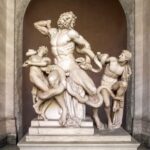
From there, the route keeps an efficient rhythm. You’ll pass through key museum zones such as the Gallery of Ancient Roman Sculptures, the Room of the Muses, the Room of Animals, and the Rotunda. These aren’t random stops. They’re arranged so you get a sense of how the Vatican Museums collect and display art—from myth and allegory to recognizable figures and large-scale sculptural spaces.
One thing I find helpful here: guides often help you sort what you’re looking at without dumping a textbook into your lap. In this format, you get short, clear context that makes later rooms click. A good example from guide styles you’ll hear about: Romina is praised for communicating beforehand and then adjusting the flow based on your interests—whether you want more story, more art analysis, or just a focused tour of the top sights.
A quick reality check
The museums are huge. Even with a short, intense visit, you’ll feel the Vatican’s scale. If you hate crowds, you’ll still encounter them—you’re in a popular site. The difference is that you’re moving with a plan and not guessing.
Also, wear something sensible under the dress code rules (more on that below). You’ll be on your feet for hours, and museum floors don’t care about your plans.
The Sistine Chapel: how to get meaning in 15 minutes
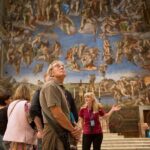
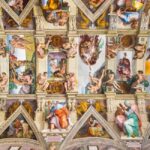
After the museums, you move into the most famous rooms: the painted spaces tied to Raphael for Pope Julius II, and then the Sistine Chapel itself. The schedule is tight—about 15 minutes in the chapel area—so you’ll want to treat this as a fast, high-impact viewing session.
Here’s what makes this portion work: you don’t just enter and stare. The guide prepares you with what to notice, including the famous scenes like the Creation of Adam and the Last Judgment. That short preview matters because the chapel is visually overwhelming. Without guidance, it’s easy to miss the visual logic—what’s where, who’s doing what, and what the composition is trying to say.
A practical note: there’s a strong expectation of silence inside the chapel. One reason guides get praised so often is that they point out details before you step into that quiet zone. That way, you’re not trying to process everything at once while trying to be respectful.
Timing tip that actually helps
If you can choose your start time, aim for early morning. One common complaint is missing parts of the basilica route due to later Vatican closings, and another is that later crowds can feel outrageous even with skip-the-line access. Early entry doesn’t eliminate crowds, but it usually makes the day feel more manageable.
Other Sistine Chapel tours at the Vatican & Rome


St. Peter’s Basilica: Pietà, side chapels, and the dome story
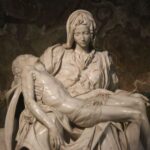
The basilica portion is about 30 minutes, and it’s structured to pack the most important art and architectural ideas into that window. You’ll explore side chapels (including ones with crypts) and see Michelangelo’s Pietà. A highlight your guide should explain: why the Pietà is the only work Michelangelo is noted for signing—a detail that gives you a hook into the artist’s mind instead of just admiring the sculpture.
Then the story shifts to another layer of genius: Bernini’s altarpiece and the big-picture triumph of how Michelangelo’s design influenced the dome you can see from many angles. Even if you only have a half hour, the guide’s job is to connect those points so the basilica feels like one coherent masterpiece, not a random pile of famous names.
What you should watch for
In a short basilica visit, your attention can scatter. So focus on a couple of things the guide highlights: the Pietà’s sculptural choices, how chapels are arranged, and how the art supports the sacred space. If you’re the type who wants to understand why a place feels the way it does, you’ll likely enjoy the guide’s explanations here—people frequently call out guides like Francisco and Maximilian for passion and care in this segment.
A note on closures
Because papal activity can cause last-minute access changes, the chapel and/or basilica might be inaccessible on certain days. When that happens, your guide should provide an alternative that focuses on the museums instead. It’s a reminder to keep expectations flexible and not plan another tight appointment right after this tour.
St. Peter’s Square: the grand finish
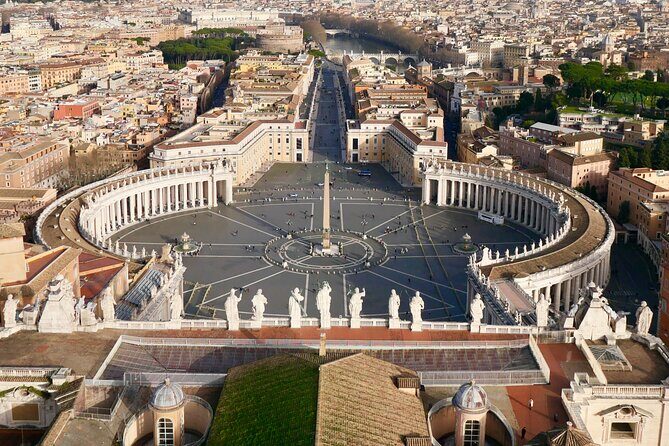
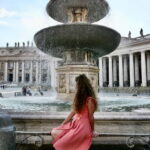
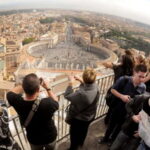
You’ll end in St. Peter’s Square (about 15 minutes). This is a smart ending point. After squeezing through halls and chapels, the open space helps reset your brain. It also gives you a clear visual “bookend” for the entire visit: the Vatican’s grand scale, all at once.
If you like photos, this is where you’ll usually want them. Just remember: you might be tired by this stage. That’s normal. The square is big, and you don’t have to see everything to feel the place hit you.
Dress code and practical details that can make or break entry
This is a place of worship, so the rules are strict. You need your knees and shoulders covered for both men and women. That means no shorts and no sleeveless tops. If you don’t meet the dress requirements, entry can be refused.
Plan around that. Wear light layers if it’s warm. If it’s cool, bring a layer that still respects the rule set. The Vatican can be hot and crowded, and you don’t want to be tugging clothing into compliance all day.
Also, the meeting points are in central Vatican area streets, and the route uses a clear end point at Piazza San Pietro. The tour should be near public transportation, which helps if your timing gets thrown off.
Price: what $429 buys you (and when it’s worth it)
At $429.49 per person for about 3 hours, you’re paying for three things: speed, expertise, and control.
First, speed. The guaranteed skip-the-line component isn’t just convenience. It protects your time in a place where waiting can turn into the entire day. In a short-format visit, losing an hour to a queue can gut the experience.
Second, expertise. A professional art historian guide is the difference between seeing famous ceiling panels and understanding what those scenes mean, why they were made, and how the Vatican connects them through its larger artistic story. People repeatedly praise guides who manage the day well—Francisco for patience, Romina for adapting to interests, and Sara for turning the overwhelm into a coherent experience.
Third, control. Because it’s private, your group sets the pace. If someone in your party is less into museums, the guide can probably adjust without forcing everyone to sit through topics they don’t care about. That matters in a site as packed as the Vatican.
So when is it worth it? If this is your first real Vatican visit, or you only have a short window in Rome, I think it’s a strong value. If you’re already a confident Vatican self-tour person and you enjoy hunting for information on your own, you might be able to save money with cheaper entry options. But you’ll trade away the guided structure that makes a rushed visit feel like a complete one.
Who should book this tour
This tour fits best if you want:
- A tight, high-priority route through the Vatican Museums, Sistine Chapel, and St. Peter’s Basilica
- A guide to help you make sense of what you’re seeing quickly
- Less stress than planning it all yourself, especially around crowds and entry flow
- A private experience where questions are welcome and your group pace matters
It may feel less ideal if you dislike structured timelines. The basilica and chapel segments are short by design. You’re getting the major hits and key explanations, not a slow, lingering museum day.
Should you book this private skip-the-line Vatican tour?
If you’re torn, I’d book it—assuming you can follow the dress code and you’re okay with the Vatican’s reality: crowded corridors and possible last-minute closures during major papal activity.
Here’s my decision rule: if you can’t afford to lose time to lines, this is one of the best ways to protect your visit. And if you want your photos and sightseeing to come with context—so the Sistine Chapel feels like more than famous images—then the private art historian guide is the heart of the value.
If you do book, pick an early start when you can, pack something that meets the clothing rules, and keep your day flexible. The Vatican is spectacular, but it runs on its own schedule.
FAQ
What is the duration of this Vatican tour?
It runs for about 3 hours.
Which major Vatican sights are included?
You’ll visit the Vatican Museums, the Sistine Chapel, St. Peter’s Basilica, and finish at St. Peter’s Square.
Are admission tickets included?
Yes. Admission tickets are included for the Vatican Museums, the Sistine Chapel, and St. Peter’s Basilica. St. Peter’s Square entry is listed as free.
Is this tour private?
Yes. Only your group participates.
Does it include skip-the-line entry?
Yes. It’s described as guaranteed to skip long lines.
What language is the tour offered in?
The tour is offered in English.
What dress code do I need for entry?
Knees and shoulders must be covered. The tour notes no shorts and no sleeveless tops; you may be refused entry if you don’t comply.
What happens if the Vatican closes areas last minute?
If parts of the Sistine Chapel and/or St. Peter’s Basilica become inaccessible due to events, your guide provides an alternative focusing the tour inside the Vatican Museums.