REVIEW · ROME
Guided Tour Vatican Museums & Sistine Chapel with Basilica Access
Book on Viator →Operated by Saints Tours · Bookable on Viator
If you hate lines, Rome has a fix. This small-group Vatican tour uses a licensed guide and a skip-the-line entrance to get you through the Museums and Sistine Chapel fast, then down to St. Peter’s Basilica with direct access from inside.
I particularly like how the headset system helps the guide’s stories land clearly, even when you’re standing shoulder to shoulder. I also like that you get a clear path through big-name highlights (Pio-Clementino, the Gallery of Maps, and Michelangelo’s Sistine ceiling) instead of wandering. The main drawback to keep in mind: you’re still in a high-control, high-crowd system, so you may feel it’s moving quickly, with limited time to linger—plus some people find the walk to the Vatican entrance physically demanding.
In This Review
- Key takeaways before you go
- First Stop: Piazza Pio XII Meeting Point and How the Day Starts
- What “Skip-the-Line” Really Means at the Vatican
- Vatican Museums, but Make It Manageable: How the Tour Pace Works
- Cortile della Pigna: The Pine Cone Courtyard That Calms the Chaos
- Museo Pio-Clementino: Where the Roman Copies Become the Story
- Gallery of Maps: The 120-Metre Corridor That Feels Like a Visual Lesson
- Sistine Chapel: Michelangelo’s Ceiling and the Most Important Rules
- St. Peter’s Basilica After the Museums: Free Time with Direct Access
- Headsets, Max 16, and Real-World Guide Quality
- Price and Value: Is $110.06 Worth It?
- The Main Things That Can Go Wrong (So You Can Plan Around Them)
- Who This Vatican Tour Fits Best
- Should You Book This Vatican Museums and Sistine Chapel Tour?
- FAQ
- How long is the Vatican Museums and Sistine Chapel tour?
- What’s included with the tour price?
- Is St. Peter’s Basilica included?
- Where do we meet and where do we finish?
- Do I need to bring headphones?
- How big is the group?
- What should I bring since snacks are not included?
- Is there still a wait even with skip-the-line access?
- What is the cancellation policy?
- What if the tour is canceled due to not meeting minimum travelers?
Key takeaways before you go
Small-group size (max 16) with headset radio
Skip-the-line entry and a direct route through the Museums highlights
Four big stops that explain why the art matters, not just what you’re looking at
St. Peter’s Basilica access is included when open, with free time afterward
Toilets at the meeting point and Wi‑Fi there (useful before you start)
Be ready for crowds and a brisk pace in the Sistine area
First Stop: Piazza Pio XII Meeting Point and How the Day Starts
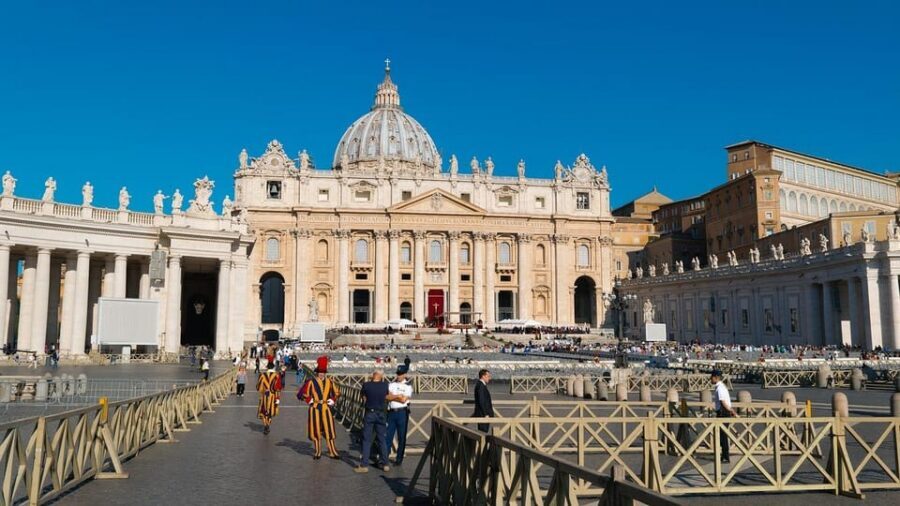
You start at Piazza Pio XII, 5 (right by Vatican-area transit), and the tour ends in St. Peter’s Square. The logistics are simple: show up, check in, and get your headset so you can hear your guide as you move through rooms that don’t exactly whisper.
One practical win here is that the meeting point has toilets and free Wi‑Fi. Use that to reset before you head inside, because once you’re in the Museums and especially once you’re in the Sistine Chapel area, you shouldn’t count on easy breaks.
The tour runs about 2 hours 30 minutes. That’s not long, so you should think of it as a guided “greatest hits” circuit designed to maximize what you see before crowds and access rules tighten.
Other Vatican Museums tours we've reviewed at the Vatican & Rome

What “Skip-the-Line” Really Means at the Vatican
This experience includes a skip-the-line entrance, and you’ll enter ahead of people buying entry tickets for the day. That’s huge when you’re trying to avoid the long queue crush.
Still, the Vatican runs a controlled flow. Even with the priority entry, you may find yourself waiting in line with other tour groups after you’re inside the system. In other words: you’re skipping the worst external line, but you’re not skipping the Vatican.
If you’re choosing timing, I’d lean early in the day when possible. One of the most common causes of frustration isn’t the tour itself—it’s the heat and the density of bodies once midday hits.
Vatican Museums, but Make It Manageable: How the Tour Pace Works
The Museums are enormous, and even “must-see” lists can turn into a marathon. This tour keeps things realistic with a guided route across the most important stops, supported by a headset so you don’t have to constantly crane your neck or miss the context.
That said, some people feel rushed. With limited time, you may pass through areas quickly instead of spending 30 minutes staring at one ceiling detail. If your travel style is slow and quiet—sketching, photographing for long stretches, or reading everything—you may want extra time later on your own.
The best approach is to come with a shortlist in mind: pick a couple of highlights you truly care about (for many people, it’s the Sistine Chapel ceiling and the Gallery of Maps) and let the rest be about understanding what you’re seeing.
Cortile della Pigna: The Pine Cone Courtyard That Calms the Chaos
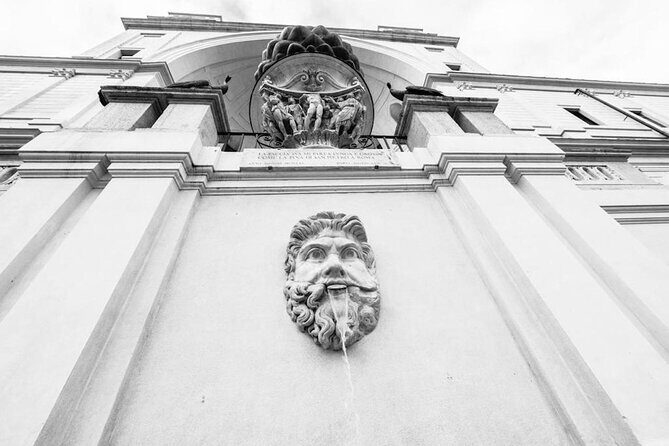
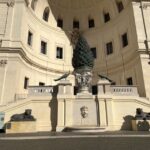
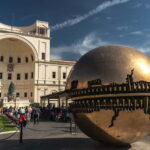
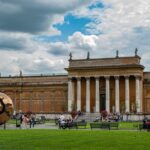
The tour begins in the Cortile della Pigna, the Courtyard of the Pine Cone. It’s a big open space—around 300 square metres—right next to the museum corridors and halls. This matters because it helps you get your bearings early, before you’re swallowed by the museum maze.
It’s also one of those moments where you can breathe. If the weather is good, you’ll have a small window where the space feels less indoor, less boxed-in, more like a proper courtyard.
The art here acts like a warm-up. You’re not just walking through rooms—you’re being introduced to the museum’s rhythm: open spaces that break the flow, then galleries that push you deeper into the collection.
Museo Pio-Clementino: Where the Roman Copies Become the Story
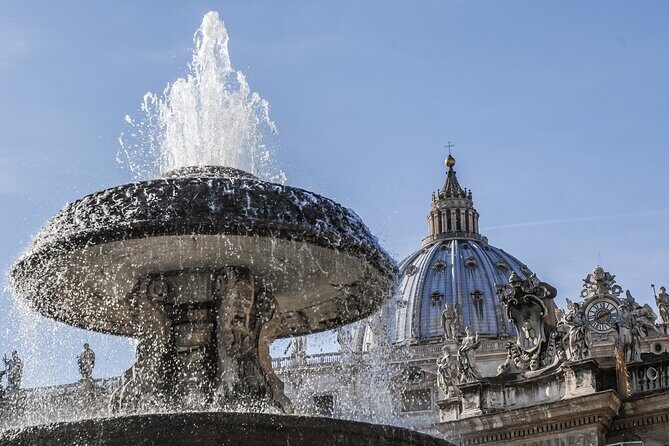
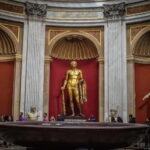
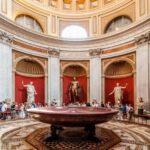
Next up is the Museo Pio Clementino, commissioned by Popes Clement XIV and Pius VI to house Greek and Roman masterpieces from the Vatican’s holdings. This stop is less about one single statue moment and more about understanding how the Vatican preserves classical art through time.
In the center is an octagonal courtyard with some of the most famous pieces people come to see. The “hits” here include:
- Apollo of the Belvedere: a 2nd-century A.D. Roman copy of a Greek bronze original (the original is associated with Athens).
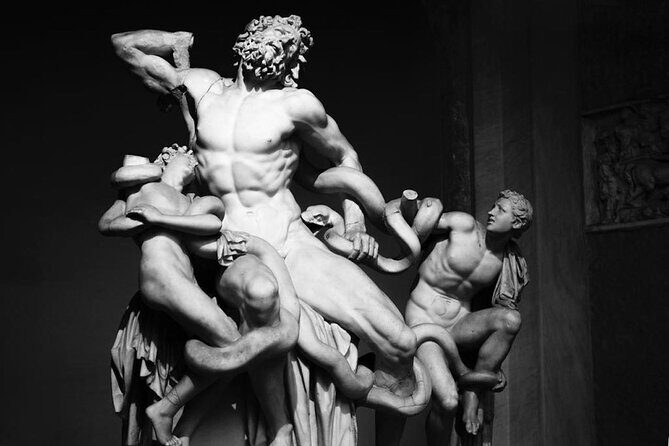
- Laocoön group: a 1st-century A.D. Roman copy related to the Greek story.
- Perseus with the head of Medusa by Canova (early 19th century).
- Hermes Pius-Clementine: a copy of a 4th-century B.C. Greek statue.
Why this stop is valuable: you start noticing patterns. The guide’s job is to connect myths, religion, and classical themes so you can recognize what you’re seeing instead of treating it like random sculpture.
If you love sculpture, this courtyard is a strong anchor point in a short visit.
Other Sistine Chapel tours at the Vatican & Rome
Gallery of Maps: The 120-Metre Corridor That Feels Like a Visual Lesson
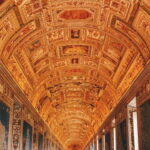
Now for one of the most specific and striking parts of the Vatican Museums: the Gallery of Maps. It’s a long corridor—120 metres long and about 6 metres wide—leading toward the Sistine Chapel.
The Gallery of Maps was commissioned by Pope Gregory XIII and created between 1580 and 1585, with fresco work by Italian and Flemish artists under the direction of Ignazio Danti (a mathematician, astronomer, and cosmographer). That’s a mouthful, but here’s the practical takeaway: this isn’t just decoration. It’s science, religion, and politics drawn as art.
You’ll see 40 maps covering Italian regions and the main cities. On the ceiling, religious events connected to each region are represented. In other words, geography is being used to tell a story about faith and power.
This is also a great place to use your headset properly. The guide’s explanation can turn a hallway of paintings into a meaningful route: you’re walking through a map-based worldview that existed centuries ago.
Sistine Chapel: Michelangelo’s Ceiling and the Most Important Rules
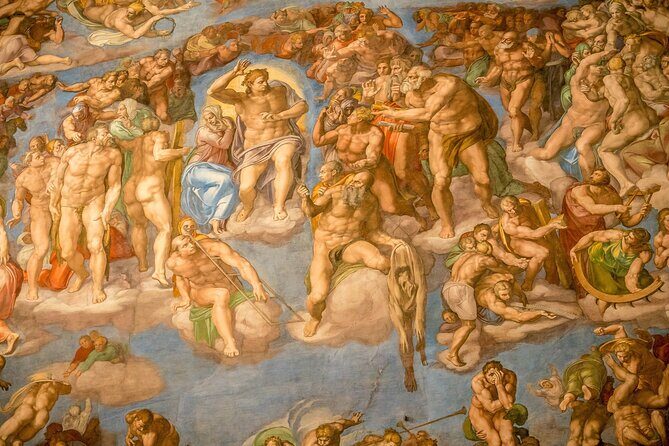
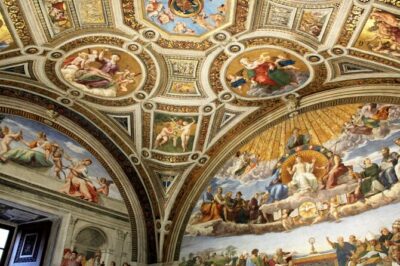
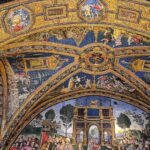
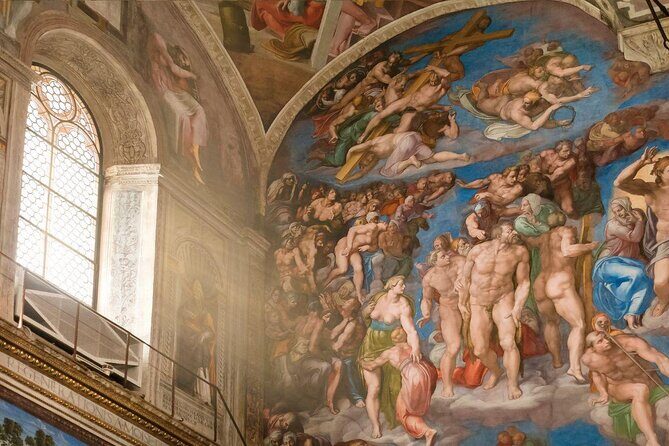
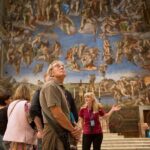
The Sistine Chapel is the big reason many people plan the Vatican. You’ll find Michelangelo’s frescoes across the vault and the back wall (including the Last Judgement above the altar).
You’re also seeing a living sacred space, not a dead museum room. The chapel has hosted papal ceremonies such as conclave-related activity and other official events, including baptisms.
How to make this moment work for you: go in mentally ready to look upward. The ceiling dominates, and the scale can feel unreal once you’re inside the chapel.
Also, treat the Sistine Chapel like a quiet zone. This is where the room’s rules and crowd behavior matter most. If the group feels a bit rushed, that’s usually because the Vatican keeps tight control of flow. Your best move is to focus on the key scenes you came for, then let your own eyes do the rest.
Tip from a common theme in the experience: use the toilets at the meeting point before you start, because your window for breaks shrinks as the day goes on.
St. Peter’s Basilica After the Museums: Free Time with Direct Access
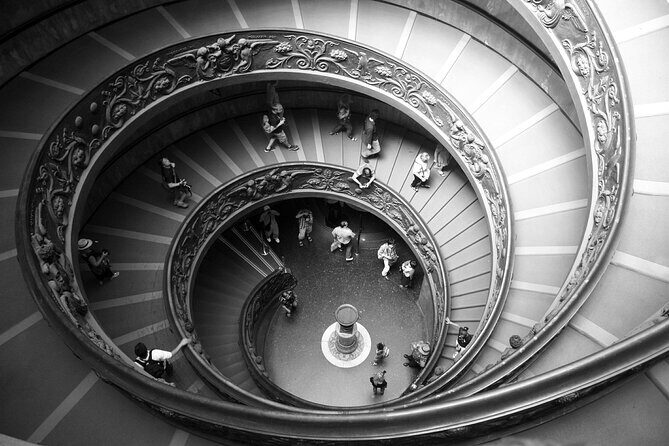
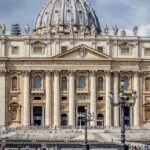
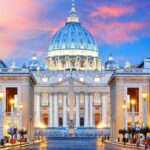
After the Sistine Chapel, you get direct access to St. Peter’s Basilica, using the entry path from inside the Vatican Museums. Once you’re in, you have free time to explore on your own.
That free time is a big deal. The Basilicas is so vast that if you try to “tour” it the way you tour a small museum, you miss the point. With your own time, you can choose your pace—whether that means heading straight for the most famous spaces or taking your time through chapels and viewpoints.
The tour includes St. Peter’s Basilica access when it’s open. If your travel dates include a day with limited hours, you should double-check before you assume you’ll have the full experience.
Before you go in, I’d quickly set a goal: pick two things you want to see in St. Peter’s (a centerpiece view, plus one specific area you’ve studied). That way your free time stays focused instead of turning into “too many choices” stress.
Headsets, Max 16, and Real-World Guide Quality
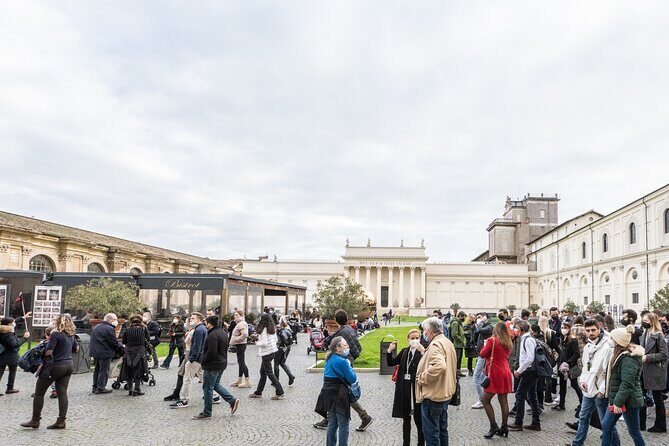
This tour is built around a Vatican State-licensed guide and radio headphone sets. When it works, it’s excellent: you can follow the explanations even as you move quickly between rooms.
The strongest praise tends to cluster around storytelling and keeping people together—guides who know how to connect art details to real context. Names that have appeared in top experiences include Pietro, Vincenzo, Natalia, Sofia, and Thomas. If you get one of these leads, you’ll likely find the experience more coherent and memorable.
Still, guide quality can vary, and that’s worth respecting. Some low-score experiences cite problems like poor English clarity, a monotone delivery, or difficulty keeping the group together. If you’re sensitive to those issues, look for your language comfort level and try to join with realistic pace expectations.
Price and Value: Is $110.06 Worth It?
At $110.06 per person for about 2.5 hours, the price isn’t just paying for entry. You’re paying for three things that cost time and energy without a guide:
- Skip-the-line entrance (huge at the Vatican)
- A licensed guide with live explanation
- A structured route through the most important museum stops, plus direct access into St. Peter’s Basilica
You also get a small-group setup (max 16) and practical extras like headsets, Wi‑Fi at the meeting point, and toilets there.
What’s not included is also clear: no snacks, food, or drinks. That matters because the Vatican route can feel physically and emotionally intense. Plan to eat before, carry water if allowed where you can, and avoid scheduling a long sit-down meal right after.
If your main goal is seeing the Sistine Chapel ceiling with good context while skipping the worst lines, the value is strong. If you want deep, slow museum reading, this price might feel like you’re paying for speed.
The Main Things That Can Go Wrong (So You Can Plan Around Them)
This tour is popular, so it can feel crowded. Some people report that the day can feel like “one of many groups” moving through at the same time, with limited room to linger in each room.
Another consideration: some experiences include long walks to the Vatican entrance area. One guest noted a 1–2 mile uphill walk from the start area and felt it wasn’t clearly warned. If mobility is an issue, or you’re traveling with someone who needs frequent breaks, plan early—consider a taxi strategy for the approach.
Then there’s pace. If you prefer standing still and reading every plaque, you may feel the route passes quickly and some rooms get more “on your way” treatment than deep focus. The workaround is simple: treat the guided portion as the fast orientation, then come back another time—or use extra time in St. Peter’s to slow down.
Who This Vatican Tour Fits Best
This is ideal for you if:
- You want Sistine Chapel context without spending hours in queues
- You like having a guide connect art, history, and religion in plain language
- You’re traveling with limited time in Rome and want a tight hit-list
- You’d rather move through with a plan than get lost in the Museums
It may not fit as well if:
- Your style is slow and contemplative for hours in one spot
- You strongly dislike crowds and controlled museum flow
- You need frequent breaks or struggle with uphill walking
Should You Book This Vatican Museums and Sistine Chapel Tour?
Yes, with the right expectations.
Book it if you want to trade frustration for structure: skip-the-line entry, a small group, headsets for clear storytelling, and a guided path that leads naturally into St. Peter’s Basilica. For many people, that’s the best way to experience Vatican highlights without turning your whole day into a queue.
Don’t book it if you’re chasing unhurried museum wandering. This tour gives you the big moments and context, but it’s still a short window in a very busy site.
A smart move: go in early if you can, and plan your pacing mindset as guided orientation first, slow exploration second.
FAQ
How long is the Vatican Museums and Sistine Chapel tour?
The duration is about 2 hours 30 minutes.
What’s included with the tour price?
It includes skip-the-line entrance, a licensed and certified guide with language explanation, radio headphone sets, direct passage to St. Peter’s Basilica using access from the Sistine Chapel, and admission ticket access for the included museum areas. Toilets at the meeting point and free Wi‑Fi at the meeting point are also included.
Is St. Peter’s Basilica included?
Yes, access to St. Peter’s Basilica is included when it is open, and you’ll have time to explore it on your own after entering.
Where do we meet and where do we finish?
You meet at Piazza Pio XII, 5, 00193 Rome (Vatican City area). The tour ends in St. Peter’s Square (Piazza San Pietro, 00120). You’ll meet the group again there at the end.
Do I need to bring headphones?
No. Radio headphone sets are provided as part of the tour.
How big is the group?
The group is limited to a maximum of 16 persons.
What should I bring since snacks are not included?
Snacks, food, and drinks are not included, so you should plan to eat or bring what you need separately.
Is there still a wait even with skip-the-line access?
Skip-the-line entrance is included, but access inside can still involve waiting with other tour groups due to controlled entry and flow.
What is the cancellation policy?
Free cancellation is available up to 24 hours before the experience start time for a full refund. If you cancel less than 24 hours before, the amount paid is not refunded.
What if the tour is canceled due to not meeting minimum travelers?
If it’s canceled because the minimum number of travelers isn’t met, you’ll be offered a different date/experience or a full refund.