REVIEW · ROME
Rome in a Day Tour Including Vatican Sistine Chapel Colosseum and All Highlights
Book on Viator →Operated by Private Tours of Rome · Bookable on Viator
One day, ten Roman icons. This art-history guided sprint ties the Colosseum, Forum, Pantheon, and Vatican into one plan, with tickets handled and a guide to keep the story straight. I love the art historian-guide who points out what most people miss, and I love the private-group feel that keeps questions from getting buried. The only real drawback is the walking pace—moderate fitness helps, and it’s still a fast day.
You start at Piazza del Colosseo at 9:30 am and end at St. Peter’s Square, so you’re not crisscrossing Rome all day. The tour runs about 6 hours and uses a mobile ticket, which helps when you’re moving through big sites. One thing to be flexible about: Vatican areas can close last minute due to pope activity, and the guide may adjust what you see.
In This Review
- Key things that make this tour work
- Is this 6-hour Rome plan enough time?
- Entering the Colosseum and going inside the action
- Roman Forum essentials, plus the arches people forget to notice
- Trevi Fountain timing: the quick splash and the lunch reality
- Marcus Aurelius Column and the government district stops
- Pantheon: one of the world’s best buildings, explained simply
- Piazza Navona and Bernini’s Four Rivers Fountain
- Vatican Museums and St. Peter’s Basilica: where the day becomes intense
- Sistine Chapel and the signed Pietà moment
- St. Peter’s Square finish: what to do with the last hour
- Price and value: what $663.74 buys you in real terms
- Comfort, dress code, and day-of rules that can affect entry
- Private-group attention: why the guide style matters here
- Who should book this tour, and who might not like it
- Should you book Rome in a Day?
- FAQ
- How long is the Rome in a Day tour?
- What sites are included?
- Are tickets included?
- Where does the tour start and end?
- What dress code do I need?
- What documents and items do I need to bring for entry?
Key things that make this tour work
- Art historian commentary: Expect explanation that links Roman politics, religion, and art, not just dates.
- Timed access at the Colosseum: You get reserved entry so you spend more time inside the amphitheater.
- A packed route, but not random: The stops are ordered to keep you moving efficiently from antiquity to the Vatican.
- Crowd-reading guides: Names like Sara, Tommaso, Claudia, and Francesco show up in feedback for adapting to weather and busy flows.
- Pacing with your input: The format is built for attention and questions, not a rushed blur with zero room to breathe.
Is this 6-hour Rome plan enough time?
This is the kind of tour I’d recommend when you want the headline sights but you don’t want to spend your whole trip glued to a phone map. In about 6 hours, you can cover the Colosseum and Forum area, do a quick hit at Trevi and the Pantheon, then reach the Vatican for museums, the Sistine Chapel, and St. Peter’s Basilica.
The trade-off is that you’ll be moving. Even though you can pause and look closely, you won’t linger for an hour at any single spot like you might on a slower private day.
Other Sistine Chapel tours at the Vatican & Rome
Entering the Colosseum and going inside the action
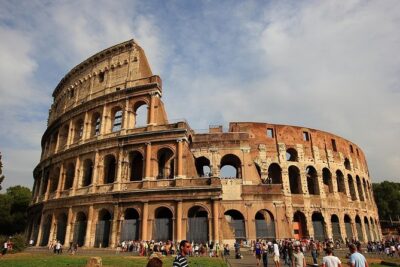
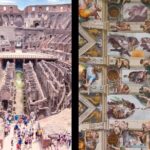
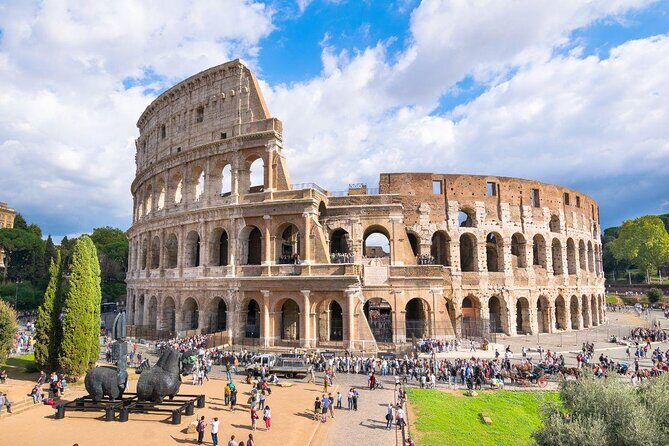
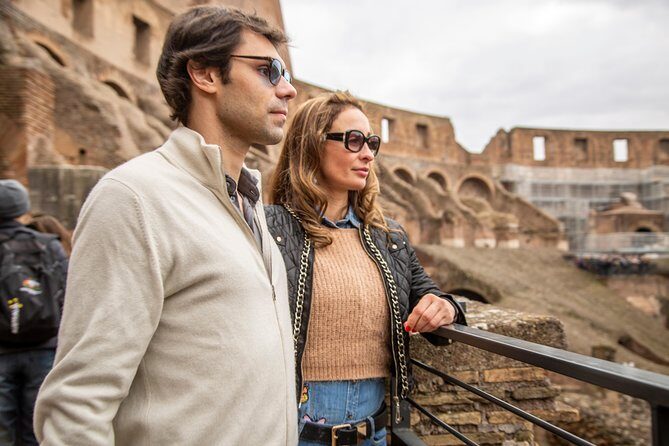
The day starts at Piazza del Colosseo, and your guide meets you at the Colosseum so you can head straight to the entrance process. Colosseum time is about 1 hour, including admission, with a reservation fee built in—small detail, big payoff when crowds are thick.
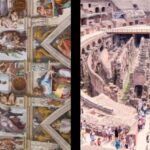
What makes this stop feel more than just sightseeing is the focus on how the amphitheater worked. You’re not only looking at Roman stone from the outside; you go into the field area and get help investigating what Ancient Rome’s biggest show venue was really like. That inside access changes the whole vibe.
If you’re the type who likes context, this is where the art-historian style pays off. Guides like Tommaso and Sara are singled out for making the place feel alive—like you understand not just that events happened, but what kind of spectacle it was.
Roman Forum essentials, plus the arches people forget to notice
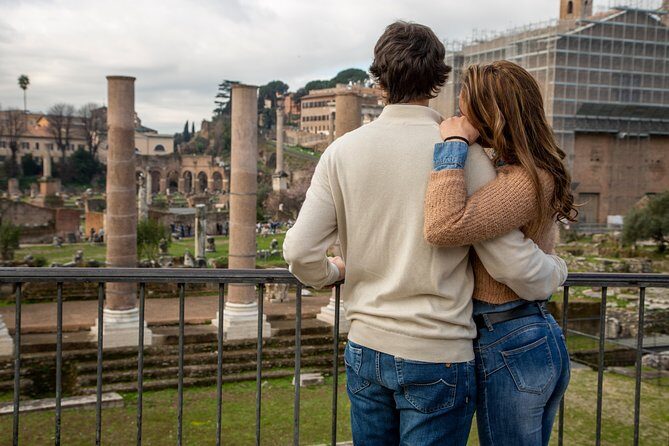
After the Colosseum, you move to the Roman Forum for about 30 minutes. This is a highlight sprint through power, religion, and daily political life—right around the core spaces where Rome decided things.
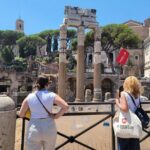
You’ll follow your guide past big monuments and named structures, including the Arch of Constantine and the Roman Forum’s focal areas. The route also includes the Arch of Titus, the House of the Vestal Virgins, the Temple of Saturn, the Senate House, and the Arch of Septimius Severus. You’ll then connect through the Sacred Way to reach viewpoints near Capitoline Hill and the Vittoriano.
A good Forum tour is about helping you see layers. The Forum is confusing if you’re on your own, because it’s huge and the remains are scattered. With a guide steering the order, you get a mental map fast and your eyes start catching the details that tell the story.
Trevi Fountain timing: the quick splash and the lunch reality
Trevi Fountain is next, with about 30 minutes on the agenda. It’s famous because it shows up everywhere, including Fellini’s La Dolce Vita, and your guide can help you see it as more than a postcard moment.
There’s also a built-in reset here. You can rest and grab lunch at your own expense, with plenty of food options nearby—pizza, sandwiches, or a sit-down meal if you want to slow down for a bit. Admission here is free, which helps keep the ticket load simple for this stop.
If you’re chasing iconic photos, manage expectations: this is a busy place. Your best move is to focus on seeing it, not just waiting for the perfect shot.
Marcus Aurelius Column and the government district stops
After lunch, you head toward the Government District for a short stop at the Column of Marcus Aurelius. Time is about 10 minutes, which keeps the day on schedule while still giving you a meaningful Roman landmark.
Near it, you’ll also see the Temple of Hadrian, built by Antoninus Pius in honor of his ancestor. This is one of those moments where you get a quick “how Rome’s leaders used monuments” lesson without turning the day into a long detour.
Other Vatican plus Colosseum combo tours at the Vatican & Rome
Pantheon: one of the world’s best buildings, explained simply
The Pantheon gets about 30 minutes and includes admission. This stop is special because it’s not only visually striking—it’s also easy to understand when someone points out what you’re looking at.
Your guide will also note that Raphael, the Renaissance painter and architect, lies buried here. That detail turns the Pantheon into a bridge between eras: Roman engineering on the outside, Renaissance legacy inside and around the space.
Even if you think you already know the Pantheon from photos, don’t skip the guided angle. This is the kind of building that rewards attention to structure and proportion, and your time here will feel more purposeful with commentary.
Piazza Navona and Bernini’s Four Rivers Fountain
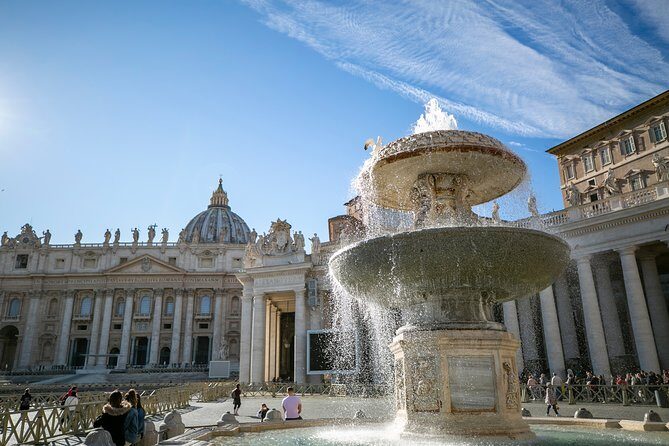
Next up is Piazza Navona, about 20 minutes. The tour route passes the Ancient Baths of Nero on the way, then you focus on the Fountain of the Four Rivers by Bernini.
This square is a great break after the big-ticket monuments. It’s open-air and lively, and your guide’s framing helps you connect the fountain’s drama to the way Renaissance and Baroque artists shaped public space.
If you’re visiting Rome with kids or teens, this is often a crowd-pleaser stop because it’s visual, open, and easy to enjoy without needing heavy concentration.
Vatican Museums and St. Peter’s Basilica: where the day becomes intense
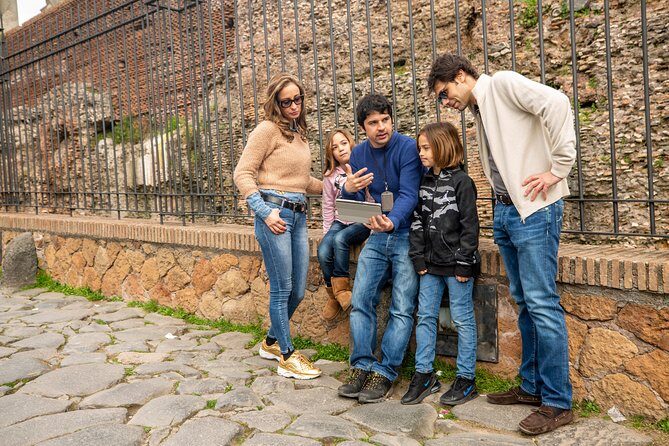
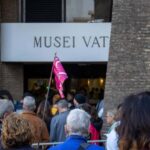
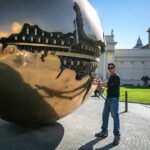
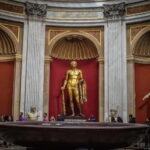
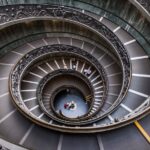
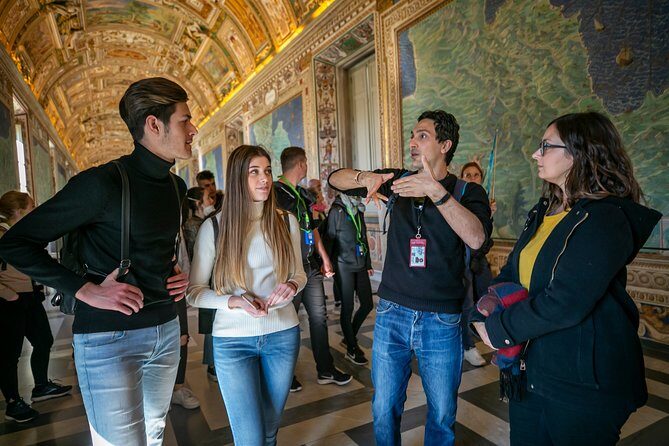
The Vatican portion starts with Vatican Museums for about 2 hours. After that you move to the Sistine Chapel for roughly 15 minutes, then finish St. Peter’s Basilica with about 30 minutes.
Here’s the key thing: this segment is tightly timed. It’s enough time to see the major works, but you won’t have hours to wander. If you like art and architecture, you’ll probably love the density.
One practical note you should take seriously: pope-related mass events can close areas last minute. If the Sistine Chapel and/or St. Peter’s Basilica become inaccessible, the guide will provide a valuable alternative focusing on what’s available inside the Vatican Museums. That flexibility is built into the tour plan.
Sistine Chapel and the signed Pietà moment
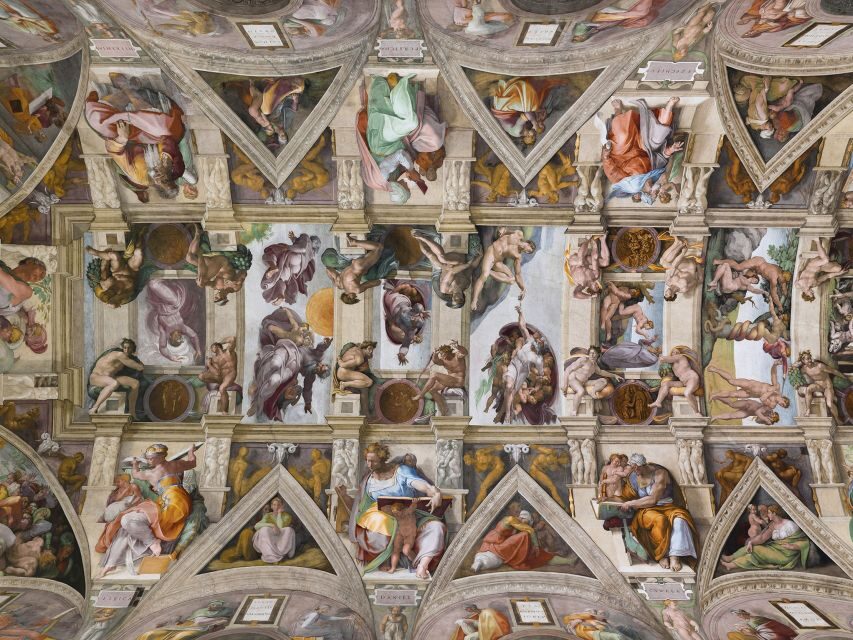
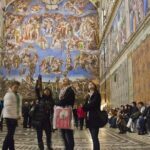
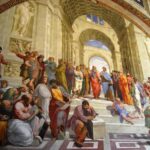
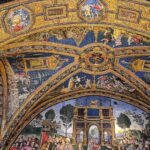
Inside the Vatican museums, the Sistine Chapel is the big artistic climax. You’ll see Michelangelo’s most acclaimed works, including the Sistine Chapel roof, plus Raphael’s frescoes and the pope’s apartment areas.
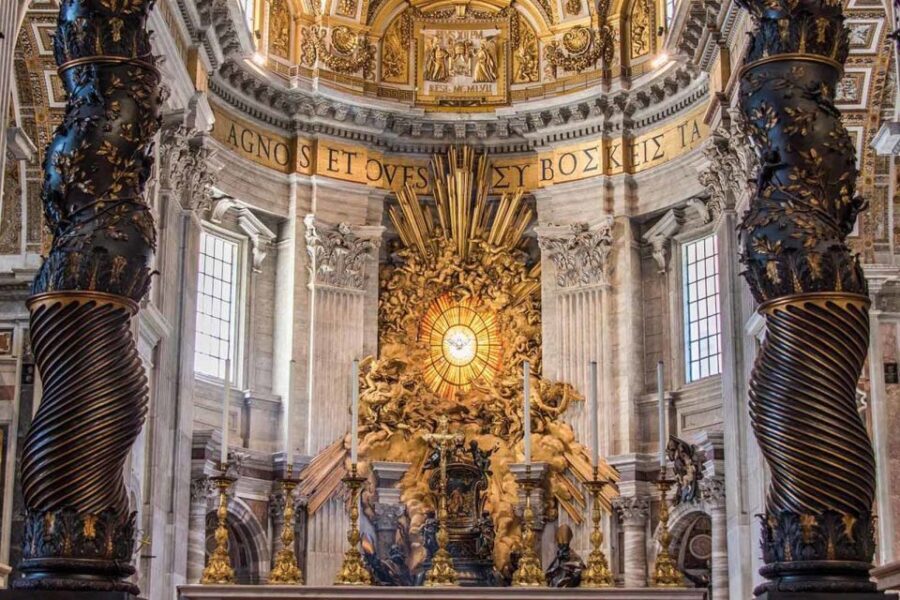
Then comes St. Peter’s Basilica. Your guide will walk you through side chapels and even point out hidden crypts. You’ll see Michelangelo’s Pietà, and the guide will explain why it is the only work he signed—an unusual detail that makes the art feel personal rather than purely historic.
Guides such as Sara and Francesco are praised for keeping the energy warm even when weather or crowds try to derail the vibe. That matters here because the Vatican can feel like sensory overload without a thread tying it all together.
St. Peter’s Square finish: what to do with the last hour
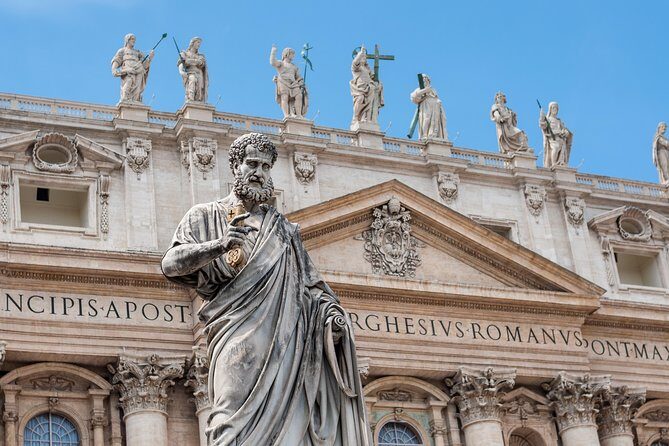
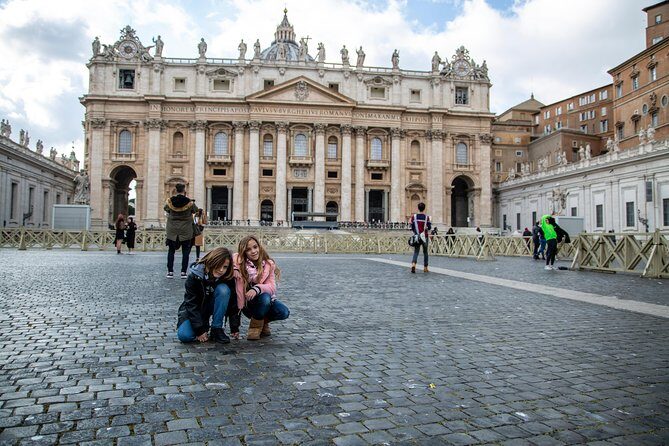
Your tour ends in St. Peter’s Square. It’s about 15 minutes, which is enough time to take in the scale and orient yourself after the indoor intensity.
Use those final moments to decide what you want next: a slower Vatican stroll if you’re energized, or a simple plan for dinner and rest if you’re running on fumes. Either way, having the tour end here is convenient since it’s a natural anchor for your next step.
Price and value: what $663.74 buys you in real terms
At $663.74 per person for a tour that runs about 6 hours, you’re paying for organization, access, and expert interpretation—not just transportation from stop to stop.
Here’s where the value shows up:
- Colosseum admission and a reservation fee are included.
- A professional art historian guide and a walking tour are included.
- Local taxes are included.
- Several other major admissions are listed as included throughout the day, while Trevi and some street-level stops are free.
The note also clarifies that the remaining cost covers other services beyond just ticket prices. For a day that strings together antiquity and the Vatican with timed entry, that’s the real benefit: less time sorting logistics and more time understanding what you’re seeing.
If you’re traveling with friends and want to split costs, the tour is also marketed with group discounts, which can make the per-person rate feel less painful.
Comfort, dress code, and day-of rules that can affect entry
This is a walking-heavy day, and it’s important to wear shoes you trust. The tour asks for moderate physical fitness, and the itinerary includes multiple site transfers.
The dress code is strict for places of worship and selected museums. No shorts or sleeveless tops. Knees and shoulders MUST be covered for both men and women, or you risk refused entry. That’s not a guess—this is the kind of rule that gets enforced.
You also need to bring an FFP2 mask, and social distancing needs to be maintained. The tour info also says you should bring your own mask.
For the Colosseum and Roman Forum, you must present a valid passport or ID that matches the name provided at booking. The group must provide full names in advance, and missing details can mean denied entry.
Private-group attention: why the guide style matters here
This is a private tour/activity where only your group participates. That changes the experience compared with large bus tours, especially at places where people cluster and questions multiply.
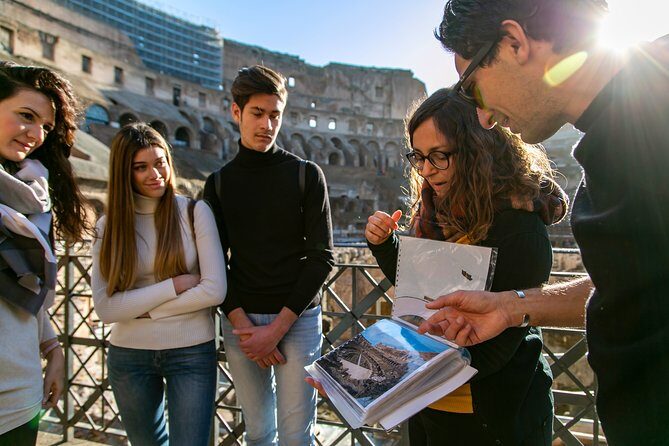
The best feedback points toward guides who do more than list facts. In past tours, guides like Claudia have been noted for working well with kids, and Paola for reading the crowd and adjusting to what the group wanted. Max has been praised for using old-and-new photos to make ancient spaces easier to picture. Tommaso and Francesco are repeatedly described as prompt, personable, and able to shape the day to your pace.
Even if your guide isn’t one of those exact names, the style matters: clear explanations, good timing, and the ability to adjust when conditions change.
Who should book this tour, and who might not like it
Book it if you fit one of these profiles:
- First-time visitors who want the big monuments without wasting days on planning.
- History buffs who like context and how stories connect across centuries.
- Families with older kids who can handle walking and museum rules.
You might skip it if:
- You want slow, unhurried time at museums.
- You strongly dislike crowds or walking between tight schedules.
- You need long bathroom breaks and extended sitting time at major sites.
This tour is built for momentum. If that sounds like your style, it’s a strong match.
Should you book Rome in a Day?
If you only have one day and you want Colosseum, Forum, Pantheon, and Vatican art in a single guided sweep, this is a practical way to make it happen. The biggest advantage is the guide framing: you won’t just see famous sights, you’ll learn how they connect.
My decision rule is simple: if you can handle a fast walking day and you’re ready to follow dress-code and entry rules, you’ll likely get a lot of value for the money. And if Vatican closures happen on the day, the tour already plans for an alternative inside the museums, so you’re not left holding your ticket.
FAQ
How long is the Rome in a Day tour?
It lasts about 6 hours.
What sites are included?
The tour includes the Colosseum, Roman Forum, Trevi Fountain, the Column of Marcus Aurelius, the Pantheon, Piazza Navona, Vatican Museums, the Sistine Chapel, St. Peter’s Basilica, and St. Peter’s Square.
Are tickets included?
Colosseum admission is included, and the Colosseum reservation fee is included. Admission tickets are also included for the Pantheon, Vatican Museums, Sistine Chapel, and St. Peter’s Basilica. Trevi Fountain and some stops are free.
Where does the tour start and end?
It starts at Piazza del Colosseo, 23, 00184 Roma RM, Italy, and ends at St. Peter’s Square, Piazza San Pietro, 00120.
What dress code do I need?
You must cover knees and shoulders. Shorts and sleeveless tops are not allowed. This applies to places of worship and selected museums.
What documents and items do I need to bring for entry?
Bring a valid passport or ID document that matches the name used at booking for entry to the Colosseum and Roman Forum. Bring your own mask, and an FFP2 mask is required.