REVIEW · ROME
Rome: Excursion to the Vatican Museums
Book on GetYourGuide →Operated by mmm tours srls · Bookable on GetYourGuide
The Vatican can feel overwhelming. This 2.5-hour guided circuit keeps it focused, with skip-the-line access and expert commentary aimed at the big visual moments and the art details you’d miss alone. You also get the practical payoff of pairing the museums with St. Peter’s Basilica, so the day makes sense instead of turning into a chaotic museum sprint.
I like two things most. First, the route is built around iconic stops that actually help you connect the dots: the Belvedere statues (like Apollo and the Laocoön scene) and Michelangelo’s fresco subjects. Second, the setup is rider-friendly: you wear headsets for the live guide, so you don’t have to hunt for explanations inside crowded rooms.
One consideration: the Sistine Chapel may be closed due to Vatican circumstances leading up to a papal conclave, so your experience may shift toward the other museum areas that remain open. If you’re coming mainly for the Sistine ceiling, it’s worth checking the on-the-day status before you lock your expectations.
In This Review
- Key things to know before you go
- Why the Vatican Museums + St. Peter’s Basilica combo is worth it
- Meeting at Via Santamaura, 12 and how the time window feels
- Vatican Museums highlights: Courtyard of the Pigna, Chiaramonti, and Palazzo Belvedere statues
- Courtyard of the Pigna
- Chiaramonti and Palazzo Belvedere
- Gallery of Tapestries and Gallery of Maps: power shown as art and information
- Gallery of Tapestries
- Gallery of Maps (and ancient cartography)
- Raphael Rooms and the Gallery of Candelabra: art made for big names
- Gallery of the Candelabra
- Raphael Rooms painted for Pope Julius II
- Sistine Chapel timing: Michelangelo’s ceiling if it’s open
- Skip-the-line St. Peter’s Basilica: Bernini, tombs, mosaics, and the Holy Gates
- Practical tips that keep your visit smooth (and respectful)
- Dress code: shoulders and knees
- Bags and what not to bring
- Russian guide + headsets
- Price and value: what $113.29 buys you
- Who should book this tour (and who should not)
- Should you book this Vatican Museums excursion?
- FAQ
- How long is the Vatican Museums and Sistine Chapel excursion?
- Where is the meeting point?
- Does the tour include skip-the-line access?
- Which languages is the live guide available in?
- What are the main highlights included in the visit?
- What should I wear in summer?
- Are bags allowed?
Key things to know before you go
- Skip-the-line entry into the Vatican Museums plus access to St. Peter’s Basilica
- Headsets included, so your Russian guide stays easy to hear in busy rooms
- Major art stops in a tight sequence, from Courtyard of the Pigna to the Raphael Rooms
- Clear visual themes, including ancient statuary, 16th-century tapestries, and world maps
- Sistine Chapel status can change, with Vatican officials controlling access during conclave-related closures
- Summer dress rule matters: shoulders and knees must be covered
Why the Vatican Museums + St. Peter’s Basilica combo is worth it
The Vatican is not just one attraction. It’s a pile of worlds—Roman sculpture, Renaissance painting, church power, and architecture on a grand scale—all in one compact radius. This tour tries to give you a readable storyline instead of random walking.
What I find useful here is the pairing. You start with the Vatican Museums’ art machine, then you move to St. Peter’s Basilica, where the same institutions show up again through sculpture, mosaics, tombs, and liturgical spectacle. If you want the quick “how the Catholic Church shaped art at every stage” takeaway, this format helps.
And because you’re guided, you’re not stuck decoding everything by yourself. Even if you only catch a few key points, the rooms make more sense: you notice subject choices, who commissioned what, and why certain artworks get repeated in the Vatican’s visual language.
Other Vatican Museums tours we've reviewed at the Vatican & Rome

Meeting at Via Santamaura, 12 and how the time window feels
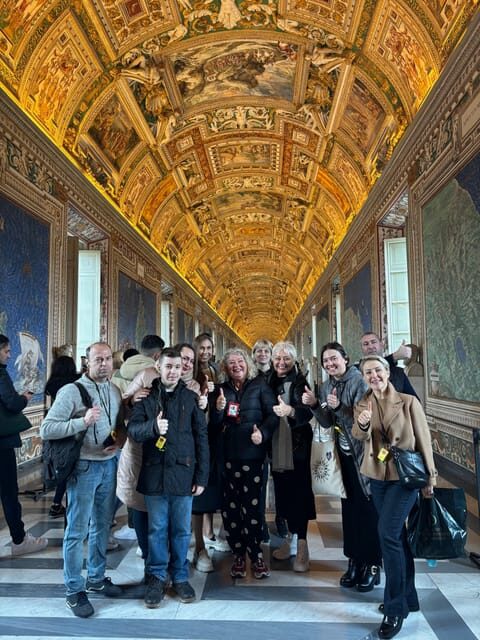
This starts at Via Santamaura, 12. From there, you’re in guided mode right away, with focused time blocks at each highlight area. The total duration is listed as 2.5 hours, so you’ll be moving at a steady pace.
That pacing is a feature if you like structured “see the essentials” travel. It’s not ideal if you want long, slow museum wandering, photo-by-photo studying, or lots of extra sidetrips. For a first visit, though, it’s a smart match: you get major rooms and you leave with a mental map.
Headsets make a real difference. When you’re in galleries with crowds, sound can vanish. With the guide’s audio piped to your ears, you’re more likely to follow the story as you walk, not just stare at whatever happens to be closest.
Vatican Museums highlights: Courtyard of the Pigna, Chiaramonti, and Palazzo Belvedere statues
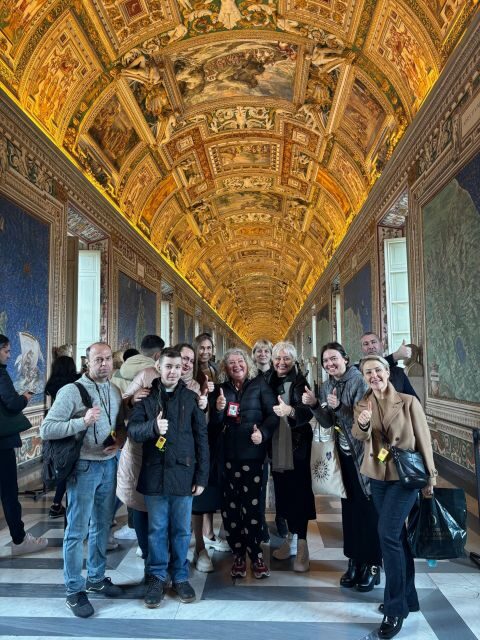
Your museum portion covers the “greatest hits” spaces that set the tone fast. You begin with the broader Vatican Museums area, then you move into signature sculpture territory.
Courtyard of the Pigna
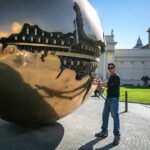
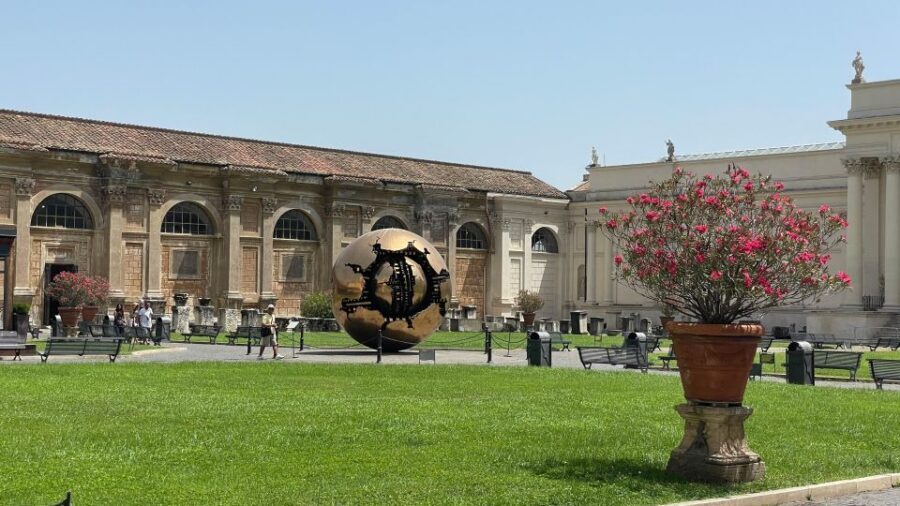
In the Courtyard of the Pigna, you get one of those visual resets that makes the museum feel less like endless corridors. It’s designed to give your eyes a moment to breathe, then it pulls you back into the idea of Rome and the Roman world feeding the Vatican’s art collection.
Chiaramonti and Palazzo Belvedere
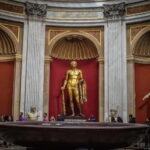
The heart of the sculpture experience is Palazzo Belvedere, along with related museum spaces like Chiaramonti. This is where you see ancient statuary in a way that teaches you what Renaissance and Baroque artists were looking at.
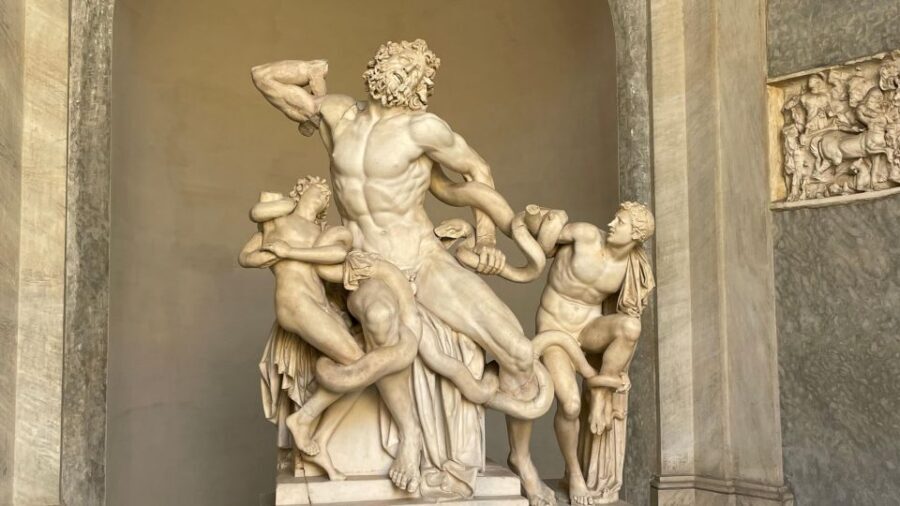
The tour specifically spotlights the ancient figures including Apollo, the Laocoön group, and the Belvedere Torso. Even if you only recognize one name, it helps to know what those works represent:
- They show the Vatican’s status as a major collector of classical sculpture.
- They explain why Renaissance artists treated these bodies and poses as study material, not just decoration.
- They show how “ancient Rome” became a visual backbone for later centuries.
If you care about art history connections, this is one of the best values in the whole package: the tour doesn’t just point at famous sculptures. It frames why those sculptures mattered.
Other museum experiences in Rome
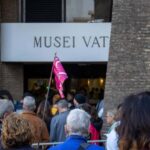
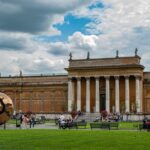
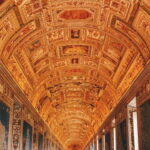
Gallery of Tapestries and Gallery of Maps: power shown as art and information
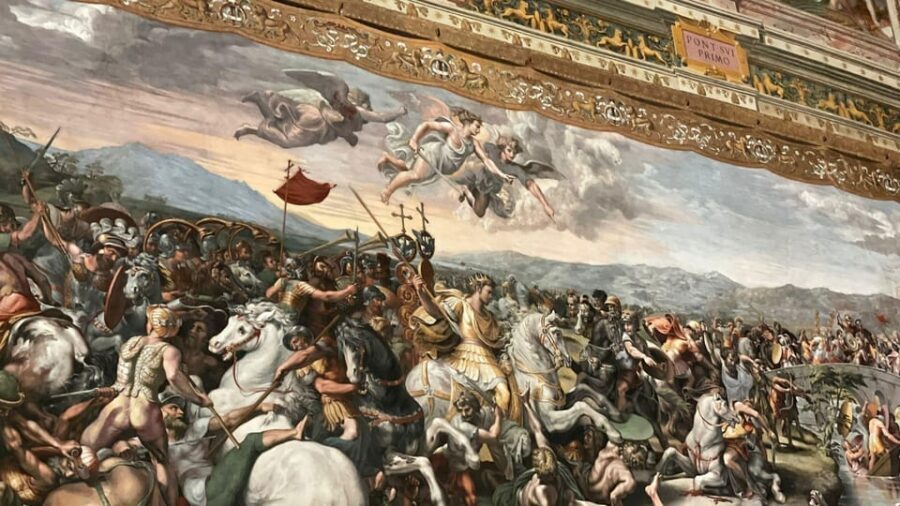
Next you move into two rooms that feel very different—but both are about control and worldview.
Gallery of Tapestries
In the Gallery of Tapestries, you’re looking at 16th-century woven works created from designs by Raphael’s pupils. This matters because tapestry isn’t only about beauty. It’s also about status: expensive labor, high-level training, and art that could cover walls with story and authority.
If you’ve only seen paintings, a room like this helps you understand that Renaissance influence wasn’t limited to canvas. It moved into textiles and architecture, spreading images across space.
Gallery of Maps (and ancient cartography)
Then you get the Gallery of Maps, with stunning ancient cartography. This is where the Vatican Museums surprise people. It’s not only religious art. It’s also a visual way of understanding the world—scale, location, and knowledge presented as something worth displaying.
You also continue into the Raphael Rooms, which connect strongly to that theme of commissioned learning and political-religious messaging.
Raphael Rooms and the Gallery of Candelabra: art made for big names
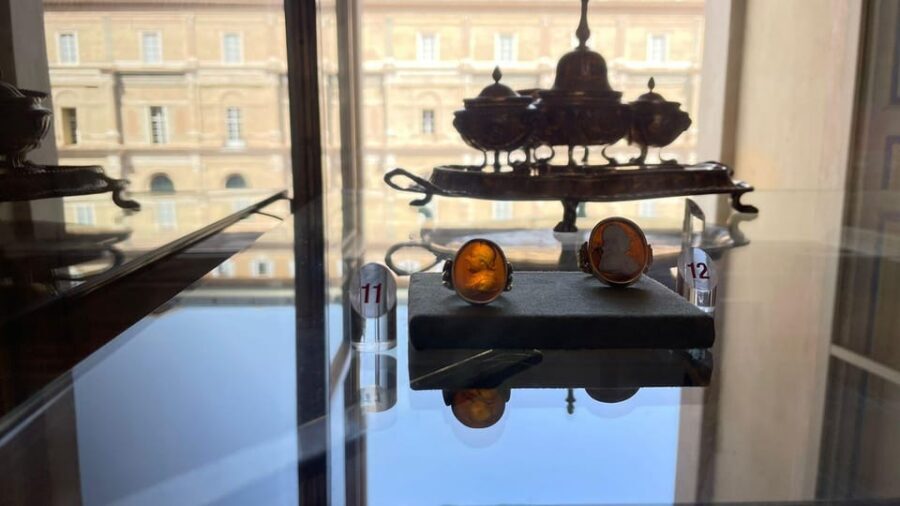
The tour includes both the Gallery of Candelabra and the Raphael Rooms, with short guided time blocks that keep things moving.
Gallery of the Candelabra
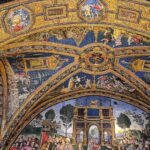
The Gallery of the Candelabra gives you architectural ornament and sculptural-looking decoration—an art style that reminds you how the Vatican treats art like interior theater. If you like ceilings, frames, and decorative systems (not just paintings), this stop will satisfy.
Raphael Rooms painted for Pope Julius II
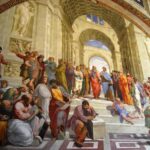
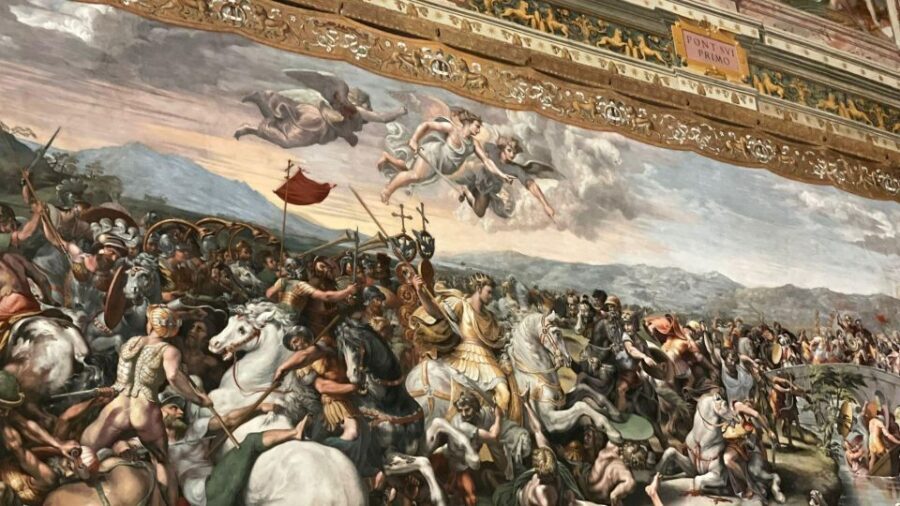
The Raphael Rooms are tied to Pope Julius II, and the tour focuses on that authorship. If you remember nothing else, remember this: those rooms were painted for a specific papal patron, so the imagery isn’t random. It was designed to communicate ideas tied to authority and belief.
Even with limited time, you’ll likely feel the “designed as a set” approach: one room leads to another, and the guide helps you notice what to look for first.
Sistine Chapel timing: Michelangelo’s ceiling if it’s open
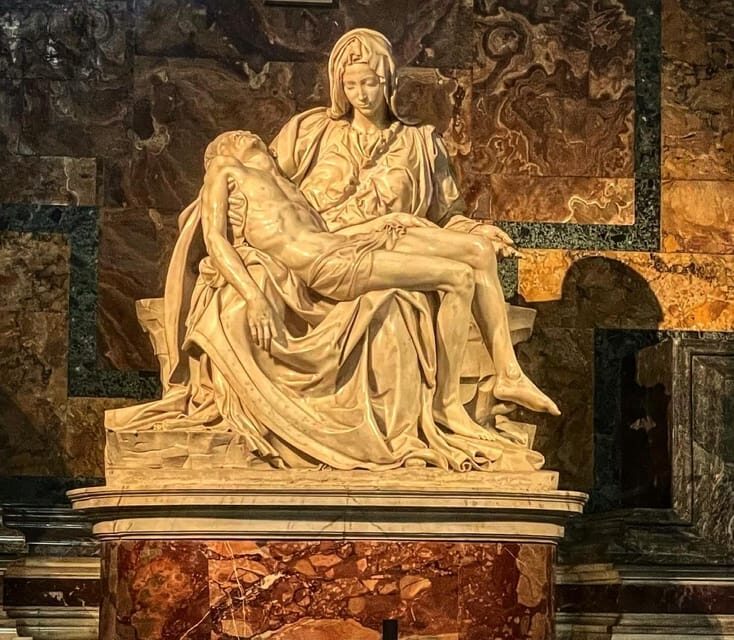
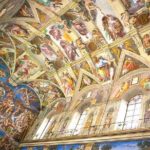
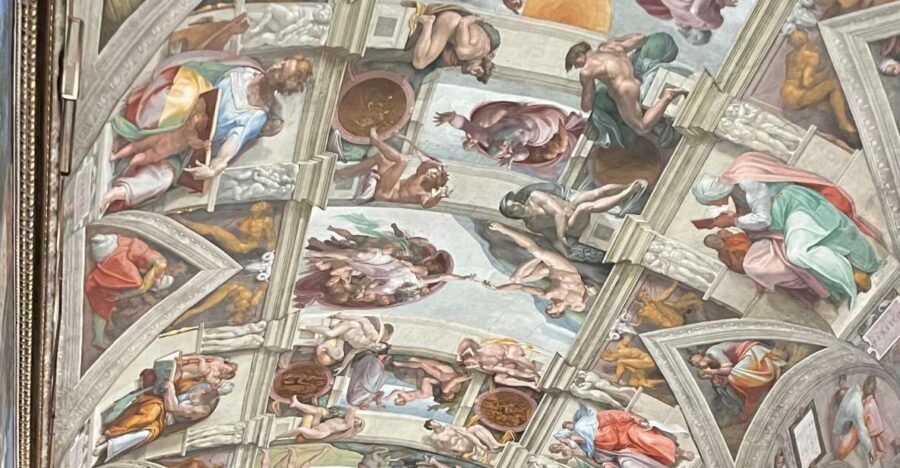
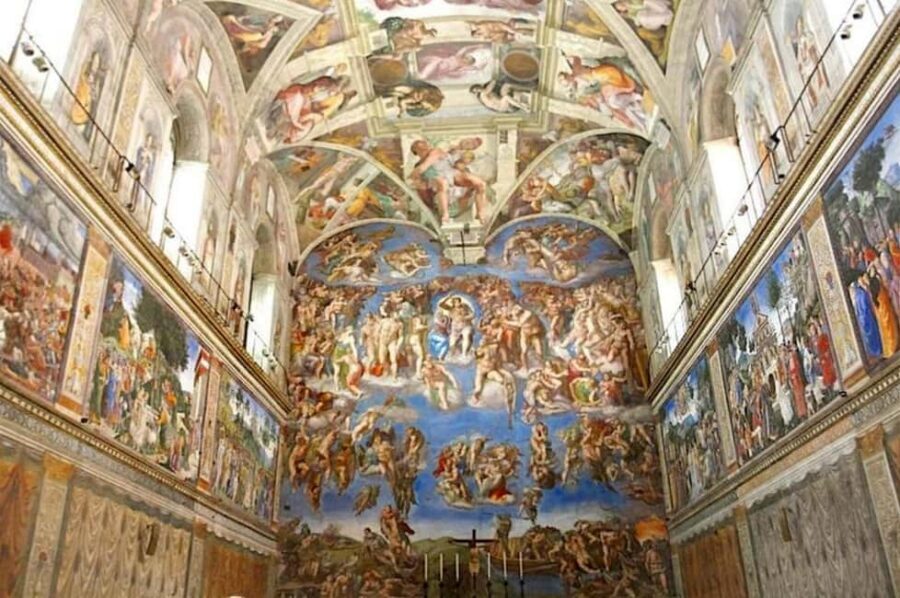
This is the stop most people plan around. The tour includes time in the Sistine Chapel to see Michelangelo’s frescoes, including subjects such as The Creation of Adam and The Last Judgment.
But there’s an important reality check. Due to Vatican circumstances—specifically a period involving a pope’s passing and the approach of a papal conclave—the Sistine Chapel can be closed until Vatican officials reopen it. In that case, your tour remains valid for the Vatican Museums and other accessible areas.
So here’s the smart move: plan for the Sistine Chapel as the top bonus, not the sole reason to attend. If it’s open, great—you’ll get the iconic ceiling experience. If it’s closed, you won’t be abandoned; you’ll still cover the museum highlights that give context to the Vatican’s art world.
Skip-the-line St. Peter’s Basilica: Bernini, tombs, mosaics, and the Holy Gates
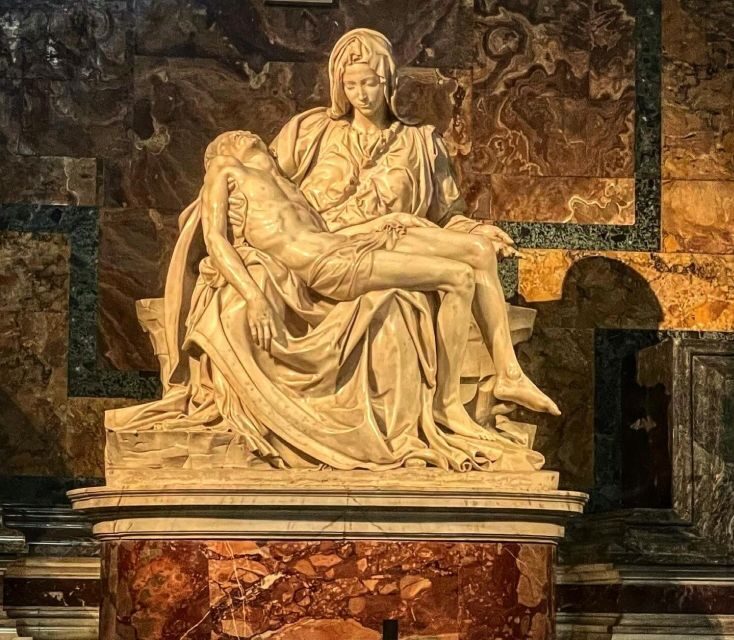
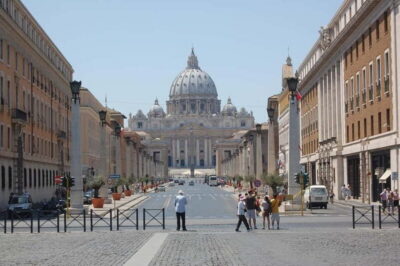
After the museums portion, you use included access to St. Peter’s Basilica, built over the tomb of the Apostle Peter. The tour notes it took over 120 years to complete and involved key Renaissance and Baroque architectural contributions.
This is where you see how Vatican art and faith become a single experience:
- You’ll see the tombs of the popes, reinforcing the site’s role as a power center across centuries.
- You’ll pass through intricate Vatican mosaics, which help you understand the Basilica as a visual environment, not a single monument.
- You’ll visit the Holy Gates, a ritual focal point that gives the church’s symbolic role a physical place in the visit.
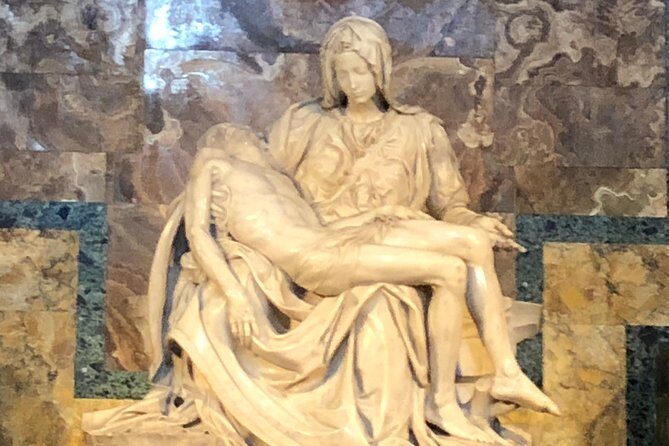
The tour also highlights Bernini’s grand altar. If you’ve ever wondered why Bernini gets treated like a rock star of Baroque art, it’s because he was designed to move people emotionally through space—light, structure, and drama. In a place this scale-heavy, that kind of design thinking becomes obvious.
You’ll also continue to recognize Michelangelo’s genius as both sculptor and architect—again, connecting the museum story to the Basilica’s built reality.
Practical tips that keep your visit smooth (and respectful)
Dress code: shoulders and knees
A key pre-trip rule: in summer, shoulders and knees must be covered. This isn’t optional. If you’re traveling with shorts and a tank top, bring something light to cover up.
Bags and what not to bring
Bags are not allowed. That can affect what you pack for the day—especially if you usually carry a larger camera bag or daypack. Keep it minimal so you don’t run into refusal at security.
Also noted: alcohol and drugs aren’t allowed. You already know that, but it’s good to see it spelled out.
Russian guide + headsets
The live tour guide is listed as Russian, and you also get headsets. If you don’t speak Russian, you’ll still benefit from visual pointing and guide structure, but your understanding will depend on how the commentary supports the images you’re seeing.
Headsets help even when you only catch fragments, since you’re less dependent on hearing over crowds.
Price and value: what $113.29 buys you
At $113.29 per person for about 2.5 hours, you’re paying for speed, structure, and access—not just “a walk through rooms.”
The value levers are:
- Skip-the-line access to the Vatican Museums, which matters because waiting time here can crush a short visit.
- Access to St. Peter’s Basilica, so you’re not paying extra or scheduling extra on your own.
- Live guide plus headsets, which improves the odds you’ll actually learn something while moving.
The tradeoff is that this is a highlights-first tour, not a slow study session. If your idea of a perfect day is lingering in a single chapel or taking hours on details, you might feel the time limits.
The guide element is also a big part of the value. One of the guide names you may encounter is Kristina, noted for professionalism and an engaging, cozy atmosphere that pulls participants into the explanations instead of reciting dates like a robot.
Who should book this tour (and who should not)
This tour fits you best if:
- You want a first-time, high-impact Vatican visit with the big rooms and major works.
- You care about context, not only photos.
- You prefer a guided route where each room connects to the next.
It may not fit if:
- You want long free time inside the Vatican Museums and Sistine Chapel.
- You’re traveling mainly for the Sistine Chapel ceiling and can’t tolerate possible closure.
- You’re a solo traveler who wants complete independence and doesn’t want a set pacing.
If you’re visiting in a group that would enjoy a structured flow, this is usually a good match.
Should you book this Vatican Museums excursion?
If you want a practical, art-focused Vatican experience that respects your time, I’d say yes—with one caveat. Your decision should hinge on the Sistine Chapel status. If it’s open, you’ll get the ceiling’s biggest scenes and a guided art-history chain linking museums to St. Peter’s.
If it’s closed, you still come away with meaningful museum highlights, plus the included St. Peter’s Basilica experience. In both scenarios, the skip-the-line setup and headset clarity are the “value glue” that make this tour feel worth paying for instead of just spending your day in lines and confusion.
So: book if you like structure and clear highlights, and check Sistine access expectations close to departure.
FAQ
How long is the Vatican Museums and Sistine Chapel excursion?
The duration is listed as 2.5 hours, with starting times depending on availability.
Where is the meeting point?
The starting location is Via Santamaura, 12.
Does the tour include skip-the-line access?
Yes. It includes skip-the-line access to the Vatican Museums, and it also provides access to St. Peter’s Basilica.
Which languages is the live guide available in?
The live tour guide is listed as Russian.
What are the main highlights included in the visit?
You’ll see the Vatican Museums with stops like the Courtyard of the Pigna, Gallery of Maps, Gallery of Tapestries, Gallery of the Candelabra, Raphael Rooms, and the Sistine Chapel if open.
What should I wear in summer?
Shoulders and knees must be covered in summer.
Are bags allowed?
No. Bags are not allowed.
You Might Also Enjoy
More Tours in Rome
More Tour Reviews in Rome
- Skip-the-Line Group Tour of the Vatican, Sistine Chapel & St. Peter’s Basilica
★ 4.5 · 12,779 reviews