REVIEW · VATICAN CITY
Rome Small-Group Shared Tour from Civitavecchia: 8 People Max
Book on Viator →Operated by Driverinrome · Bookable on Viator
Rome in one day can work surprisingly well. This semi-private tour uses a small-group minivan to hit major sights fast, including viewpoints and spots where big buses can’t reach. You’ll get driver commentary from the vehicle and tight time on key landmarks like Janiculum Hill, Trevi Fountain, the Pantheon area, Piazza Navona, and St. Peter’s Square.
I especially like two things about it. First, it’s built for comfort and speed: air-conditioned vehicle service with port pickup and a guaranteed return to the ship on time. Second, you’re not stuck on the “big bus loop.” In the real world, drivers such as Matt and Ricardo are praised for getting close for photos and keeping the day moving. One thing to keep in mind: admission fees are not included, and some stops are brief. The Pantheon interior costs extra if you want to go inside.
In This Review
- Highlights that matter in real life
- Why This Mini-Van Rome Tour Works on a Cruise Day
- Price and Value: What $167.96 Covers (and What It Doesn’t)
- Getting Picked Up in Civitavecchia Without Losing Your Time
- The Van-Commentary Rule: How to Get the Most From the Driver
- Start at Janiculum Hill: Panoramas and the Garibaldi Statue
- Tiberina Island and the Arch of Constantine: Small Details, Big Context
- Circus Maximus and Domus Augustana: Chariot Racing Ground
- Teatro Marcello and the Roman Forum From the Capitoline Side
- Piazza Venezia, the Victor Emmanuel Monument, and Mussolini’s Balcony
- Trevi Fountain and the Pantheon: The Two Stops You’ll Remember
- Piazza Navona: Baroque Rome at a Human Scale
- St. Peter’s Square: Timing, Dress Code, and the Vatican Boundary
- Pacing: What 9 Hours Feels Like in Rome
- Extras That Can Make It Feel More Personal
- Who This Tour Fits Best (and Who Should Skip It)
- Should You Book This Rome Shore Excursion?
- FAQ
- Are admission tickets included in the tour price?
- Is the Vatican Museums included?
- Can I visit the Pantheon interior?
- How long do I get at the main sights?
- What about tour guide commentary once we step outside?
- Where is the pickup point in Civitavecchia?
- What if mass is taking place in St. Peter’s Basilica?
Highlights that matter in real life
- 8 people max keeps the day calmer than big-bus chaos
- Driver commentary from the van means you hear the story without rushing into crowds
- Short, practical stop times help you see a lot without feeling wiped out
- Iconic sights plus smart positioning means more looking, less walking
- St. Peter’s timing matters if you’re trying to avoid peak bottlenecks
Why This Mini-Van Rome Tour Works on a Cruise Day
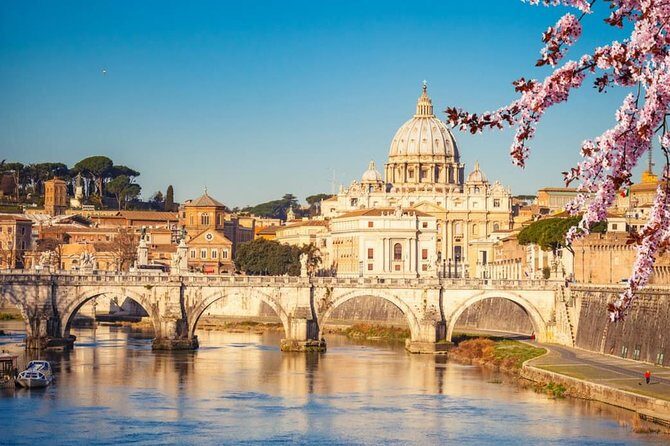
Cruise days are tricky. You’re on a schedule that belongs to your ship, not Rome. This tour is designed around that reality: you leave Civitavecchia, ride in a comfortable minivan, and you’re back for a timely return.
The big win is size. With a maximum of 8 passengers, you’re not negotiating exits, re-grouping in crowds, or doing the usual cruise-bus bottleneck dance. The vehicle can also get you into areas where larger buses struggle. That usually translates into shorter walks from parking and better angles for photos.
You’ll still move at a cruise pace. But the pace is part of the value here. This is not a slow, “stay forever” Rome day. It’s a practical overview that helps you decide what you want to return to on a future visit.
Other small-group Vatican tours at the Vatican & Rome

Price and Value: What $167.96 Covers (and What It Doesn’t)
At $167.96 per person, you’re paying for transportation and a guided sightseeing plan, not for museum admissions. The price includes port pickup and drop-off, a professional English-speaking driver, and an air-conditioned vehicle, plus a reliable promise: you’ll get back to the pier on time.
That’s the foundation. Then you layer in the extra costs you should expect:
- Entry fees are not included for the attractions where tickets apply.
- Gratuities are not included (optional, and 10–15% is appreciated for good service).
- Lunch is not included.
- Vatican Museums are not included.
A good way to think about it: if you want a stress-free “see the map” day without hiring everything separately, this is strong value. If your dream includes sitting deep inside multiple museums, you’ll need a different plan, because the tour intentionally focuses on highlights and timed viewpoints.
Getting Picked Up in Civitavecchia Without Losing Your Time
The pickup system is simple, but it depends on you doing one key thing: you must give the operator your ship name, docking time, disembarkation time, and departure time. Your driver meets you at the ship holding a sign with your name.
Do not take a shuttle. The tour is set up for direct port pickup and drop-off. That reduces the risk of you getting stuck somewhere in the middle of the port while traffic or other shuttles slow down.
One more reality check: pick-up times are coordinated based on ship schedules, and order of stops may vary depending on traffic. You should plan to be at the meeting spot promptly. If you’re not ready to depart at the assigned time, the tour can’t wait for you beyond a reasonable period, and they won’t extend the day or guarantee the full itinerary.
The Van-Commentary Rule: How to Get the Most From the Driver
In Italy, licensed guides face strict rules about what they can do outside. Here, the driver can comment and explain the sights from inside the vehicle, but they’re not allowed to do the guiding work once you’re outside.
That affects your experience in a useful way. You’ll hear the story while you’re moving between stops, then you’ll switch into “look and absorb” mode when you step out. So don’t just wait for instructions at the curb. When you hear something you want to remember, jot down a quick question to ask the driver at the next stop time window, or note it in your phone so you can look it up later.
If you want a lot of time inside each site with a person guiding you through details at close range, this isn’t that kind of tour. It’s a vehicle-based interpretation plus timed sightseeing.
Start at Janiculum Hill: Panoramas and the Garibaldi Statue
Your day kicks off at Piazzale Giuseppe Garibaldi on the Janiculum Hill. This is one of Rome’s classic viewpoint settings. From here, you get sweeping views across the city’s church domes and bell towers.
You’ll also see the statue of Giuseppe Garibaldi, a central figure in Italy’s 19th-century unification. It’s a quick stop (about 15 minutes), but it’s the kind of moment that helps you understand where you are in Rome. After one good overlook, the rest of the day makes more sense.
If your cruise day is only a handful of hours, this first stop is a smart way to start. You’ll spend later stops looking at monuments with a clearer sense of their position.
Other Vatican shore excursions from Civitavecchia
Tiberina Island and the Arch of Constantine: Small Details, Big Context
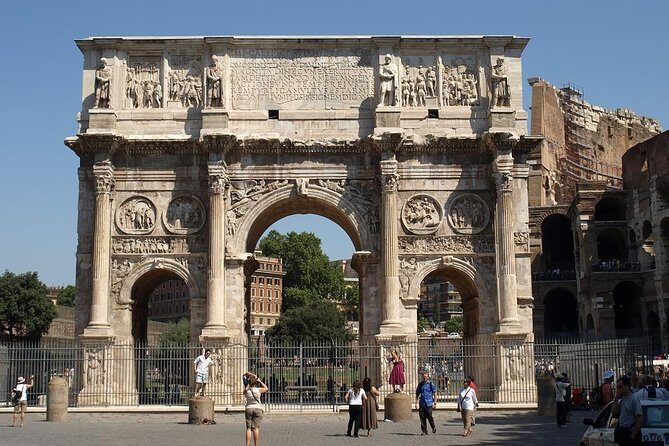
After the viewpoint, you’re driven past or through areas tied to older Rome. You’ll see Tiberina Island, a tiny island in the southern bend of the Tiber River. It’s associated with healing in ancient times and still connected to healthcare today.
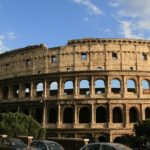
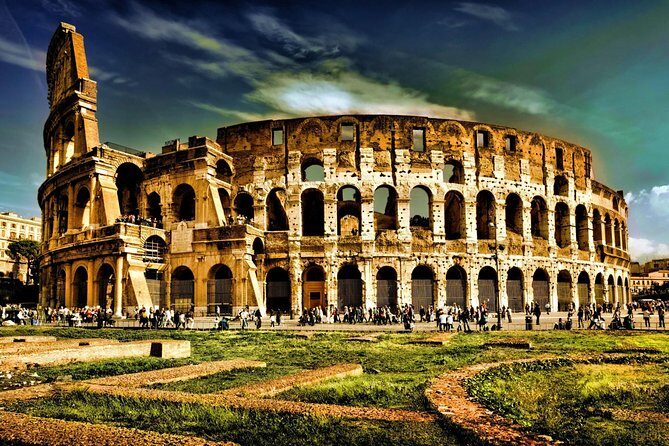
Then you get a look at one of Rome’s triumphal arches: the Arch of Constantine near the Colosseum. The tour notes it can be viewed without an entry fee, which makes it a good “photo and move on” stop.
The value here isn’t spending a long time at each point. It’s understanding how Rome’s monuments sit beside living streets. You’re getting both the postcard and the city’s everyday rhythm.
Circus Maximus and Domus Augustana: Chariot Racing Ground
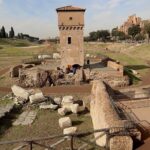
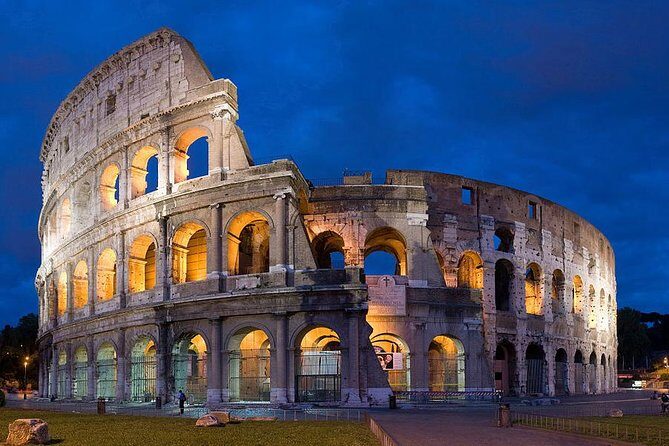
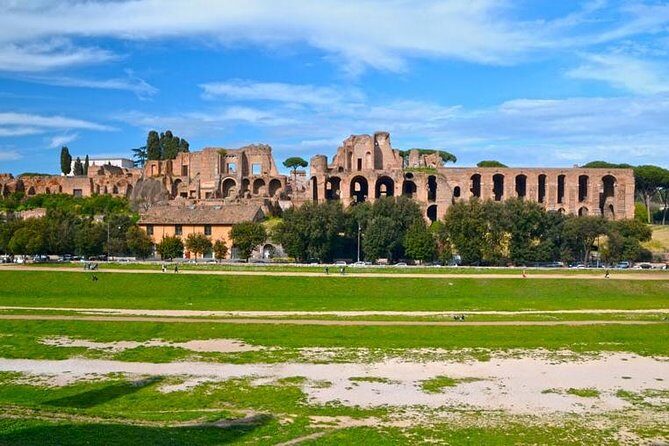
One of the most impressive parts of the itinerary is Circo Massimo (Circus Maximus). This was an Ancient Roman chariot-racing stadium famous in popular culture (think Ben-Hur vibes), and it was the first and largest of its kind.
It’s a quick stop (around 10 minutes), but the setting matters. The arena lies in a valley between the Aventine and Palatine Hills. Even if you can’t see everything clearly in a short time, the geography clicks.
A bit up the timeline comes Domus Augustana, the royal palace of Emperor Augustus on the Palatine Hill. The idea here is vivid: Augustus could watch the races from his home. This stop adds that missing “who lived here” layer that makes Roman ruins feel less like leftovers and more like a real place.
Teatro Marcello and the Roman Forum From the Capitoline Side
Next comes Teatro Marcello, an unusual architectural site. It began as an ancient Roman arena from the late Roman Republic era. Over centuries, dwellings were built on top of it, and today those apartments sit where you’d expect the performance space to be.
This stop is a useful palate cleanser. After big, famous icons, it shows how Rome keeps reusing and rebuilding. You’re seeing history stacked, not frozen behind glass.
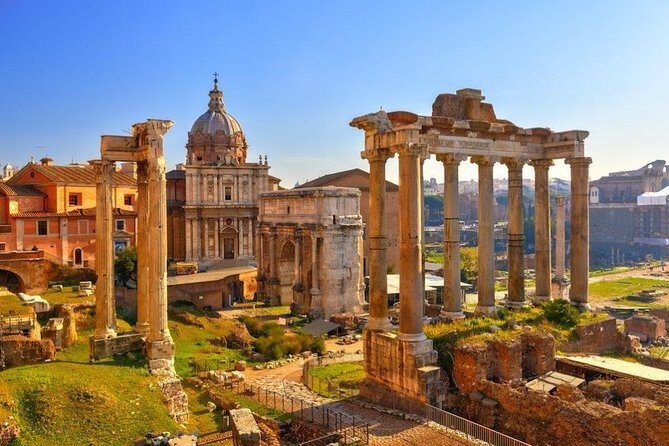
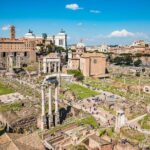
Then you move toward the Roman Forum, described as viewed from the back side of the Capitoline Hill. It’s civic life at the center of the ancient city, with ruins connected to key moments, including the Rostrum area tied to Marc Antony’s speech over Julius Caesar.
The Roman Forum stop is about 20 minutes, and tickets are not included. So plan for a quick look and a few targeted photos rather than a long exploration. If you later decide you want a deeper Forum day, you’ll know exactly what to prioritize.
Piazza Venezia, the Victor Emmanuel Monument, and Mussolini’s Balcony
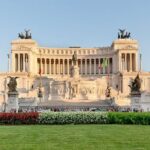
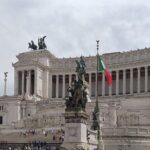
Right after the Forum area, you’re in the Piazza Venezia orbit. You’ll see the Monument to Victor Emmanuel, a giant white marble centerpiece in the square.
And across the piazza is the balcony linked to Mussolini’s famous speeches during the fascist era. This is not a comfortable part of history, but it’s an important one, because it reminds you Rome isn’t only ancient grandeur. It also holds modern political theatre in its architecture.
Even in a short stop window, it’s worth taking a few minutes to look at scale. The monument’s size can be hard to grasp until you’re standing right there.
Trevi Fountain and the Pantheon: The Two Stops You’ll Remember
Rome’s “greatest hits” show up here.
Trevi Fountain is the world-famous Baroque centerpiece, and it’s included as a free viewing stop (about 20 minutes). It’s also the kind of place where the crowd energy can either annoy you or become part of the experience. Either way, you’ll at least get the iconic view and time to take photos without needing tickets.
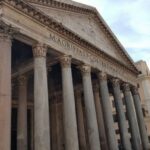
Then comes the Pantheon. Exterior viewing is free, and the big reason this stop is special is the building itself. The old Roman temple has become a Catholic church, and the structure is a masterpiece of Roman engineering. You’re especially drawn to the coffered ceiling and the enormous oculus, which is wide enough that the ceiling reads like an engineered miracle.
Here’s the practical choice: as of July 2023, a ticket is required to visit the Pantheon interior. The interior ticket is 10 euros per person, and you can buy on site. If you want the full experience, budget that extra fee. If you’re ticket-shy or short on time, the exterior is still worth it.
Piazza Navona: Baroque Rome at a Human Scale
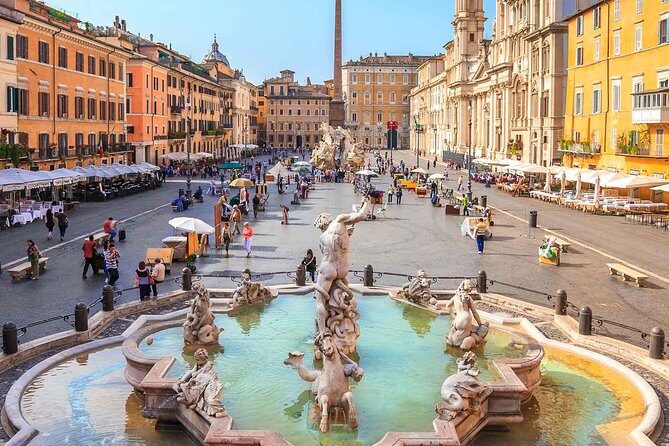
Next up is Piazza Navona. It sits on the site of the Stadium of Domitian from the 1st century AD and became a plaza with Baroque-Roman architecture.
You’ll see sculptures in the three fountains. The headline attraction is Bernini’s Fontana dei Quattro Fiumi (Fountain of the Four Rivers). This stop is about 15 minutes and works well as a break in the day. You can look, people-watch, and reposition yourself for the final Vatican area without feeling like you’re sprinting nonstop.
St. Peter’s Square: Timing, Dress Code, and the Vatican Boundary
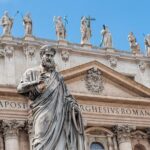
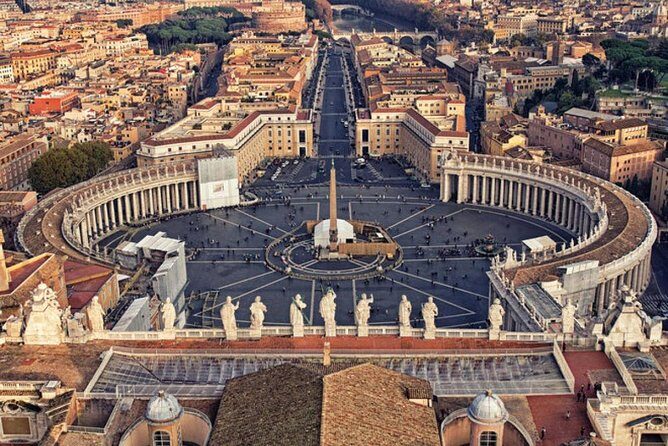
The day ends at St. Peter’s Square. You get about 1 hour here, and that’s a lot of time compared to many Rome “highlights” tours.
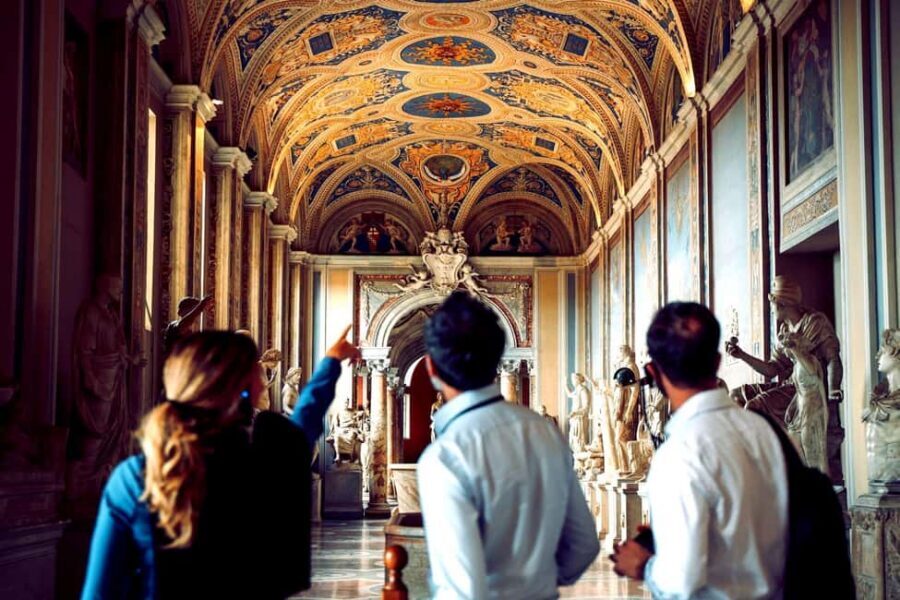
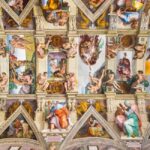
One key note: the Vatican Museums are not included on this excursion. So you’re seeing the Vatican’s exterior stage, not the museum masterpieces.
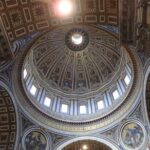
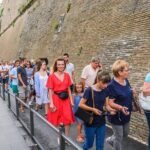
If you want to enter the basilica, you can do so only if time and conditions allow. In high season, security lines and proper-apparel screening can be long. Entry to the church itself is free, but shoulders and knees must be covered. Also, if mass is taking place in the basilica, access may be restricted.
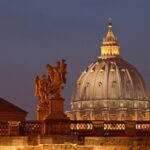
This is where a driver’s stop timing really matters. A well-run itinerary tries to arrive when you’re most likely to slip into the square without peak stampedes. If you care about basilica interior photos or the dome atmosphere, wear appropriate clothing and be ready for lines.
Pacing: What 9 Hours Feels Like in Rome
In theory, you’ve got a full day. In practice, Rome wins by taking time with traffic, road access, and the simple reality that people move slower when they’re staring at domes.
Most stops in the itinerary are short. You’re usually looking at windows like 10–20 minutes, with a longer 1 hour at St. Peter’s Square. That’s enough for a meaningful look and a few photos, but not enough for deep museum exploration.
The trade-off is that you walk less than you would on your own. You’re also following a group pace. The driver will give times to return to the vehicle, and you’re expected to be back on schedule so the route stays intact.
On hot days, you’ll feel the difference between “brief stepping outside” and “long wandering.” This itinerary is designed to keep Rome from turning into a heat-stroke test.
Extras That Can Make It Feel More Personal
Some drivers go beyond the script when time allows. In real use, people have reported lunch recommendations that avoided tourist traps, plus help getting around narrow street timing so groups can actually eat somewhere decent.
A few guests also mentioned add-on possibilities like securing a slot for catacombs when it worked with the schedule. The takeaway for you: ask your driver what’s feasible once you’re in the city. If the day is running well, drivers may be able to point you toward options like that, but it’s not guaranteed.
Who This Tour Fits Best (and Who Should Skip It)
This is a strong fit for:
- First-time Rome visitors on a cruise day
- People who want major sights without spending the day in transit headaches
- Families and mixed-age groups who want minimal walking and a clear plan
- Anyone who wants a “Rome overview” to help plan a return trip
It may not fit if:
- You want Vatican Museums and the Sistine Chapel as the main event
- You want long interior time inside multiple ticketed sites
- You dislike structured pacing or need extensive mobility support (this tour expects you to keep to group timing)
If your goal is Vatican Museums first, this itinerary’s boundary is clear: it leaves museums out and focuses on the area around St. Peter’s Square.
Should You Book This Rome Shore Excursion?
If your Rome plan is one day and you want to see the skyline, the big landmarks, and the story behind them without fighting crowds and streets, I think this tour is worth serious consideration. The small group size, air-conditioned comfort, and on-time ship return are the core advantages. The fact that admission fees aren’t included is normal for tours like this, but it does mean you should budget for tickets you choose to add.
Book it when you want high impact, low stress.
Skip or change plans when Vatican Museums are your top priority or when you want slow, ticket-heavy museum time. Rome deserves that kind of day too. This tour is for when your calendar does not.
FAQ
Are admission tickets included in the tour price?
No. Entry fees are not included. You can arrange skip-the-line tickets upon request, but you should still expect to pay attraction entry fees separately.
Is the Vatican Museums included?
No. The Vatican Museums are not included on this excursion.
Can I visit the Pantheon interior?
The exterior is free, but as of July 2023 a ticket is required to visit the interior. The Pantheon interior ticket costs 10 euros per person, and you can purchase on site.
How long do I get at the main sights?
Most stops are short (often around 10–20 minutes), with about 1 hour at St. Peter’s Square. The exact order of stops can vary.
What about tour guide commentary once we step outside?
Because of strict Italian laws protecting licensed guides, the driver can explain sights from inside the vehicle, but they are not allowed to do the commentary once outside.
Where is the pickup point in Civitavecchia?
Your driver meets you at the ship, holding a sign with your name. You must advise the operator of your ship name, docking time, disembarkation time, and departure time so pickup can be coordinated.
What if mass is taking place in St. Peter’s Basilica?
If mass is taking place, entrance may be restricted. Also, in high season lines can be very long, and shoulders and knees must be covered.