REVIEW · ROME
Rome: Vatican Museums and Sistine Chapel Private Tour
Book on GetYourGuide →Operated by Eyes of Rome Private Tours · Bookable on GetYourGuide
That Vatican line can eat half a day. This private tour keeps you moving with skip-the-line entry and a live guide who gives the story behind what you’re seeing.
I particularly love how the pacing is tight but not rushed—you get clear highlights across the museums and into the chapel. I also like that the guide’s commentary helps you notice details you’d normally miss on your own, from famous sculptures to Renaissance fresco moments. One drawback: you’ll need to follow the strict dress code (and you can’t bring certain oversized items), or you risk getting turned away.
In This Review
- Key points at a glance
- Why this Vatican private tour hits a sweet spot
- Meeting point at Caffe Vaticano: start clean and easy
- Vatican Museums in focused time: what you’ll actually notice
- Gallery of Maps: the Vatican’s world view, in 20 minutes
- Tapestries: learning by texture, not just images
- Sistine Chapel: how the guide helps you see Michelangelo
- St. Peter’s Basilica: Bernini’s Baldachin and the power of scale
- What to know before you go: dress code and item rules
- Price and value: what $345.52 buys you
- Who this tour suits best (and who should skip it)
- Should you book this Vatican tour?
- FAQ
- How long is the Rome Vatican Museums and Sistine Chapel private tour?
- What places are included in the tour?
- Does this tour include skip-the-line entry?
- Where do you meet the guide?
- Is hotel pickup available?
- What languages is the tour guide available in?
- Are there dress code rules?
- Is the tour wheelchair accessible?
Key points at a glance
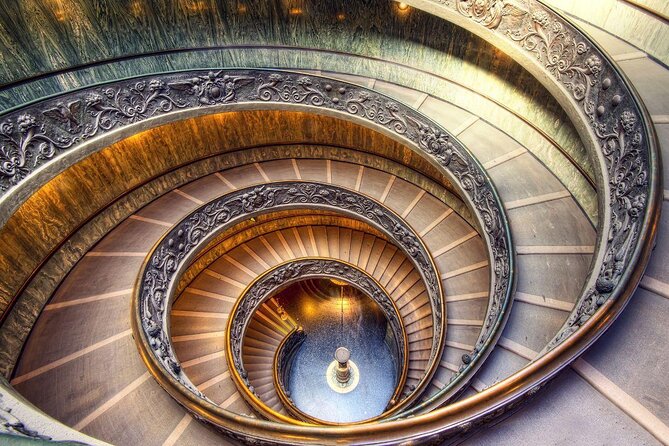
- Skip-the-line entry helps you avoid the worst bottlenecks and get to art faster
- A private guide shapes the route so you spend time on what matters most to you
- Gallery of Maps and tapestries add variety beyond the headline sculptures and chapel
- Sistine Chapel focused visit centers on seeing Michelangelo’s ceiling with context
- St. Peter’s Basilica with Bernini lets you appreciate scale, not just photos
- Not wheelchair-friendly and your tour time inside is built around walking
Why this Vatican private tour hits a sweet spot
The Vatican is one of those places where “I have tickets” is not the same as “I have a good experience.” The crowds are real, the floors are real, and the museum layout can feel like a maze when you’re tired. That’s why I like a private, timed plan here—because it turns a long, stressful visit into a short, coherent route.
This experience runs about 3.5 hours, and it doesn’t try to do everything. Instead, it stacks the most meaningful stops in a logical order: museums first, then the Sistine Chapel, then St. Peter’s Basilica. For most people, that’s exactly what you want. You get the big payoffs without spending your day zigzagging across the Vatican complex.
Another smart part is that you’re not just paying for access. You’re paying for interpretation. A live guide isn’t there to recite dates—they point out what to look for, explain why it mattered to the papal patrons, and connect artworks across different eras. That turns statues, paintings, and frescoes into something you can actually understand while you’re standing in front of them.
Other Vatican Museums tours we've reviewed at the Vatican & Rome

Meeting point at Caffe Vaticano: start clean and easy
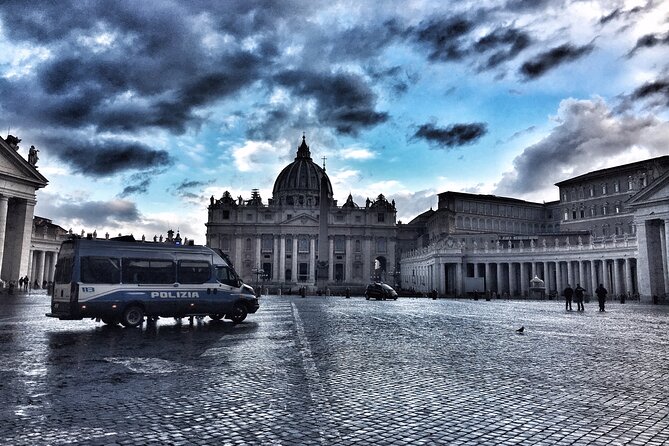
You’ll meet the guide at Caffe Vaticano, Viale Vaticano 100. The guide will be holding a sign with your names, so you’re not left playing “guess the tour.” If you selected pickup, the driver waits in your hotel lobby and coordinates through your concierge. If you’re not staying in a hotel, you wait just outside your accommodation address.
This matters more than it sounds. In Rome, a few minutes lost at the start can turn into major fatigue later. Getting anchored at a clear meeting spot helps you arrive calmer, and it lets the guide keep the schedule that makes the whole tour work.
Vatican Museums in focused time: what you’ll actually notice
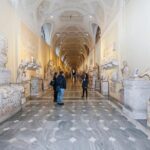
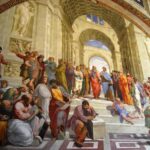
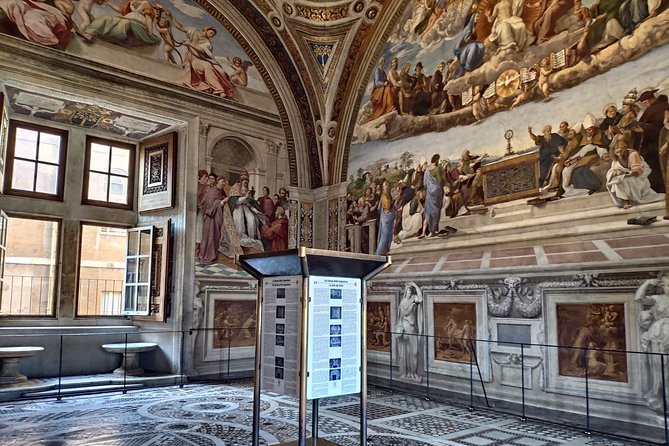
You’ll spend about 40 minutes in the Vatican Museums with guided time. That’s not enough to see every room, and it’s not meant to be. The goal is selective: spend your limited time on the pieces that tell the story of the collection and make you understand the Vatican’s artistic agenda.
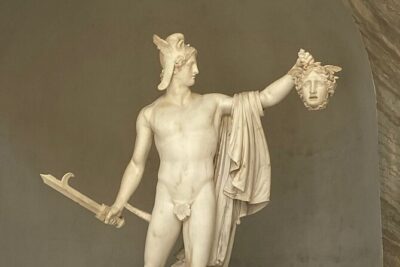
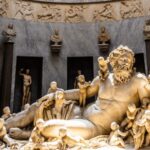
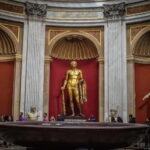
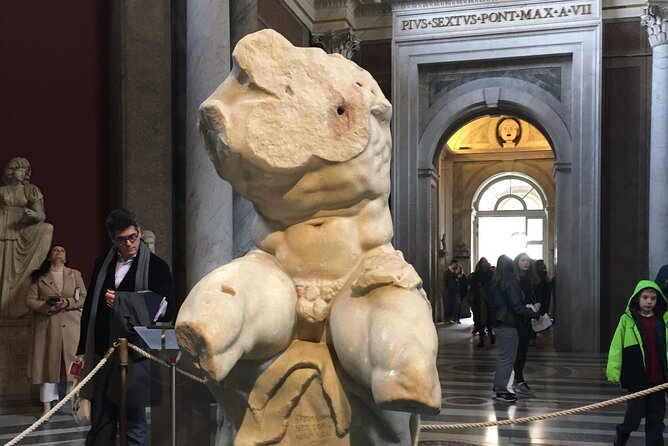
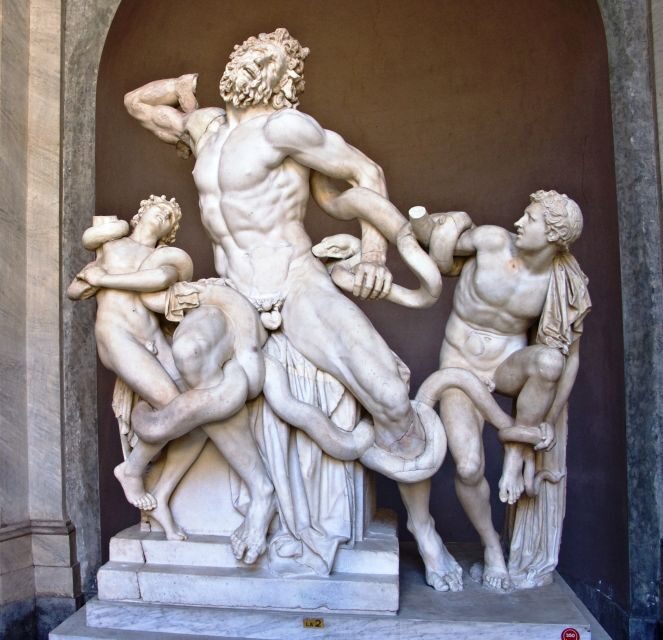
In the museum section, you can expect to see major sculpture highlights such as the famous Laocoön and the Belvedere Torso. These aren’t just famous by reputation—they’re famous because of how they show form and craftsmanship. If you’ve ever looked at classical statues online and thought, okay, cool, but what’s the big deal, this is the moment where your brain starts to “get it.” You’ll also move through spaces where the museum shows Ancient Greece and Ancient Rome, alongside other civilizations represented in the collection.
A big value of the private format is that the guide can help you scan efficiently. Instead of you trying to interpret labels while everyone shoves past, you get an interactive narrative that guides your eyes: where to look first, what details matter, and what kind of message the artwork was meant to carry. That makes the museums feel less like a checklist and more like a curated conversation—one where you’re doing the talking with your own attention.
Potential drawback to plan for: museum lighting and crowding can make slow sightseeing hard. The tour is designed to keep things moving, so if you’re the type who wants to stand in front of one sculpture for 30 minutes, you may feel the time constraints.
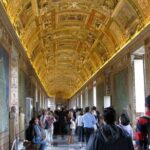
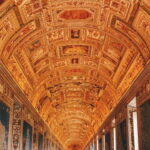
Gallery of Maps: the Vatican’s world view, in 20 minutes
Next up is the Gallery of Maps for about 20 minutes. This is one of those stops that people skip because they assume “maps” will be less exciting than paintings and sculpture. I get why—until you see it.
Ancient cartography and map-making can be surprisingly emotional. The maps aren’t only geography; they reflect how people understood power, knowledge, and the boundaries of the world. In this gallery, you get maps by ancient cartographers, and it’s a reminder that the Renaissance and earlier periods weren’t just about art style—they were about how people pictured reality.
This stop also breaks up the museum rhythm. After sculpture and grand galleries, the Gallery of Maps gives your eyes a different kind of pattern to follow. It’s visual, structured, and it helps you understand the Vatican as a patron of learning, not just theology.
If you’re visiting with kids or teens, this is also often a good moment. Even if they’re not into classical sculpture, maps tend to spark questions. And when you ask questions, the whole tour becomes more fun.
Tapestries: learning by texture, not just images
You’ll visit the Gallery of Tapestries for about 20 minutes. Tapestries get underrated because they don’t look as dramatic as frescoes at first glance. But up close, they’re impressive—woven detail, color built with thread, and big storytelling scenes that reward patience.
In a private tour, this is exactly the right amount of time. You don’t want your tour to turn into a museum lecture, but you also don’t want to sprint past a medium you can’t really appreciate in passing. The guide’s commentary helps you read what’s happening, and it connects these works to the wider collection and papal patronage.
One practical note: since this is an indoor gallery, your comfort matters. Wear shoes that you can stand in. You’ll be moving steadily, and the Vatican can be cold or warm depending on the day.
Other Sistine Chapel tours at the Vatican & Rome



Sistine Chapel: how the guide helps you see Michelangelo
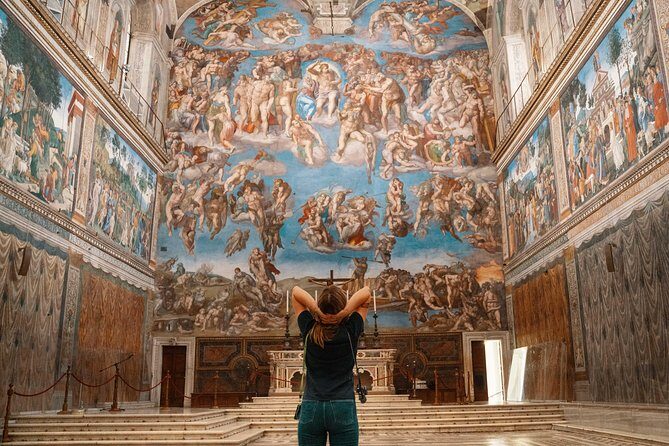
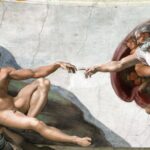
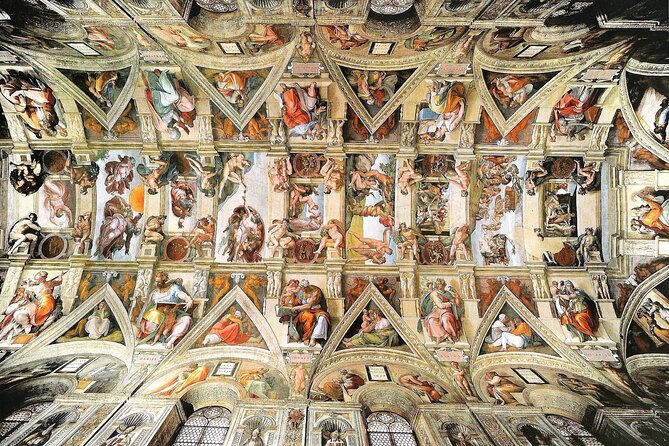
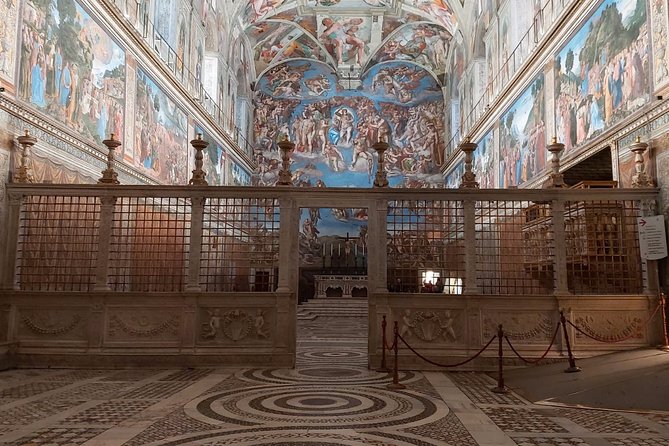
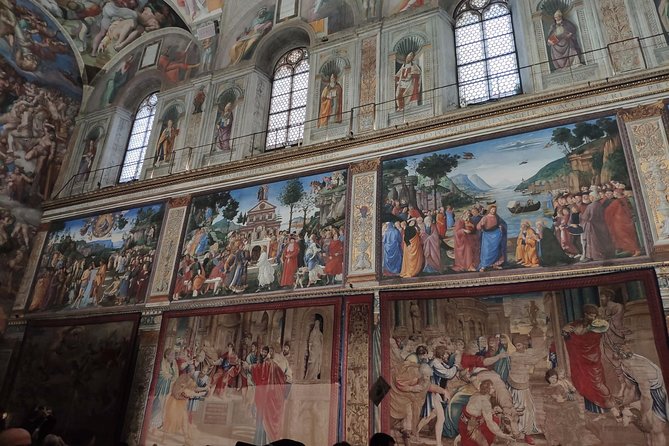
Then comes the moment most people remember: the Sistine Chapel. Your guided time here is about 30 minutes. This is where you want your attention switched on, not half distracted by photos and trying to decode the ceiling from far away.
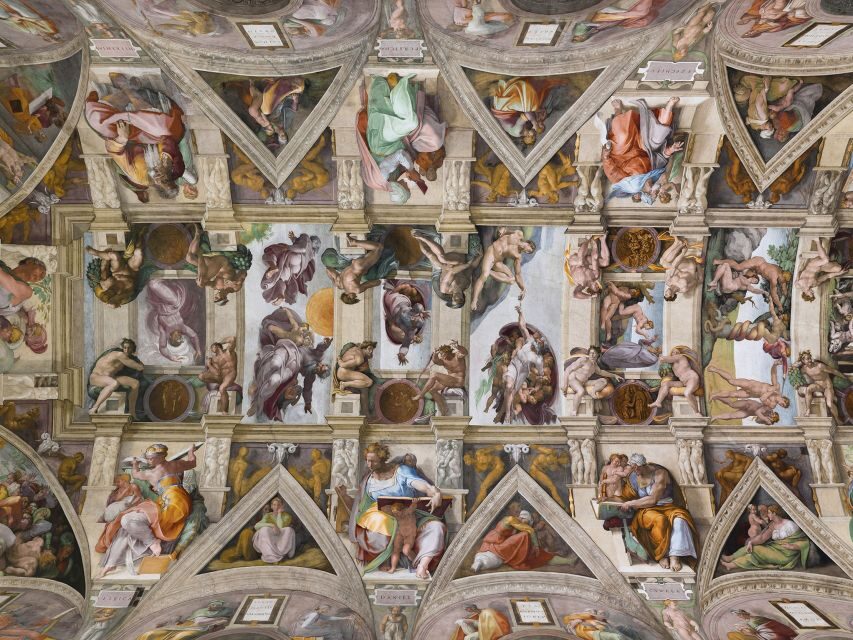
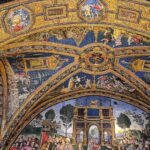
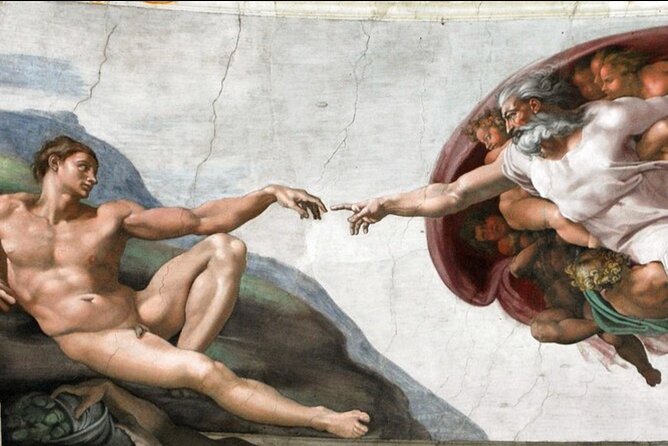
Michelangelo’s ceiling frescoes are the headline, but the real win is how the guide helps you look. With the right cues, your eyes start picking out figures, expressions, and story connections. Without those cues, you can end up seeing lots of paint but not much meaning.
Also, the Sistine Chapel experience is about atmosphere. You’re in a space with strict rules and a reverent vibe, so the guide’s “narrate, then let you look” approach tends to work well. You’re not being shoved through. You’re being directed toward the parts that matter most for understanding the artwork quickly.
If you’re thinking, I’ve seen pictures—yes, you have. But photos are like tasting a sauce through the phone. This is the real thing, and the scale of the ceiling changes your sense of what’s possible in art.
St. Peter’s Basilica: Bernini’s Baldachin and the power of scale
After the chapel, you’ll spend about 1 hour in St. Peter’s Basilica with guided time. This is the big architectural stop, and it’s where the tour feels like a true grand finale.
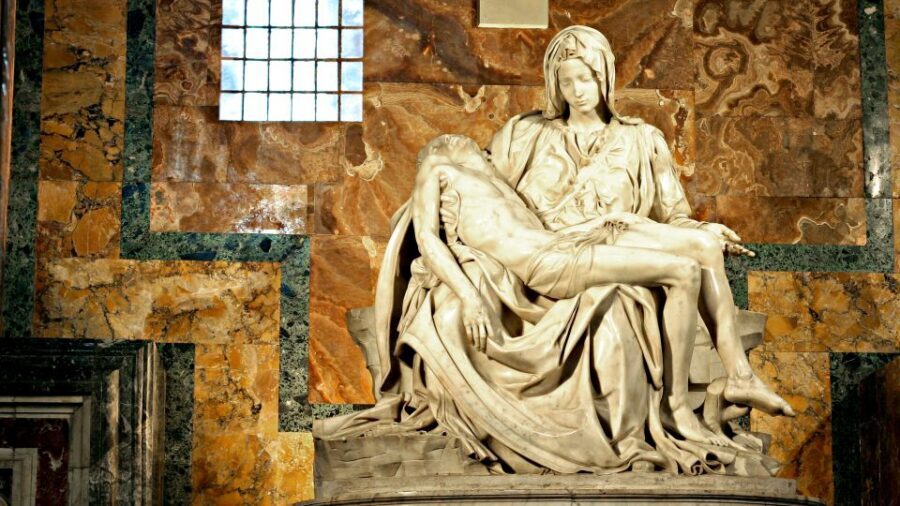
The route includes major sacred works of art and key sights such as Bernini’s Baldachin (the monumental bronze canopy over the altar area). Bernini’s work is all about movement and drama, and standing in the basilica makes that effect hit harder. Photos can show details, but they don’t show how the building itself seems to press scale and importance into your body.
St. Peter’s Basilica is also the place where the Vatican stops feeling like a museum complex and starts feeling like a functioning center of faith and art. The guide helps you understand what you’re seeing as an intentional design—art placed in relationship to ritual and to the story the Church wanted to communicate.
At the end, the tour includes St. Peter’s Square, where you can admire the Egyptian obelisk and see how it ties into Bernini’s design plan. Even if you don’t know a lot going in, the square gives you context: it’s not just inside beauty. The Vatican also thinks in big outdoor compositions.
What to know before you go: dress code and item rules
This tour has a clear dress code requirement for worship spaces and selected museums: no shorts, no short skirts, and no sleeveless tops. Knees and shoulders must be covered for both men and women. If you ignore this, you risk refused entry. It’s not worth the gamble.
Plan for the usual Vatican “no big stuff” rules too. Long items like large umbrellas, camera stands, and tripods are not allowed and need to be left in the cloakroom. Walking sticks are also restricted unless for disabled persons.
Also, this tour is not suitable for wheelchair users. If mobility is an issue, you’ll want to consider alternate accessibility options rather than counting on this route.
One more practical note: food and drinks aren’t included. For a 3.5-hour tour that’s heavy on walking and standing, a small plan for water and snacks before or after helps you enjoy it instead of feeling drained.
Price and value: what $345.52 buys you
At $345.52 per person for a roughly 3.5-hour private tour, the cost isn’t “cheap,” but it isn’t random either. Here’s what you’re paying for that changes the experience:
- Skip-the-line entry tickets, including an express security check
- A private live guide (not a group shuffle)
- Guided time across multiple major sites: Vatican Museums, Gallery of Maps, Gallery of Tapestries, Sistine Chapel, and St. Peter’s Basilica
- A structured route that helps you see key highlights like Laocoön, Belvedere Torso, Michelangelo’s frescoes, and Bernini’s Baldachin
If you’re traveling with a small group or you hate uncertainty, this can be good value because it removes the “waste time” part of planning. Ticket line time at the Vatican can be brutal; when you pay to bypass that friction, you buy back your energy and your attention.
If you’re traveling solo and are the type who enjoys museums independently with a guidebook, you might prefer a self-guided approach. But if you want the art to make sense while you’re standing in front of it, a private narrative is exactly where the money goes.
Who this tour suits best (and who should skip it)
This is a great fit if you want:
- A private Rome Vatican plan that avoids major lines
- Focus on the highest-impact sights: major sculptures, Sistine Chapel fresco viewing, and St. Peter’s Basilica highlights
- A guide-led experience that connects what you see to why it exists
It may not be the best match if:
- You need wheelchair access
- You show up without the right attire (shoulders and knees must be covered)
- You prefer ultra-slow museum wandering over a timed, highlight-focused visit
Also, if you’re bringing minors: every reservation that includes someone under 18 must include at least one adult. The Vatican museums work differently with family groups, so planning ahead keeps things smooth.
Should you book this Vatican tour?
I’d book it if you want a high-success visit: the kind where you get major sights, clear explanations, and less time lost to crowds. The combination of skip-the-line entry and a private guide is the heart of the value, especially in a place that can overwhelm you if you’re trying to improvise.
I’d think twice if your group has mobility needs, you can’t meet the dress code, or you’re determined to spend long periods lingering in one room. This tour is built for smart coverage, not marathon museum time.
If you’re aiming for the Vatican’s best hits in about half a day—with context that actually helps you understand what you’re looking at—this is a solid choice.
FAQ
How long is the Rome Vatican Museums and Sistine Chapel private tour?
The tour lasts about 3.5 hours. Starting times depend on availability.
What places are included in the tour?
You visit the Vatican Museums, the Gallery of Maps, the Gallery of Tapestries, the Sistine Chapel, and St. Peter’s Basilica. The tour also ends at St. Peter’s Square.
Does this tour include skip-the-line entry?
Yes. It includes skip-the-line entry tickets and an express security check.
Where do you meet the guide?
You meet the guide in front of Caffe Vaticano, Viale Vaticano 100. The guide will be holding a sign with your name(s).
Is hotel pickup available?
Pickup is optional. If you choose it, you wait for the driver in your hotel lobby and the driver coordinates through your concierge. If you aren’t staying at a hotel, you wait just outside your accommodation address.
What languages is the tour guide available in?
The live tour guide is available in English and Italian.
Are there dress code rules?
Yes. No shorts, short skirts, or sleeveless shirts. Knees and shoulders must be covered to enter places of worship and selected museums.
Is the tour wheelchair accessible?
No. This tour is not suitable for wheelchair users.