REVIEW · ROME
Rome: Vatican Museums and Sistine Chapel Skip-the-Line Tour
Book on GetYourGuide →Operated by Onceuponatimerometours · Bookable on GetYourGuide
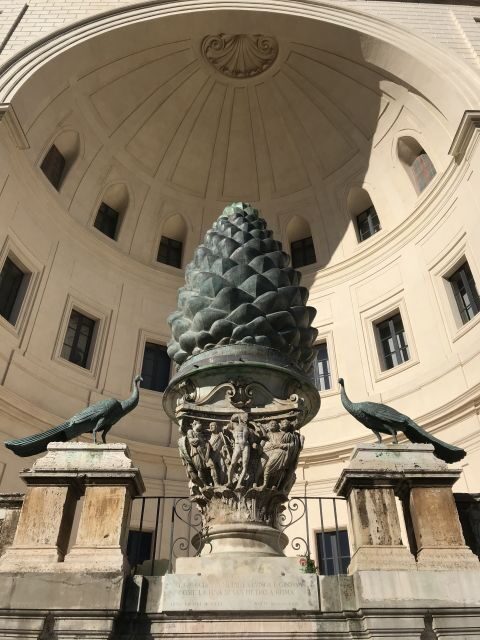
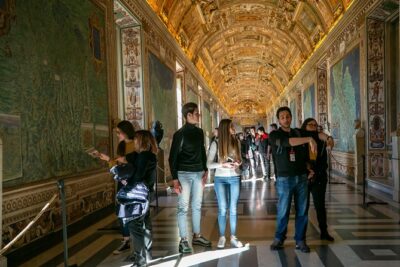
One word: control. This skip-the-line Vatican tour helps you get inside faster and spend your brain power where it matters. You’ll walk through standout spaces like the Pinecone Courtyard and the galleries of tapestries, maps, and candelabra, guided with headsets so you can hear the story without crowd-shoulder chaos.
I also like that you’re not just looking at art, you’re being coached on what you’re seeing as you go. Michelangelo’s frescoes in the Sistine Chapel land differently when a guide helps you pick up the details in sequence. The one watch-out is that the pacing can feel tight, and you’ll be expected to keep moving to fit everything into the set time window.
In This Review
- Key things to know before you go
- Why skip-the-line at the Vatican Museums actually saves your trip
- Meeting point, timing, and what to bring (so you don’t get stuck)
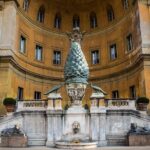
- The “warm-up” stop: Pinecone Courtyard and the Pigna (Pinecone) effect
- The galleries that fit an art museum’s best ideas into two hours
- Masks galleries: art that feels human
- Tapestries: the “close to you” art
- Maps gallery: history you can read
- Candelabra and the visual rhythm of sculpture
- Sistine Chapel timing: the part that feels both strict and worth it
- Pace note (important)
- Headsets and guide style: when the audio makes the difference
- Optional St. Peter’s Basilica access: what changes and what to expect
- Value at about $65 per person: what you’re really paying for
- Who this tour fits best (and who should choose differently)
- Should you book this Vatican Museums and Sistine Chapel skip-the-line tour?
- FAQ
- What’s the duration of the Rome Vatican Museums and Sistine Chapel skip-the-line tour?
- Does this tour offer skip-the-line entry?
- What languages are available for the live tour guide?
- Is St. Peter’s Basilica included?
- Where do we meet for the tour?
- What should I bring with me?
- What’s not allowed during the tour?
- Is this tour suitable for wheelchair users or mobility impairments?
Key things to know before you go
- Separate entrance, faster entry: you skip ticket lines and start the experience sooner
- Pinecone Courtyard (Pigna) first: a strong, memorable anchor before the galleries
- Headsets for clarity: included for guided tours so you don’t miss the explanations
- Sistine Chapel is the climax: expect rules, quiet time, and guide timing
- St. Peter’s Basilica option: add-on access may extend your total time
- Not for wheelchairs or limited mobility: plan an alternative if walking is hard
Why skip-the-line at the Vatican Museums actually saves your trip
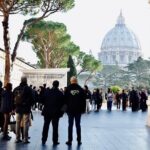
The Vatican Museums are one of Rome’s most famous “big line” situations. So the real value here isn’t magic. It’s time and focus. With skip-the-ticket-line entry through a separate entrance, you lose less time waiting outside and more time inside where your ticket actually pays off.
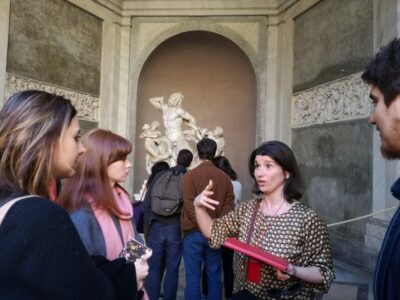
This matters because the Museums move at museum speed. Even if you want to slow down for art, the building layout and crowd flow push you forward. A guide helps you ride that current without getting lost, and the headsets reduce the usual problem: shouting over shoulders in a giant crowd. The result is a tour that feels like a guided path rather than a timed sprint through rooms.
Other Vatican Museums tours we've reviewed at the Vatican & Rome
Meeting point, timing, and what to bring (so you don’t get stuck)
Meeting points can vary depending on the option you book, so you’ll want to arrive with time to find the correct group. Once you’re there, the tour provides support at the meeting point, and there’s even free WiFi so you can check messages or map instructions without data stress.
Plan for what you must bring:
- Passport or ID card
- Student card (if applicable)
- Disability card (if applicable)
Plan for what you should avoid bringing:
- No large bags or luggage
- No glass objects
- No pets
And yes, dress code is real here. The rules include no shorts, no short skirts, and no sleeveless shirts. If you show up outside the acceptable dress standard, you risk getting turned around or delayed at security.
One more practical note: this tour is not suitable for people with mobility impairments and wheelchair users. That’s not a small detail. The Museums involve lots of walking and interior movement where pace matters.
The “warm-up” stop: Pinecone Courtyard and the Pigna (Pinecone) effect
A lot of first-timers think they understand what to expect at the Vatican. Then they enter a courtyard and realize scale is part of the artwork.
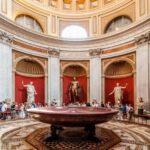
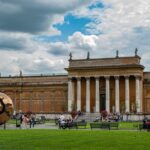
In this tour, you start with the Pinecone Courtyard (Pigna) area. It’s a strong way to begin because it’s visual right away: you see the setting, get oriented, and ease into the museum flow before the deeper gallery rooms. It’s also a nice spot to reset your eyes. You’re coming from crowds outside and into an interior labyrinth, so the courtyard helps you get your bearings fast.
What I like about this approach is that it reduces that “I’m overwhelmed” feeling. You’re not immediately buried in room after room. Instead, you begin with a landmark, then move through the collections with a guide that keeps you oriented.
The galleries that fit an art museum’s best ideas into two hours
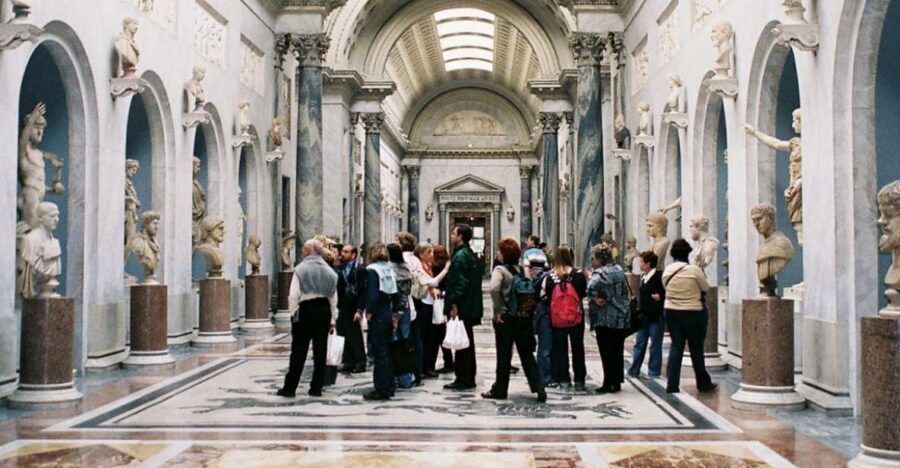
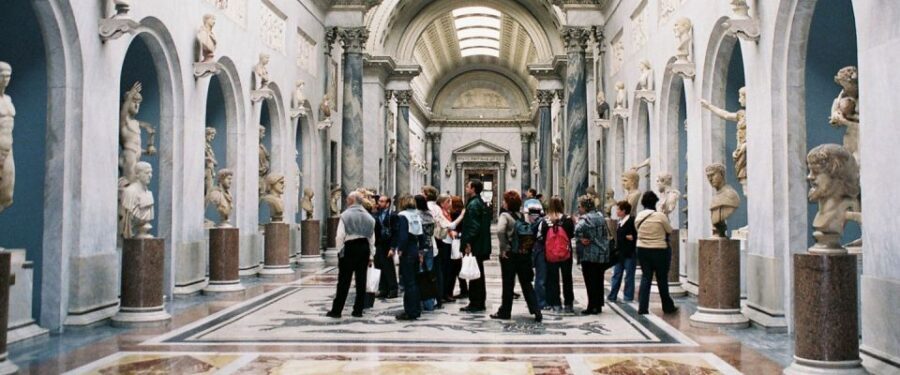
You’re not getting every room in the Vatican Museums. You’re getting the rooms that make sense as a highlights route, with enough explanation to make it feel coherent rather than random.
Expect stops that can include:
- Cabinet of the Masks / Gallery of Masks
- Gallery of Tapestries
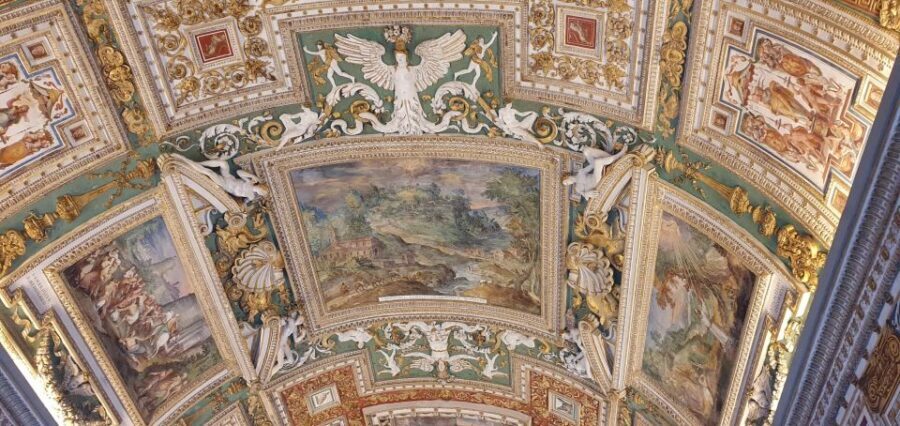
- Gallery of Maps
- Gallery of Candelabra
- And additional galleries along the route
Here’s how these spaces work for your trip:
Masks galleries: art that feels human
Masks aren’t just decoration. They’re a way to talk about identity, performance, and classical reference points. Even if you don’t remember every detail later, the masks give you a visual theme of faces and symbolism that you can connect to later Renaissance and biblical storytelling.
Other Sistine Chapel tours at the Vatican & Rome
Tapestries: the “close to you” art
Tapestries can be hard to appreciate on a quick pass because they’re meant to be seen up close. In a guided route, you get help noticing the craftsmanship and storytelling patterns that you might otherwise miss.
Maps gallery: history you can read
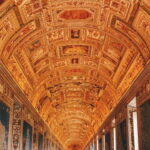
The Gallery of Maps tends to hook people who thought they weren’t a “map person.” When your guide points out how the maps connect to period thinking and geography, it stops being just decoration. You start looking for the choices and limitations of how people understood the world at the time.
Candelabra and the visual rhythm of sculpture
The candelabra gallery helps you reset your eyes from paintings and murals. Sculpture here often has repeating patterns and dramatic vertical lines, which make it easier to follow the room’s logic even when you’re moving with a group.
The big value: your guide turns the route into a story thread. Two hours is short, so you need guidance that helps you understand what you’re seeing now, not just where you’re going next.
Sistine Chapel timing: the part that feels both strict and worth it
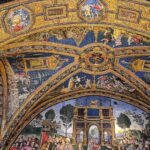
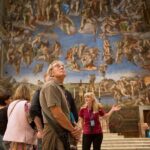
The Sistine Chapel is the main event, and it’s set up for a specific kind of experience. You’ll get there during your tour, and the guide’s job is to keep you positioned and informed while the chapel rules shape the atmosphere.
Why a guided approach helps here:
- You get context before you’re staring at frescoes.
- You understand what you’re seeing in sequence, not as disconnected images.
- Your group gets managed so you aren’t wandering around trying to figure out the “best angle.”
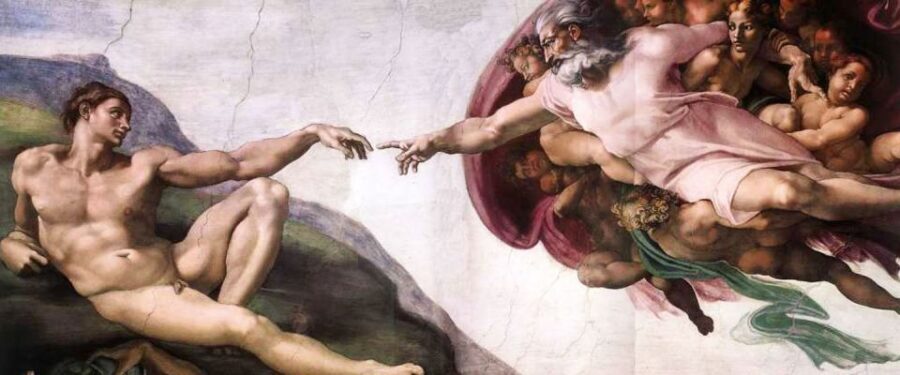
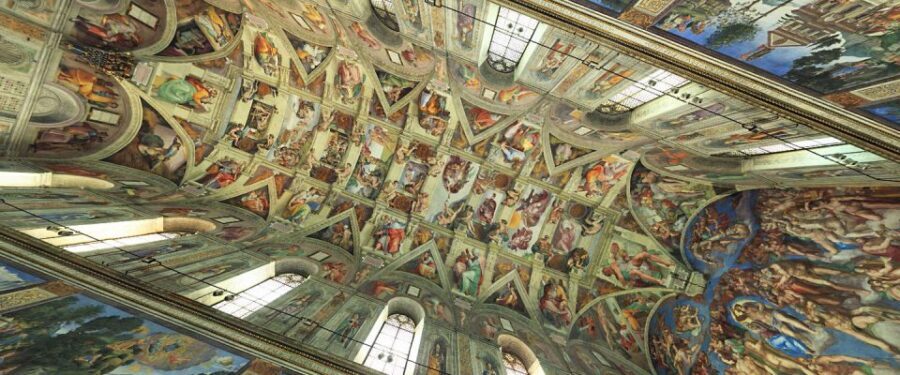
When your pacing works, the Sistine Chapel becomes awe-inspiring in a practical way. You notice the scenes, the architecture framing, and the way Michelangelo uses scale and composition to tell stories. That’s hard to do if you arrive without a plan.
Pace note (important)
Some people feel the tour moves too fast, and others feel it runs long. In practice, that means you should come in mentally ready for a guided timeline. If you’re the type who needs extended time in one room, you’ll probably want to plan a separate free-slow visit later.
Also, some tours require staying with the guide to enter the Sistine Chapel experience within the group flow. If you hate feeling tied to a schedule, this is the part where you’ll feel it most.
Headsets and guide style: when the audio makes the difference
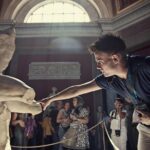
This tour includes headsets for guided tours, which is a big deal at the Vatican. In crowds, it’s not just about hearing words. It’s about catching the right detail at the right moment. When your guide explains what you’re seeing—right as you’re looking—it sticks.
In one case I heard about, the guide Paulina made sure radios were working for everyone and handled individual issues immediately. That kind of attention matters, because it prevents that common tour problem where half the group misses the key points.
Other guide dynamics you should expect:
- Clear instructions so your group doesn’t lose the route
- Frequent checks so you don’t drift behind
- A pace that’s built around timed movement through crowded rooms
If your guide speaks quickly, it can still be a good tour—it just takes concentration. If you want a slower pace, you might focus more on taking your own notes than on trying to absorb every fact in real time.
Optional St. Peter’s Basilica access: what changes and what to expect
This tour can include access of St. Peter’s Basilica if you choose that option. When added, it can extend the overall experience. One real-world example: an upgraded plan made the whole thing about three hours total.
Here’s what to know practically:
- You may end your Museums/Sistine route near the Basilica entrance area.
- Some setups reduce repeat security steps when you transition from the tour flow to the Basilica entry process.
If you’re visiting Vatican City for the art but also want the church component, this add-on can be a strong use of your time. It’s a different kind of experience—more architecture and space than painted stories—so having a guide helps you spot what’s worth your attention.
Value at about $65 per person: what you’re really paying for
At $65 per person, the price isn’t just for standing next to a guide and gesturing at walls. You’re paying for four things that matter in this specific place:
- Skip-the-line ticket entry via a separate entrance
- A licensed guide who keeps your route efficient
- Headsets, which improve comprehension in noisy crowd conditions
- A curated highlights path that helps you make decisions without wasting time
Two hours is the ceiling for a lot of people at the Vatican Museums, because energy drops fast. If you have limited time in Rome, a guided highlights route often feels like the best value. You’ll get the main hits—Pinecone Courtyard, signature galleries, and the Sistine Chapel—without spending the day in line queues.
If you’re the kind of visitor who wants to wander and spend long stretches with one artwork, you may feel boxed in. In that case, you can still visit, but you might want to choose a different strategy that matches your pacing needs.
Who this tour fits best (and who should choose differently)
This one fits best if you:
- Want the Vatican Museums and Sistine Chapel without spending half your day in queues
- Like clear guidance and context while you’re viewing art
- Appreciate headsets and a structured route
- Are visiting with limited time and want a strong “greatest hits” plan
It’s not a great match if you:
- Need wheelchair access or have mobility limitations that make Museum walking difficult
- Hate group pacing or feel anxious with time-bound movement
- Want to linger in one room for long periods without moving on
Should you book this Vatican Museums and Sistine Chapel skip-the-line tour?
If your goal is to see the big masterpieces with less stress, yes, you should book it. The skip-the-line element is the key. Add the headsets and the guided structure, and you get a smoother, more efficient way to experience the museum complex.
Book it especially if:
- You’re visiting during peak season or you know the crowds will be intense
- You want a route that hits major galleries and makes the Sistine Chapel easier to “read”
- You’re open to a faster pace to fit everything in
Skip or reconsider if:
- You’re sensitive to schedule pressure and want long, quiet time in galleries
- Accessibility needs make the tour unsuitable
- You’d rather plan a self-guided museum visit with extra time for wandering
If you’re trying to choose the best way to handle the Vatican with limited hours, this is a practical pick: enter faster, move with guidance, and spend your attention where it counts.
FAQ
What’s the duration of the Rome Vatican Museums and Sistine Chapel skip-the-line tour?
The tour duration is listed as 2 hours (also shown as 192 minutes). If you select extra options like St. Peter’s Basilica access, the total time may be longer.
Does this tour offer skip-the-line entry?
Yes. It includes skip-the-ticket-line entry to the Vatican Museums and Sistine Chapel, using a separate entrance.
What languages are available for the live tour guide?
The live tour guide is available in English and Spanish.
Is St. Peter’s Basilica included?
Access to St. Peter’s Basilica is included if the option is selected. Otherwise, the main focus is the Vatican Museums and the Sistine Chapel.
Where do we meet for the tour?
The meeting point may vary depending on the option booked. The activity also notes that a team is available to assist you at the meeting point, and free WiFi is available there.
What should I bring with me?
Bring a passport or ID card. Student and disability cards are also listed as things you can bring.
What’s not allowed during the tour?
Pets are not allowed. Shorts, short skirts, sleeveless shirts, baby strollers, and luggage or large bags are not allowed. Glass objects are also not allowed.
Is this tour suitable for wheelchair users or mobility impairments?
No. It is listed as not suitable for people with mobility impairments and wheelchair users.