REVIEW · ROME
Rome: Vatican Museums and the Sistine Chapel Guided Tour
Book on GetYourGuide →Operated by Roman Vacations · Bookable on GetYourGuide
The Vatican feels like a maze. This guided Vatican Museums and Sistine Chapel tour turns that overwhelming building into a clear route, with smart stops at the Gallery of Maps, Raphael Rooms, and Michelangelo’s ceiling. You get a small-group experience that keeps you moving and makes the art easier to follow.
What I like most is the chance to skip the ticket line, plus the way the guide manages crowded rooms so you can actually see the details. The main drawback: Vatican entry rules are strict, so plan on dressing accordingly (no hats, shorts, sleeveless tops, or short skirts) and bring the right ID on arrival.
In This Review
- Key highlights to know
- Why This Guided Vatican Museums Tour Beats DIY
- Before You Go: Security, Dress Rules, and Check-In Timing
- The First Rooms: Using the Early Sculpture to Get Your Bearings
- Gallery of Maps: Turning Italy’s Geography Into a Visual Story
- Hall of Tapestries: Why These Wall Hangings Still Feel Surreal
- Raphael Rooms: How to See Frescoes When the Rooms Are Packed
- Sistine Chapel: Michelangelo’s Ceiling and the Last Judgment
- After the Chapel: Exiting the Museums and a Possible St. Peter’s Square Detour
- Group Size, Headsets, and Why You’ll Probably Feel Less Frazzled
- Price and Value: What $164.26 Gets You (and Why It Can Be Worth It)
- Who This Tour Suits Best (and Who Should Consider Another Option)
- Should You Book This Vatican Museums and Sistine Chapel Tour?
- FAQ
- How long is the Rome Vatican Museums and Sistine Chapel guided tour?
- Does the tour include Sistine Chapel tickets?
- Is there an option to skip the ticket line?
- What language is the live tour guide?
- What do I need to bring for entry?
- Is entry to St. Peter’s Square after the tour guaranteed?
Key highlights to know
- Skip-the-line entry so you spend time inside, not in queues
- Small groups of 15 or fewer for better pacing and fewer bottlenecks
- Gallery of Maps and Hall of Tapestries for history you can visually track
- Raphael Rooms vantage points chosen specifically for packed viewing areas
- Sistine Chapel focus on Michelangelo’s ceiling and the Last Judgment
- Optional St. Peter’s Square exit if the special door is open
Why This Guided Vatican Museums Tour Beats DIY
If you’ve ever tried to plan the Vatican Museums on your own, you know the problem: it’s not just big, it’s confusing. Even when you’re excited, you can end up spending energy asking where to go next. A guided format helps you stay oriented and keep the day focused on the rooms that matter most.
I also like that this isn’t a long school field trip. You’re led by an expert local guide, usually in English, and your group stays small (15 people or fewer). That matters because the Vatican can feel loud and crowded fast, and you don’t want your experience reduced to shoulder-to-shoulder line-watching.
Finally, you’re not just going from room to room. The guide’s job is to connect what you’re seeing—ancient sculpture, Renaissance frescoes, and the chapel’s famous imagery—so it lands as more than random masterpieces.
Other Vatican Museums tours we've reviewed at the Vatican & Rome


Before You Go: Security, Dress Rules, and Check-In Timing
Plan for a security check at the Vatican entrance. Any weapons or sharp objects are confiscated, and glass or aerosol containers won’t make it through either. You also shouldn’t bring food or drinks, and you’re not allowed flash photography inside.
Dress rules are a real part of your day here. The tour doesn’t allow shorts, hats, short skirts, or sleeveless shirts. If you arrive in summer gear, you might spend time scrambling for a solution while others are already moving inside. I’d rather you treat this as a “don’t test it” situation.
Timing is the other big practical issue. Check in 15 minutes before your scheduled tour time, because tours depart promptly. Late arrivals can mean you miss the start and there’s no refund for missed tours or no-shows.
One more thing that helps: the tour runs in weather unless the site is closed by authorities for safety reasons. Pack accordingly—bottled water, sunscreen, and a hat are smart, and an umbrella is a safe bet.
The First Rooms: Using the Early Sculpture to Get Your Bearings
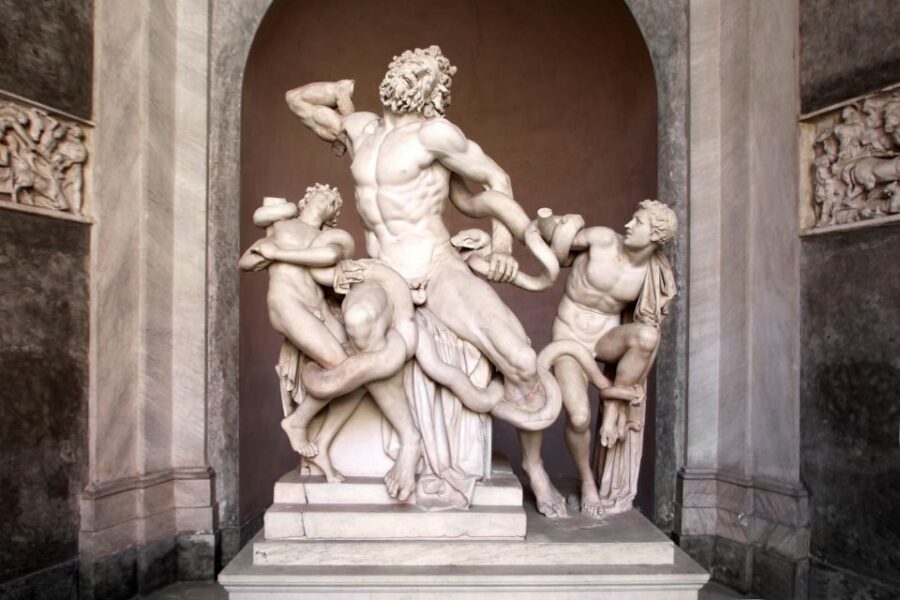
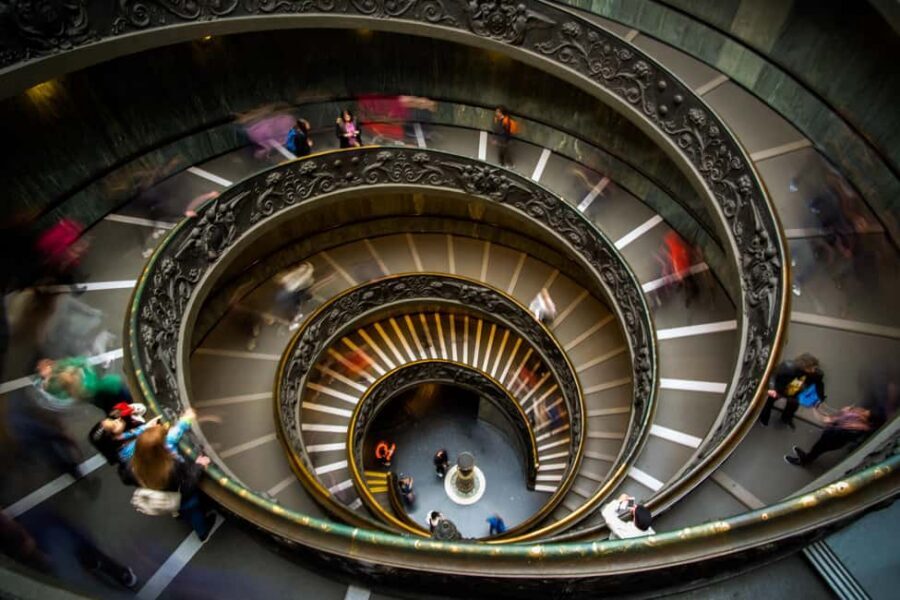
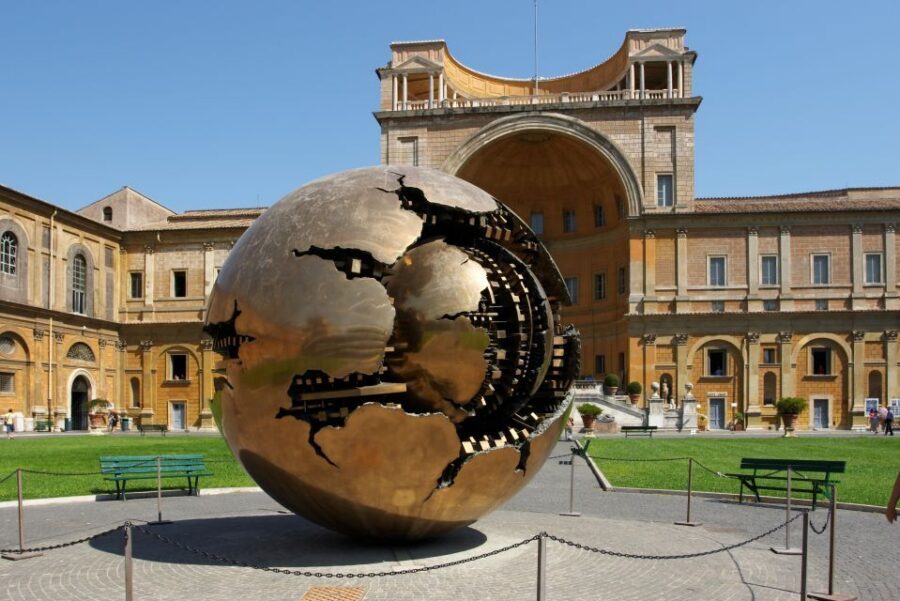
The tour begins with your guide leading you into the Vatican Museums through the organized route, so you don’t need to figure out the maze entry on your own. From the start, you’ll pass through multiple rooms of Ancient Greek and Roman sculpture. This early stop is more than “waiting for the good stuff.”
Here’s why it works: the Vatican collection stretches across centuries, and starting with ancient art gives your brain a baseline. You begin to notice how the museum handles scale, materials, and display styles before you hit the more narrative spaces like maps and tapestries.
Also, this part of the route helps with pacing. The Vatican is so large that even your mindset can wear down. Having a guide steer you through the opening rooms keeps your energy for the later highlights—especially the Raphael Rooms and Sistine Chapel.
If you care about learning as you go, this is where a strong guide earns their fee: they can explain what you’re looking at quickly enough to keep you moving, but clearly enough that you don’t feel lost.
Gallery of Maps: Turning Italy’s Geography Into a Visual Story
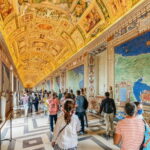
One of the standout stops is the Gallery of Maps. Instead of just seeing art as decorative objects, this room is built around information: you’ll discover the history of the Italian Peninsula through mapped visuals.
This matters because it gives the Vatican Museums a different flavor. Many first-timers expect only religious art and famous names. The maps show how the Italian peninsula was understood historically—politically, geographically, and culturally—using an art form that still feels like museum theater.
You’ll also benefit from the guide’s pacing here. The room can feel like a “look up, then look again” experience. With direction, you’re more likely to notice recurring themes and regional distinctions instead of simply walking past panels.
It’s a calm kind of wow—less about shock, more about comprehension.
Hall of Tapestries: Why These Wall Hangings Still Feel Surreal
Next is the Hall of Tapestries, where you’ll see intricate wall hangings with centuries-old detail. If you’ve ever wondered how tapestry design could survive as a visual medium, this is the kind of room that answers the question fast.
The experience isn’t just about the artwork itself. It’s about scale and texture. Tapestries are one of those things you can’t fully appreciate from photos. Standing in front of them makes you realize how patterns, borders, and scenes work together like a planned visual system.
A guide helps here because the room is designed to be visually rich, and your eyes can get distracted. You’ll be nudged toward the details that make sense of the whole composition—so it feels like you’re viewing a story, not a wall of patterns.
If you want your Vatican visit to include more variety than just sculpture and frescoes, this is one of the best choices on the route.
Other Sistine Chapel tours at the Vatican & Rome





Raphael Rooms: How to See Frescoes When the Rooms Are Packed
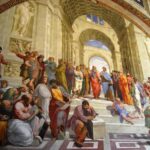
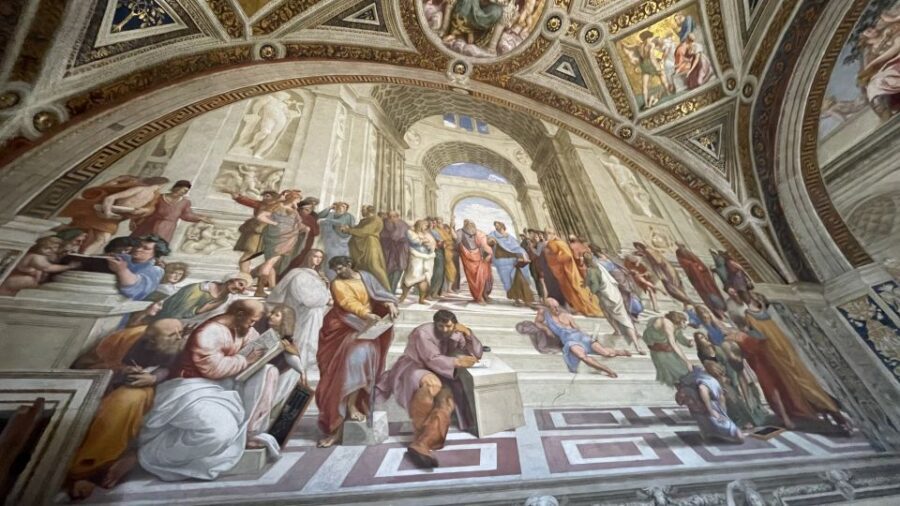
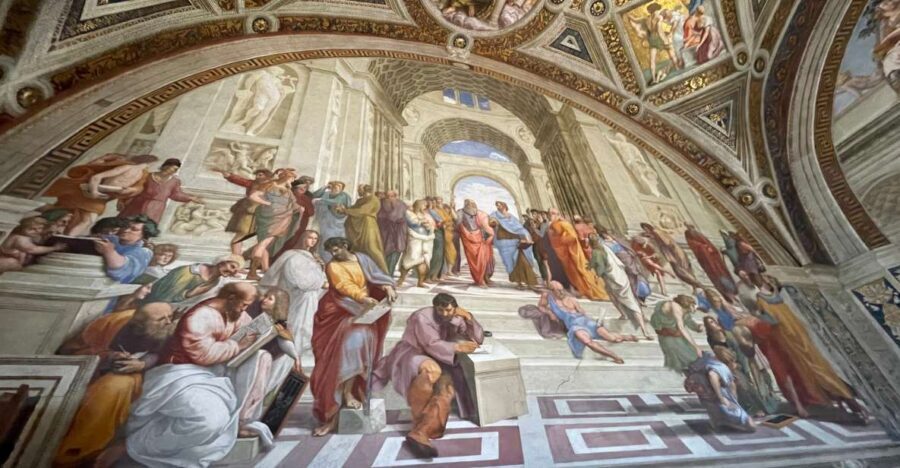
Then you move into the Raphael Rooms, where the goal is simple: see the frescoes at their best. The issue is that these rooms can be crowded, and without help you may end up at the wrong angle or squeezed behind taller people.
The guide’s job is to find the best vantage points even when space is tight. That means you’re more likely to see composition, faces, and scenes clearly—rather than catching only partial views while the crowd shuffles.
This is also where your earlier stops pay off. After seeing ancient sculpture and textile craftsmanship, you’re better prepared for Raphael’s approach to storytelling through frescoes. You can start spotting narrative flow and how different areas of a room connect.
If you’re a fan of Renaissance art, you’ll probably want more time here. The tour is structured for about 3 hours overall, so you won’t linger forever—but you’ll be guided to high-value viewing moments.
Sistine Chapel: Michelangelo’s Ceiling and the Last Judgment
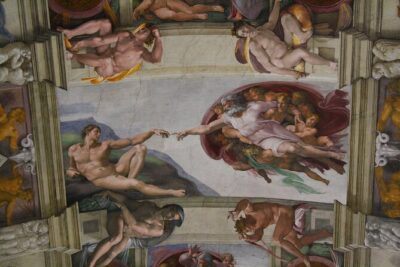
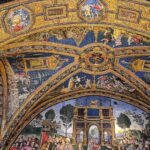
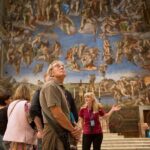
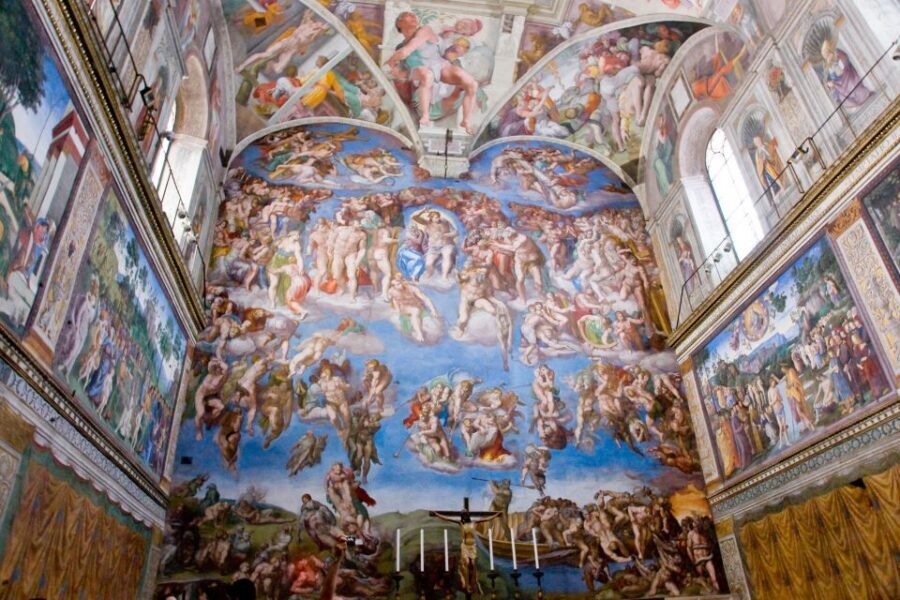
No Vatican Museums tour feels complete without the Sistine Chapel. This part is the big headline, and you’ll stand in awe at Michelangelo’s Renaissance masterpiece: the ceiling frescoes and the Last Judgment on the chapel wall.
The ceiling is the moment most people expect. But what I find just as important is how the guide frames what you’re seeing so the artwork feels organized, not random. The Sistine Chapel is full of visual power, and direction helps you take it in without getting overwhelmed.
Also note what you’re walking into: rules and crowd energy. You’re in a space where behavior matters, so the experience is more controlled than the museum floors. Your guide keeps you moving appropriately and helps you make sense of the imagery while you’re there.
Practical tip: if you’re traveling from somewhere warm, you might feel chilled in the chapel. It’s still worth bringing layers, just in case you cool off while standing still for a while.
After the Chapel: Exiting the Museums and a Possible St. Peter’s Square Detour
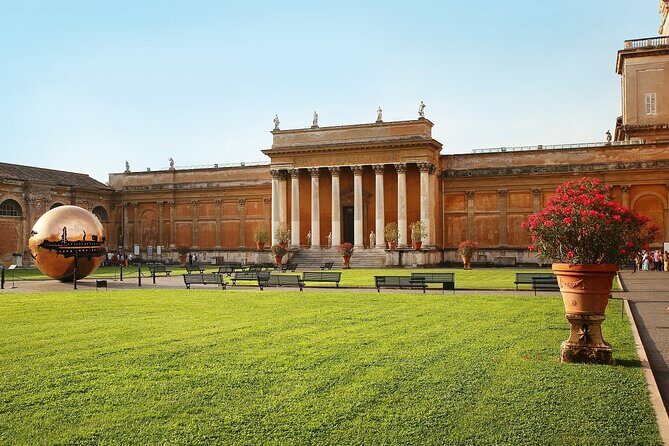
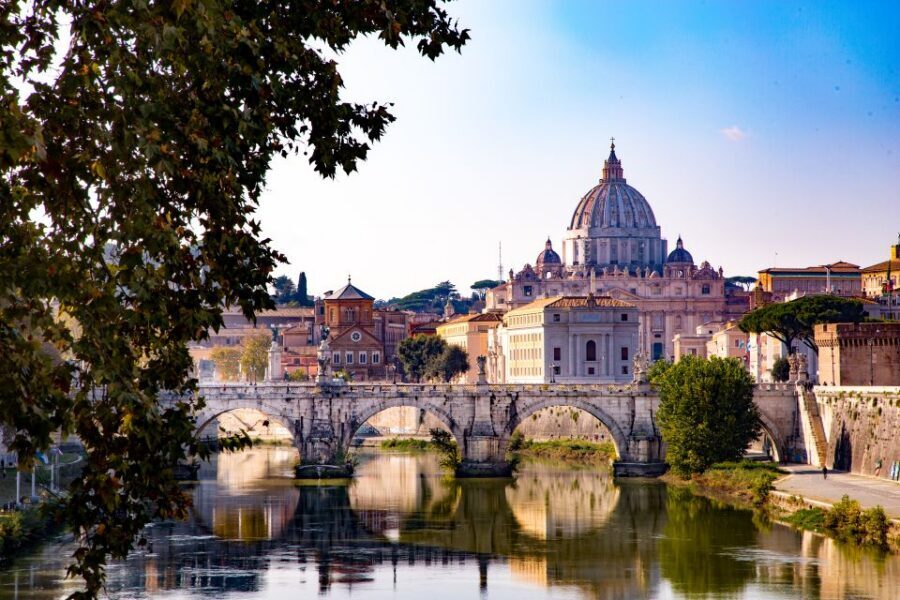
At the end, your guide takes you through to the museum exit where the tour began. Sometimes, on days when a special access door is open, the guide can escort you into St. Peter’s square and explain what you’re looking at in relation to the Basilica.
This is a nice bonus, but it’s not guaranteed. You should treat it as an occasional gift, not a promise. If that door is closed, you’ll still finish the tour at the standard exit and can decide what to do next on your own.
If you want to consider entering St. Peter’s Basilica, this is where the guide’s explanation can help you make a plan quickly.
Group Size, Headsets, and Why You’ll Probably Feel Less Frazzled
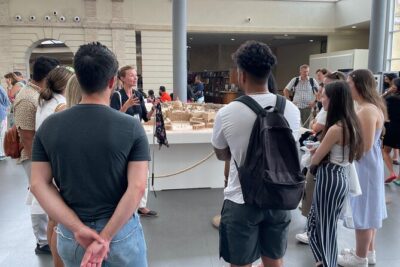
A small-group tour changes the feel of the day. With 15 people or fewer, you’re less likely to be swallowed by a crowd and left behind. That keeps you from constantly scanning for where the guide went and worrying about whether you’re too slow.
Headsets are included when appropriate. That’s not a luxury detail—it’s a clarity detail. In places where people cluster and talk volume rises, being able to hear your guide without shouting makes the tour more relaxing and more informative.
I also like that the tour is timed to about 3 hours. You get major highlights without turning your whole day into a single long endurance event. If you have other Rome plans afterward, this duration is easier to manage.
Price and Value: What $164.26 Gets You (and Why It Can Be Worth It)
At $164.26 per person, this tour isn’t the cheapest Vatican option. But the value comes from what’s included and what’s avoided.
You’re getting museum tickets for the Vatican Museums (including the Sistine Chapel), an expert local guide, and headsets when needed. Most importantly, you’re skipping the ticket line. In a place like the Vatican, time is part of the price you pay—waiting can burn your day fast, and the museum only rewards you if you can stay focused.
Is it worth it for everyone? If you enjoy wandering and you have unlimited patience for crowds, you might be able to DIY cheaper. But if your priority is seeing key rooms and actually understanding what you’re looking at, guided structure is a strong value move.
Also remember what’s not included: transportation to and from the meeting point, plus food and drink. So the total cost depends on how you handle getting there and whether you grab something nearby before or after.
Who This Tour Suits Best (and Who Should Consider Another Option)
This works especially well if:
- You want top Vatican highlights in one efficient morning/afternoon block
- You prefer a clear route with expert guidance instead of navigating independently
- You’re visiting for the Sistine Chapel and want help making sense of it
- You’d rather be in a small group than a large herd
It might feel less ideal if:
- You strongly want unstructured museum wandering and extra time in a single room
- You can’t meet the dress rules (no hats, shorts, sleeveless tops, or short skirts)
- You’re arriving late or can’t reliably make a 15-minute early check-in
Should You Book This Vatican Museums and Sistine Chapel Tour?
I’d book it if you want a guided, high-impact Vatican day without the stress of figuring out routes through a maze. The combination of skip-the-line entry, small-group pacing, and focused stops at Gallery of Maps, Hall of Tapestries, Raphael Rooms, and the Sistine Chapel makes it a strong fit for first-timers—and also for repeat visitors who want a smarter route.
If you’re coming prepared for the rules (ID, dress code, and security), this is one of those experiences where paying for guidance saves you time and helps you see more of what you came for.
FAQ
How long is the Rome Vatican Museums and Sistine Chapel guided tour?
The duration is about 3 hours.
Does the tour include Sistine Chapel tickets?
Yes. Tickets to the Vatican Museums, including the Sistine Chapel, are included.
Is there an option to skip the ticket line?
Yes. The tour includes skip-the-ticket-line entry.
What language is the live tour guide?
The live tour guide is in English.
What do I need to bring for entry?
Bring a passport or ID card (a copy is accepted). Proof of identification may be required, so bring valid photo ID for each guest.
Is entry to St. Peter’s Square after the tour guaranteed?
Not guaranteed. If a special access door is open, the guide may escort you into St. Peter’s square, but it depends on the day and conditions.