REVIEW · ROME
Rome: Vatican Museums & Sistine Chapel Entry Experiences
Book on GetYourGuide →Operated by Find Rome Tours · Bookable on GetYourGuide
Fewer lines can mean more art time. This Vatican Museums entry is a smart way to get past the long ticket line and spend focused time on major works—then end at Michelangelo’s Sistine Chapel. One thing to know up front: during the papal conclave period, the Sistine Chapel can be closed to the public, so access depends on your exact visit dates.
I like that this experience is mostly self-guided. You move at your own pace through Greek and Egyptian antiquity, big-name Renaissance stars like Raphael and Leonardo da Vinci, plus works by Caravaggio, all with an English electronic guidebook. The trade-off is simple: you still have to plan for crowds and a fixed entry window, and you’ll want to dress and pack correctly.
In This Review
- Key Highlights You’ll Feel Right Away
- Skip the Ticket Line, Still Plan for Security
- First Rooms: Greek and Egyptian Antiquity to Reset Your Perspective
- Big-Name Art Stops: Raphael, Leonardo da Vinci, and Caravaggio
- The Statue Circuit: Laocoön and the Apollo del Belvedere
- Signature Galleries: Gallery of Maps and the Wall-Hangings Room
- Michelangelo Build-Up: Frescoes That Make the Sistine Feel Like a Payoff
- Sistine Chapel Reality Check: Closure Windows and Photo Rules
- Electronic Guidebook (English): Use It Like a Friend, Not a Download
- Price and Value: Why Paying $44.41 Can Still Be a Bargain
- Who Should Book This Vatican Entry (and Who Might Not Love It)
- Should You Book This Vatican Museums & Sistine Chapel Entry?
- FAQ
- How long is the Vatican Museums & Sistine Chapel entry experience?
- What does this ticket include?
- Is this a guided tour?
- Do I skip the ticket line?
- Do I skip security control?
- Can I take photos?
- Are there any restrictions on what I can wear or bring?
- Is the Sistine Chapel always open?
- Can I get a refund if I cancel?
- Who is this not suitable for?
Key Highlights You’ll Feel Right Away
- Skip the ticket line so you spend your time inside the Vatican Museums, not in queues
- Self-paced routes through major galleries, with an English electronic guidebook to steer you
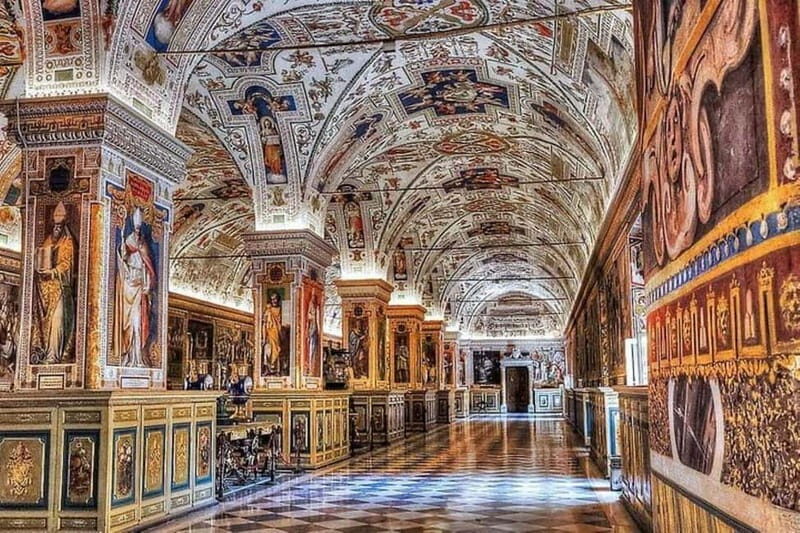
- Must-see anchors like Laocoön, the Apollo del Belvedere, and the Gallery of Maps
- Michelangelo’s scale and impact—especially as you get closer to the Sistine Chapel
- Photography rules that keep the experience respectful: flash is not allowed
- Sistine access can vary if the Chapel is closed for the papal conclave
Skip the Ticket Line, Still Plan for Security
This is built for people who want to avoid the Vatican’s worst bottleneck: the long wait for museum admission tickets. After you arrive at the meeting point, you use your skip-the-line entry to get in and go through security before heading into the collections.
What matters in real life: the ticket line is only part of the friction. Since skipping security control isn’t included, expect some waiting and keep your bag situation simple. Also, plan your visit around your time window—this activity lasts about 2–3 hours, so it’s not an all-day Vatican marathon.
Dress code and on-site rules matter too. The Vatican requires you to avoid shorts and short skirts, and flash photography is not permitted. Backpacks aren’t allowed, so bring a small day bag or something you can carry comfortably through security.
Other Vatican Museums tours we've reviewed at the Vatican & Rome

First Rooms: Greek and Egyptian Antiquity to Reset Your Perspective
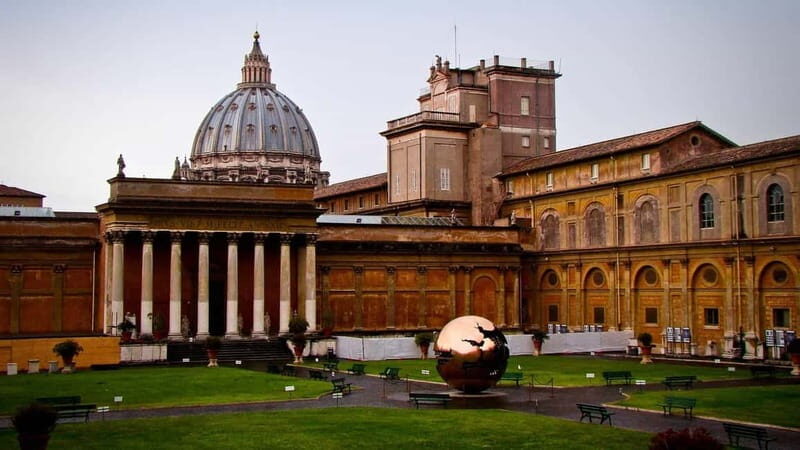
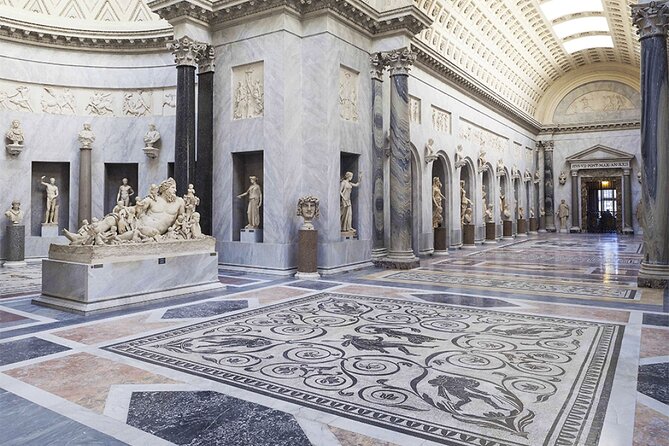
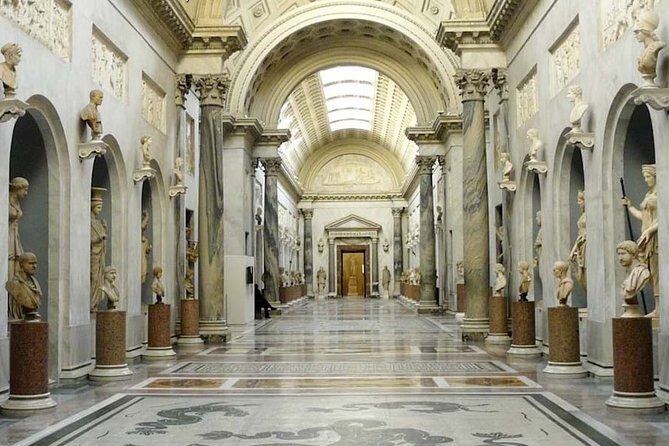
Once you’re inside, the Vatican Museums hit you with a helpful mix: ancient world galleries before the Renaissance takes over. You’ll see areas featuring Greek and Egyptian antiquity, and it’s a nice way to build context fast—because later masterpieces feel even more grounded when you’ve already seen how old art worked.
This is also where self-paced visiting pays off. You can slow down where your attention lands: a room that grabs you, a corridor you want to re-check, or a cluster of highlights you want to hit early to avoid feeling rushed later.
One practical note: with a short total duration, you’ll do best if you decide what your personal priorities are—then let the guidebook help you navigate rather than trying to see everything.
Big-Name Art Stops: Raphael, Leonardo da Vinci, and Caravaggio
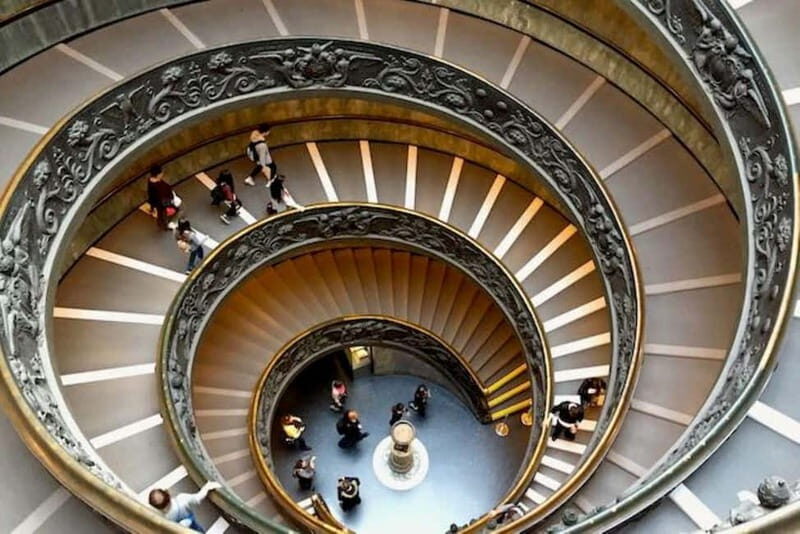
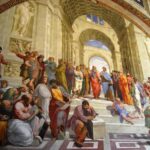
I love how the collection doesn’t treat the Renaissance like one style. Instead, you get an art course in different directions—Raphael, Leonardo da Vinci, and Caravaggio show up among the major highlights you’ll be moving through.
Caravaggio in particular often changes how people feel about the Vatican. Even when you’re not hunting for titles, his approach tends to feel immediate, dramatic, and emotionally direct. Raphael and Leonardo help balance that intensity with compositional elegance and famous mastery.
If you’re the type who likes to understand what you’re looking at, use the electronic guidebook actively. Don’t just scroll while walking—pause for a minute in front of the work, read what the guide says, then look again. That one small habit turns museum time into real learning without turning your visit into a lecture.
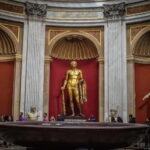
The Statue Circuit: Laocoön and the Apollo del Belvedere
If the Vatican Museums had a highlight playlist, it would include statues—and two of them are called out as standout moments: Laocoön and the Apollo del Belvedere.
These pieces are worth planning for because they work differently than frescoes. You can see them from multiple angles, you get a better sense of scale in person, and you feel how much physical storytelling sculptors built into faces, arms, and poses. With self-guided time, you can step back, reframe your view, and take your time.
It’s also a good strategy for pacing. When the building gets dense with paintings, statues can reset your brain. You get a breather while still moving through major “this is why people come” stops.
Signature Galleries: Gallery of Maps and the Wall-Hangings Room
Two gallery experiences get special mention: the Gallery of Maps and the room often described as the Gallery of Tapestries (here, think woven-wall-hangings style works displayed as dramatic interior decoration).
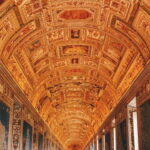
The Gallery of Maps is a classic for a reason: it gives you a geographic sweep and a sense of how the Vatican collected big ideas and big visuals. Even if you’re not an expert on cartography, the visual scale can be startling in a good way—especially when you slow down and let your eyes travel across the details.
The wall-hangings room adds contrast. Instead of frescoes and statues, you’re looking at textile-like artwork that changes how light, texture, and pattern register in your mind. It’s a nice reminder that the Vatican isn’t only about painting on walls. It’s also about how buildings perform as art displays.
Practical tip: this is the kind of stop where standing still helps. If you keep walking at museum-speed, you miss why these spaces are memorable.
Other Sistine Chapel tours at the Vatican & Rome
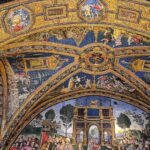
Michelangelo Build-Up: Frescoes That Make the Sistine Feel Like a Payoff
The Vatican Museums are not just random rooms. The experience is structured in a way that pulls your attention toward what comes next—Michelangelo’s frescoes.
You’ll move through major museum sections featuring famous artists, then you’ll feel the visual gravity shift as you get closer to the Sistine Chapel. That build-up is where the self-paced format shines. You can spend extra time with Michelangelo’s work in the museum spaces before you enter the Chapel, so it lands with more impact.
Also, don’t underestimate how much a museum visit depends on tempo. If you hit too fast, the masterpieces blur together. If you take short breaks—read a bit in the guidebook, step back, look longer—you’ll remember more afterward, and the Sistine Chapel becomes more than a quick stop.
Sistine Chapel Reality Check: Closure Windows and Photo Rules
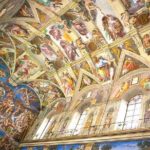
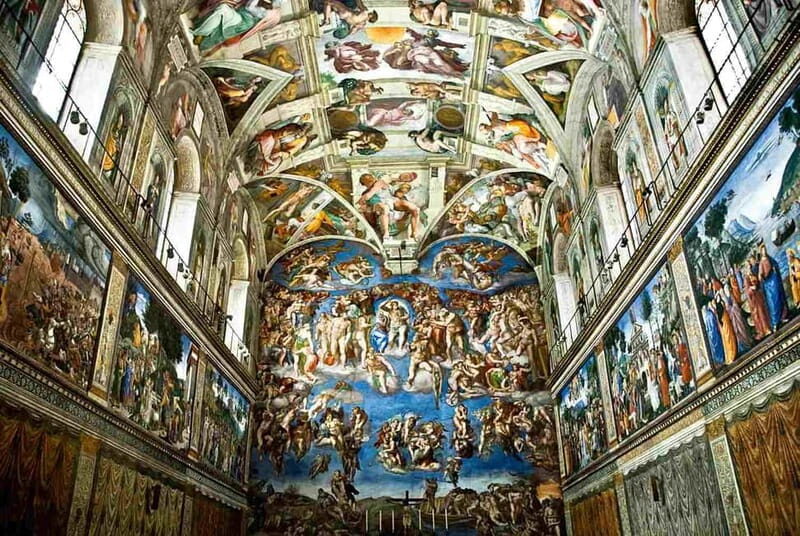
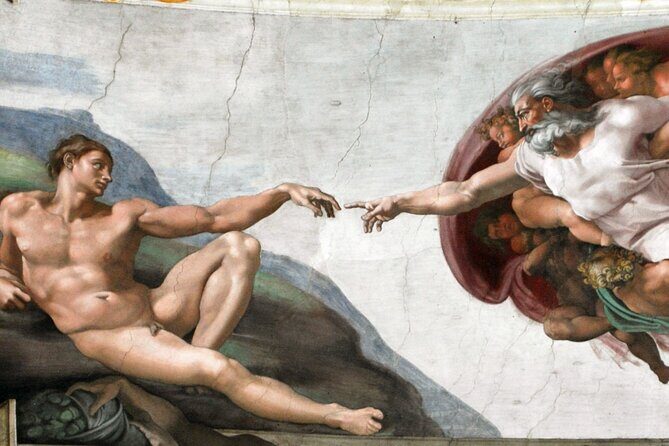
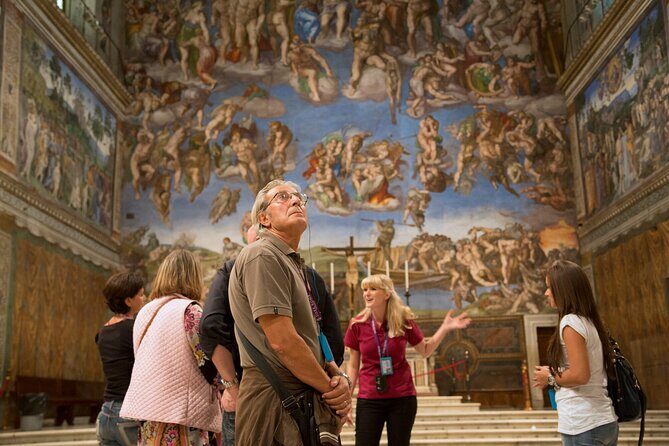
The big finish is the Sistine Chapel, where Michelangelo’s frescoes bring religious art and human anatomy together in a way that feels unforgettable. In the Chapel, you’ll want a few quiet minutes to look slowly and take in the detail—this is the place where pausing actually pays off.
Here’s the complication you must plan for: the Sistine Chapel is closed to the public during the papal conclave timeline described by your booking information. The closure began on April 21, following the death of Pope Francis, and is expected to continue until May 7, when the conclave is scheduled to commence. During that period, you can still explore the Vatican Museums, but access to the Sistine Chapel won’t be possible until after the conclave concludes.
Photography rules are also strict. Photography is allowed generally, but flash photography is not permitted. Inside the Sistine Chapel itself, the experience is controlled and the space can be crowded, so your best bet is to focus on seeing first—photos come after, if allowed.
One more thing: even with a timed entry approach, crowds can still make the Chapel feel fast. If your plan is to savor every corner, go in expecting to share space and build your patience muscle.
Electronic Guidebook (English): Use It Like a Friend, Not a Download
Instead of a classic audio tour, this experience includes an electronic guidebook in English. That’s a big value add, because it helps you connect names and themes to what you’re actually standing in front of.
The best way to use it is simple:
- Read the guide’s context for a room
- Spend a little time looking with intention
- Move on before fatigue takes over
Because your time is limited to about 2–3 hours, this guide is most helpful when you treat it like a priority tool. You’re not trying to read everything. You’re using it to choose what to linger on, especially around big icons like Michelangelo frescoes, and the named highlights such as Apollo del Belvedere and the Gallery of Maps.
If you choose a guided tour option, you’ll get a different experience style, but the baseline plan already gives you the essentials through the electronic guidebook.
Price and Value: Why Paying $44.41 Can Still Be a Bargain
The price listed is about $44.41 per person, and the data provided breaks it down more transparently: the museum admission portion is €25 for adults and €13 for under 18, while the remainder covers the electronic guidebook, advertising related to the product, and other booking fees.
So is it worth it? For most people, the value comes from time and stress reduction. Avoiding the worst ticket-line wait can matter a lot in Rome, especially if you’ve only got a half-day window. If you’re sensitive to crowds and lines, paying a bit above the base ticket price often feels like the practical choice.
You’re also getting a structured experience: entry ticket, access to the museum route and Sistine Chapel access where available, plus the electronic guidebook. That combination tends to work well when you want independence without showing up blind.
Who Should Book This Vatican Entry (and Who Might Not Love It)
This is a strong match if:
- You want self-paced museum time instead of feeling trapped on a tight schedule
- You care about big, famous highlights like Michelangelo and the Sistine Chapel
- You’d rather navigate with an English guidebook than rely on a live guide for every detail
It can be less ideal if:
- You’re visiting during the Sistine Chapel closure window and your main goal is specifically the Chapel
- You need an extremely low-crowd experience, since major Vatican spaces can still feel busy
- You have mobility or comfort concerns related to long indoor walking (the experience isn’t suitable for people over 95, per the provided info)
Also, remember the constraints: no backpacks, and you need to dress appropriately with no shorts or short skirts.
Should You Book This Vatican Museums & Sistine Chapel Entry?
I’d book it if your priority is efficient entry plus the freedom to move at your own speed. The skip-the-line ticket concept is the main reason—when it saves you time, it saves your energy, and that makes the art feel more real.
Book it with one important caveat: check the Sistine Chapel closure dates for your visit. If your trip lands in the conclave window, you’ll still enjoy the Vatican Museums route, but you shouldn’t plan on Sistine access.
If you’re flexible on the outcome and focused on the museum highlights—Laocoön, Apollo del Belvedere, the Gallery of Maps, and Michelangelo’s presence throughout—you’ll likely come away feeling like you used your hours well.
FAQ
How long is the Vatican Museums & Sistine Chapel entry experience?
It runs about 2 to 3 hours. Start times vary, so you’ll want to check availability for the specific time slot you can book.
What does this ticket include?
You get an entry ticket to the Vatican Museums, access to the Sistine Chapel, and an electronic guidebook in English.
Is this a guided tour?
A guided tour is not included by default, but it may be available if you select the guided tour option. Otherwise, you’ll have the electronic guidebook.
Do I skip the ticket line?
Yes. This experience is designed to help you skip the ticket line and get into the Vatican Museums faster.
Do I skip security control?
No. Skip-the-line entry is included, but skipping security control is not included.
Can I take photos?
Photography is allowed, but flash photography is not permitted.
Are there any restrictions on what I can wear or bring?
Yes. Shorts and short skirts are not allowed, flash photography is not allowed, and backpacks are not allowed.
Is the Sistine Chapel always open?
No. The Sistine Chapel is closed to the public during the papal conclave period described in the provided information, starting April 21 and continuing until May 7. Access to the Chapel won’t be possible until after the conclave concludes.
Can I get a refund if I cancel?
No. This activity is non-refundable.
Who is this not suitable for?
The experience is not suitable for people over 95 years.
You Might Also Enjoy
More Tour Reviews in Rome
- Skip-the-Line Group Tour of the Vatican, Sistine Chapel & St. Peter’s Basilica
★ 4.5 · 12,779 reviews