REVIEW · ROME
Rome: Vatican Museums & Sistine Chapel Private Evening Tour
Book on GetYourGuide →Operated by LivTours - We craft tours, you live them · Bookable on GetYourGuide
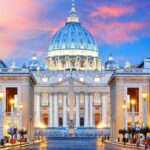
Night in the Vatican changes everything. A private evening run-through means skip-the-line entry and galleries that feel more like a guided stroll than a crowd shuffle, with art explained clearly by guides such as Giovanni and Christina. I like how the focus stays on the pieces you’ll remember, not a checkbox sprint.
Two things I especially like: you get to hit the big Sistine Chapel moment in softer evening light, and the guides steer you toward smart viewing spots and details people often miss. One drawback to plan for: the Sistine Chapel comes with strict rules, including no photography and mandatory silence, so you’ll want to go in ready to put your phone away.
In This Review
- Key highlights that make this night tour worth it
- Why the Vatican feels different after dark
- Meeting at Café Vaticano: simple logistics, smoother start
- Courtyard of the Pigna and Cortile del Belvedere: where sculpture sets the tone
- The “must-see” galleries: tapestries and maps before Raphael
- Raphael Rooms: where standing in the right spot changes everything
- Sistine Chapel: rules you must respect, and how to make it feel calm
- Price and value: what $288.88 per person buys you
- Who this private night tour suits best (and who might pass)
- Should you book this Vatican Museums & Sistine Chapel private evening tour?
- FAQ
- FAQ
- How long is the Vatican Museums and Sistine Chapel private evening tour?
- Where do we meet for the tour?
- Do I need to bring ID?
- Is the tour wheelchair accessible?
- Can I take photos in the Sistine Chapel?
- Do I need to be silent during the Sistine Chapel visit?
- What languages are available for the guide?
- Is food and drink included?
- Is the group private?
Key highlights that make this night tour worth it
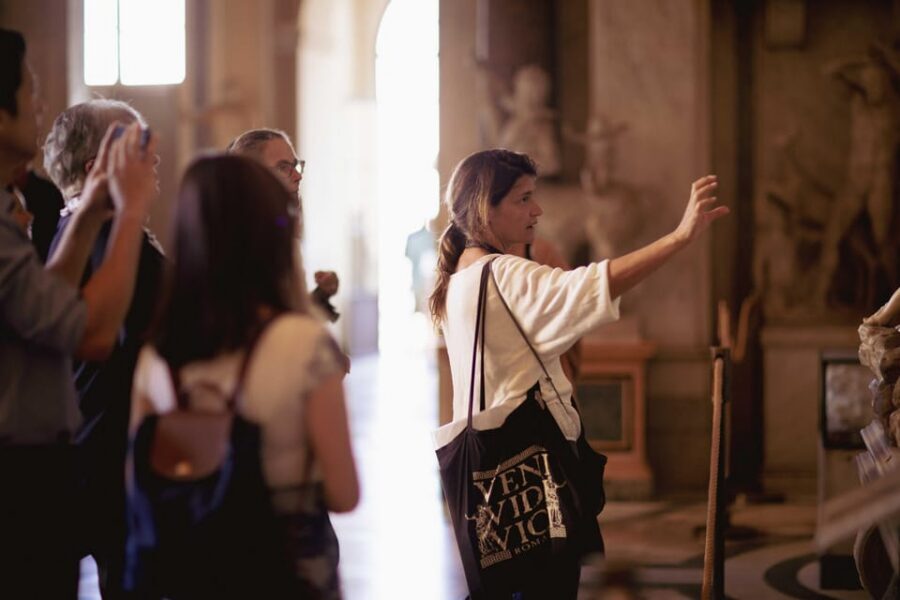
- Skip the long lines with separate entrance access so you lose less time at the gates
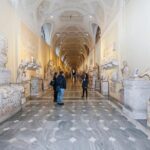
- Evening pacing across major galleries without daytime heat and throngs
- Sculpture stops like the Belvedere Torso and the Laocoön and Apollo pieces
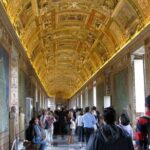
- Gallery of Maps (40 panels by Ignazio Danti) plus tapestry work with Raphael’s school connections
- Raphael Rooms + the School of Athens leading right into the Sistine Chapel mood
Why the Vatican feels different after dark
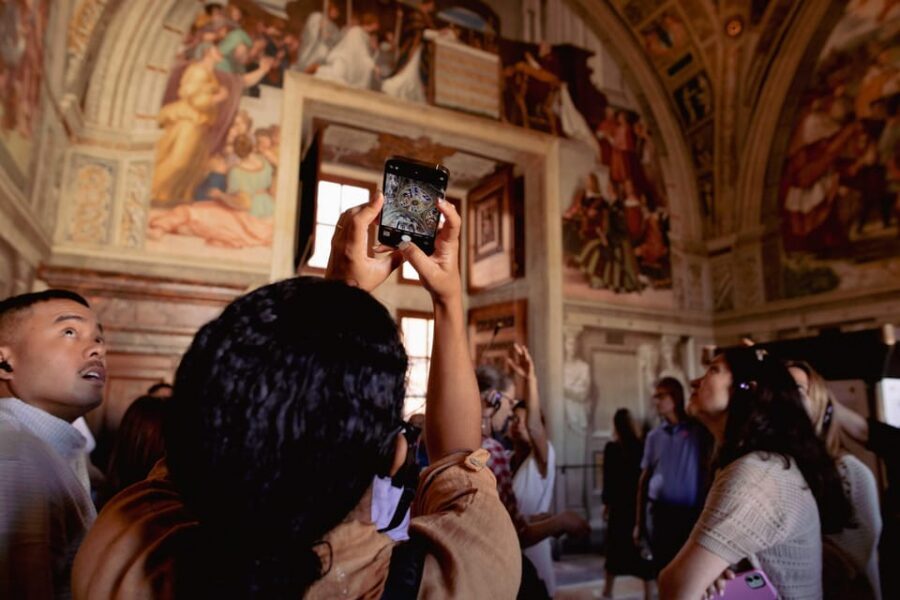
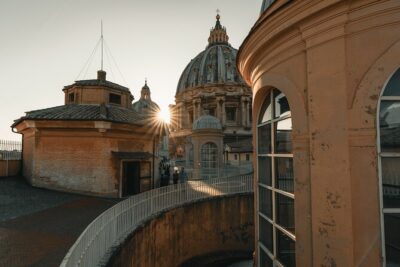
The Vatican Museums can be intense in daytime: packed rooms, fast-moving lines, and that constant feeling of being swept along. An evening tour flips the script. When you enter in softer light, you notice more than you think you will. Surfaces, textures, and even the colors in fresco cycles start to make sense, because you’re not fighting crowds and glare at the same time.
This kind of timing also helps with comfort. The tour avoids the worst of daytime heat, which matters because you’ll be on your feet for a good chunk of the evening. Instead of “museums as a workout,” it becomes “museums as a story.” The guide shapes what you look for, so you’re not staring at walls trying to guess what you’re supposed to care about.
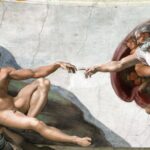
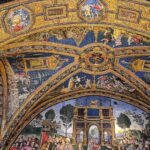
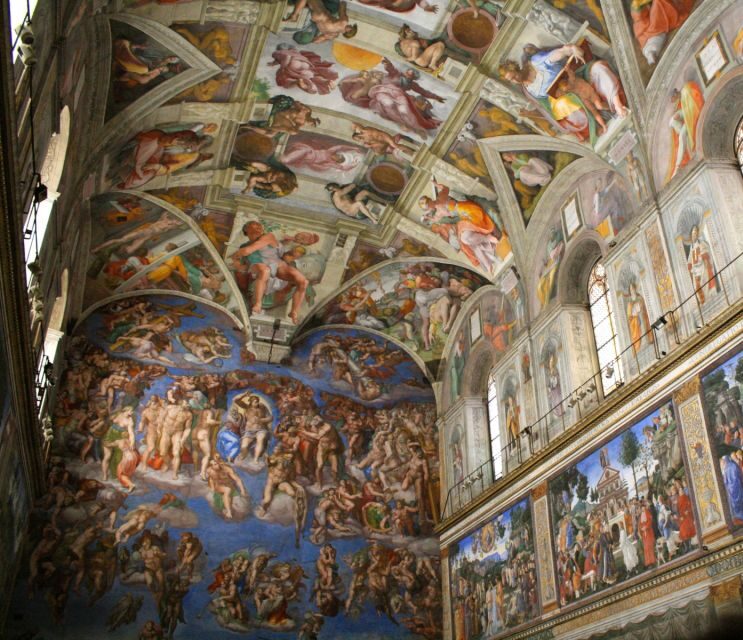
And then there’s the Sistine Chapel. Evening light is described as reflecting through the lunette arched windows, and that detail isn’t just poetic. It changes how the ceiling lands in your brain. You’re still looking at a massive ceiling program—8,000 square feet of painting—but the slower, calmer light helps your eyes adjust and your mind follow the scene-to-scene logic.
Other Vatican Museums tours we've reviewed at the Vatican & Rome
Meeting at Café Vaticano: simple logistics, smoother start
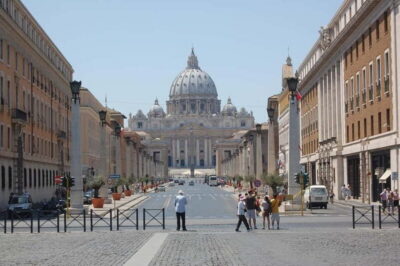
You meet at Café Vaticano, Viale Vaticano 100, directly across from the Vatican Museums entrance. The practical tip here is boring but important: arrive about 15 minutes early so you’re not rushed before you even start.
Because this is a private group tour, the vibe is different from a bus-tour stampede. The guide can keep the route flowing and still pause when you need a moment. That matters in the Vatican, where people often look up, look down, and accidentally lose the thread. In a private evening setting, the guide’s rhythm helps you keep your bearings.
A few “bring it right” notes from the rules you’ll be expected to follow:
- Backpacks aren’t permitted inside the museums, so travel light.
- You’ll need a government-issued ID for all guests, regardless of age.
- The guide’s explanations happen with the understanding that you’re ready to move and listen.
If you’re coming with mobility needs, the tour is wheelchair accessible, but it’s still smart to contact the provider early so they can adjust the itinerary if needed.
Courtyard of the Pigna and Cortile del Belvedere: where sculpture sets the tone
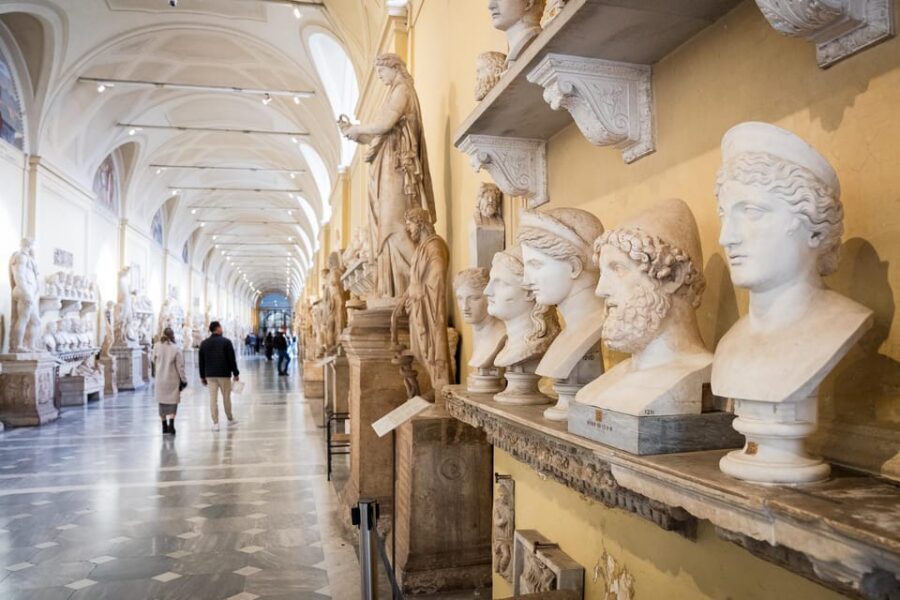
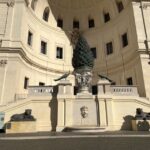
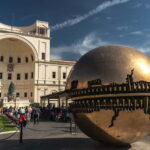
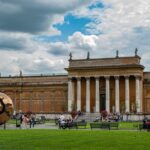
The tour begins with an architectural and sculpture warm-up: Courtyard of the Pigna (often called the Pinecone Courtyard) and then Cortile del Belvedere (Belvedere area). These courtyards are more than pretty breaks. They tell you how the Vatican Museums think. This place isn’t just a collection; it’s a machine for seeing—framed views, set pieces, and visual staging.
At the Pinecone Courtyard area, you get a moment to slow down before you dive into galleries. The evening timing also makes these open-air-ish spaces feel like a pause in the night, not another packed room.
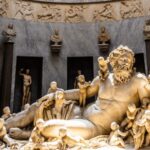
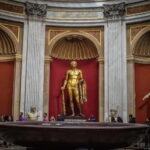
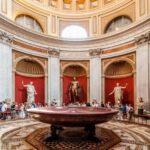
Then you move into the Belvedere zone, where the included highlights can make your jaw do that involuntary thing. You’ll see the Belvedere Torso, the Laocoön sculpture, and the Apollo statue. The guide will connect why these matter, including the fact that the Belvedere Torso even influenced Michelangelo while he worked on the Sistine Chapel.
Here’s what I think is most valuable about this opening stage: it primes your eye. When you first encounter classical sculpture and the way bodies are posed and carved, the later Renaissance art hits with more context. You’re no longer thinking of the Vatican as random eras. You start to see the dialogue between the ancient and the later masters.
Potential drawback to know: courtyards can be great photo moments, but your photography permissions change once you get inside the museums and especially in the Sistine Chapel. Plan to enjoy the outdoor shots while you can, then accept that the ceiling moment is phone-free.
The “must-see” galleries: tapestries and maps before Raphael
After the sculptural grounding, the tour shifts into two galleries that give the Vatican a slightly different flavor than plain statues.
First up is the Gallery of Tapestries. This stop matters because tapestries weren’t decorative background in their time—they were storytelling at scale. You’ll see designs connected to Raphael’s students, and a good guide will point out how that works: patterns, figures, and how the imagery is meant to be read from a distance.
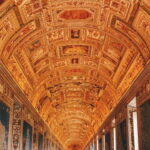
Then comes the Gallery of Maps with 40 painted topographical panels by Ignazio Danti. Maps inside the Vatican Museums can sound like a detour if you’re expecting only paintings and sculpture. But in practice, it does something useful: it shows the “thinking” behind the collection. It’s not just about beauty; it’s about knowledge, world-imagining, and how people in earlier centuries understood geography.
This is also where a good guide saves you from the most common museum mistake: spending too long in the first room you see. The pacing here is meant to keep you moving through the big mental steps—ancient form, decorative storytelling, then mapped knowledge—so that when you reach Raphael, it feels earned rather than random.
If you get tired, this is also the part of the evening where you’ll feel it most. The rooms are not physically huge compared to some palaces, but there’s a lot to look at. The guide’s job is to help you look smarter, not harder.
Raphael Rooms: where standing in the right spot changes everything
The Raphael Rooms are one of those places where people either rush, or they stare so long they lose the overall structure. This tour aims for the middle: guided direction plus enough time to actually take the paintings in.
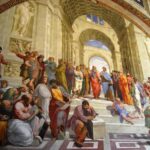
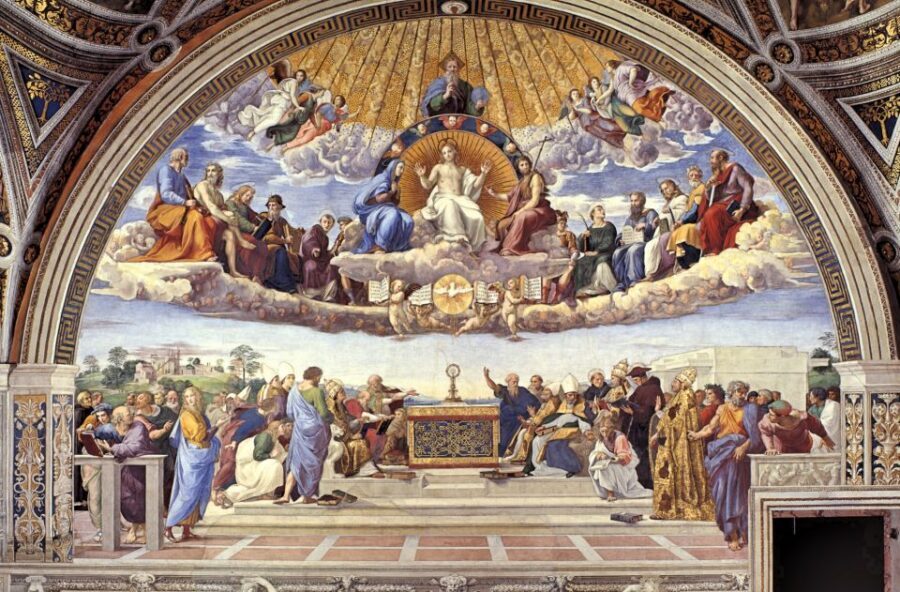
You’ll move through the rooms with the guide’s stories, and you’ll be pointed toward the School of Athens—one of the most famous works linked to Raphael. Even if you’ve seen it in books, seeing it in person hits differently. The figures, the perspective tricks, the way the composition organizes attention—it becomes a living argument about learning, debate, and order.
One standout detail from guide experiences is that Christina led people toward the right viewing points so you can appreciate the Raffaello paintings while still staying out of the way of other visitors. That’s a small thing that makes a big difference. In these rooms, where you stand affects what you can see and how comfortable you feel around other people.
A practical note: if you have trouble moving your body quickly while looking up at ceilings and walls, tell the guide early. Since it’s a private group tour, they can usually adjust the flow so you don’t feel pressured.
And then, when you’re ready, the tour steers you onward toward the Sistine Chapel. The buildup is intentional. Raphael helps you understand why the Sistine ceiling was such a lightning bolt: it’s part of a larger artistic momentum, not an isolated genius display.
Other Sistine Chapel tours at the Vatican & Rome
Sistine Chapel: rules you must respect, and how to make it feel calm
The Sistine Chapel stop is the headline, but it’s not just the ceiling. It’s the feeling of arrival: you settle in, the space changes your volume, and the guide’s lead-in matters.
Here are the key rules you’ll be expected to follow:
- No flash photography and no photography at all inside the Sistine Chapel.
- Silence is mandatory in the Sistine Chapel, with explanations provided beforehand.
- Your guide will share context before you’re quiet, which is what makes the silence bearable instead of awkward.
The evening timing is the other big factor. The tour description highlights delicate evening light through the lunette arched windows. Whether or not you’re an art-history nerd, that kind of lighting makes the ceiling less like a museum poster and more like something you’re inside.
You’ll have time to admire the painted ceiling area—described as 8,000 square feet, painted in about four years. The guide helps you “read” it instead of just viewing it as a busy ceiling. When the guide frames what you’re looking at, you stop getting overwhelmed. You start noticing relationships: faces, gestures, repeated shapes, and how sections connect.
One more included item you might notice during the broader route: Bernini’s bronze canopy is listed as part of what you’ll see. Depending on how the timing and internal flow shake out, you’ll get a sense of how later Baroque grandeur fits into Vatican spaces that also celebrate earlier classical and Renaissance art.
Price and value: what $288.88 per person buys you
At about $288.88 per person, this tour isn’t the cheapest way to see the Vatican Museums. It’s the kind of price you pay for three things you actually feel during the experience:
- Time savings from skip-the-line access. At the Vatican, time isn’t a vibe. Waiting can eat your evening. Reducing that friction is often worth more than you expect.
- A guide who directs your looking. The biggest value isn’t someone talking at you; it’s someone choosing what to point out and when. Giovanni’s approach, for example, focused on rare, unusual, extraordinary pieces rather than showing everything. That’s a smart way to spend a limited amount of time.
- Evening comfort. Fewer crowds and a cooler feel helps you enjoy the galleries instead of just surviving them. That directly affects how much you remember and how much you enjoy standing in front of Raphael.
If you want a self-guided wander with audio and zero structure, you can do that. But if you’d rather understand what you’re seeing and want the Sistine Chapel moment without the daytime stampede feeling, this private evening format is usually a good match.
One caution on value: the best experience depends on your tolerance for the Sistine rules. If you’re the type who really wants photos for the ceiling, you’ll have to accept that you won’t get that exact kind of souvenir.
Who this private night tour suits best (and who might pass)
This tour fits you well if:
- You want major highlights without a long queue.
- You like guided art interpretation tied to what you can actually see in the moment.
- You enjoy the Sistine Chapel more when the guide sets the scene first.
- You prefer evening pacing—less heat, less crowd pressure.
It might be less ideal if:
- You want tons of free time to roam entirely on your own schedule.
- You need photography inside the Sistine Chapel (it’s not allowed).
- You plan to bring larger bags or backpacks (they’re not permitted).
Because it’s private, it also tends to work nicely for people who want a calmer experience without the chaos of large groups. And since the guide languages listed include English, French, and Spanish (with other options also offered), language support is strong if you pick the right one for your group.
Should you book this Vatican Museums & Sistine Chapel private evening tour?
If your goal is to see the Vatican at a human pace, with fewer lines and more meaning, I think this is a smart buy. The evening timing, the line-skip access, and the way guides focus attention on key sculptures and rooms make a difference in how the whole visit lands. You also get the Sistine Chapel experience with the rules handled the right way—explained beforehand, then quiet and respectful.
Book it if you’re ready to put your camera away in the Chapel and let the guide help you slow down. Skip it if you want to treat the Vatican like a choose-your-own-adventure photo hunt.
FAQ
FAQ
How long is the Vatican Museums and Sistine Chapel private evening tour?
The tour lasts 3 hours. Start times vary, so you’ll need to check availability for the exact evening slot.
Where do we meet for the tour?
Meet in front of Café Vaticano, Viale Vaticano 100, across the street from the Vatican Museums entrance. Arrive 15 minutes early.
Do I need to bring ID?
Yes. All guests, regardless of age, must present a government-issued ID.
Is the tour wheelchair accessible?
Yes, the tour is listed as wheelchair accessible. If you have mobility concerns, contact the provider early so the itinerary can be adjusted.
Can I take photos in the Sistine Chapel?
No. Photography is not allowed inside the Sistine Chapel, and flash photography is also not allowed in the Vatican Museums.
Do I need to be silent during the Sistine Chapel visit?
Yes. Silence is mandatory in the Sistine Chapel, and your guide will explain things beforehand.
What languages are available for the guide?
The guide languages listed include Spanish, English, and French. Other languages are also offered in the tour information, so check the options when booking.
Is food and drink included?
No. Food and drink are not included, so plan to eat beforehand or bring what you can manage before you start.
Is the group private?
Yes. This activity is a private group tour with a live guide.