REVIEW · ROME
Rome: Vatican Museums & Sistine Chapel Skip-the-Line Entry
Book on GetYourGuide →Operated by THE ROMAN TOUR S.r.l. · Bookable on GetYourGuide
Skip the queue and the day gets smarter. This skip-the-ticket-line Vatican Museums entry helps you start faster, and then you’re free to roam at your own pace instead of syncing up with a group schedule. The trade-off is simple: there’s no guided tour included, so you’ll want to be OK reading the room and choosing what to focus on.
I also like that the route is built around the big hitters you actually came for, including Michelangelo at the Sistine Chapel plus the Raphael Rooms and a few signature galleries like the Greek Cross Gallery and the Gallery of Maps. One possible drawback to plan around: the Vatican can close on certain public holidays, and the booking is non-refundable, so double-check your date and opening status before you go.
In This Review
- Key Points That Make This Visit Work
- Skip-the-Ticket-Line Entry: What Changes in the First 15 Minutes
- The Museum Route: Greek Cross Gallery to the Masks
- Greek Cross Gallery: Stone Stories in a Curved Space
- Cabinet of the Masks: When the Museum Gets Strange (in a Good Way)
- Sala degli Animali: Fantastic Beasts and Real Wonder
- Raphael Rooms and Borgia Apartments: The Renaissance Payoff
- Raphael Rooms: Big Names, Big Impact
- Borgia Apartments: A Place to Regroup
- Gallery of Maps and Upper Galleries: Read the World Like a Cartographer
- Why This Stop Is Worth Time
- Upper Galleries: Use Them Strategically
- Sistine Chapel: Michelangelo’s Ceiling and the Photo Rules
- How to Make the Most of It
- No Flash Photography
- Meeting Point and Pace: How to Avoid a Stress Spiral
- Price and Value: Is $70 Worth It for a 3-Hour Visit?
- Who This Works Best For (and Who Should Rethink)
- Should You Book This Skip-the-Line Vatican Entry?
Key Points That Make This Visit Work
- Skip-the-ticket-line entry so you spend your time inside, not in line outside.
- Self-paced touring across major galleries, letting you slow down where you care most.
- Greek Cross Gallery and Cabinet of the Masks for curvy-carved stone sarcophagi and eerie face-focused details.
- Gallery of Maps for a clever reality check on how Europeans pictured the world over time.
- Raphael Rooms and Borgia Apartments as a change of pace before you hit the Sistine Chapel.
- Sistine Chapel entry with strict photo rules, including no flash photography.
Skip-the-Ticket-Line Entry: What Changes in the First 15 Minutes
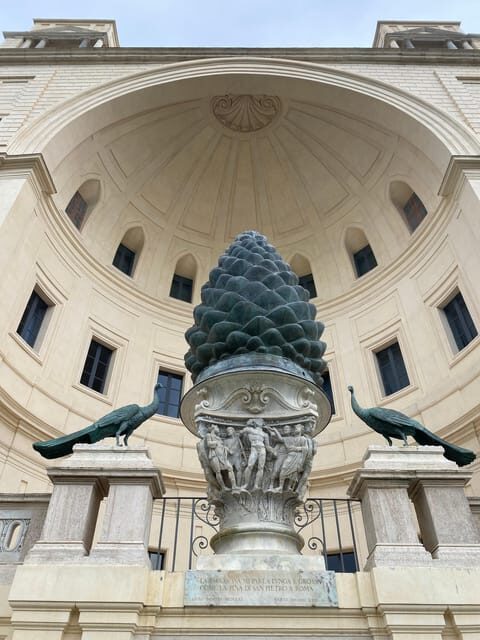
The Vatican Museums are famous for lines. This experience is designed to cut that first bottleneck down, using skip-the-ticket-line access so you can get into the Museums sooner and start walking right away. Once you’re in, the plan stays flexible: you’re visiting at your own pace for about 3 hours.
That matters because Vatican Museums time is weird. You can easily burn an hour just getting to the first highlight, then suddenly you feel rushed. With a timed, pre-arranged entry, you’re more likely to hit the Raphael Rooms and make it to the Sistine Chapel without sprinting through everything.
Other Vatican Museums tours we've reviewed at the Vatican & Rome
The Museum Route: Greek Cross Gallery to the Masks
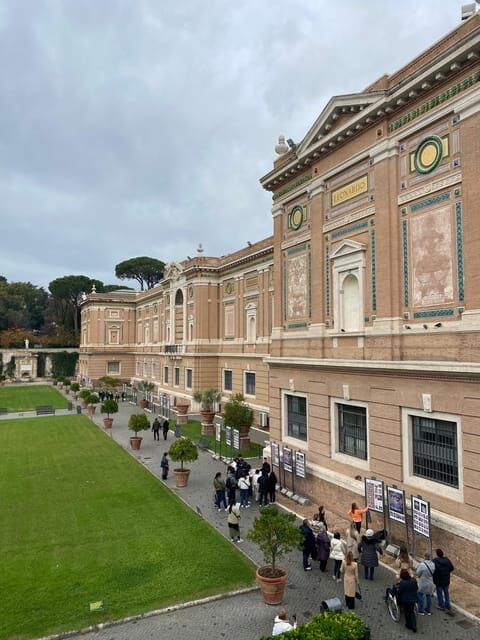
After you check in at Via Tunisi 5a at City Rome Tours, you’ll work your way through a route that mixes art, sculpture, and museum oddities—exactly the combo that makes a fast, self-paced visit feel complete.
Greek Cross Gallery: Stone Stories in a Curved Space
In the Greek Cross Gallery, the big visual hook is the display of elaborately carved sarcophagi. The fun part is imagining what you’re looking at: some of these pieces are presented as possible resting places of famous kings and queens from antiquity. Even if you don’t memorize names, the sheer craftsmanship does the job.
This is also a nice place to reset your brain. The Vatican can feel like art overload. A slower look at sculpture details—faces, borders, carved scenes—helps you transition from one era to the next instead of flipping pages in your mind.
Cabinet of the Masks: When the Museum Gets Strange (in a Good Way)
Next comes the Cabinet of the Masks, a smaller-feeling stop with a big personality. The emphasis is on masks—how they’re made, what shapes they take, and the way the collection makes you think about performance, identity, and symbolism.
If you like when museums show you the weird, human side of history, this stop will feel like a breather. It’s memorable without requiring you to be an expert.
Sala degli Animali: Fantastic Beasts and Real Wonder
There’s also a reference point for the Sala degli Animali, described as a kind of virtual menagerie of fantastic beasts—real and imagined. That matters because it tells you what to expect in the route: not everything is purely formal or sacred. You’ll see playful imagination sitting right next to major masterpieces.
Other Sistine Chapel tours at the Vatican & Rome
Raphael Rooms and Borgia Apartments: The Renaissance Payoff
This is the section where the day starts to feel worth it in a hurry. The route includes the Raphael Rooms—where Renaissance masters are front and center—and then you get a break in the Borgia Apartments.
Raphael Rooms: Big Names, Big Impact
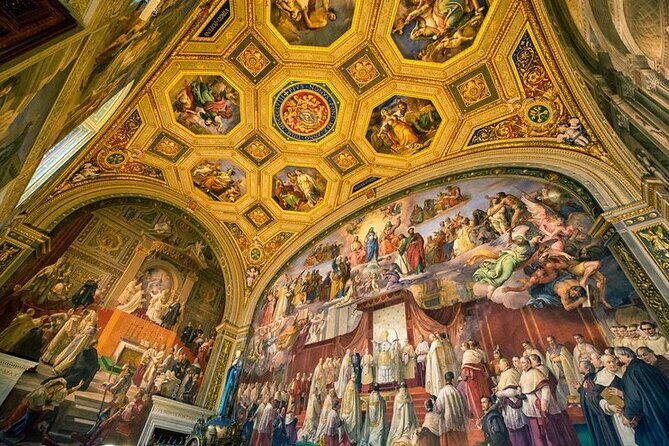
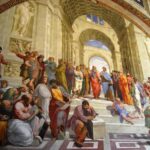
The Raphael Rooms are where you go to see why people still talk about these paintings centuries later. The practical value here is that you don’t have to hunt for relevance. These are among the most famous rooms in the Vatican Museums, so if your time is limited, it’s smart to spend it here.
Because this is self-paced, you can do what most people can’t: linger on the details that catch your eye, then move on before you feel stuck. If you rush, you’ll miss the texture and composition. If you slow down, you’ll feel the difference.
Borgia Apartments: A Place to Regroup
After the intense focus of major painting rooms, the Borgia Apartments offer a chance to rest for a while. That pause is not just comfort—it’s pacing. In a 3-hour experience, breaks help you stay sharp, especially because you’ll still need energy for the Sistine Chapel.
If you’re carrying water, take advantage of it here. The Vatican walking gets real, and you’ll appreciate fueling before you end in the most crowded stop.
Gallery of Maps and Upper Galleries: Read the World Like a Cartographer
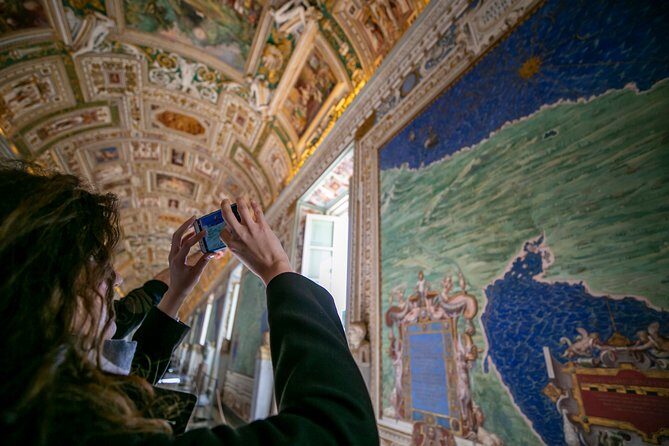
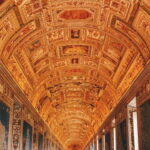
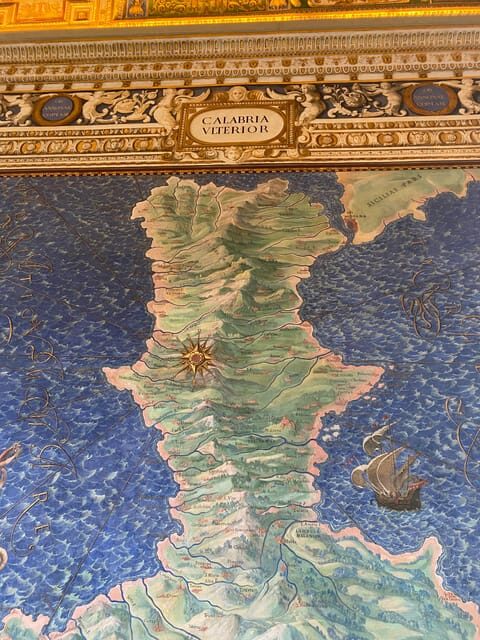
One of the more interesting inclusions is the Gallery of Maps. Instead of another room of religious art, you get cartographers showing how people depicted the world through different eras. It’s a surprising shift, and it helps the whole visit feel more varied.
Why This Stop Is Worth Time
Even if maps aren’t your favorite subject, this room gives you context. You start to see that history isn’t just dates and empires—it’s also what people believed about geography, distance, and what counted as real. You can stand back and recognize the dramatic differences in style across time.
Because you’re doing this at your own pace, you can skim and still get the core idea, or you can slow down and compare how each period handled the unknown parts of the world.
Upper Galleries: Use Them Strategically
The route also includes Upper Galleries beyond the map room. That’s helpful because it means you’re not just bouncing between a few isolated highlights. You get a broader museum rhythm without needing to plan a full day.
The catch with self-paced touring is that you can wander too long. If you want the best odds of making it to the Sistine Chapel smoothly, treat these Upper Galleries as support acts: enjoy, but keep your eyes on time.
Sistine Chapel: Michelangelo’s Ceiling and the Photo Rules
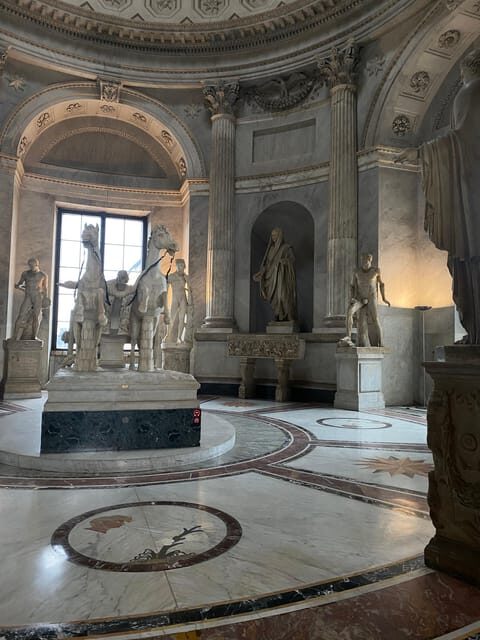
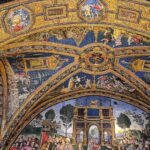
Then comes the moment everyone plans around: the Sistine Chapel. This is described as the crown jewel of the Vatican, and the focus is Michelangelo’s work.
How to Make the Most of It
The most practical advice is to decide how you want to see it before you get inside. The ceiling draws you upward fast, and your neck will do the rest. If you go in expecting to take perfect photos, you might end up annoyed. Better approach: take in what you can and accept that your memories will be visual, not photographic.
No Flash Photography
Flash photography is not allowed. That rule is easy to follow, but it affects behavior—people will be quieter, and the room feels more delicate. If you’re carrying a camera, keep it ready, use normal settings if you’re allowed to photograph, and avoid drawing attention.
Also, plan your movement. This is where crowds tend to squeeze people together, and your 3-hour window becomes about smart flow, not wide open space.
Meeting Point and Pace: How to Avoid a Stress Spiral
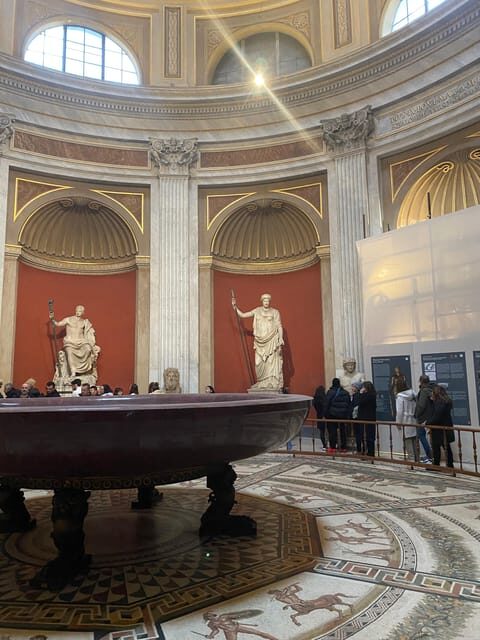
You check in at Via Tunisi 5a, inside the City Rome Tours office. There’s no hotel pickup or drop-off, so you’ll be handling getting yourself there on your own.
Because your visit is self-paced, your success depends on two things: showing up prepared and choosing a sensible order inside. The included route should carry you through major stops, but you can still lose time by backtracking or getting distracted in the wrong room for too long.
Here’s what will help most:
- Wear comfortable shoes. You’ll do a lot of walking.
- Bring water so you don’t run dry before the Sistine Chapel.
- Have your ID ready: a passport or ID card is required, and a copy is accepted for passports.
You’ll also want to keep any small items you might need accessible—camera, water bottle, and your ID—so you’re not rummaging mid-route.
Price and Value: Is $70 Worth It for a 3-Hour Visit?
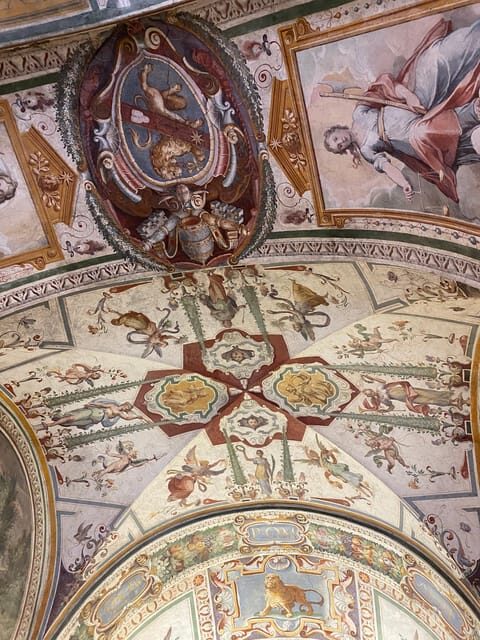
At $70 per person for about 3 hours, you’re paying mainly for time and convenience: skip-the-ticket-line entry and guaranteed access to the Vatican Museums and the Sistine Chapel. You’re not paying for a guide, since guided commentary isn’t included.
That can be good value if you fit this pattern:
- You already know what you want to see (Raphael Rooms, Sistine Chapel, and a few signature galleries).
- You’re comfortable navigating on your own and using your curiosity as the guide.
- You want to avoid the line-stress that can swallow a half-day.
It may be less ideal if you need structure and explanation in the moment. In that case, you might want to pair this with your own tools—like a guidebook or an audio option—so the paintings and rooms don’t feel like a list.
One more value consideration: there’s a real risk of wasted plans around certain holidays, including a reported case where museums were closed on an Easter Monday date. Since the experience is non-refundable, treat your travel dates as part of the planning, not just the calendar invite.
Who This Works Best For (and Who Should Rethink)
This experience is best for visitors who want the essentials without committing to a full day, and who like museum wandering with clear anchors. If you love art but also enjoy odd museum corners like masks and maps, the mix here is a strong match.
It’s not suitable for people with mobility impairments or wheelchair users, so if that applies to you, you’ll need a different plan built around accessibility.
If you’re the type who gets overwhelmed by too much information, the self-paced format can be a win. If you’re the type who needs someone to connect the dots, you’ll likely feel the missing guidance.
Should You Book This Skip-the-Line Vatican Entry?
Book it if you want a time-efficient, self-paced route that hits major highlights—Greek Cross Gallery, Cabinet of the Masks, Raphael Rooms, Gallery of Maps, and the Sistine Chapel—without spending your morning in a ticket line. The skip-the-ticket-line value is real, and the 3-hour window is long enough to enjoy, not just rush.
Think twice if your dates fall around public holidays or if you strongly prefer guided interpretation. With non-refundable terms and a reported history of holiday closures, your best move is to verify opening status for your exact day before you commit.