REVIEW · ROME
Skip the Line Tour: Vatican Museums and Sistine Chapel
Book on Viator →Operated by Greenline Tours · Bookable on Viator
Skip the line, save your patience. This Vatican coach tour pairs fast-track entry to the Vatican Museums with a real guide plus hearphones, so you’re not stuck in the slowest part of the day. The trade-off is pace: there’s a lot of walking and standing, and you may not get long, quiet time in each room.
I like how the route targets the big visual hits you actually came for, like the Sistine Chapel ceiling and the mix of museum highlights such as the Gallery of Maps and the Gallery of Tapestries. One caution: Vatican rules are strict (especially dress and security), so even with skip-the-line, you still need to be ready for checks and a busy crowd flow.
In This Review
- The real value: skip queues, then get expert context
- Coach ride to Vatican City: views and a smoother start
- Inside the Vatican Museums: tapestries, maps, and crowd control
- Sistine Chapel: Michelangelo’s ceiling in a time box
- St. Peter’s Basilica and La Pieta: what you gain by staying on schedule
- Dress code and security: the Vatican rules that can ruin your morning
- How fast is too fast? What the pace feels like
- The full-day Christian Rome upgrade (if you want more than just the Vatican)
- Who this tour suits best (and who should think twice)
- Quick take: value for $126.50 and whether it’s worth it
- Should you book this Vatican skip-the-line tour?
- FAQ
- How long is the tour?
- What does skip the line mean here?
- Is admission to the Sistine Chapel included?
- Is admission to the Vatican Museums included?
- Does the tour include St. Peter’s Basilica?
- What if St. Peter’s Basilica is closed?
- Is pick-up and drop-off included?
- What dress code do I need for the Vatican Museums?
- Is this tour okay for people with walking difficulties?
The real value: skip queues, then get expert context
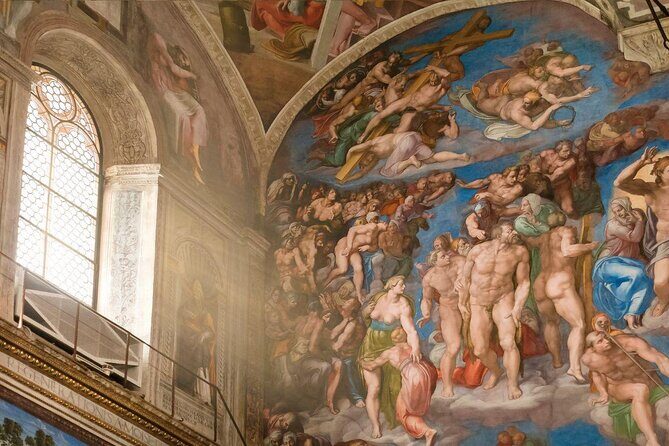
This tour is built around one goal: reducing the time you spend inching forward with everyone else. The fast-track ticket means you bypass the long entry line that can stretch up to two hours, which is the difference between enjoying your day and feeling like you’re rationing your attention.
You also get hearphones, which matters more than people think. In a place where many groups overlap, clear audio helps you follow what your guide is pointing out—whether it’s why the Flemish tapestries exist in the first place or how Michelangelo’s Sistine ceiling works as a visual system. Guides in this program have been praised for keeping groups together and explaining details that you’d miss on your own (names that came up include Max, Ricardo, Francisco, Cathleen, and Laura).
The only drawback is that a “skip-the-line” ticket doesn’t create extra time inside the Vatican. It usually just shifts the pressure from the front door to the walk-and-stand rhythm once you’re in.
Coach ride to Vatican City: views and a smoother start
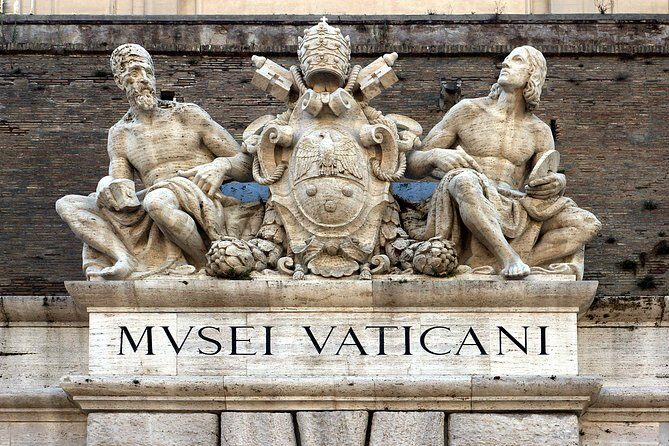
The tour starts with an air-conditioned coach near Rome’s Termini area. You roll through classic sights on the way: Piazza del Popolo, a crossing of the Tiber River, and views of Castel Sant’Angelo. It’s a nice warm-up because it gives you an orientation moment before you’re swallowed by the Vatican complex.
Practical note: your voucher says the tour begins at Piazza della Città Leonina, 8, and it ends back there. At the same time, the experience also describes boarding a coach near Termini. What I suggest is simple: read your exact meeting instructions carefully the week of your trip, and plan to arrive a bit early so you’re not trying to solve the start-time puzzle in a crowd.
Other Vatican Museums tours we've reviewed at the Vatican & Rome


Inside the Vatican Museums: tapestries, maps, and crowd control
Once at the Vatican Museums, you go through security at metal detectors. Even with fast-track entry, expect to wait about 20–30 minutes to clear security. That’s still a wait, but it’s usually far shorter than the full entry line you’d face without the tour.
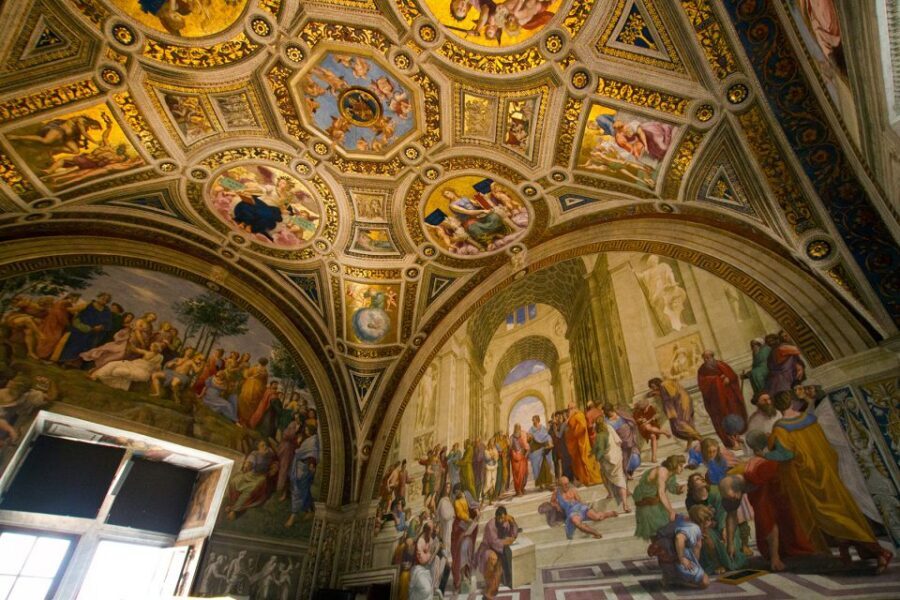
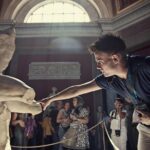
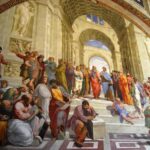
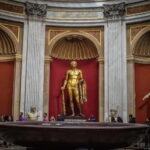
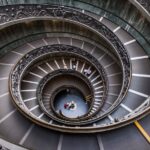
Then the route becomes the real point of the experience. You move down Giuseppe Momo’s bronze spiral staircase, a standout architectural touch that also sets the tone—this place doesn’t just house art, it choreographs how you see it. From there, you learn about the Flemish tapestries that line the walls and how they connect to Renaissance painting traditions: they were based on works made from paintings by students of Raphael. You’ll also get background tied to the broader Raphael world—angels and cherubs are part of that visual language—and it helps the museum rooms feel less like random galleries.
Two specific highlights are built into the itinerary:
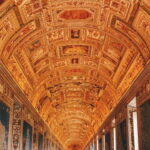
- Gallery of Maps: This is the kind of room where your guide can save you from skimming. Without explanation, people often walk past it as “cool decoration.” With context, it turns into a snapshot of how people once understood geography and power.
- Gallery of Tapestries: You’re not just looking at textiles; you’re seeing a major example of how Renaissance ideas were translated into large-scale wall art.
Is it perfect? No. Several reviews describe the museum as crowded, noisy, and moving fast. That’s not surprising: the Vatican is packed, and group routes overlap. If your ideal museum experience is slow reading and unhurried looking, you’ll feel the pressure here.
Sistine Chapel: Michelangelo’s ceiling in a time box
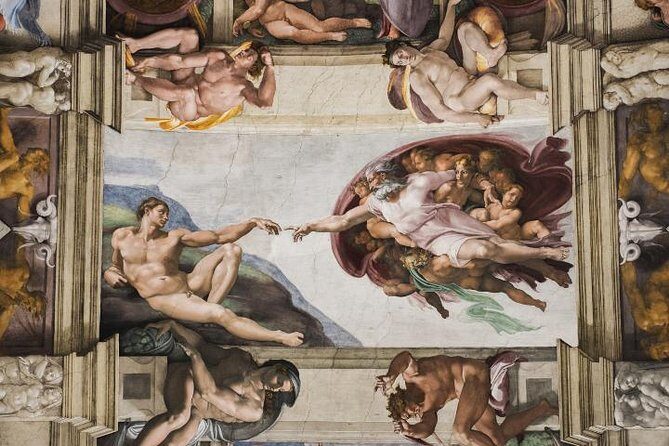
Your itinerary lists the Sistine Chapel as a stop of about 30 minutes, with admission included. This is the moment most people dream about, and it’s also the hardest to control because the chapel is one of the most popular rooms on earth.
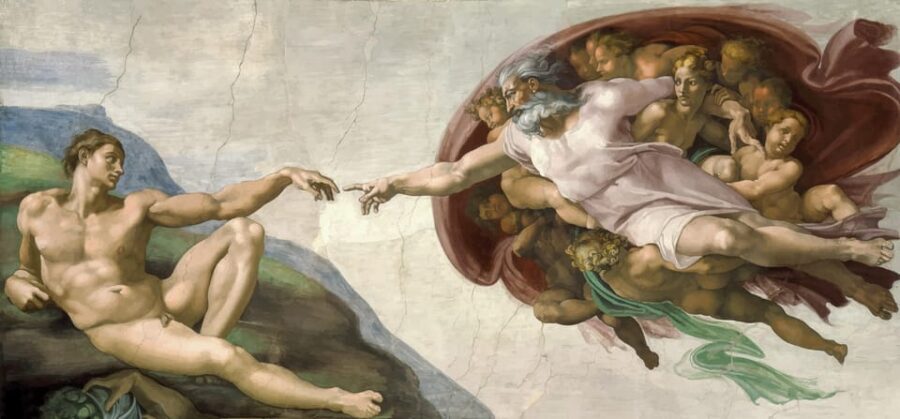
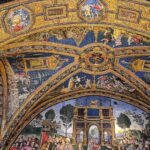
What you can expect is a guided visit focused on Michelangelo’s famed fresco on the ceiling. The guide’s job is to help you see the story and structure, not just the most famous faces. That kind of framing can make even a short visit feel more meaningful—especially if you’ve ever stared at the chapel and thought, I know this is important, but where do I start?
The realistic catch is time. Multiple accounts mention limited time in the chapel (some people reported closer to 10–15 minutes). Even when the tour is well run, you’re still sharing space with many other groups. If you want a long, slow, reflective Sistine experience, you’ll likely want a second, free-form visit later—or choose a different kind of Vatican strategy.
St. Peter’s Basilica and La Pieta: what you gain by staying on schedule
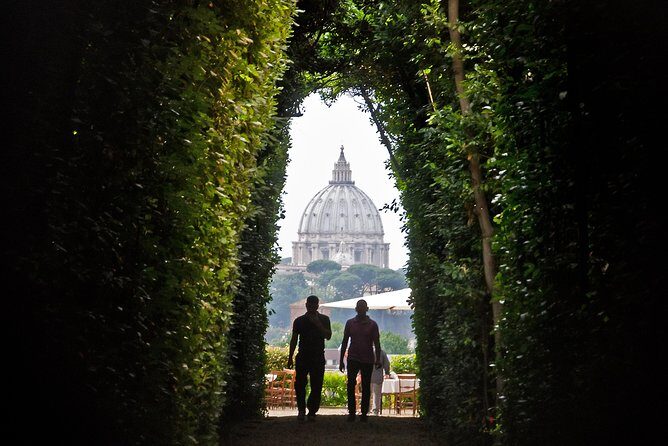
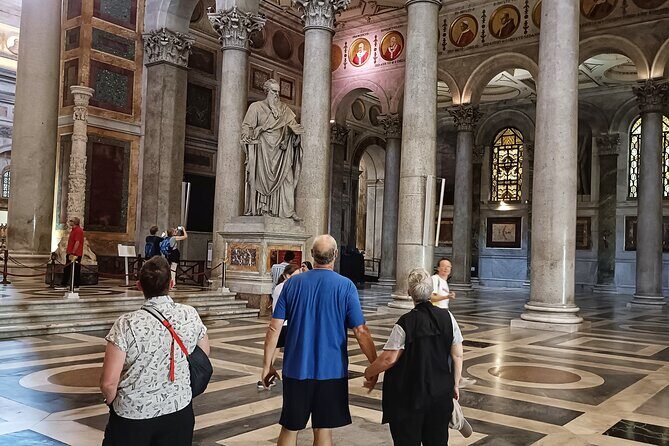
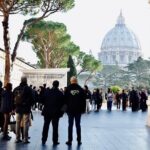
After the Sistine Chapel, the tour moves to St. Peter’s Basilica. Your route includes seeing Michelangelo’s La Pieta and getting history and building stories from your guide. This part can be especially satisfying if you like church architecture and want the “how it all came together” thread instead of just viewing artwork as objects.
A practical note: St. Peter’s Basilica visit is conditional on opening hours. If it cannot be visited because it’s closed, the schedule adds more time inside the Vatican Museums instead. That’s a useful contingency because it protects your day from turning into a disappointment.
One more scheduling reality: some people felt they didn’t get enough time once inside the basilica. If you’re the type who wants to wander St. Peter’s Square afterward, remember the tour ends with the group logistics, and you may not linger as long as you’d like unless your plan includes independent time.
Dress code and security: the Vatican rules that can ruin your morning
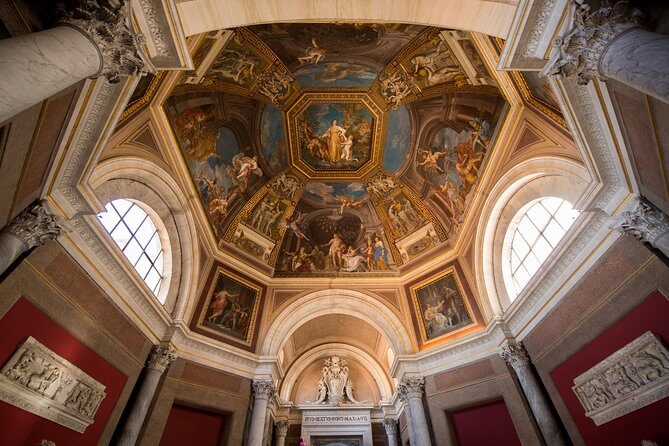
The Vatican Museum dress code is strictly enforced: knees and shoulders must be covered for both men and women. If you show up in shorts or a sleeveless top, you risk being refused entry.
You should also assume security checks will slow you down even with skip-the-line. Plan to wear easy layers and keep a compact bag. Metal detectors are fast for many people, but you’re still moving through a shared bottleneck.
One more small but important consideration: this tour isn’t recommended for people with walking difficulties. The pace is tight, and the rooms are crowded. Even if you can walk, standing and quick transitions between spaces can be tiring.
Other Sistine Chapel tours at the Vatican & Rome



How fast is too fast? What the pace feels like
This tour’s tone is “efficient.” That’s what most people love, because it keeps your Vatican day from turning into a waiting marathon. But efficiency can slide into rushing if your group is large or the flow is blocked.
Common themes from the experience:
- Guides can’t pause forever because other groups need space and time management keeps everyone together.
- Some guides explain clearly and patiently; others may speak quickly or have an accent that’s harder to follow through hearphones.
- There may be limited time to stop, look longer, and take your own path in each room.
My advice is to pick your goal before you go. If your goal is to cover the big Vatican hits with context and minimal queue time, this works well. If your goal is slow art appreciation and lots of breathing room, you should consider adding extra unscheduled museum time.
The full-day Christian Rome upgrade (if you want more than just the Vatican)
There’s an optional full-day upgrade that combines the Vatican portion with Christian Rome in the afternoon. If you like religious history and want more than museums-and-chapel, it’s a strong add-on.
The afternoon route includes major landmarks and some very memorable pilgrim stops, such as:
- Esquiline Hill and the Basilica of Santa Maria Maggiore
- St. John Lateran (the official church of the pope)
- The Holy Steps: a rumored staircase from Pontius Pilate’s palace, where pilgrims climb 28 steps on their knees and pray for each step
- The Sancta Sanctorum (Holy of Holies), described as a room linked to sacred relics
- The Appian Way, plus the Chapel of Domine Quo Vadis, tied to an imprint believed to be Christ’s ghost-like footprint
- Catacombs
- The Baths of Caracalla ruins
You also get practical resolution at the end of this longer day, with a hotel drop-off or drop-off in town (depending on the exact option).
One caution: the longer you keep yourself on a schedule, the more the need for breaks and pacing becomes your responsibility. If you’re doing the full-day upgrade, I’d treat it as two trips in one day.
Who this tour suits best (and who should think twice)
This is a smart choice if:
- You’re first-timing the Vatican and want the top highlights in one day
- You hate wasting hours in lines and want the day to feel efficient
- You like guided storytelling that connects art to people, power, and belief
- Your language comfort is English, since the tour is offered in English
This might not be ideal if:
- You want unhurried museum time or quiet “linger and read” moments
- You have limited mobility or need frequent breaks
- You get frustrated by crowded spaces where many tour groups overlap
- You’re hoping for a very detailed, room-by-room museum deep scan—this tour is designed to keep moving
Also, check your expectations about what’s included inside the Vatican Museums. Some people felt certain areas weren’t part of their specific route when crowds pressed the schedule. Your best move is to confirm with the operator what major rooms are prioritized for your exact departure time, especially if you’re chasing something specific like a particular Raphael area.
Quick take: value for $126.50 and whether it’s worth it
At $126.50 per person for about 3 hours, the value comes from two things: access management and guidance. You’re paying for the fast-track entrance element and a professional guide with hearphones. If you were planning to do this on your own, you’d still face security and crowd flow, and you’d likely lose a chunk of your day to waiting.
You’re not paying for luxury or long pauses. You’re paying to compress the “queue pain” into a manageable timeline, while getting explanations along the way. For many visitors, that’s the right trade.
If you’re the kind of person who can handle crowds and likes a guided run through the best rooms, this is a good use of money. If you’re the kind of person who wants to slow down and study at your own rhythm, you may feel the constraints and wish you’d done a different format.
Should you book this Vatican skip-the-line tour?
Book it if you want a practical, efficient Vatican day: fast entry, an informed guide, and the core must-sees bundled together—Sistine Chapel and St. Peter’s Basilica included. It’s especially appealing if you’re time-poor and you’d rather spend your energy looking at art than standing in lines.
Think twice if you need lots of rest, move slowly, or you’re sensitive to crowd noise and quick transitions. In that case, you might prefer a smaller-group or a different visit strategy with more flexible time.
If you do book, come dressed for the dress code, accept that security still adds waiting, bring water if allowed, and go in with one clear goal: see the highlights with context, then—if you still want more—plan a second pass on your own.
FAQ
How long is the tour?
The tour is listed as about 3 hours.
What does skip the line mean here?
It means you use a fast-track entrance to the Vatican Museums to avoid the long entry line (which can take up to two hours).
Is admission to the Sistine Chapel included?
Yes. The itinerary lists the Sistine Chapel stop with an admission ticket included.
Is admission to the Vatican Museums included?
Yes. The Vatican Museums stop lists a ticket included.
Does the tour include St. Peter’s Basilica?
Yes, St. Peter’s Basilica is part of the experience, including a look at Michelangelo’s La Pieta.
What if St. Peter’s Basilica is closed?
If St. Peter’s Basilica cannot be visited because it is closed, you will spend more time in the Vatican Museums.
Is pick-up and drop-off included?
No. Pick up and drop off are listed as not included.
What dress code do I need for the Vatican Museums?
You must cover knees and shoulders. The dress code is strictly enforced.
Is this tour okay for people with walking difficulties?
The tour is not recommended for people with walking difficulties.