REVIEW · VATICAN CITY
Vatican Museums & Sistine Chapel Semi-Private Tour
Book on Viator →Operated by Rome Group Tours · Bookable on Viator
Line-cutting in the Vatican feels like cheating. This semi-private tour is built for speed and understanding, letting you get into the Vatican Museums, Sistine Chapel, and St. Peter’s Basilica without waiting in the ticket queues, while headsets help you catch every detail from your guide. I especially like the way the route moves you from big-name art (Raphael and Michelangelo) into clear explanations, and I also like that you’re not stuck in a museum the whole time—you get real time to wander St. Peter’s afterward. The main trade-off is time: the pace is energetic, so if you want to linger in every room (or do something extra like the dome), this schedule may feel tight.
I’d pack this tour idea for first-timers because it’s small (up to 6 people) and focused, not a long bus shuffle. You’ll still need to follow Vatican rules—shoulders and knees must be covered, and you must bring the right ID because the ticket is tied to the name on your booking.
Plan for a smart flow through the museum route, then the hush of the Sistine Chapel, and finally the scale of St. Peter’s Basilica. You’ll walk in with your guide, get the highlights framed, and then do your own exploring where it counts.
In This Review
- Key things I’d watch for on this Vatican tour
- Why this Vatican Museums and Sistine tour feels like good value
- Entering fast: ID rules, dress code, and what to bring (and not bring)
- Vatican Museums stop: Gallery of Maps and the Pinecone Courtyard
- Raphael Rooms (Stanze di Raffaello): politics in fresco form
- Sistine Chapel: why the pre-briefing makes a big difference
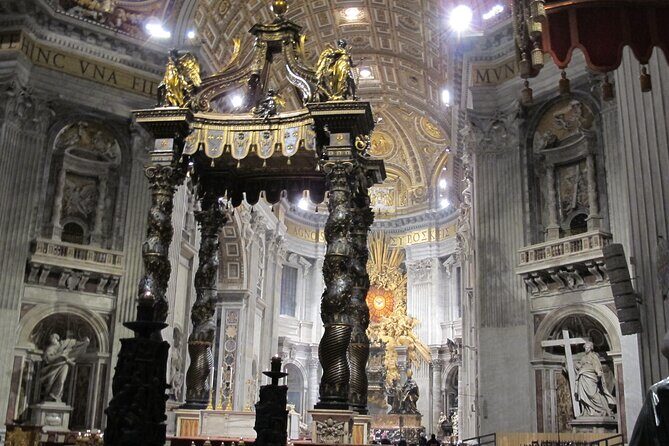
- St. Peter’s Basilica: the Pietà spotlight plus time to wander
- Small-group pacing: how to enjoy the Vatican without burning out
- Who this tour suits best (and who might feel rushed)
- Should you book this Vatican Museums & Sistine Chapel semi-private tour?
- FAQ
- How long is the Vatican Museums & Sistine Chapel tour?
- What’s included in the $92 price?
- Does this tour include skip-the-line access?
- How many people are in the group?
- What ID do I need for entry?
- What should I wear to the Vatican?
- Can I bring a backpack or large bag?
Key things I’d watch for on this Vatican tour
- Skip-the-line entry can save real hours: even when the entrance line looks brutal, you’re routed past the long queue.
- Headsets keep the guide clear: no craning your neck in crowded halls.
- A tight, high-impact route: Gallery of Maps, the Raphael Rooms, and major Sistine Chapel fresco scenes all fit in one tour.
- St. Peter’s includes both pointing-out and free roaming: you’ll get the key sights and then time to walk on your own.
- Small group pacing (max 6): enough human attention for good guidance without feeling like you’re in a parade.
- Time matters for extras: the tour is structured for seeing the essentials, not slow browsing or optional add-ons.
Why this Vatican Museums and Sistine tour feels like good value
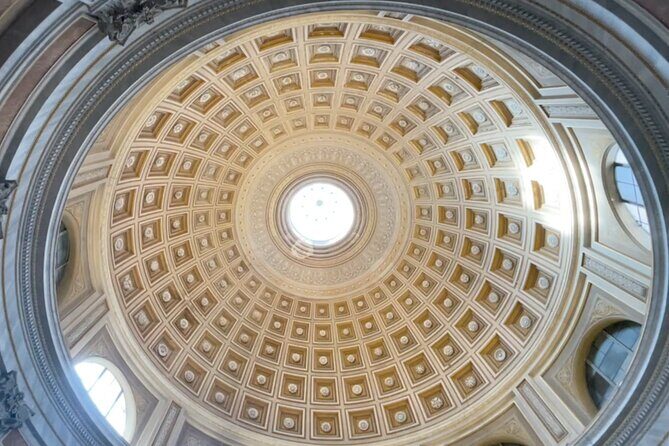
At $92, the value only really makes sense because this ticket bundles the expensive friction: skip-the-line entry, a guided route, and entrance fees included. If you’re doing the Vatican on your own, you’ll still face queues for tickets and you may spend more time figuring out what’s worth your attention than actually enjoying the art.
What I like about this setup is that it’s not trying to cover everything in the Vatican. It focuses on the big three: Vatican Museums, Sistine Chapel, and St. Peter’s Basilica. That matters because these places are so huge that a “see everything” plan usually turns into exhaustion.
You also get headsets, which is a small detail until you’re in a dense crowd. Clear audio changes how much you absorb. When you can hear the explanation over the bustle, you don’t just see frescoes—you start connecting themes, names, and political context.
The other side of the value equation is your expectations. This is not a museum safari where you stop for 20-minute photos in every room. It’s a guided sprint through the highlights, with some time left to breathe at the end in St. Peter’s.
Other Vatican Museums tours we've reviewed at the Vatican & Rome

Entering fast: ID rules, dress code, and what to bring (and not bring)
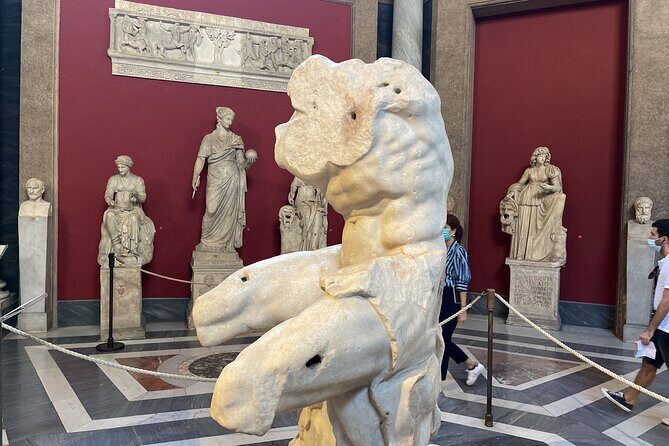
The Vatican is strict, and this tour only works smoothly if you come prepared. Your Vatican tickets are non-transferable, tied to the name on your booking. That means the name on your ID must match exactly.
Bring one of the accepted IDs:
- Passport
- Driver’s license
- Official national ID card
You also need to know what does not work: photocopies or digital versions aren’t accepted. If your name doesn’t match, entrance may be refused.
Dress code is enforced: shoulders and knees must be covered. Think “church,” not “summer.” If you arrive in shorts and a tank top, you’ll be stuck solving a wardrobe problem on-site.
For bags and comfort:
- Backpacks and large bags may not be permitted inside the Vatican Museums, so travel light.
- A water bottle is fine, and there are free water fountains where you can refill.
Check-in is time-sensitive. Check-in closes 15 minutes prior to departure, and departures are on-time with no refund if you arrive late. So give yourself buffer time to find the meeting point near the Vatican Museums.
One more practical note: this tour runs at a pace that suits people with at least moderate physical fitness. You’ll be walking through long museum corridors and standing in crowds.
Vatican Museums stop: Gallery of Maps and the Pinecone Courtyard
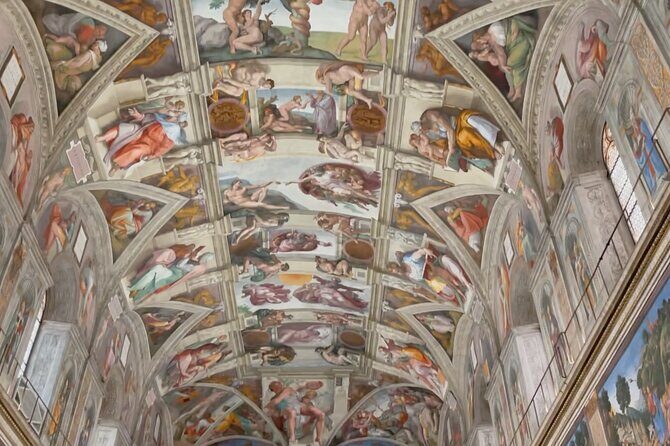
The tour starts at a pre-arranged meeting point near the Vatican Museums, then you head straight in past the ticket queues. That opening matters. When you skip the long wait, you arrive fresh enough to actually enjoy the first rooms instead of feeling like your visit began with stress.
Once inside, you start with the kind of art that’s easier to appreciate with context. In the Vatican Museums route, you’ll pass through rooms that cover multiple eras—think Medieval, Renaissance, and Baroque themes—and your guide ties them together instead of treating them like separate random collections.
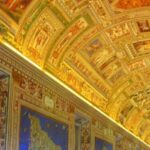
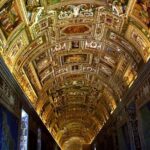
A highlight early on is the Gallery of Maps, a corridor lined with intricately painted maps of Italy’s regions. It’s not just a pretty hallway. It helps you understand how the Renaissance world thought about geography, power, and identity—how “who rules where” gets painted into culture.
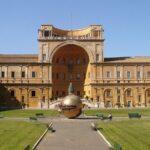
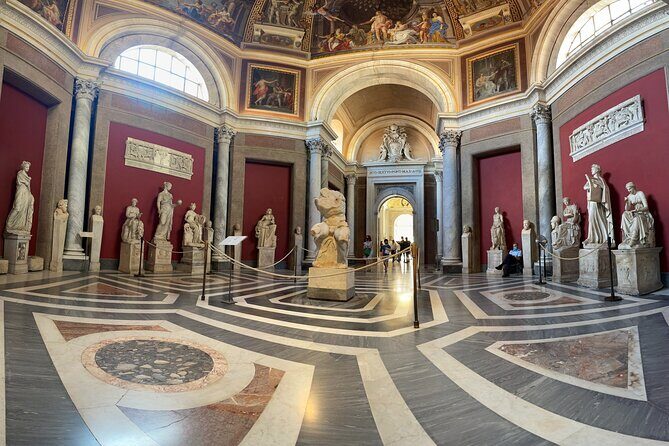
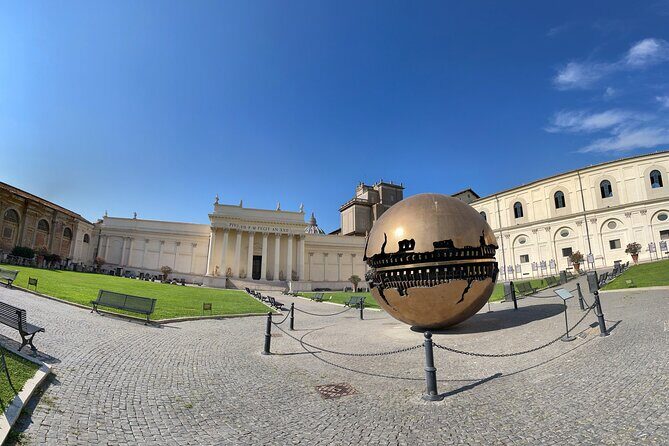
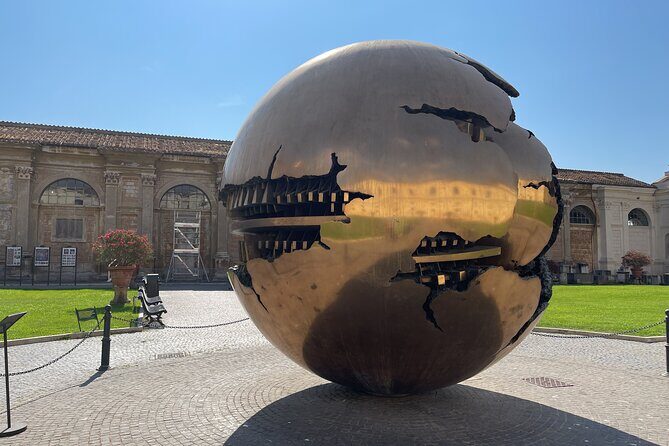
Then there’s the Pinecone Courtyard, which is calmer and open-air. You’ll see the monumental Fontana della Pigna (Pinecone Fountain). I like this break because it gives your brain a breather. After indoor masterpieces and crowds, a courtyard moment makes the next room feel less overwhelming.
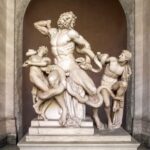
You’ll also encounter major classical works—one example specifically mentioned is Laocoön and His Sons, a dramatic marble sculpture with intense emotion and movement. This is where a guide earns their money, because it’s easier to “read” sculpture when you know what expression, composition, and myth connect to the story.
One drawback to keep in mind: this portion is about 1 hour 30 minutes. That means you’ll get the best highlights, not an endless wander. If you like to stop and stare until you find your inner art critic, you may want to plan a return visit later for slower browsing.
Raphael Rooms (Stanze di Raffaello): politics in fresco form
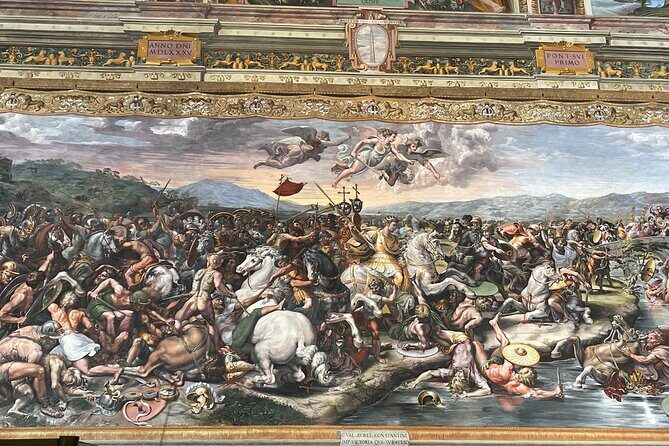
Your second stop is where Renaissance storytelling gets loud. The Stanze di Raffaello are four frescoed rooms painted by Raphael and his workshop in the early 1500s, and they were originally Pope Julius II’s private apartments. Even if you’re not a history buff, the rooms make sense because the scenes tie theology, philosophy, and politics together.
You’ll get about 45 minutes here, which is short, but the rooms are so packed with ideas that speed can actually help. You see more variety, and the guide’s job is to help you notice what’s important without you needing a degree.
The rooms you’ll likely focus on include:
- The Hall of Constantine, with dramatic scenes like The Battle of the Milvian Bridge—a reminder that religion and empire history overlap.
- The Room of Heliodorus, showing The Expulsion of Heliodorus, where the idea of divine intervention is staged like a powerful spectacle.
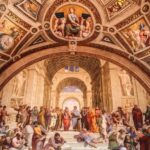
- The Room of the Signatura, where The School of Athens becomes the recognizable anchor. This is classical philosophy made visible, with an arrangement that rewards a careful look.
- The Room of the Fire in the Borgo, tied to papal history and scenes like The Fire in the Borgo.
Here’s why this matters for your experience: Raphael’s work isn’t just “pretty paintings on walls.” It’s designed to communicate authority. In these rooms, you can see how art becomes a tool—persuasion, legitimacy, and intellectual branding all at once.
The main consideration is attention span. Because this stop runs briskly, you’ll want to commit to what you want most—either the recognizable masterworks or the smaller details the guide points out. Trying to do both equally can leave you feeling rushed.
Sistine Chapel: why the pre-briefing makes a big difference
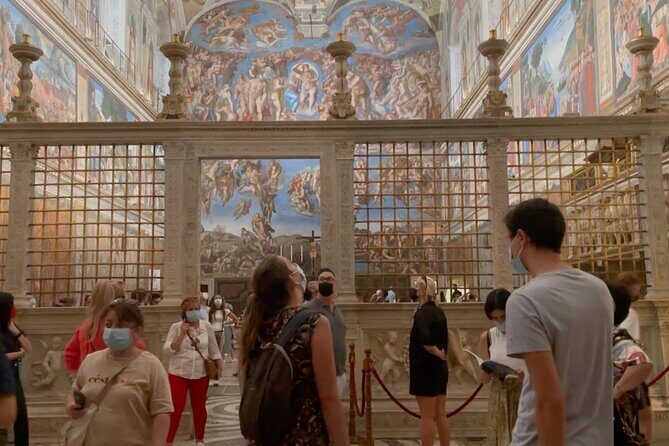
The Sistine Chapel is one of those places where silence rules the room. Before you enter, your guide sets you up with what to notice—so you don’t just stand there thinking, “Okay… everything?”
This is a 45-minute stop, and you’ll get guidance right before you step in, which helps you see the frescoes as structured stories instead of scattered famous images. Your headset makes it easier to hear the guide’s explanation while staying respectful and quiet.
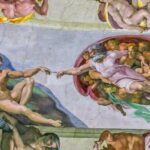
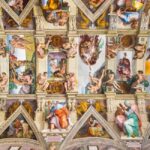
You’ll see Michelangelo’s ceiling work—those biblical scenes people come from all over the world to recognize. And yes, you’ll focus on the big names like Creation of Adam. But the value is in the context: your guide covers the backstory, including the tough dynamics between Michelangelo and his patron, Pope Julius II.
When you’re inside, the chapel feels tight and crowded. That’s normal. What’s not normal is feeling like you’re losing the meaning because nobody told you where to look. This tour helps prevent that. You’ll leave with a clearer map in your head: what’s above you, what themes connect the panels, and why the arrangement feels intentional.
Main drawback: you won’t have unlimited time. The chapel experience is intense, and the schedule keeps moving. If you’re planning to photograph endlessly or you hate feeling rushed, you’ll need to mentally prepare for a concentrated visit.
Other Sistine Chapel tours at the Vatican & Rome


St. Peter’s Basilica: the Pietà spotlight plus time to wander
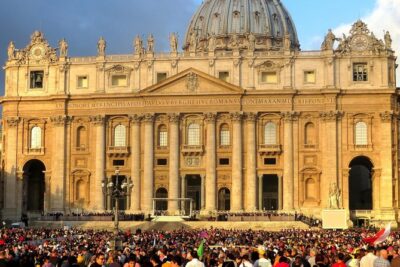
After the Sistine Chapel, you’ll enter St. Peter’s Basilica with another skip-the-line route. The tour notes that this depends on the basilica being open for visitors on your day, but when it is, you’ll get guided orientation right away.
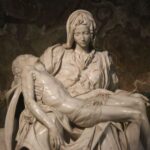
Your guide points out major features in the cathedral, including Michelangelo’s Pietà. That’s a statue you can’t really understand by surface viewing alone. It’s dramatic, but it’s also crafted with emotion and technical control that makes more sense when someone explains what you’re looking at.
Once the guided highlights are covered, you get time to explore independently. This is a nice balance because St. Peter’s is so large that it can feel like sensory overload if you don’t have a plan. Guided cues tell you where to look first; independent time lets you slow down for the parts that grab you.
One practical consideration from real-world timing: if you’re hoping to do extra things like climbing for views, the schedule can run tight. A previous booking noted they had time to wander St. Peter’s, but it was too late to head up to the dome. So if dome views are a must, treat the dome as a separate planning item rather than assuming you’ll fit it into this visit.
Small-group pacing: how to enjoy the Vatican without burning out
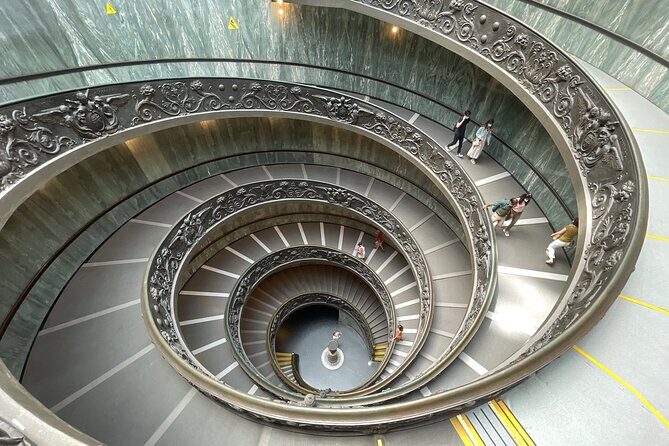
This tour caps at 6 travelers, which changes the whole feel. With a small group, your guide can keep moving while still delivering meaningful commentary. You’re not constantly waiting for a big cluster to catch up.
The headsets also affect your pacing. When you can hear the guide clearly, you can keep your attention forward instead of turning back to hear over noise. That helps you stay on schedule and get the most meaning out of the time you’re spending in each section.
Here’s how to make the most of the tour’s structure:
- Wear comfortable shoes because you’ll be walking a lot across museums and then within a huge church space.
- Prioritize the “big three” mentally: Museums, Raphael Rooms, Sistine Chapel. Those are your core wins.
- Use your independent St. Peter’s time for the sights you still care about after the guide points out the essentials.
Also, hydrate. You can bring a water bottle, and fountains are available. Don’t wait until you’re thirsty—standing in crowds and moving between rooms adds up faster than it seems.
Who this tour suits best (and who might feel rushed)
This works especially well if:
- You’re visiting the Vatican for the first time and want a focused route that avoids ticket queues.
- You like art and want stories behind the works—politics, religion, and the reasons these images got painted where they did.
- You prefer a guide to point out what’s worth your attention in places that can overwhelm you on your own.
It may not be your best match if:
- You want to spend long, slow hours in every room. This schedule is designed for highlights.
- You’re extremely sensitive to crowds and need lots of quiet time. The Sistine Chapel and major corridors can be packed.
- You’re aiming to add lots of extra Vatican activities on the same day. The tour gives you St. Peter’s time, but it’s still a structured visit.
Fitness level matters too. The tour is described as suitable for moderate physical fitness, so if you know walking long museum stretches is challenging, you’ll want to plan accordingly.
Should you book this Vatican Museums & Sistine Chapel semi-private tour?
If your goal is to see the Vatican’s top masterpieces without wasting half a day on queues, I’d book this. The biggest win is the skip-the-line access, paired with headsets and a guide who can explain what you’re seeing instead of leaving you to guess.
Choose it when you want:
- a small-group feel (max 6),
- a guided route that hits the essential stops,
- and a St. Peter’s window where you can slow down and look around.
Skip it only if you’re the type who needs long, unstructured time in museums or you’re planning dome views and other add-ons that may not fit the tour’s timing.
FAQ
How long is the Vatican Museums & Sistine Chapel tour?
It’s about 3 hours total, with an approximately 2.5-hour guided experience.
What’s included in the $92 price?
The tour includes entrance fees and headsets so you can hear your guide’s commentary clearly.
Does this tour include skip-the-line access?
Yes. You skip the long entrance queues when entering the Vatican Museums and also skip the line for St. Peter’s Basilica (if open).
How many people are in the group?
The group size is capped at a maximum of 6 travelers.
What ID do I need for entry?
Your ticket is tied to the name on your booking, and you’ll need the matching ID (passport, driver’s license, or official national ID). Photocopies or digital versions aren’t accepted.
What should I wear to the Vatican?
You need shoulders and knees covered for entry. The Vatican enforces a strict modest dress code.
Can I bring a backpack or large bag?
Backpacks and large bags may not be permitted inside the Vatican Museums, so it’s best to travel light. You can bring a water bottle, and you can refill it at free water fountains.