REVIEW · ROME
Wine Tasting and Food Tour at Vatican and Trionfale Farmers
Book on Viator →Operated by Bruno Tours · Bookable on Viator
Wine plus Vatican walls? Yes, and it works. This 2-hour walk turns a big Roman food market into a real introduction to the city, pairing tastings with history you’d never pick up on your own. I like how the whole experience stays simple: one booking, one route, and you’re sampling Roman staples right in the middle of the action at Mercato Trionfale.
Two things I really enjoy: first, the chance to try a wide range of Roman specialties without having to plan each stop. Second, the guided focus on place—Prati and Borgo, then the Vatican walls and the passage that links the Vatican to Castel Sant’Angelo—so the walk feels like a story, not just wandering. Guides I’ve seen credited (like Bruno, Gabriele, Elisa, Gabriel, and Sam) tend to keep the pace friendly and the info practical.
One consideration: this tour isn’t built for everyone’s diet. It can’t accommodate vegans, and it doesn’t support gluten-free or dairy-free needs, and vegetarian options are only possible if you tell them in advance. If you’re sensitive to nuts or dried fruits, note there’s a possible cross-contamination risk—worth asking about before you go.
In This Review
- Key highlights worth planning around
- A Vatican-area food tour that doesn’t feel like a museum trip
- Mercato Trionfale: where you taste Roman staples first
- Prati: the elegant neighborhood moment that still fits the food theme
- Borgo and the Tiber side: history without the lecture tone
- Walking the Vatican walls: the Rome you usually skip
- Passetto di Borgo: an escape route turned into a view stop
- Wine tasting in a walking tour: plan your pace
- What you actually get for $95.12
- Logistics that make or break a food walk
- Who this tour is best for
- Practical tips to get the most from the tastings
- Should you book this Vatican and Trionfale farmers market tasting?
Key highlights worth planning around
- Trionfale Market: walk through 200+ stalls and taste products made by local farmers
- Vatican walls route: see landmarks like Porta Sant’Anna and Porta Angelica while learning why they mattered
- Passetto di Borgo: an elevated escape passage built in 1277 by Pope Nicholas III
- Small group size: capped at 14 people, so you’ll actually hear the guide
- Wine tasting timing: 18+ only for wine, with tastings built into the walk
- Rain or shine: you’ll still do the route
A Vatican-area food tour that doesn’t feel like a museum trip
Rome has a way of dividing days into two moods: hit big sights, then hunt for food. This tour blends both, but in a smart way. You start at a major market, so you’re eating and learning at the same time. Then you shift into neighborhoods—Prati and Borgo—before finishing with views and structures tied to the Vatican.
You get a professional local guide and small group format (max 14). That matters because a walk with food can turn chaotic if the group is too big. Here, it stays manageable, and the guide can keep track of questions—especially when people want to know what they’re actually tasting.
And yes, it ends in Saint Peter’s Square. So even if you’re not going inside the Vatican, you’ll still walk away with a better sense of how the area is organized and why certain routes exist.
If you're still narrowing it down, here are other tours in Rome we've reviewed.


Mercato Trionfale: where you taste Roman staples first
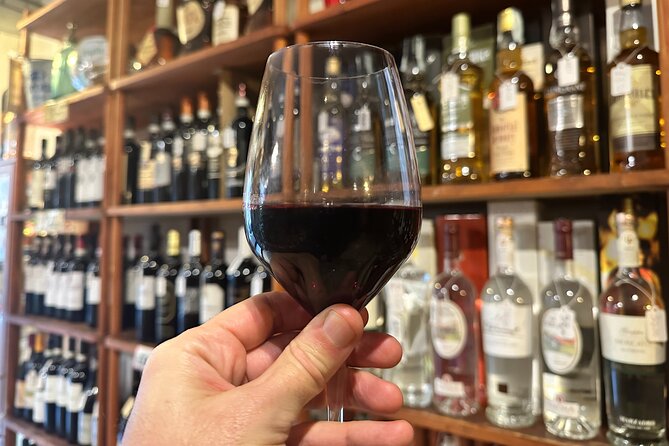
The tour begins at Parrocchia Santuario di Santa Maria delle Grazie al Trionfale (Piazza Santa Maria delle Grazie, 5). Meeting at 11:00 am keeps it in that sweet spot between late breakfast and early lunch—perfect for tasting without feeling stuffed.
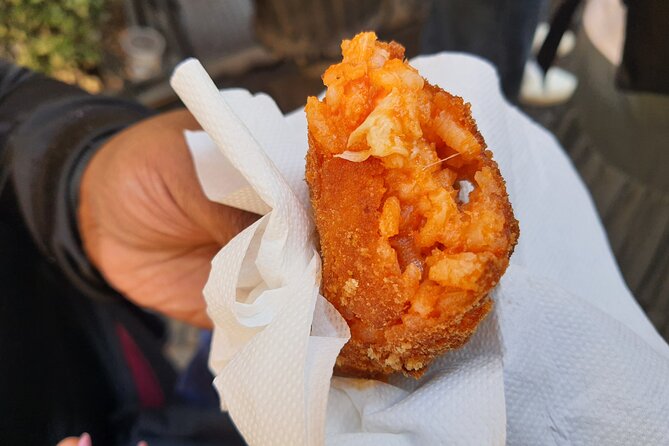
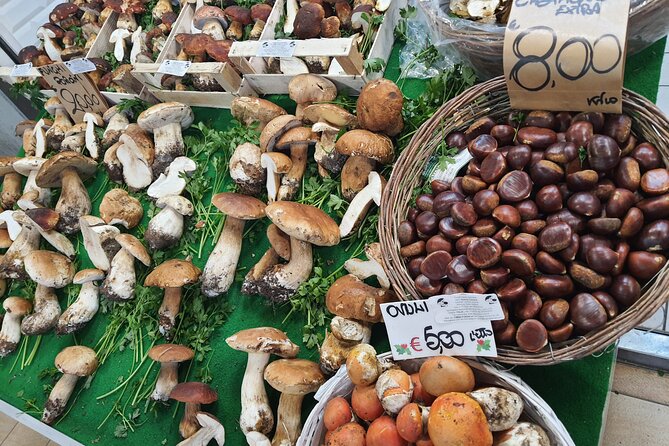
From there you head to Mercato Trionfale (Trionfale Market) for about 50 minutes. This is one of Italy’s largest farmers’ markets, with 200+ stalls. The point isn’t to tour every booth like a checklist. It’s to walk the market with a guide who points out what’s typical, what’s local, and what you might not naturally order.
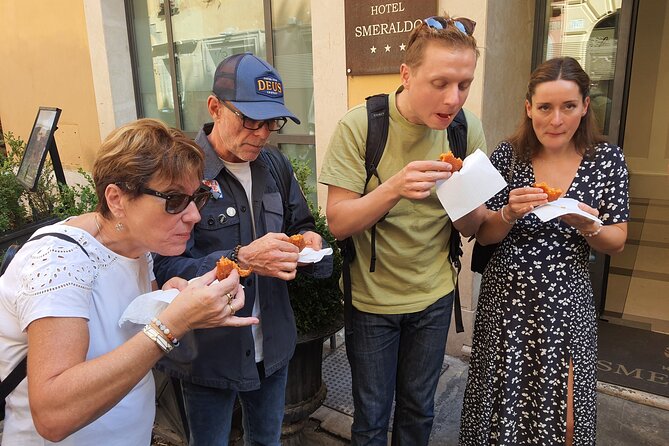
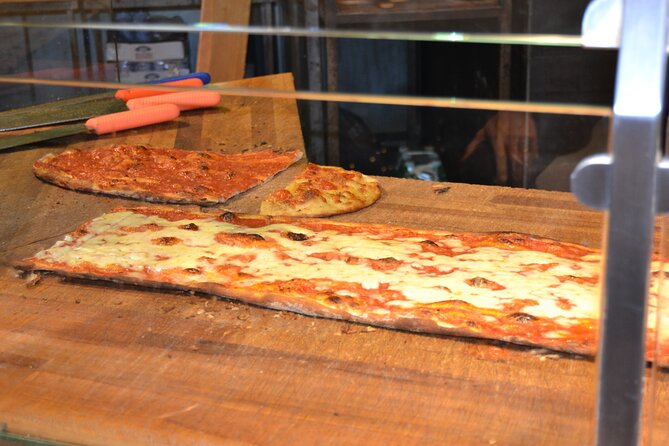
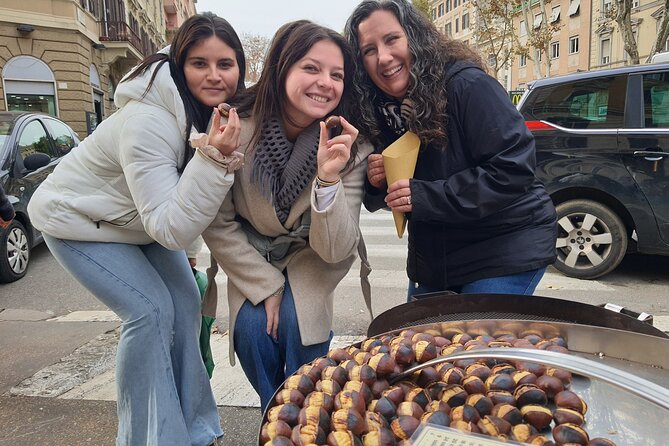
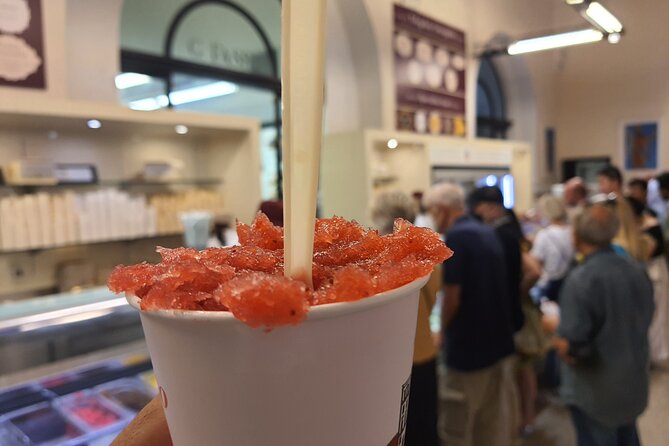
Expect a spread of Roman and Italian favorites during the tasting. Based on what people have shared, you’ll likely see things like cheeses and cured items, olives, pastries, fruit, meats, Roman-style pizzas, and other snackable bites. Wine tasting is part of the mix too, with the important note that the minimum drinking age is 18.
A practical tip: if you want the full effect, don’t eat a heavy meal right before you meet. This is a “keep tasting” kind of tour, not a light sample parade.
Prati: the elegant neighborhood moment that still fits the food theme
After the market, you spend about 20 minutes in Prati. This is the calmer, more residential side of the city—lots of refined buildings and strong restaurant energy. It’s also close to the Vatican zone, but it doesn’t feel like a direct tourist queue.
Why this stop works: it resets your pace. After the market’s sensory overload, a neighborhood walk helps you place what you’re seeing next. You also start connecting the dots between daily Roman life and the monumental world of the Vatican.
In a group this size, you can ask quick questions as you go: why a certain street layout exists, how people traditionally moved around the area, and what to notice when you’re back on your own later.
Borgo and the Tiber side: history without the lecture tone
Then you head to Borgo, another historic area between the banks of the Tiber and Vatican City. This stop is about 20 minutes and includes iconic surroundings, including the area around Castel Sant’Angelo.
Here’s what I like about adding Borgo to a food tour: it turns the Vatican perimeter into something human-sized. Instead of treating Vatican sights as an isolated destination, the walk frames them as part of a city neighborhood—streets, movement, and everyday patterns.
You’ll get a sense of why certain routes matter, and you’ll be better prepared for the next portion: the walls and the passage that once helped the Vatican deal with emergencies.
Walking the Vatican walls: the Rome you usually skip
Next comes a 20-minute walk along the Vatican walls. This is the part many people never plan for, mostly because it sounds “extra” or because they’re focused on the obvious interior sights.
The guide’s job is to make the exterior feel meaningful. You’ll hear about construction and architecture and see landmarks along the way, including Porta Sant’Anna and Porta Angelica. The key idea here is access—how pilgrims and visitors used the main entrances, and how the Vatican controlled movement at different points in time.
Even if you don’t know Rome’s timeline yet, you’ll leave with a clearer mental map. That’s what turns a wall from “just stone” into a usable piece of understanding for the rest of your trip.
- Skip-the-Line Group Tour of the Vatican, Sistine Chapel & St. Peter’s Basilica
★ 4.5 · 12,779 reviews

Passetto di Borgo: an escape route turned into a view stop
The final stretch is about 10 minutes at Passetto di Borgo, an elevated passage linking Vatican City and Castel Sant’Angelo. You’ll learn it was built in 1277 by Pope Nicholas III and used as an escape route when popes faced danger.
This is one of those Rome features that sounds like it belongs to a movie set. But it’s real infrastructure, with an extremely practical purpose. The experience here is less about a long photo session and more about seeing it while the guide gives you the “why.”
The timing is short, so you won’t feel stuck. And since you end in Saint Peter’s Square, the walk finishes with a big, recognizable payoff—without making the whole tour feel like a sprint.
Wine tasting in a walking tour: plan your pace
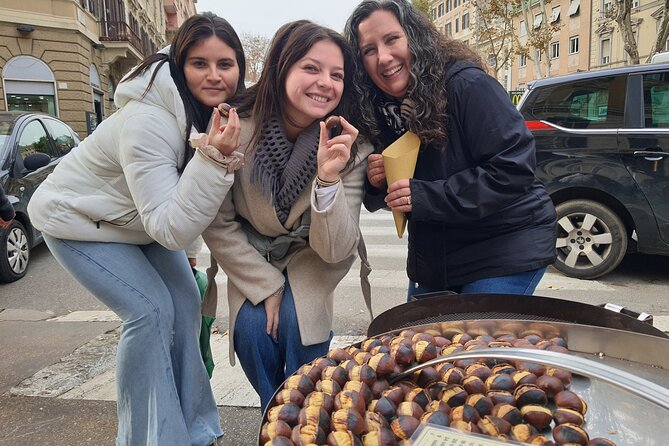
Wine tasting is included, and you’ll be tasting as you walk—so your timing matters. The tour is designed around sampling, not chugging. Still, treat it like a pairing experience.
If you’re the kind of person who wants water between sips, you’ll do best by pacing yourself early. Also remember:
- Minimum drinking age is 18
- No soda/pop is included, so if you want a non-alcohol option beyond tastings, bring money for extras
One more note from the tour info: vegetarian options can be accommodated only if advised in advance. Since wine and food pairing often depends on what’s available at the stalls, telling your guide early helps.
What you actually get for $95.12
At $95.12 per person, this isn’t a budget “grab a snack and go” deal. But it also isn’t priced like a private vehicle day.
You’re paying for:
- a professional local guide
- food and wine tasting built into the walk
- a small group capped at 14
- a route that blends market time with several historic exterior stops (walls and Passetto)
Duration is about 2 hours, and the stops are timed so you get meaningful sampling plus real context. That combo is where the value is. You’re not just eating; you’re learning how the food scene sits next to the Vatican’s geography and movement patterns.
You also get a mobile ticket and the tour runs rain or shine. Rome weather can be unpredictable, so that detail matters more than it sounds.
Logistics that make or break a food walk
This tour is offered in English and starts at 11:00 am. It meets at Piazza Santa Maria delle Grazie al Trionfale (address listed with the meeting point) and ends in Piazza San Pietro.
It’s also near public transportation, which helps if you’re juggling museum tickets, church stops, or a hotel far from the Vatican area.
What to wear:
- comfortable walking shoes. You’re moving through markets and along streets and walls.
- layers. Even in a good month, the microclimate near the Vatican can feel different from other parts of Rome.
If you have allergies, take it seriously. The info flags a possible cross-contamination risk with nuts or dried fruits. If that’s relevant for you, ask before you book (or at least right when you confirm) so you know what you’ll be offered.
Who this tour is best for
This is a great fit if you want:
- a food-first way to see Vatican-area Rome
- a guided route that adds meaning to monuments you’ll otherwise walk past
- a small group pace with real conversation time
It’s especially good for people who like markets and want history explained through everyday spaces.
Who should think twice:
- If you’re vegan, this tour doesn’t accommodate that diet.
- If you need gluten-free or dairy-free, the tour doesn’t support it.
- If you need guaranteed nut/dried-fruit avoidance, you’ll want a careful conversation before joining because of cross-contamination risk.
Practical tips to get the most from the tastings
A few small moves make the biggest difference here:
- Arrive hungry, but not ravenous. You’ll be sampling multiple items, so a heavy breakfast can reduce how much you enjoy each bite.
- Bring a water mindset. Even if you don’t get water included, having it planned keeps the wine experience comfortable.
- Ask questions at Trionfale Market. That’s where the guide’s explanations connect directly to what’s on the plate.
- If you want vegetarian options, tell the provider in advance. The tour info makes it clear accommodations depend on advance notice.
- If you’re sensitive to nuts or dried fruits, don’t guess. Ask what’s in each offering and whether alternatives are available.
Should you book this Vatican and Trionfale farmers market tasting?
I’d book it if you want an easy win: Roman food plus Vatican-area sights in one 2-hour block with a small group and real guiding. The market-first start is the right move, and the route through Prati, Borgo, the Vatican walls, and Passetto di Borgo gives you context that makes the rest of your day easier to understand.
I wouldn’t book it if your diet is vegan, gluten-free, or dairy-free, or if you have strict nut/dried-fruit allergy requirements without clear, confirmed alternatives. In those cases, you’d be setting yourself up for stress instead of enjoyment.
If your goal is to taste your way through the Vatican neighborhood and come out with a stronger sense of how the area works—this is a smart use of time.
You Might Also Enjoy


More Tour Reviews in Rome
- Skip-the-Line Group Tour of the Vatican, Sistine Chapel & St. Peter’s Basilica
★ 4.5 · 12,779 reviews