A corridor between empires is your playground. The Passetto di Borgo is a real, centuries-old passageway linking Vatican City to Castel Sant’Angelo, and it comes alive with popes, danger, and the kind of secrets Dan Brown fans love from Angels & Demons. I like that this experience is short and focused, so you get a strong story hit without eating your whole day.
Another plus is the practical “show-up-and-go” setup: you get reserved entrance plus assistance at the start and during the visit, and you’re not stuck figuring out logistics alone. One thing to watch: this is not a fully guided tour with a person talking the whole time, so if you want nonstop narration, you may feel a bit shortchanged.
In This Review
- Key Highlights You Should Know Before You Go
- What the Passetto di Borgo Is, and Why It Feels Like a Spy Movie
- Meeting at Piazza Risorgimento: Getting There Without Stress
- Reserved Entrance and Assistance: A Ticket Experience, Not a Full Guided Tour
- Walking the Passageway: Popes, Conspiracies, and the 1527 Escape Story
- Angels & Demons Recognition Stops You Can Make in Real Time
- Optional Add-Ons: Castel Sant’Angelo and Skip-the-Line Vatican Museums
- Time, Comfort, and What to Bring for a 40–60 Minute Mystery
- Price and Value: What You Really Get for About $23
- Who This Is For (and Who Should Skip It)
- Should You Book the Secrets of the Passetto?
- FAQ
- How long is the Passetto di Borgo experience?
- Where do I meet for the Passetto di Borgo walk?
- Is this a guided tour?
- What does the ticket include?
- What should I bring?
- Is it suitable for wheelchair users?
Key Highlights You Should Know Before You Go
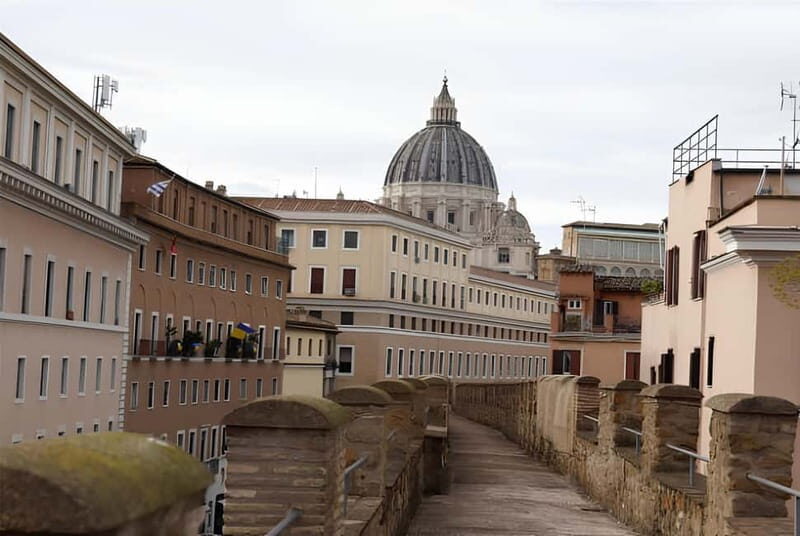
- Hidden corridor from the Vatican area: A secret passage connecting the Vatican side to Castel Sant’Angelo
- Escape story in the spotlight: The route is tied to pope safety in peril, including the Sack of Rome in 1527
- Dan Brown recognition moment: You can spot Angels & Demons settings as you walk through the same historical bones
- Assistance, not a guide: You’ll receive help, but it’s not described as a guided commentary tour
- Optional skip-the-line upgrades: Castel Sant’Angelo and (if selected) Vatican Museums + Sistine Chapel
What the Passetto di Borgo Is, and Why It Feels Like a Spy Movie
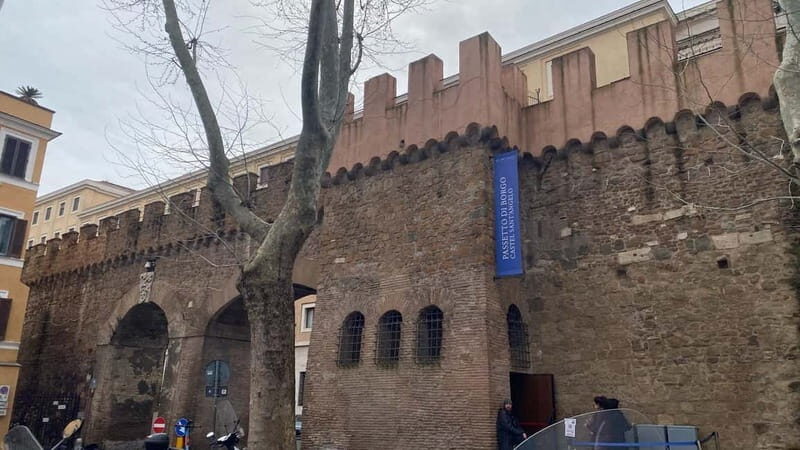
The Passetto di Borgo is one of Rome’s most intriguing pieces of “power infrastructure.” It’s not a big open square where crowds take photos all day. Instead, it’s a discreet, enclosed passage built to keep people moving safely—especially when political trouble turned physical.
The link matters. Vatican City sits close to Castel Sant’Angelo, and the Passetto connects those dots with a purposeful route. That’s why the story keeps coming up in accounts of covert movement, popes under threat, and rapid escape planning. The version you’ll hear during your visit highlights perilous moments—including the Sack of Rome in 1527—when the corridor’s “get out fast” reputation was most relevant.
If you enjoy history where the details feel like real-life plot points, this works. You’re walking a space that was designed for secrecy, so the atmosphere feels naturally tense and story-ready. And because it’s tied to widely recognized fiction, you get that extra mental boost: you’re not just seeing a thing, you’re placing it in a narrative you already know.
If you're still narrowing it down, here are other tours in Rome we've reviewed.


Meeting at Piazza Risorgimento: Getting There Without Stress
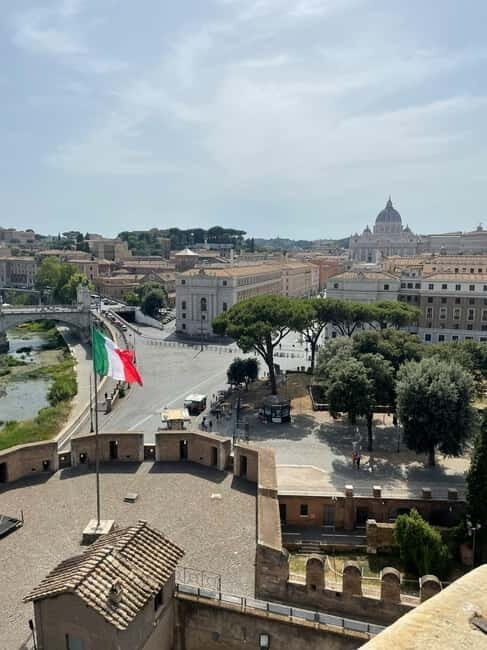
Your start point is Piazza Risorgimento. Look for the green kiosk in front of the Foot Locker store. That exact landmark detail matters because you’ll want to arrive early enough to spot it without rushing.
The good news: the visit ends back at the meeting point. That means you don’t need to plan a second half of your logistics or figure out where the exit leads. It’s a simple loop—walk, see, return.
Practical tip: wear comfortable shoes and give yourself buffer time. Even when something is “only” under an hour, you still don’t want to start it with tired feet or a sprint to the kiosk.
Reserved Entrance and Assistance: A Ticket Experience, Not a Full Guided Tour
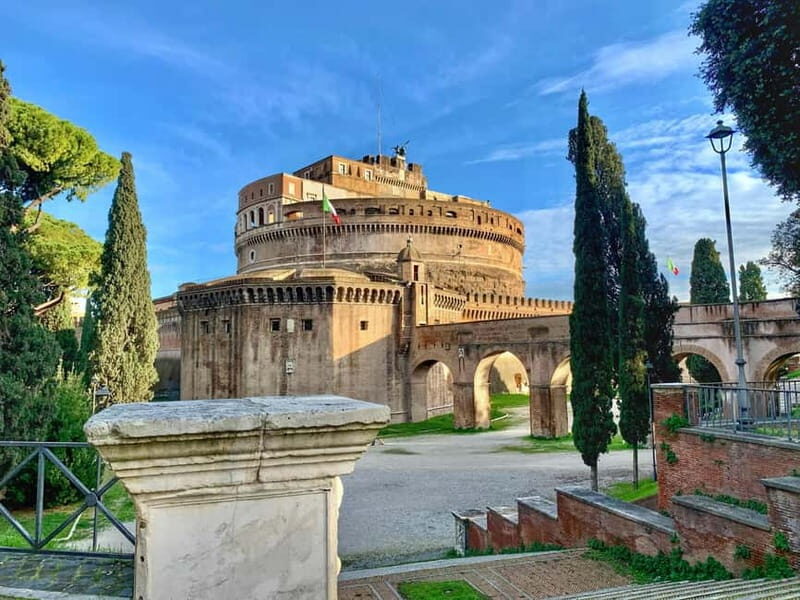
Here’s the key expectation to set up right: this is not described as a guided tour. Instead, you’ll get:
- assistance at the meeting point
- a reserved entrance ticket for the Passetto
- assistance during the visit
- an Ancient Rome multimedia video
That structure changes the vibe. You’re doing a guided-by-content experience more than a talk-by-a-person experience. The multimedia video and the on-site assistance are meant to frame what you’re seeing. But you won’t count on a live guide answering questions every step of the way.
That can be a drawback if you love deep, spontaneous explanation. On the other hand, it can be perfect if you’re the type who likes to move at your own pace and absorb stories through what’s provided.
Also note the duration: 40 minutes to 1 hour. That’s enough time to take it in without feeling trapped. It’s a nice match for people who want a meaningful Roman stop that doesn’t balloon into a half-day commitment.
Walking the Passageway: Popes, Conspiracies, and the 1527 Escape Story
As you enter the Passetto di Borgo experience, you’ll be stepping into a setting shaped by fear and control. The corridor’s purpose is part of the atmosphere: it’s not meant for hanging around. It’s meant for moving discreetly.
The storyline centers on the idea that this passage wasn’t only a convenient connection. It served as a secret escape route for popes in times of peril. The highlight you’ll hear includes the infamous Sack of Rome in 1527, a moment where the stakes were so high that “how to get away” became as important as where you were.
What I like about this approach is that it makes the architecture feel functional. Instead of treating the corridor like a museum hallway, it becomes a survival tool. That’s the difference between seeing a historical detail and understanding its job.
While you walk, expect a steady sense of “you are inside the secret part.” The experience is built around recognizing that history isn’t just outside in Roman squares—it also lives in corridors like this, where power, threat, and movement all intersect.
Angels & Demons Recognition Stops You Can Make in Real Time
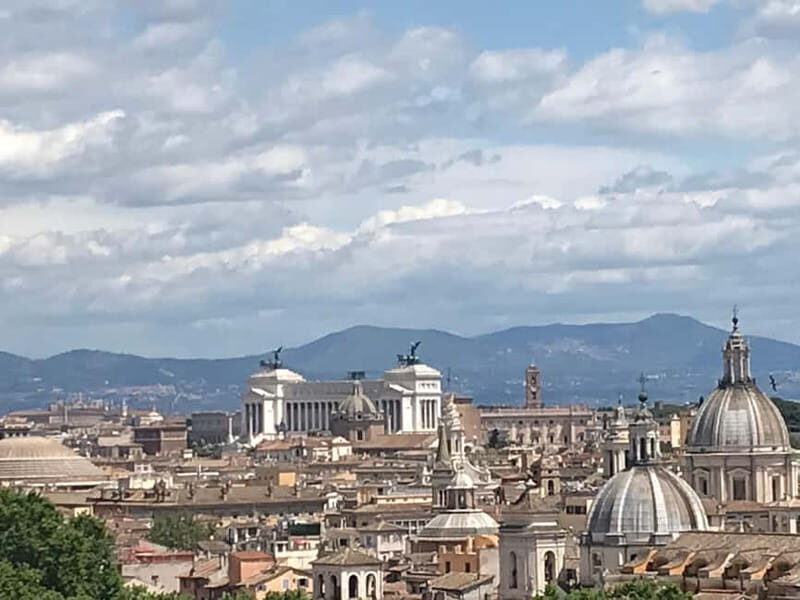
If you’re an Angels & Demons fan, this is where the experience clicks. The Passetto di Borgo is tied to the book’s larger story of hidden paths and covert movement, and you’ll be prompted to recognize locations from that narrative as you go.
Even if you’re not a total Dan Brown superfan, the effect is still useful. Pop culture gives you a mental map, and a mental map makes it easier to remember what you saw. You start linking details to an existing story framework, which makes the historical setting feel less abstract.
Here’s what you should do to get the most out of it: pay attention to the corridor’s direction and connection points—Vatican City on one end and Castel Sant’Angelo on the other. Once you understand the route, the plot logic in Angels & Demons starts to make more sense. It’s less about memorizing facts and more about experiencing how a “secret route” would work in practice.
For me, that’s the magic: the corridor doesn’t just represent mystery. It explains why mystery worked.
- Skip-the-Line Group Tour of the Vatican, Sistine Chapel & St. Peter’s Basilica
★ 4.5 · 12,779 reviews

Optional Add-Ons: Castel Sant’Angelo and Skip-the-Line Vatican Museums
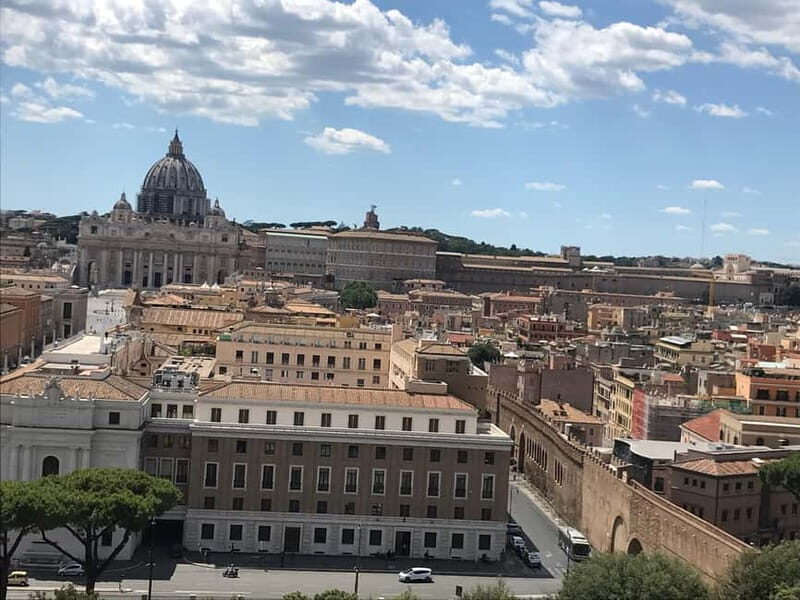
This experience can be booked with upgrades. The base includes the Passetto reserved entrance ticket, and then you may choose options that add skip-the-line access to major sights:
- Castel Sant’Angelo skip-the-line ticket (if selected)
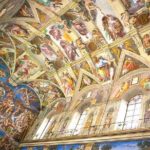
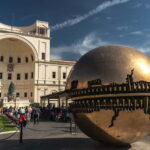
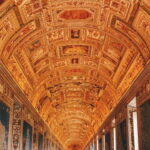
- Vatican Museums and the Sistine Chapel skip-the-line access (if selected)
Why these add-ons matter for value: Castel Sant’Angelo and the Vatican Museums are exactly the type of places where waiting can eat your day. If you’re trying to see multiple “big ticket” Vatican-area sights in limited time, skip-the-line access can turn a stressful plan into a manageable one.
But be honest about fit. The Passetto itself is a quick, story-focused walk. The add-ons are heavier, longer, and demand more energy. So if you’re the kind of visitor who likes tight, curated movements (story first, then museum time later), the combo makes sense.
If you’re tired from earlier walking, consider whether you want to stack the museum day immediately after. The Passetto is short, but Vatican-area sights often add up fast once you start climbing, queueing alternatives, and navigating crowd flow.
Time, Comfort, and What to Bring for a 40–60 Minute Mystery
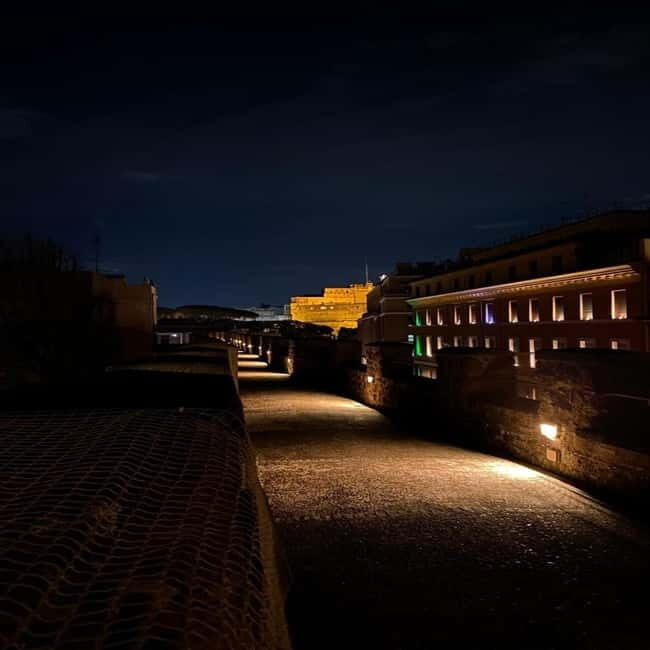
You’re looking at 40 minutes to 1 hour, so come prepared for a compact visit. Here’s what you should bring:
- Passport or ID card
- Comfortable shoes
- Camera
- Water
This is one of those times where the simple checklist is your best friend. Comfortable shoes matter more than you think because a corridor-style visit can still involve walking and turning around, even if it isn’t long.
Also follow the rules:
- no pets
- no baby strollers
One more practical note: the experience is not suitable for people with mobility impairments and not suitable for wheelchair users. If that applies to you, I’d treat that as a hard “check first” item and plan another route that matches your needs.
Price and Value: What You Really Get for About $23
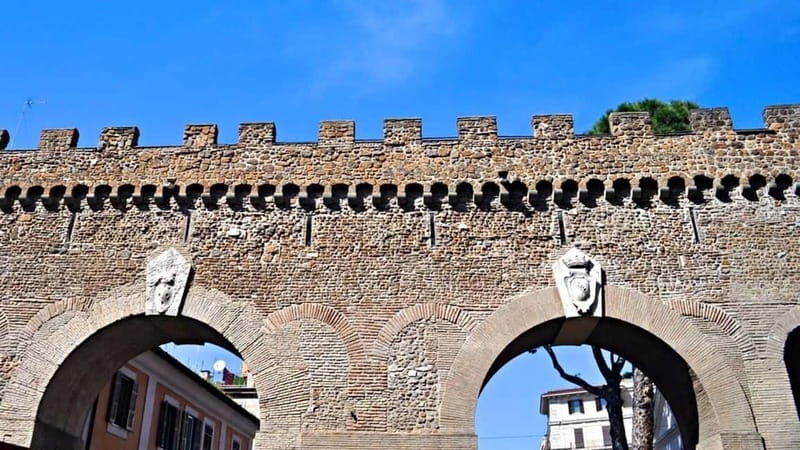
The listed price is $23 per person. The big question is whether that’s worth it for your trip style.
From the provided inclusions, you’re paying for:
- a reserved entrance ticket for the Passetto
- assistance at the start and during the visit
- assistance that helps you avoid wandering around guessing where to go
- an Ancient Rome multimedia video
Then, if you choose upgrades, you’re adding skip-the-line tickets for Castel Sant’Angelo and potentially the Vatican Museums and Sistine Chapel.
Here’s how I’d judge value in plain terms: if you’re visiting only one or two Vatican-area experiences, the base Passetto ticket can be a smart “story and atmosphere” add-on. If you’re already planning Castel Sant’Angelo and/or the Vatican Museums, selecting the skip-the-line options can be a strong time-saver. In Rome, time is currency—so anything that reduces waiting often pays for itself, even if the ticket looks like a small bump at first glance.
Also pay attention to what the offer includes versus what it doesn’t. It’s not described as a guided tour, so you’re not buying hours of live narration. You’re buying a streamlined entry with support and content.
Who This Is For (and Who Should Skip It)
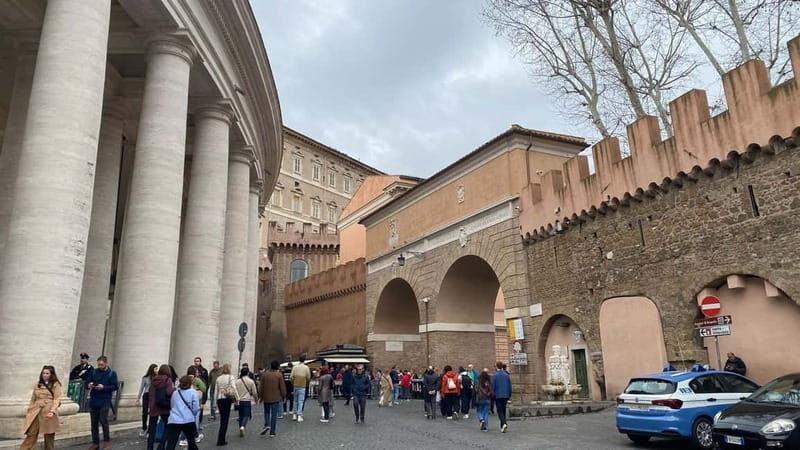
This works best if you:
- want a short, high-story Vatican-area experience
- enjoy history tied to dramatic narratives like Angels & Demons
- prefer reserved entry and assistance over navigating on your own
- like the idea of experiencing a secret route rather than another big museum hall
It may be less ideal if you:
- need nonstop live guidance to feel satisfied
- want a long, leisurely, deep-dive style walkthrough (this is framed as a ticket + assistance experience)
- have mobility needs that prevent corridor walking (it’s stated as not suitable for mobility impairments and wheelchair users)
If you’re somewhere in the middle, you can still make it work—just show up with the right expectations. Think: short story walk, not a full guided lecture.
Should You Book the Secrets of the Passetto?
Book it if you want a compact Vatican-area stop that connects architecture to a real escape story and gives you instant Angels & Demons recognition. The combination of reserved entrance and quick timing is a good value for travelers who want meaning without a time drain.
Skip or reconsider if you’re expecting a traditional guided tour with continuous spoken commentary, or if mobility accessibility is an issue for you.
If your plan already includes Castel Sant’Angelo and/or Vatican Museums, strongly consider the skip-the-line add-ons. That’s where the value math often improves, because saving time at the Vatican-area ticket lines can change the tone of the whole day.
FAQ
How long is the Passetto di Borgo experience?
It lasts 40 minutes to 1 hour, depending on the starting time you select.
Where do I meet for the Passetto di Borgo walk?
You meet at Piazza Risorgimento, at the green kiosk in front of the Foot Locker store. The activity ends back at the same meeting point.
Is this a guided tour?
No. You’ll receive assistance and a reserved entrance ticket, but it’s not described as a fully guided tour.
What does the ticket include?
The offer includes assistance at the meeting point, a Passetto reserved entrance ticket, assistance during the visit, an Ancient Rome multimedia video, and skip-the-line access to Castel Sant’Angelo if that option is selected. It also includes Vatican Museums and the Sistine Chapel skip-the-line access if that option is selected.
What should I bring?
Bring a passport or ID card, comfortable shoes, a camera, and water.
Is it suitable for wheelchair users?
No. The activity is not suitable for wheelchair users and also not suitable for people with mobility impairments.
You Might Also Enjoy
More Tour Reviews in Rome
- Skip-the-Line Group Tour of the Vatican, Sistine Chapel & St. Peter’s Basilica
★ 4.5 · 12,779 reviews