REVIEW · ROME
All-included Rome in a Day Tour with Vatican Sistine Chapel Colosseum & Pantheon
Book on Viator →Operated by Walking Tours of Italy · Bookable on Viator
Rome in one day can feel like a sprint. This tour turns that sprint into an organized route from the Colosseum to the Vatican, with timed entry and guided stops that help you understand what you’re looking at, not just where to take photos. I especially like the professional art historian guidance (when the guide brings real academic depth like Franchesco is described as an archaeology professor, you catch details faster), and the Vatican Museums skip-the-line flow that saves time when the lines are thick. One thing to watch: the day is long, and dress code + last-minute Vatican closures can change what’s accessible, especially around active papal events or the Jubilee.
You’ll also like how the tour is built for walking. You move between major sights on foot, with short, focused stops (Trevi, Pantheon, Piazza Navona) and longer museum time where it counts (Vatican Museums and Sistine Chapel). It’s private, so only your group participates, and you get flexibility when you need it.
Key highlights you’ll feel immediately
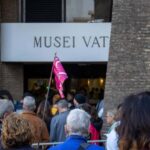
- Skip-the-line style entry for the Vatican Museums so you don’t burn your day stuck outside
- Colosseum reservation + entrance ticket built into the experience
- A tight, logical route that connects ancient Rome to the Vatican without backtracking
- Michelangelo and Raphael focus, both in the museums and up close in the Sistine Chapel
- St. Peter’s Basilica with extra depth, including the papal crypt below ground
- You can ask the guide for lunch ideas, which helps when you don’t want to plan ahead
In This Review
- Entering The Colosseum: fast access to Rome’s biggest arena
- Roman Forum and Sacred Way: seeing power in the open air
- Trevi Fountain and Pantheon: legend, lunch break, then one of Rome’s true marvels
- Piazza Navona and the Baths of Nero walk-through: beauty between the big ticket stops
- Vatican Museums and the Sistine Chapel: where the art historians earn their keep
- St. Peter’s Basilica and the papal crypt: the quiet weight under the dome
- Price and value: is $662.26 worth a 6-hour highlights day?
- Dress code and last-minute closures: how to keep the day smooth
- What your day feels like: walking pace, timing, and what to prepare for
- Who should book this all-in-one Rome day?
- Should you book this tour?
- FAQ
- How long is the tour?
- Is this tour private?
- Where do I meet, and where does it end?
- What’s included in the ticket price?
- Is transportation included?
- Do I need to bring ID and names exactly as provided?
- What dress code do I need for the churches and museums?
- What if areas in the Vatican close last minute due to Pope events?
- What if St. Peter’s Basilica isn’t accessible during the Jubilee?
- What’s the cancellation policy?
Entering The Colosseum: fast access to Rome’s biggest arena
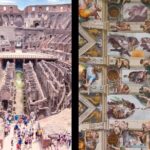
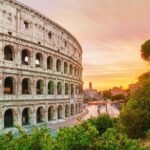
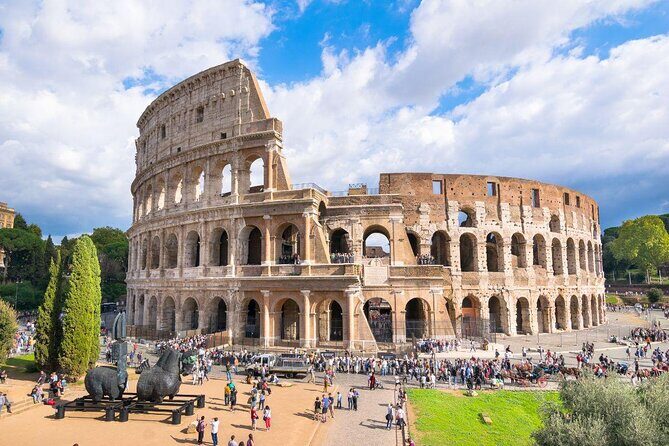
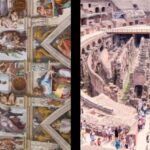
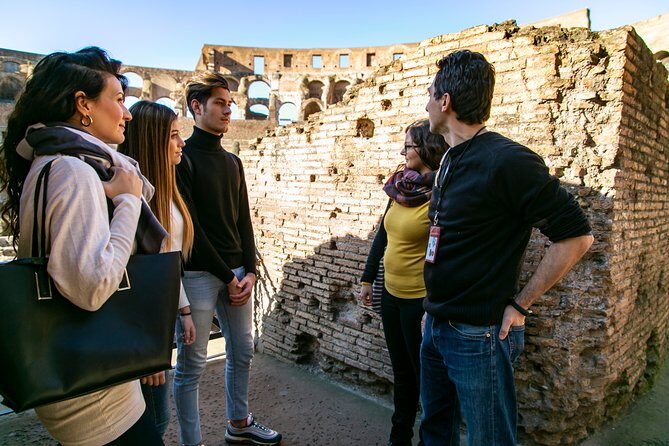
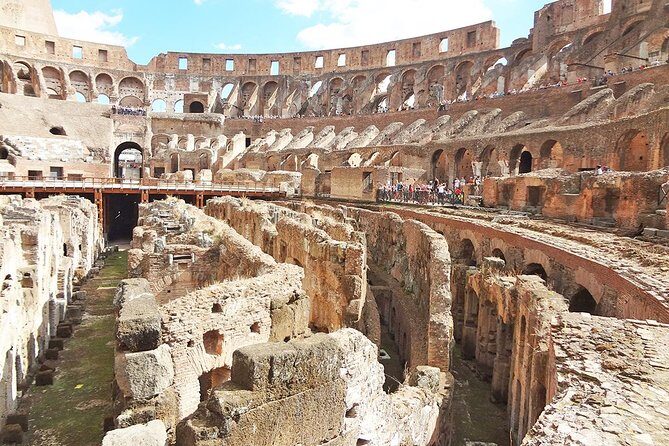
The Colosseum stop is where the day starts strong. You meet at Piazza del Colosseo and go straight inside with held tickets, which matters because the Colosseum is one of those places where delays can steal your momentum. Once you’re in, the guide doesn’t just point at the walls. You’re there to grasp what this place actually was: a massive amphitheater built for spectacle, and the setting for public life in ancient Rome.
From here, the tour pushes you onward to the surrounding layers of the ancient city. Right after the main Colosseum visit, you head toward the Arch of Constantine and then into the Roman Forum area, which is where Rome’s political and social energy lived. If you’re the kind of person who likes to understand ruins as more than “rocks,” this is one of the best parts of the day.
Potential catch: the Colosseum and Forum areas require your full names to match your tickets exactly, and you’ll need the right ID document. If that’s not ready, it can create stress fast.
Roman Forum and Sacred Way: seeing power in the open air
The Roman Forum stop is a guided walk through the most recognizable “center of the action” in ancient Rome. You’re shown the remains of major monuments and buildings, including the Arch of Titus, the House of the Vestal Virgins, the Temple of Saturn, the Senate House, and the white marble Arch of Septimius Severus. Even if you’ve seen photos before, the scale lands differently on the ground.
Then you go up the Sacred Way toward Capitoline Hill and Il Vittoriano. That part helps you connect ancient Rome’s public spaces with how modern Rome marks them. Il Vittoriano is a modern monument, but it sits in a spot that makes you think about continuity—Rome keeps reusing the same “stage” over and over.
The Forum section isn’t just sightseeing. It’s your mental reset button for the whole day. When you leave this area, you start seeing the rest of the itinerary as a chain, not isolated stops.
Other Sistine Chapel tours at the Vatican & Rome

Trevi Fountain and Pantheon: legend, lunch break, then one of Rome’s true marvels
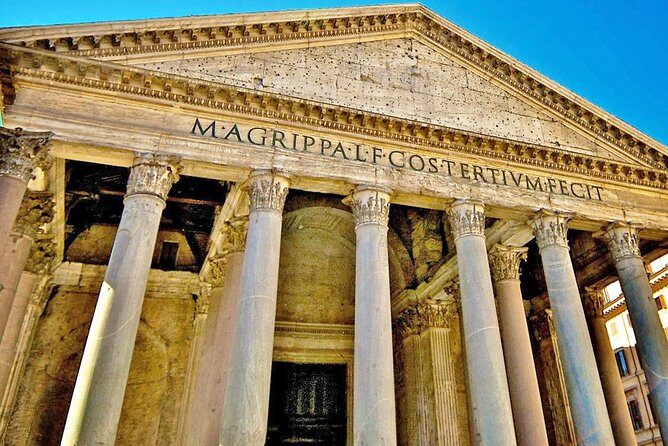
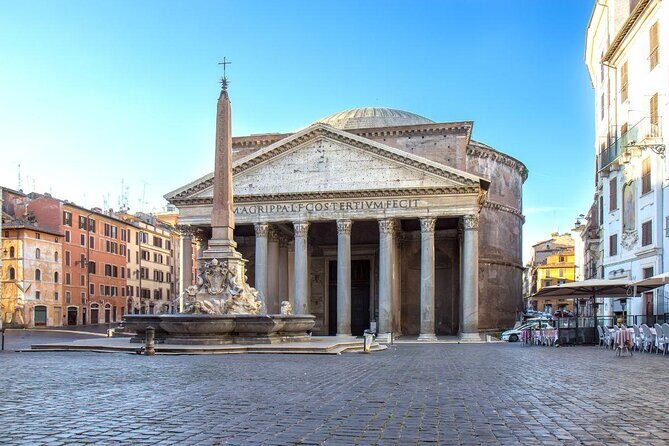
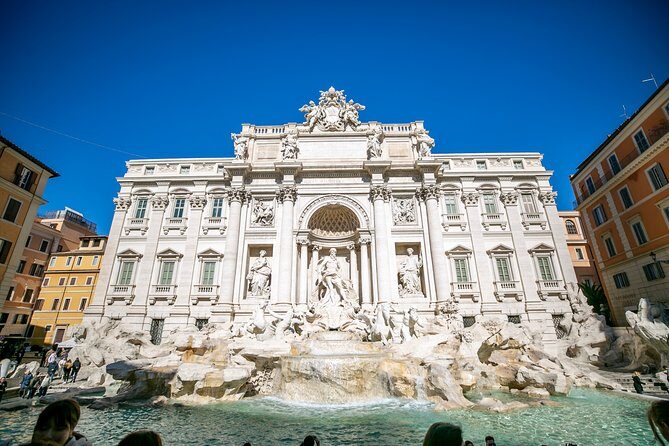
After the ancient sites, you’ll walk to Trevi Fountain. It’s fast here on purpose—about 20 minutes—so you get the iconic moment without losing the day to crowds. You’ll also get the classic legend attached to the fountain: toss a coin and make a wish that you’ll return to Rome. It’s corny, yes. It also works because Trevi is one of those places where the legend adds flavor to the visual payoff.
Then there’s time for lunch. The tour notes that you can choose what you want—pizza, sandwich, or something more sit-down—by asking your guide. I like this approach because it keeps you from wasting time hunting for food when you’re already on a schedule.
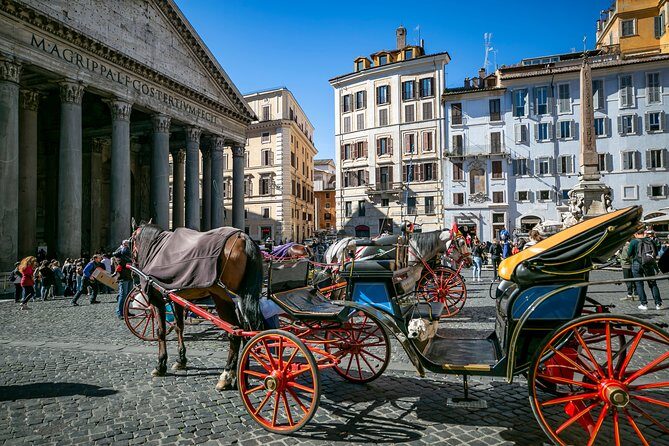
After lunch, the tour heads toward the Pantheon. This stop is special not only because the Pantheon is famous, but because you’ll get a specific detail: you’ll see the tomb of Raphael, the Renaissance painter and engineer. That little addition changes how you see the building. You’re not only admiring architecture—you’re also reading it as a monument that spans centuries.
Watch for time pressure: with short stop windows (again, around 20 minutes each), you’ll want to be ready to move when your guide calls it. If you like to linger, plan to do your “slow strolling” after the tour ends.
Piazza Navona and the Baths of Nero walk-through: beauty between the big ticket stops
On the way to Piazza Navona, you pass by the Ancient Baths of Nero. Even if you can’t spend loads of time there, it helps you understand you’re not walking through a postcard. You’re walking above layers of Rome.
Then you reach Piazza Navona and see Bernini’s Fountain of the Four Rivers. This is one of those urban scenes where art and space matter together. The fountain sits in a lively square, and it’s a nice “breather” before the long jump to the Vatican.
If you’re time-pressed, Piazza Navona is a smart stop because it gives you a big visual hit quickly. If you’re a “one-square-at-a-time” traveler, you might want extra time here on a separate day—but for a six-hour highlights plan, it’s a solid fit.
Vatican Museums and the Sistine Chapel: where the art historians earn their keep
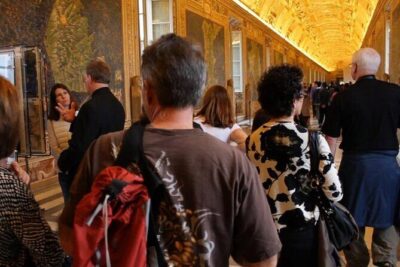
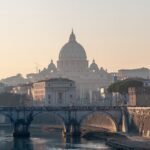
Crossing into the Vatican portion is a major shift in pacing. You walk over the Tiber and then spend the most concentrated time here: Vatican Museums followed by the Sistine Chapel.
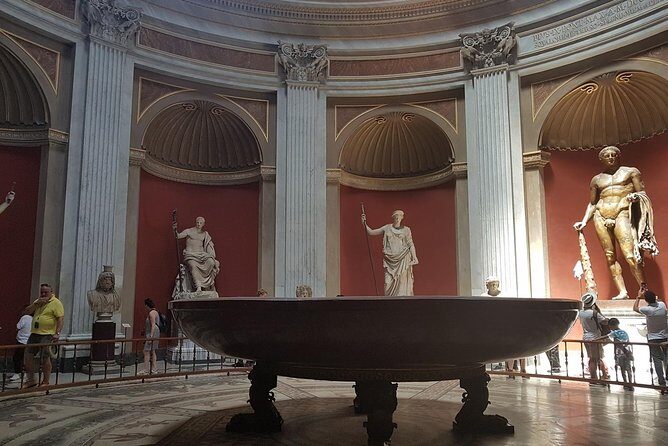
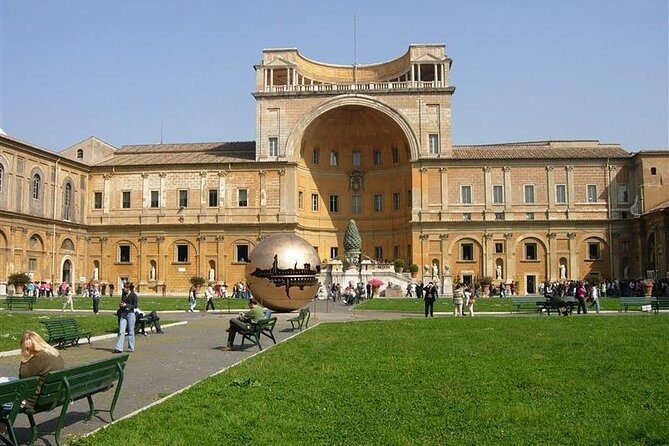
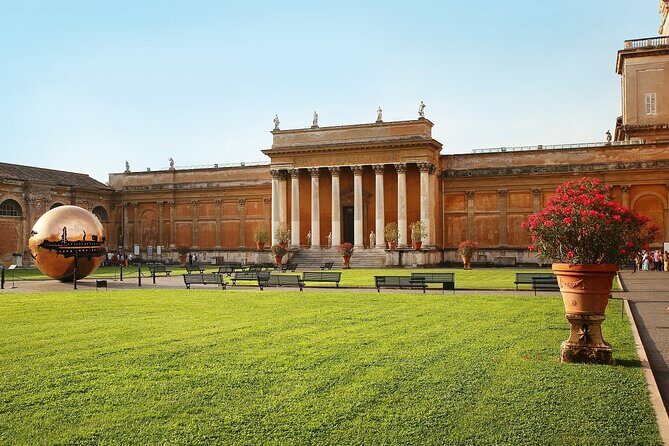
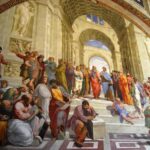
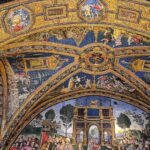
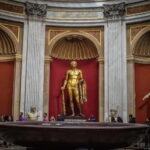
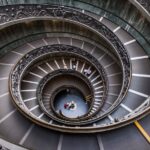
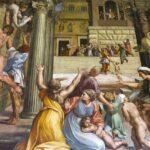
The Vatican Museums stop is built to include the “must-sees” with skip-the-line access style convenience. You’re shown major works and described as including frescoes by Raphael and famous Michelangelo roof frescoes connected to what you’ll later see in the Sistine Chapel. That sequencing matters. If you can connect the museum works to the chapel’s ceiling program, the Sistine Chapel stops feeling random.
When you enter the Sistine Chapel, you’ll learn what you’re looking at: Michelangelo’s The Last Judgment and biblical scenes like the creation story with the famous Adam imagery. The tour also points out that the chapel is still used today for papal elections, which helps you understand it’s not just a museum room—it’s a working religious space with intense modern significance.
Potential drawback: the Vatican can change quickly. The tour explicitly warns that because of current papal activity (including Pope Francis organizing major events), some areas might close last minute. If that happens, the guide will provide an alternative focusing more on the Vatican Museums. This is one reason to pack patience. Rome’s best art moments sometimes come with real-world scheduling.
St. Peter’s Basilica and the papal crypt: the quiet weight under the dome
The day closes at St. Peter’s Basilica and then into St. Peter’s Square. St. Peter’s is large, and the guide’s approach here is what makes it work: you’re not just walking around the main church. You explore side chapels and hidden crypts with explanations.
You’ll see Michelangelo’s Pietà, with the guide explaining why it’s the only work he signed. That level of explanation is exactly what makes Basilica time feel worth the crowds. You’ll also hear about Bernini’s altarpiece and the idea of how Michelangelo triumphed over contemporaries for the honor to paint the dome. Even if you’re not a specialist, the guide helps you connect artists, patrons, and ambition in a way that makes the building feel personal.
Then comes a standout: you go below ground to the papal crypt, where many popes are interred over the centuries. This is described as a site of pilgrimage for many Catholics, and you feel that shift in atmosphere the moment you step into the quieter underground space.
At the end, you reach St. Peter’s Square, where you can admire the balcony used for the Sunday Angelus blessing.
Jubilee note: the tour also warns that due to the Jubilee, the Basilica might not be accessible as part of the tour at the last minute. If that happens, you can still visit afterward, but you’ll likely need to queue.
Other Vatican plus Colosseum combo tours at the Vatican & Rome
Price and value: is $662.26 worth a 6-hour highlights day?
At $662.26 per person, this is not a bargain tour. But the price is easier to justify when you look at what’s included and what you’re buying: time saved, expert guidance, and major-site access.
Included items list the professional art historian guide and private tour status. You also get Colosseum entrance ticket plus a Colosseum reservation fee (noted values: €18 plus €2). The document makes it clear that the remaining cost covers other services. In practice, that “other services” portion is the big value lever: planning, routing, and the kind of guiding that keeps the ancient Rome stops meaningful instead of exhausting.
Also note what’s not included: transportation to/from attractions. If you’re coming from somewhere far and you end up spending extra time navigating, the price feels steeper. On the other hand, if you’re already centrally located and you can use public transit to reach the meeting point, the day becomes much more cost-effective.
My practical take: you’re paying for a tight script and a knowledgeable guide. If you’d rather wander and read museum plaques slowly on your own, you’ll probably feel the cost more. If you’re time-pressed and want the highlights connected by meaning, this price can make sense.
Dress code and last-minute closures: how to keep the day smooth
You need to know two things before you go.
First: dress code. The tour specifies no shorts or sleeveless tops. Knees and shoulders must be covered for both men and women. If you show up dressed casually, entry risk is real.
Second: Vatican unpredictability. The tour warns that areas might get closed last minute due to Pope Francis events. It even notes this has happened before, and it can happen again. The tour also mentions the Jubilee may affect whether the Basilica is accessible during the scheduled portion, with a fallback of visiting after the tour via regular queues.
So I’d pack for flexibility: a light layer for shoulders, pants or a long skirt that covers knees, and the mindset that plans can shift within Rome. A good day doesn’t always mean perfect access—it means your guide can adapt without making the day feel like a disappointment.
What your day feels like: walking pace, timing, and what to prepare for
This is about 6 hours and built around frequent key moments. It’s also listed as requiring moderate physical fitness. That means you should expect a lot of walking and some stair/uneven ground, especially around ancient sites.
Stop times give you a hint of how the day flows:
- Colosseum + Roman Forum are longer anchors.
- Trevi Fountain, Pantheon, and Piazza Navona are short but high-impact.
- The Vatican Museums and Sistine Chapel take the most concentrated time.
- St. Peter’s Basilica and Square wrap it up.
If you like a slow itinerary, this might feel intense. If you like structure and want your money to buy time and understanding, you’ll probably enjoy it.
Who should book this all-in-one Rome day?
This tour fits best if you:
- Have limited time and want major sights in one day
- Want a guide who explains what you’re looking at across both ancient Rome and Renaissance/Baroque art
- Prefer a private setup where your group isn’t sharing your experience with strangers
- Are ready to follow rules like dress code and provide your full names exactly for ticketing
You might want a different plan if:
- You dislike walking and standing for long stretches
- You want lots of free time to linger in one place without time limits
- You’re visiting with very limited flexibility for last-minute Vatican changes
Should you book this tour?
I’d book it if your goal is simple: see the Colosseum, connect it to the Forum, hit Trevi and the Pantheon, then finish with the Vatican art highlights and St. Peter’s—without trying to coordinate multiple tickets and guide knowledge on your own.
The strongest reason to choose it is the combination of expert art historical guidance and access that helps you stay on schedule. The main reason not to choose it is if you’re uncomfortable with dress code rules, walking pace, or the possibility that Vatican plans shift last minute.
If your Rome trip is short and you want the day to feel intentional, this is a solid option.
FAQ
How long is the tour?
It’s about 6 hours, with the overall schedule built around several major stops from the Colosseum to St. Peter’s.
Is this tour private?
Yes. It’s a private tour/activity, and only your group participates.
Where do I meet, and where does it end?
You start at Piazza del Colosseo, 23, 00184 Roma RM, Italy, and the tour ends in St. Peter’s Square at Piazza San Pietro, 00120.
What’s included in the ticket price?
You get a professional art historian guide and a private tour, plus Colosseum entrance ticket and a Colosseum reservation fee. Admission tickets are included for the listed stops.
Is transportation included?
No. Transportation to and from attractions is not included.
Do I need to bring ID and names exactly as provided?
Yes. You must provide full names when booking, and each traveler must present a valid passport or ID document matching the name provided.
What dress code do I need for the churches and museums?
You need knees and shoulders covered. No shorts or sleeveless tops are allowed, and failing to comply can risk denied entry.
What if areas in the Vatican close last minute due to Pope events?
The tour notes that some areas might close without notice. If that happens, your guide will provide a valuable alternative focusing the tour inside the Vatican Museums.
What if St. Peter’s Basilica isn’t accessible during the Jubilee?
The tour warns the Basilica might not be accessible as part of the scheduled tour. If that happens, you can still visit it afterward, but you may need to queue.
What’s the cancellation policy?
This experience is non-refundable and cannot be changed for any reason. If you cancel or request an amendment, the amount paid is not refunded.